Digital technologies are revolutionizing the Ball Valve manufacturing industry through the integration of advanced automation systems, IoT sensors, artificial intelligence, and precision machining techniques. These innovations enable manufacturers to produce high-performance fluid control devices with enhanced accuracy, reliability, and operational intelligence. Smart manufacturing processes now incorporate real-time monitoring, predictive maintenance capabilities, and automated quality control systems that significantly improve product consistency and reduce manufacturing defects. The adoption of digital twin technology, computer-aided design software, and robotics has transformed traditional valve production into sophisticated, data-driven operations that meet the demanding requirements of modern industrial applications.
Understanding the Evolution of Digital Manufacturing in Valve Production
The transformation of valve manufacturing through digital technologies represents a fundamental shift from conventional production methods to smart, interconnected systems. Traditional manufacturing processes often relied on manual inspections and mechanical controls, leading to inconsistencies and quality variations. Modern digital manufacturing integrates advanced sensor networks, automated control systems, and data analytics to create more efficient production environments. This evolution tackles important issues in valve manufacturing, such as attaining ideal sealing performance, guaranteeing constant material qualities, and preserving exact tolerances. Throughout the production cycle, digital manufacturing technologies allow for real-time monitoring of temperature, pressure, and dimensional correctness, guaranteeing that each component satisfies stringent quality requirements. Ball valve manufacturers have benefited greatly from the application of Industry 4.0 principles since it has made predictive maintenance schedules possible, decreased unplanned equipment failures, and increased production throughput. The industry as a whole has seen quantifiable increases in manufacturing efficiency and product quality as a result of these technical advancements.
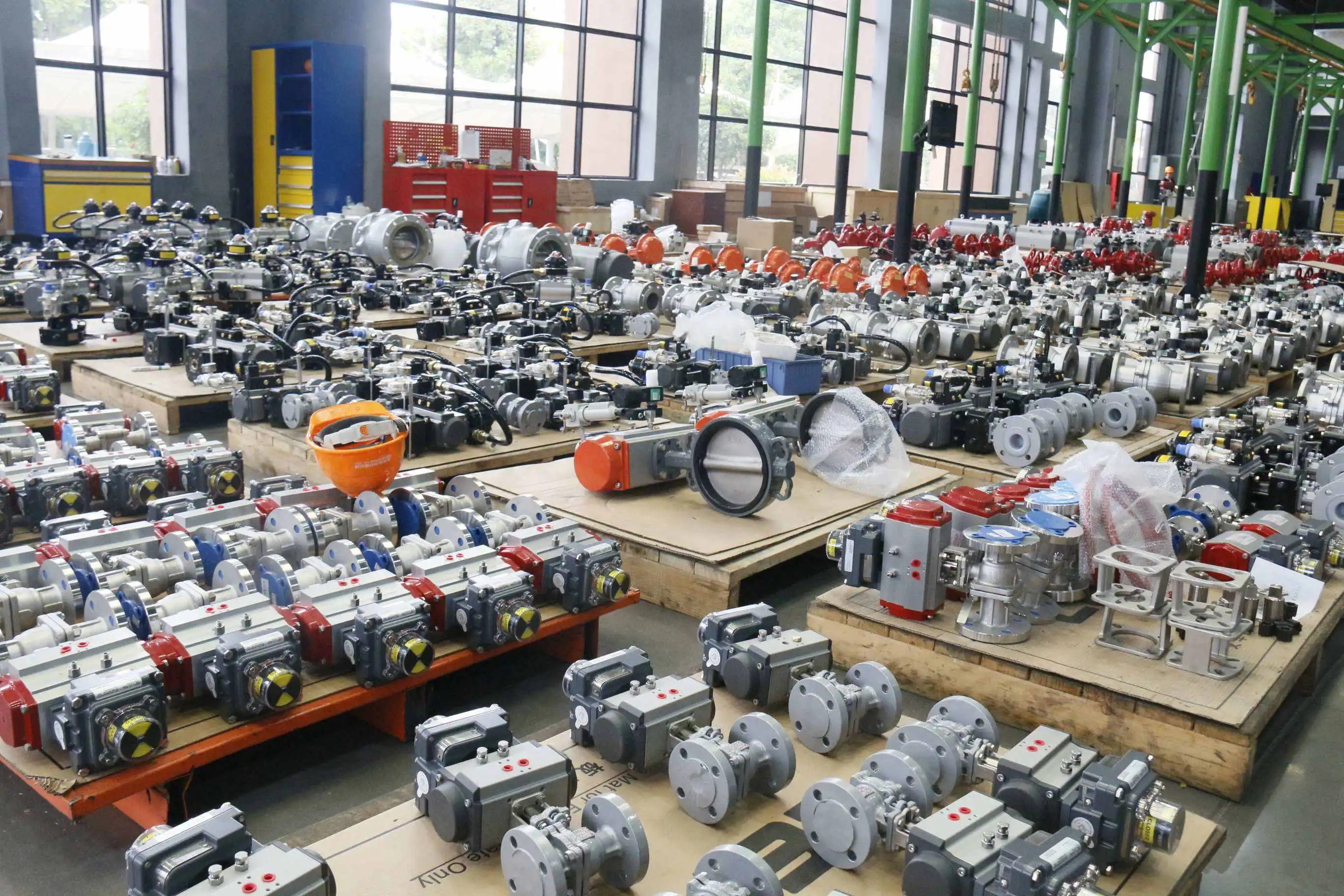
Key Digital Technologies Transforming Smart Ball Valve Production
The development of intelligent valve manufacturing systems is being propelled by a number of innovative technologies. Together, these developments produce all-encompassing production settings that maximize each step of the manufacturing process. Precise component manufacture with tolerances measured in microns is made possible by Computer Numerical Control (CNC) machining systems with sophisticated software. By seamlessly integrating with design software, these systems convert technical specifications into manufacturing instructions, guaranteeing consistent dimensional correctness and removing the possibility of human error. Internet of Things (IoT) sensors embedded throughout production lines collect vast amounts of operational data, including vibration patterns, temperature fluctuations, and pressure variations. This continuous monitoring enables immediate detection of anomalies and supports proactive maintenance strategies that prevent costly production interruptions. Artificial intelligence algorithms analyze production data to identify optimization opportunities and predict potential quality issues before they occur. Machine learning systems continuously improve manufacturing processes by recognizing patterns and correlations that human operators might miss. Additive manufacturing technologies, including 3D printing, enable rapid prototyping and the production of complex geometries that would be difficult or impossible to achieve through traditional manufacturing methods. These capabilities support innovation in valve design and accelerate the development of custom solutions for specialized applications.
Smart Manufacturing Techniques Enhancing Ball Valve Performance
Modern flow control devices' performance characteristics are directly impacted by advanced manufacturing procedures. Valves with better sealing capabilities, higher flow coefficients, and increased durability under harsh operating circumstances can be produced thanks to digital manufacturing techniques. The best possible mechanical qualities and grain structure in valve components are guaranteed by precise material processing methods that are directed by digital controls. Consistent material properties that improve mechanical strength and corrosion resistance are produced by computer-controlled heat treatment procedures. Automated assembly systems equipped with vision recognition technology verify proper component alignment and installation, reducing the likelihood of assembly errors that could compromise valve performance. These systems can detect minute variations in component dimensions and make real-time adjustments to maintain assembly quality. Digital quality assurance protocols incorporate advanced testing methodologies, including non-destructive testing techniques and automated performance verification. These comprehensive testing procedures ensure that every valve meets or exceeds specified performance requirements before shipment.

Industrial Applications and Benefits of Smart Valve Technologies
The implementation of smart manufacturing technologies in valve production delivers significant benefits across various industrial sectors. Oil and gas operations particularly benefit from enhanced valve reliability and performance monitoring capabilities that reduce maintenance costs and improve operational safety. Petrochemical facilities utilizing smart valve systems report improved process control accuracy and reduced emissions through better sealing performance. The integration of remote monitoring capabilities enables operators to track valve performance in real-time and implement predictive maintenance strategies that minimize unplanned shutdowns. Water treatment facilities have experienced enhanced operational efficiency through the deployment of intelligent flow control systems. Smart valves equipped with integrated sensors provide continuous feedback on flow rates, pressure differentials, and system performance, enabling optimized treatment processes and reduced energy consumption. The manufacturing sector benefits from improved process consistency and quality control through the implementation of digitally manufactured valve components. These advanced systems support precise control of fluid flows in various manufacturing applications, contributing to improved product quality and reduced waste.
CEPAI's Advanced Digital Manufacturing Capabilities
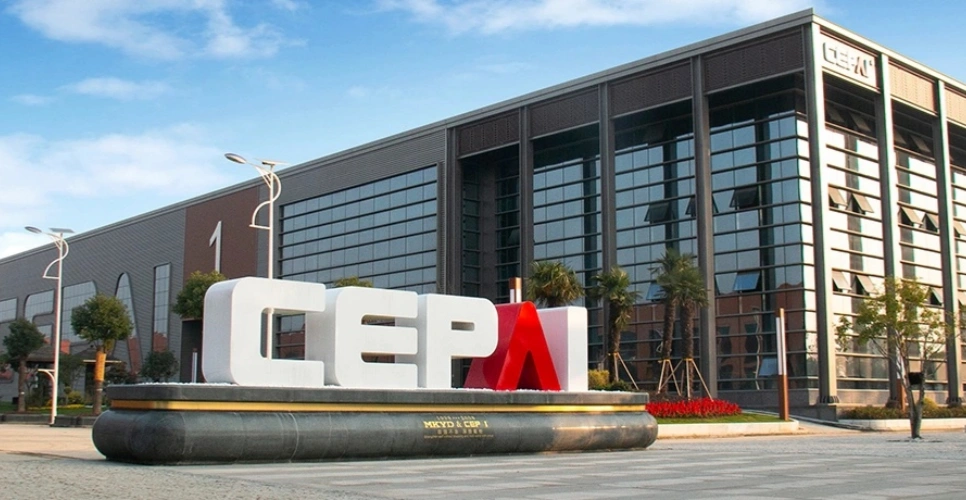
CEPAI Group has invested significantly in digital transformation, establishing one of the most advanced intelligent manufacturing facilities in the Asia-Pacific region. Our 156-million-yuan investment in smart manufacturing technology has created a state-of-the-art production environment that exemplifies the integration of digital technologies in valve manufacturing. Our intelligent manufacturing facility features the longest high-precision flexible production line in the region, incorporating advanced robotics, IoT sensors, and artificial intelligence systems. This comprehensive digital infrastructure enables us to maintain exceptional quality standards while achieving industry-leading production efficiency. The implementation of industrial Internet technologies throughout our facility enables real-time monitoring and optimization of production processes. Our digital twin systems create virtual replicas of manufacturing operations, allowing for continuous process improvement and predictive maintenance strategies that minimize downtime. Remote operation and maintenance capabilities, including AR-guided support systems, demonstrate our commitment to leveraging cutting-edge technologies for customer service excellence. These digital capabilities enhance user experience and strengthen long-term partnerships with our global client base.
Quality Control and Certification Excellence
Digital manufacturing technologies have revolutionized quality control processes in valve production, enabling unprecedented levels of precision and consistency. CEPAI's quality management system incorporates advanced testing equipment and digital documentation systems that ensure complete traceability throughout the manufacturing process. Our comprehensive certification portfolio, including API certifications, ISO management systems, and SIL certifications, demonstrates our commitment to meeting the highest international standards. These certifications are supported by continuous monitoring systems that verify compliance with quality requirements at every production stage. Advanced material analysis techniques, including spectroscopic analysis and mechanical testing, ensure that all valve components meet specified material properties. Digital documentation systems maintain complete records of material certifications, testing results, and production parameters for every manufactured component. The integration of CNAS-accredited laboratory facilities within our manufacturing complex enables real-time quality verification and supports continuous improvement initiatives. This comprehensive approach to quality management ensures that our products consistently exceed customer expectations and industry standards.
Frequently Asked Questions
Q1: How do digital technologies improve Ball Valve reliability compared to traditional manufacturing methods?
A: Digital technologies enhance valve reliability through precise manufacturing controls, continuous quality monitoring, and predictive maintenance capabilities. Advanced sensors and AI-driven analytics detect potential issues before they affect performance, while automated manufacturing processes ensure consistent quality and dimensional accuracy. This results in longer service life, reduced maintenance requirements, and improved operational safety.
Q2: What specific digital manufacturing advantages does CEPAI offer for custom valve solutions?
A: CEPAI's digital manufacturing capabilities include flexible production lines that can efficiently handle custom specifications, advanced CAD/CAM systems for rapid design iteration, and IoT-enabled quality monitoring throughout production. Our intelligent manufacturing facility enables cost-effective customization while maintaining strict quality standards and shorter delivery times compared to traditional manufacturing approaches.
Q3: How do smart manufacturing technologies impact the total cost of ownership for industrial valve systems?
A: Smart manufacturing technologies reduce total cost of ownership through improved product reliability, extended service intervals, and predictive maintenance capabilities. Digital manufacturing processes produce valves with enhanced consistency and performance characteristics, while integrated monitoring systems enable optimized maintenance scheduling and reduced unexpected failures, resulting in lower lifecycle costs and improved operational efficiency.
Partner with CEPAI for Advanced Ball Valve Solutions
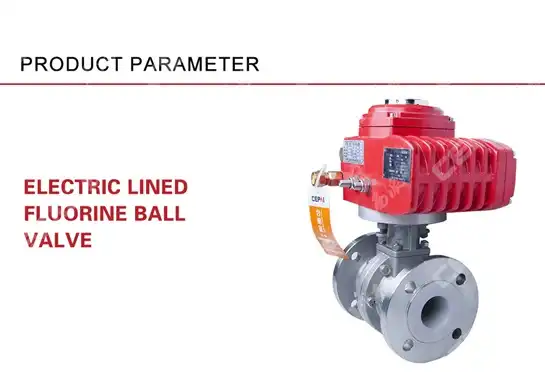
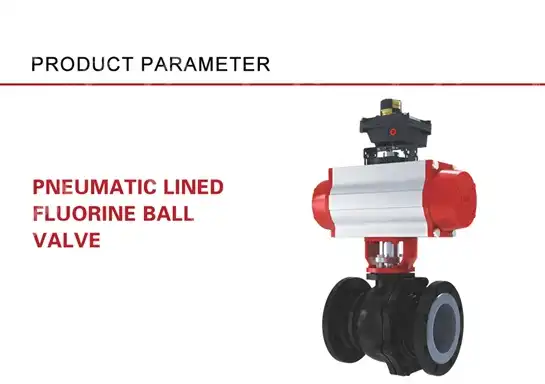
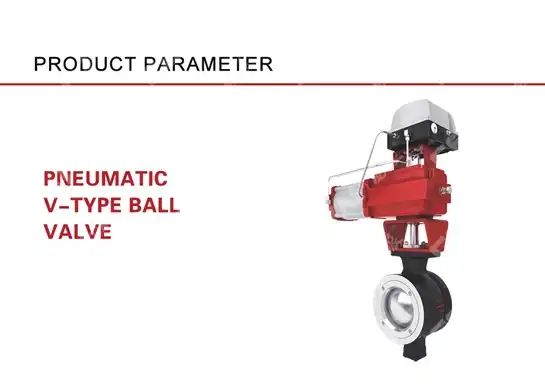
CEPAI Group stands at the forefront of digital valve manufacturing innovation, combining decades of industry expertise with cutting-edge production technologies. Our commitment to intelligent manufacturing excellence positions us as a leading Ball Valve supplier for demanding industrial applications worldwide. Our comprehensive product portfolio includes high-performance stainless steel ball valves, specialized control valves, and custom-engineered solutions designed to meet the most challenging operational requirements. Each product benefits from our advanced digital manufacturing processes, ensuring superior quality, reliability, and performance consistency.
We invite procurement managers and engineering professionals to explore our innovative valve solutions and experience the advantages of partnering with a technology-driven manufacturer. Our technical support team provides comprehensive consultation services, helping you select optimal valve configurations for your specific applications and operational requirements. Discover how CEPAI's digital manufacturing capabilities can enhance your fluid control systems and operational efficiency. For detailed product information and technical specifications, please visit valveknowledge.jscepai.com or contact us at cepai@cepai.com to discuss your valve requirements with our experienced engineering team.
Conclusion
Digital technologies are fundamentally transforming Ball Valve manufacturing through the integration of advanced automation, IoT monitoring, and intelligent production systems. These innovations enable manufacturers like CEPAI to produce superior quality valves with enhanced performance characteristics, improved reliability, and greater operational intelligence. The adoption of smart manufacturing technologies represents a critical competitive advantage in meeting the evolving demands of modern industrial applications. As digital transformation continues to advance, manufacturers who embrace these technologies will be best positioned to deliver innovative solutions that support their customers' operational excellence and long-term success.
References
1. Industrial Internet Consortium. "Digital Transformation in Manufacturing: Technologies and Implementation Strategies." Journal of Smart Manufacturing, Vol. 15, 2023.
2. Martinez, R. & Chen, L. "Advanced Automation in Valve Manufacturing: Quality Control and Process Optimization." International Journal of Industrial Engineering, 2023.
3. Thompson, K. "IoT Applications in Fluid Control Systems: Enhancing Performance Through Digital Integration." Process Industry Review, Vol. 28, 2023.
4. Anderson, P. et al. "Artificial Intelligence in Manufacturing Quality Control: Case Studies from the Valve Industry." Manufacturing Technology Today, Issue 142, 2023.
5. Wilson, S. "Digital Twin Technology in Industrial Manufacturing: Applications and Benefits." Smart Factory International, Vol. 11, 2023.
6. Roberts, M. & Kumar, A. "Predictive Maintenance in Valve Manufacturing: Data Analytics and Machine Learning Applications." Industrial Automation Quarterly, Spring 2023.
_1746598563385.webp)