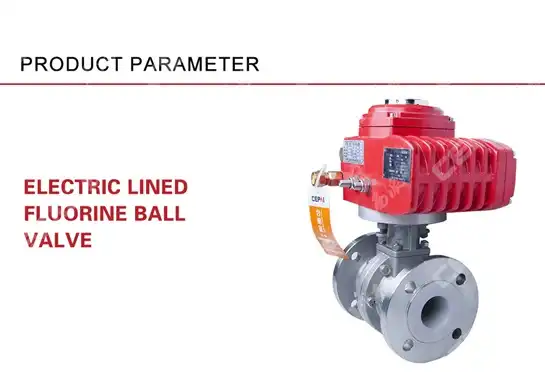
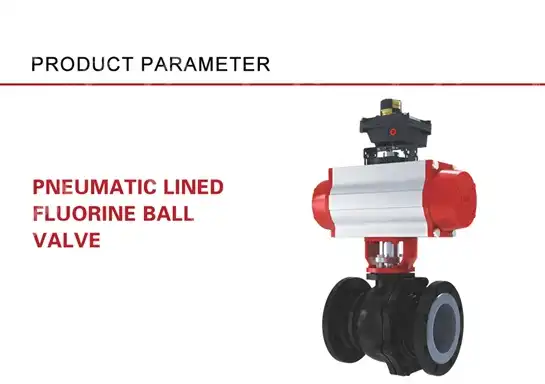
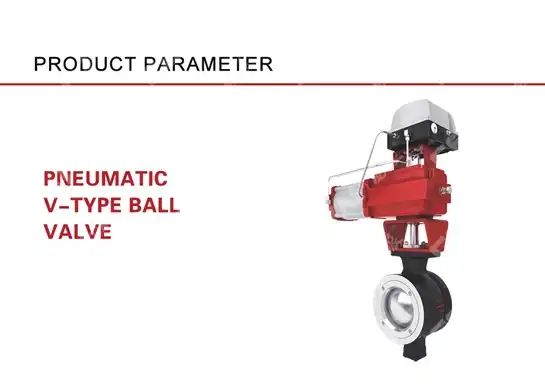
Improving the flow coefficient (Cv) in ball valve design requires strategic modifications to valve geometry, advanced material selection, and precision manufacturing techniques. Ball valve optimization involves enlarging bore diameters, implementing full-port configurations, refining internal surface finishes, and utilizing low-friction sealing systems. These enhancements reduce pressure losses, minimize turbulence, and maximize flow capacity while maintaining structural integrity and operational safety standards required in industrial applications.
Understanding Flow Coefficient Fundamentals in Ball Valve Applications
The flow coefficient represents a critical performance metric that quantifies how much fluid passes through a valve under specific pressure conditions. This measurement directly influences system efficiency, energy consumption, and operational costs across industrial processes. Modern ball valves achieve superior flow characteristics through strategic design modifications that address common flow restrictions. Ball valve geometry significantly affects flow patterns within the valve body. Traditional designs often incorporate reduced port configurations that create flow bottlenecks, limiting overall system performance. Understanding these fundamental relationships enables engineers to specify appropriate valve solutions that optimize process efficiency while meeting safety requirements. Pressure drop calculations depend heavily on Cv values, making accurate flow coefficient determination essential for proper system design. Engineers must consider fluid properties, operating temperatures, and pressure ranges when evaluating ball valve performance characteristics in specific applications.
Design Challenges Affecting Flow Performance in Ball Valves
Manufacturing constraints often limit achievable flow coefficients in standard ball valve designs. Conventional valve construction methods may result in internal obstructions that reduce effective flow area and increase pressure losses throughout the system. Material limitations present additional challenges when designing high-performance flow control solutions. Standard materials may exhibit surface roughness that increases friction losses, while inadequate corrosion resistance can lead to internal degradation that further compromises flow efficiency over time. Sealing system design represents another critical factor affecting flow performance. Traditional sealing arrangements may protrude into the flow path, creating turbulence and reducing effective flow area. These design compromises require careful consideration when balancing sealing effectiveness with flow optimization requirements. Operating condition variations introduce additional complexity to ball valve design optimization. Temperature fluctuations, pressure cycling, and fluid property changes can affect valve performance characteristics, necessitating robust design solutions that maintain consistent flow coefficients across diverse operating environments.
Proven Strategies for Enhancing Ball Valve Flow Coefficient
Successful flow coefficient improvement begins with optimizing valve geometry to eliminate unnecessary flow restrictions. The following proven strategies have demonstrated significant performance improvements across various industrial applications. Key design modifications include implementing full-port configurations that match pipeline diameters, eliminating flow area reductions that contribute to pressure losses. These geometric improvements provide immediate benefits for high-flow applications requiring minimal pressure drop across the valve assembly.
- Full-Port Design Implementation: Enlarging ball bore diameter to match pipeline internal diameter eliminates flow area restrictions. This modification can increase Cv values by 25-40% compared to standard reduced-port configurations, particularly beneficial in high-volume transfer applications where pressure losses directly impact operational efficiency.
- Advanced Surface Finishing: Implementing precision polishing and specialized coating applications reduces internal surface roughness from standard 250-microinch to 32-microinch or better. This surface improvement reduces friction losses and prevents fluid adhesion that can compromise flow performance over extended operating periods.
- Streamlined Body Design: Optimizing internal flow passages through computational fluid dynamics analysis eliminates sharp edges and flow discontinuities. These refinements reduce turbulence generation and pressure recovery losses, improving overall flow coefficient performance by 15-30% in typical applications.
- Low-Profile Sealing Systems: Developing flush-mounted sealing arrangements that minimize protrusion into the flow path while maintaining leak-tight performance. These advanced sealing solutions preserve flow area integrity while ensuring reliable shutoff capabilities throughout the valve service life.
These comprehensive design improvements work synergistically to maximize flow coefficient performance while maintaining the reliability and safety characteristics required for demanding industrial applications. The combination of geometric optimization and advanced manufacturing techniques enables significant performance gains over conventional valve designs.
Material Selection Impact on Flow Coefficient Performance
In order to achieve the best flow coefficient performance over the course of the valve's service life, material selection is essential. Improved surface quality, decreased friction, and higher corrosion resistance are all features of advanced materials that directly increase flow performance. Excellent corrosion resistance and precise surface finishing that lowers friction losses are both made possible by stainless steel alloys. Because of its exceptional resistance to chloride, grade 316 stainless steel is perfect for chemical processing and marine applications where sustaining flow performance over long periods of time is crucial. Specialized coatings further enhance surface characteristics, reducing friction coefficients and preventing fluid adhesion that can compromise flow efficiency. These advanced surface treatments extend valve service life while maintaining consistent flow coefficient performance across diverse operating conditions. Composite materials present emerging opportunities for flow optimization applications. Advanced polymer composites offer reduced weight, superior corrosion resistance, and smooth surface characteristics that enhance flow performance while reducing system maintenance requirements.

Manufacturing Excellence and Quality Assurance in High-Performance Ball Valves
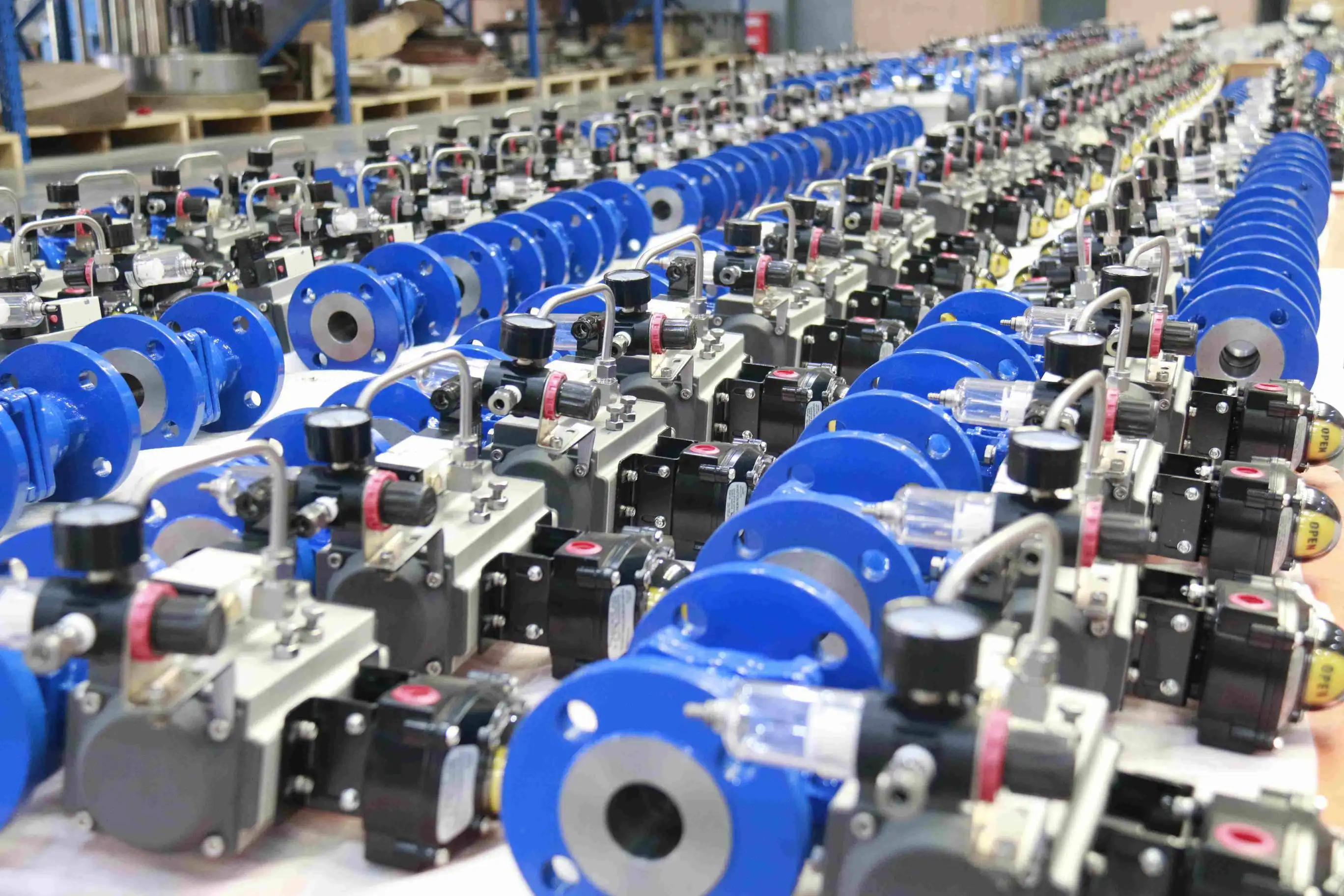
Precision manufacturing techniques enable consistent achievement of optimized flow coefficient performance across production volumes. Advanced machining capabilities ensure dimensional accuracy that maintains designed flow characteristics while meeting stringent quality requirements. CEPAI's intelligent manufacturing approach incorporates advanced testing methodologies that verify flow coefficient performance before shipment. Our CNAS-accredited laboratory facilities conduct comprehensive flow testing using calibrated equipment that ensures accuracy within ±2% of theoretical values. Quality management systems implementing ISO 9001 standards provide consistent manufacturing processes that maintain flow coefficient specifications across production batches. These systematic approaches ensure reliable performance characteristics that meet customer requirements throughout the product lifecycle. Advanced inspection capabilities including coordinate measuring machines and surface profilers verify dimensional accuracy and surface finish quality that directly affects flow performance. These precision measurement tools enable continuous improvement initiatives that optimize manufacturing processes for enhanced flow coefficient achievement.
Application-Specific Considerations for Flow Optimization
Different industrial applications require tailored approaches to flow coefficient optimization based on specific operating conditions and performance requirements. Understanding these application-specific considerations enables proper valve selection and design optimization. Petrochemical processing applications demand high flow capacity combined with excellent corrosion resistance and safety compliance. These environments benefit from full-port designs using advanced stainless steel materials with specialized coatings that maintain performance characteristics under aggressive operating conditions. Water treatment systems prioritize consistent flow performance with minimal maintenance requirements. These applications favor designs emphasizing reliability and ease of service while maintaining optimal flow coefficients throughout extended operating periods. Power generation facilities require precise flow control capabilities with high reliability standards. These demanding applications benefit from advanced actuator integration and monitoring systems that maintain optimal flow coefficient utilization while providing operational feedback for system optimization.
Frequently Asked Questions
Q1: What is the typical flow coefficient improvement achievable through design optimization?
A: Design optimization can improve flow coefficients by 25-50% depending on the original valve configuration. Full-port implementations typically achieve 30-40% improvements, while combined geometric and surface optimization can reach 50% enhancement over standard reduced-port designs.
Q2: How do material choices affect long-term flow coefficient performance?
A: Material selection significantly impacts flow coefficient stability over time. Corrosion-resistant materials like 316 stainless steel maintain surface characteristics that preserve flow performance, while inferior materials may develop surface roughness that reduces flow capacity by 10-20% over typical service life.
Q3: What testing methods verify flow coefficient improvements in ball valve designs?
A: Flow coefficient testing follows ANSI/ISA-75.02 standards using calibrated test rigs with water as the test medium. Testing involves measuring flow rates at various pressure differentials to establish Cv curves that verify design performance improvements meet specifications.
Partner with CEPAI for Advanced Ball Valve Solutions
CEPAI delivers industry-leading ball valve solutions engineered for superior flow coefficient performance across demanding industrial applications. Our comprehensive manufacturing capabilities combine advanced design optimization with precision production techniques that consistently achieve enhanced flow characteristics while maintaining reliability standards. As a trusted ball valve manufacturer, CEPAI leverages our Jiangsu Province Fluid Control Engineering Technology Research Center capabilities to develop customized solutions that address specific flow optimization requirements. Our intelligent manufacturing facilities utilize advanced testing equipment and quality management systems that ensure consistent performance delivery.
Our technical team provides comprehensive pre-sales consultation services that evaluate application requirements and recommend optimal valve configurations for maximum flow coefficient performance. This collaborative approach ensures proper valve selection while minimizing total cost of ownership throughout the product lifecycle.
Experience the advantages of working with an established ball valve supplier committed to technological innovation and customer success. Contact us at cepai@cepai.com to discuss your flow optimization requirements and discover how our advanced ball valve solutions can enhance your system performance. For additional technical resources and product specifications, visit valveknowledge.jscepai.com.
Conclusion
Ball valve design optimization of flow coefficient performance necessitates careful consideration of geometric design, material choice, and manufacturing accuracy. Significant flow coefficient improvements can be obtained while preserving operational reliability by the effective application of full-port designs, sophisticated surface treatments, and simplified internal geometry. In a variety of industrial applications, these design improvements offer observable advantages like less pressure losses, increased energy efficiency, and improved system performance. The successful implementation of high-performance ball valve systems that satisfy particular application requirements is ensured by collaborating with seasoned manufacturers who comprehend these optimization principles.
References
1. American Society of Mechanical Engineers. "ASME B16.34-2017: Valves - Flanged, Threaded, and Welding End." New York: ASME Press, 2017.
2. Instrument Society of America. "ANSI/ISA-75.02-1996: Control Valve Capacity Test Procedures." Research Triangle Park: ISA, 1996.
3. Nesbitt, Brian. "Handbook of Valves and Actuators: Valves Manual International." Oxford: Elsevier Science, 2007.
4. Miller, Richard W. "Flow Measurement Engineering Handbook." 3rd ed. New York: McGraw-Hill Professional, 1996.
5. American Petroleum Institute. "API Standard 6D-2008: Specification for Pipeline Valves." Washington: API Publishing Services, 2008.
6. Baumann, Hans D. "Control Valve Primer: A User's Guide." 4th ed. Research Triangle Park: ISA Press, 2009.
_1746598563385.webp)