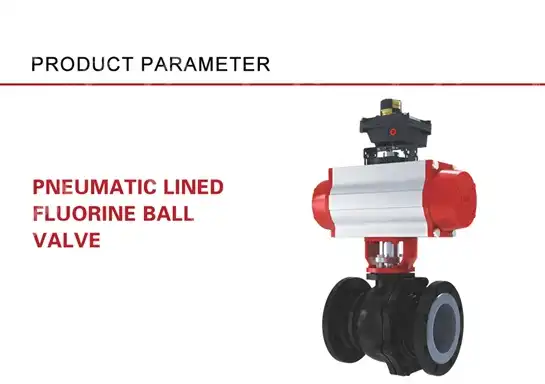
To reduce torque needs in pneumatic ball valve design, numerous essential elements must be optimized, including seal materials, actuator sizing, valve geometry, and surface treatments. The Pneumatic Ball Valve works with rotating force, and excessive torque demands can cause premature actuator failure, greater energy consumption, and higher maintenance costs. Key solutions include using low-friction elastomeric seals, installing suitable bearing systems, improving ball and seat geometry, and assuring optimal actuator-to-valve matching. Advanced surface coatings and exact production tolerances also help to reduce torque, which improves valve performance and increases operating longevity in industrial applications.
Understanding Torque Requirements in Pneumatic Ball Valves
Torque represents the rotational force necessary to operate valve components effectively. In pneumatic actuated systems, this force determines actuator sizing requirements and overall system efficiency. Understanding these mechanics helps engineers specify appropriate components while avoiding oversized equipment that increases costs unnecessarily.
What Is Torque in Pneumatic Ball Valve Operation?
Torque in valve operation encompasses the rotational force needed to overcome resistance from seals, pressure differentials, and mechanical friction. This resistance varies based on valve position, with break-away torque typically requiring the highest force during initial movement from a sealed position. Operating torque maintains continuous rotation while end-position torque ensures complete sealing. Modern pneumatic systems must account for these varying demands when selecting actuators and control components.
Common Factors Influencing Torque Demand
Multiple variables affect torque requirements in valve systems. Valve size directly correlates with torque needs, as larger diameters create greater surface areas and increased friction. Material selection influences friction coefficients, with stainless steel typically requiring higher torque than brass alternatives. Fluid pressure creates additional resistance through differential forces across the ball, while temperature variations affect seal elasticity and friction characteristics. Operating frequency also matters, as frequent cycling can increase wear and corresponding torque demands over time.
Working Principle and Torque Generation in Pneumatic Ball Valves
Pneumatic actuators convert compressed air pressure into rotational motion through piston-driven mechanisms or vane-type designs. These systems multiply input force to generate sufficient torque for valve operation. The relationship between air pressure, actuator size, and output torque follows predictable engineering principles, allowing precise matching of components. Understanding this relationship enables optimal system design that minimizes energy consumption while ensuring reliable operation across varying conditions.
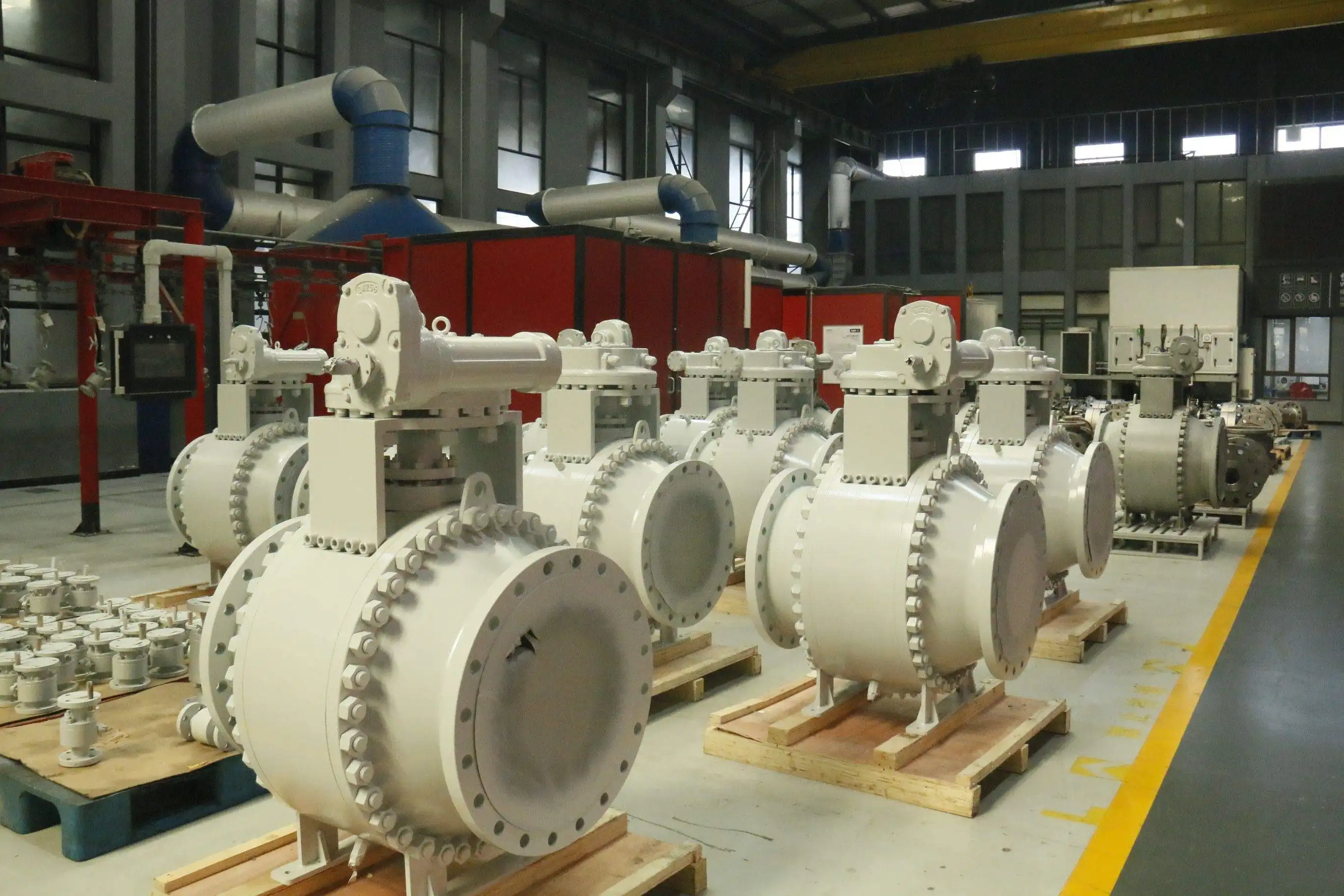
Key Causes of Excessive Torque in Pneumatic Ball Valves
Identifying torque-increasing factors enables targeted improvements in valve design and maintenance practices. These causes often interact, creating compound effects that significantly impact system performance and operational costs.
Design-Related Factors
Material choices significantly influence torque requirements throughout valve service life. Heavy metals increase inertial forces during rotation, while rough surface finishes create additional friction points. Valve seat geometry affects contact pressure distribution, with improperly designed seats creating localized stress concentrations. Packing arrangements also contribute to resistance, particularly when compression levels exceed optimal ranges or when incompatible materials are selected for specific service conditions.
Operational Influences
Service conditions create dynamic challenges for valve systems. High pressure differentials across the ball increase sealing forces and corresponding break-away torque. Temperature fluctuations affect material properties, with cold conditions often hardening seals and increasing friction. Corrosive environments can roughen surfaces over time, while particulate contamination acts as an abrasive, gradually increasing resistance. These factors compound over extended service periods, requiring proactive management strategies.
Installation and Maintenance Impacts
Proper installation techniques significantly affect long-term torque performance. Misalignment between actuators and valves creates binding conditions that increase force requirements. Inadequate lubrication allows metal-to-metal contact that accelerates wear and friction buildup. Overtightening of packing glands compresses seals beyond design limits, while undertightening can allow leakage and contamination entry. Regular maintenance schedules help maintain optimal operating conditions and prevent gradual performance degradation.

Effective Principles and Methods to Reduce Torque Requirements
Successful torque reduction strategies address multiple system aspects simultaneously. These approaches combine advanced materials science with precise engineering practices to achieve optimal performance outcomes.
Optimizing Valve Design and Materials
Advanced seal materials offer significant torque reduction potential through lower friction coefficients and improved durability. PTFE-based compounds provide excellent chemical resistance while maintaining low friction characteristics across wide temperature ranges. Graphite-filled materials offer enhanced thermal stability for high-temperature applications. Valve seat technology has evolved to include metal-seated designs for severe service conditions and soft-seated options for tight shutoff requirements. Surface treatments such as electroless nickel plating or ceramic coatings further reduce friction while improving corrosion resistance.
Enhancing Actuator and Valve Interface
Precise actuator sizing based on detailed torque curves ensures optimal performance without oversizing equipment. Double-acting actuators provide controlled force in both directions, enabling smoother operation and better positioning accuracy. Positioner systems with feedback control maintain precise valve positioning while compensating for variations in supply pressure or load conditions. These systems integrate seamlessly with modern control architectures to provide enhanced operational capabilities and diagnostic information.
Improving Installation and Maintenance Practices
Proper installation procedures establish optimal operating conditions from initial startup. Alignment verification prevents binding and uneven wear patterns that increase torque over time. Lubrication schedules using appropriate lubricants maintain low friction conditions while preventing contamination. Regular inspection protocols identify developing issues before they create significant performance impacts. Troubleshooting procedures help maintenance personnel diagnose torque-related problems efficiently and implement corrective actions promptly.
Case Studies: Successful Torque Reduction in Pneumatic Ball Valve Designs
Real-world applications demonstrate the effectiveness of systematic approaches to torque reduction. These examples provide valuable insights into practical implementation strategies and measurable outcomes.
Industrial Water Treatment Facility Implementation
A major water treatment facility experienced excessive actuator failures due to high torque demands in their valve systems. The existing installation utilized standard elastomeric seals with oversized actuators that consumed excessive compressed air. CEPAI engineers analyzed the application and recommended upgrading to low-friction seal materials combined with properly sized actuators based on detailed torque calculations. The implementation resulted in 40% torque reduction and eliminated premature actuator failures, while reducing energy consumption by 25% across the facility.
OEM Manufacturing Optimization
An equipment manufacturer sought to improve valve performance in their packaged systems while reducing warranty claims related to valve operation. Custom modifications included specialized low-friction coatings on ball surfaces and optimized seat geometries for their specific applications. These enhancements reduced break-away torque by 35% while improving sealing performance. The manufacturer reported significantly reduced field service calls and improved customer satisfaction with system reliability.
Summary of Lessons Learned
These case studies highlight the importance of application-specific analysis and systematic improvement approaches. Material upgrades alone provide substantial benefits, but combining multiple strategies yields optimal results. The investment in proper engineering analysis and quality components pays dividends through reduced maintenance costs and improved reliability over extended service periods.
Practical Guide for B2B Buyers: Selecting Pneumatic Ball Valves With Optimal Torque Performance
Procurement decisions require careful consideration of multiple factors that affect long-term performance and total cost of ownership. Understanding these selection criteria enables informed purchasing decisions that deliver superior value.
Key Selection Criteria to Consider
Torque ratings must align with available actuator capabilities while providing adequate safety margins for varying operating conditions. Material compatibility with process fluids ensures long-term reliability without degradation that increases torque over time. Pressure and temperature ratings should accommodate both normal and upset conditions with appropriate safety factors. Certification requirements for specific industries may dictate material choices and testing procedures that affect torque characteristics.
Comparing Pneumatic Ball Valve Types
Single-acting spring-return actuators offer simplicity and fail-safe operation but may require higher torque capabilities to compress return springs. Double-acting designs provide more precise control and typically operate with lower torque requirements. Stainless steel construction offers superior corrosion resistance but generally requires higher torque than brass alternatives. Electric actuators provide precise positioning but lack the inherent safety advantages of pneumatic systems for many applications.
Procurement Tips: Ensuring Quality and Timely Supply
Supplier evaluation should include review of torque testing procedures and quality documentation. Manufacturing capabilities affect consistency and reliability of torque performance across production lots. Customization capabilities enable optimization for specific applications rather than accepting standard configurations that may not be ideal. Warranty terms and technical support availability provide important protections for complex applications.
About CEPAI: Your Trusted Pneumatic Ball Valve Partner
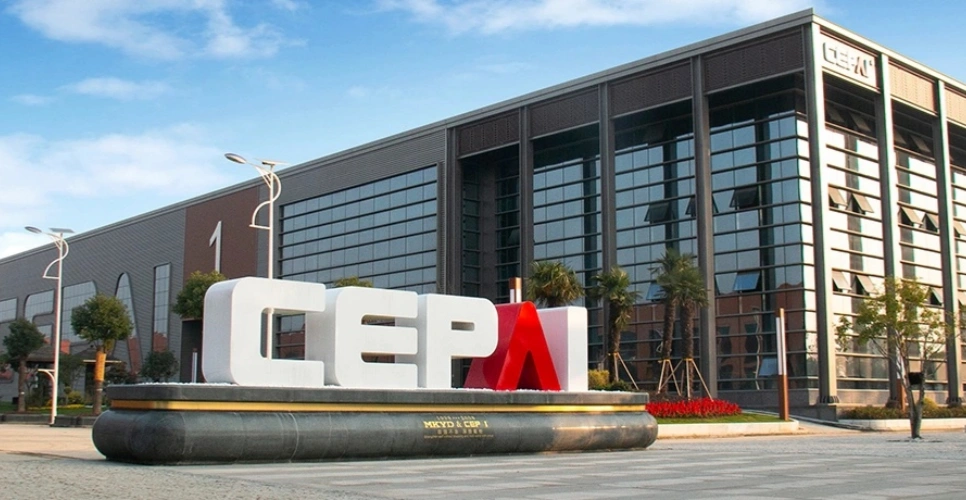
CEPAI Group has specialized in advanced fluid control solutions since 2009, with particular expertise in pneumatic ball valve design and manufacturing. Our ISO 9001 certified facility spans 56,000 square meters and incorporates intelligent manufacturing systems that ensure consistent quality and performance. The company holds comprehensive certifications including API 6A, API 6D, CE marking, and SIL certifications for ball valve applications. Our engineering team possesses deep expertise in torque optimization techniques, utilizing advanced materials science and precision manufacturing to deliver superior performance outcomes. With qualifications as suppliers to major energy companies including PetroChina, Sinopec, and CNOOC, CEPAI understands the demanding requirements of critical applications. Our products serve diverse industries from petrochemicals to water treatment, where reliable operation and optimized torque characteristics are essential. The company's commitment to continuous innovation has resulted in numerous patents and recognition as a national high-tech enterprise with specialized capabilities in fluid control device engineering.
Frequently Asked Questions
Q1: How does actuator type affect the torque requirement of pneumatic ball valves?
A: Actuator type significantly influences torque delivery characteristics and system efficiency. Double-acting actuators provide controlled force in both opening and closing directions, enabling smoother operation with reduced peak torque requirements. Single-acting spring-return designs require additional torque capacity to overcome spring compression forces, but offer fail-safe operation. Rack-and-pinion actuators typically provide higher torque output compared to scotch-yoke designs for equivalent sizes, while vane-type actuators offer compact solutions for lower torque applications.
Q2: What maintenance practices most effectively reduce torque demand?
A: Regular lubrication using appropriate lubricants maintains optimal friction conditions and prevents premature wear that increases torque over time. Systematic seal inspection identifies degradation before significant performance impacts occur. Proper packing adjustment ensures adequate sealing without excessive compression that creates unnecessary resistance. Periodic actuator calibration maintains optimal force output and prevents gradual drift that can mask developing torque issues.
Q3: Can upgrading valve materials alone significantly reduce torque?
A: Material upgrades provide substantial torque reduction benefits, particularly when transitioning to advanced low-friction seal compounds or improved surface treatments. However, optimal results require systematic approaches that address actuator sizing, installation practices, and maintenance procedures. The combination of material improvements with proper engineering analysis typically yields 30-50% torque reductions compared to individual improvements alone.
Partner with CEPAI for Advanced Pneumatic Ball Valve Solutions
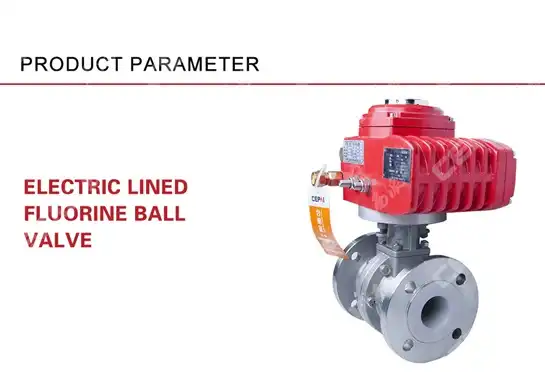
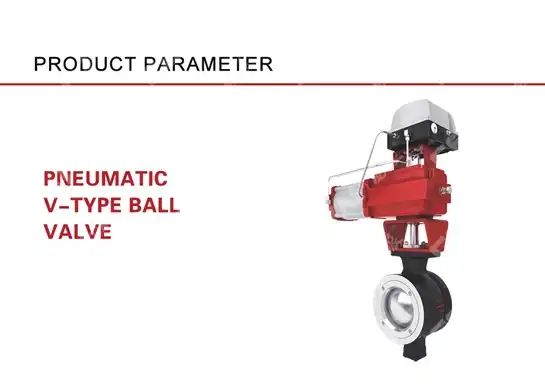
CEPAI's engineering expertise and advanced manufacturing capabilities deliver pneumatic ball valve solutions optimized for minimal torque requirements and maximum operational efficiency. Our comprehensive product range includes various sizes, materials, and actuator configurations tailored to specific application needs. The company's commitment to quality assurance, punctual delivery, and responsive technical support ensures successful project outcomes for procurement managers and engineering teams worldwide.
Our pneumatic ball valve manufacturer capabilities extend beyond standard products to include custom designs engineered for unique operating conditions. With extensive testing facilities and quality certifications, CEPAI provides reliable solutions backed by comprehensive technical documentation and support services. To explore how our torque-optimized valve solutions can enhance your system performance and reduce operational costs, contact us at cepai@cepai.com. Visit valveknowledge.jscepai.com for detailed technical specifications and application guidance.
Conclusion
Reducing torque requirements in pneumatic ball valve design requires systematic approaches combining advanced materials, proper actuator sizing, and optimized installation practices. CEPAI's expertise in these areas enables significant performance improvements that reduce operational costs while enhancing system reliability. Through careful attention to seal materials, surface treatments, and precision manufacturing, torque demands can be reduced by 30-50% compared to conventional designs. The investment in properly engineered solutions delivers substantial returns through reduced energy consumption, extended component life, and improved operational efficiency across diverse industrial applications.
References
1. American Petroleum Institute. "Specification for Wellhead and Christmas Tree Equipment API 6A." Twenty-first Edition, 2019.
2. Fisher Controls International. "Control Valve Handbook: Fourth Edition." Emerson Process Management, 2005.
3. International Society of Automation. "Control Valves: Practical Guides for Measurement and Control." Research Triangle Park, 2009.
4. Nesbitt, Brian. "Handbook of Valves and Actuators: Valves Manual International." Elsevier Science & Technology Books, 2007.
5. Skousen, Philip L. "Valve Handbook: Third Edition." McGraw-Hill Professional, 2011.
6. Zappe, R.W. "Valve Selection Handbook: Fifth Edition." Gulf Professional Publishing, 2004.
_1746598563385.webp)