Pneumatic Ball Valve systems serve as critical control components in modern refinery automation, utilizing compressed air to regulate fluid flow with exceptional precision and reliability. These automated valves operate through pneumatic actuators that respond to control signals, enabling rapid opening and closing actions essential for maintaining safe refinery operations. The integration of pneumatic technology with ball valve design creates a robust solution capable of handling high-pressure hydrocarbons, corrosive chemicals, and extreme temperature conditions commonly found in petroleum processing facilities.
Understanding Pneumatic Ball Valves in Refinery Automation
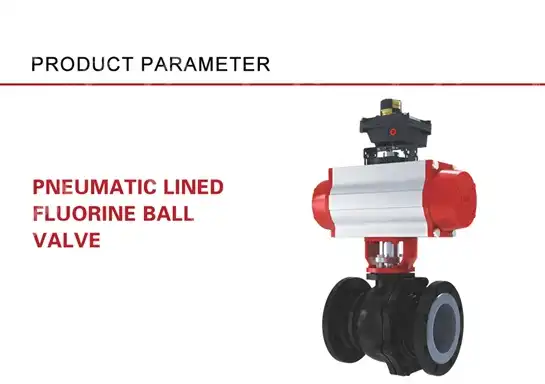
Compressed air systems are essential to the basic functioning of pneumatic actuated ball valves since they propel the valve mechanism through a quarter-turn motion. In refinery settings, this design offers a number of advantages over manually or electrically driven alternatives. By removing the requirement for electrical connections in dangerous locations, the pneumatic actuation lowers the risk of an explosion while preserving the quick reaction times necessary for emergency shutdown protocols. These valves are integrated with supervisory control and data acquisition (SCADA) platforms and distributed control systems (DCS) in contemporary refinery automation systems. Operators may adjust flow rates, keep an eye on valve positions, and get diagnostic feedback from distant places thanks to the integration. Position feedback sensors enable predictive maintenance techniques that reduce unscheduled downtime by providing real-time status information. The ball valve configuration offers superior sealing capabilities compared to other valve types, utilizing a spherical closure element that rotates within the valve body to control flow. When combined with pneumatic actuation, this design achieves tight shutoff characteristics essential for preventing product contamination and maintaining process integrity throughout the refinery complex.
Key Types of Pneumatic Ball Valves Used in Refineries
Refinery applications require careful selection of valve materials and configurations to withstand harsh operating conditions. The primary categories of pneumatic ball valves deployed in petroleum processing include floating ball, trunnion-mounted, and three-way configurations, each optimized for specific process requirements. Here are the essential valve types commonly specified in refinery automation:
- Floating Ball Design: Suitable for low to medium pressure applications up to 600 PSI, featuring a ball that moves slightly to ensure proper sealing against the downstream seat. This configuration provides reliable shutoff for product transfer lines and tank farm operations while maintaining cost-effectiveness for standard applications.
- Trunnion-Mounted Configuration: Engineered for high-pressure services exceeding 1000 PSI, incorporating additional support bearings that eliminate ball movement during operation. These valves excel in critical process lines where precise flow control and extended service life are paramount requirements.
- Three-Way Ball Valves: Enable diversion and mixing applications within complex process streams, allowing single-valve control of multiple flow paths. This design reduces installation complexity while providing enhanced operational flexibility for product blending and routing operations.
These specialized configurations address the diverse operational demands encountered across refinery units, from atmospheric distillation to catalytic cracking processes. Material selection typically involves stainless steel grades such as 316L or duplex alloys for enhanced corrosion resistance against sulfur compounds and acidic condensates.
Application Scenarios of Pneumatic Ball Valves in Refinery Automation
The versatility of pneumatic actuated valves enables deployment across numerous refinery processes, each presenting unique operational challenges and performance requirements. Emergency shutdown systems represent one of the most critical applications, where rapid valve closure prevents catastrophic incidents during process upsets or equipment failures. Product transfer operations between storage tanks and processing units rely heavily on automated ball valve systems for precise inventory management and contamination prevention. The pneumatic actuation provides the speed necessary for emergency isolation while maintaining the reliability required for routine transfer operations. Advanced control algorithms integrate valve positioning with flow measurement devices to achieve accurate batch transfers and product blending ratios. Catalyst circulation systems in fluid catalytic cracking units utilize specialized pneumatic ball valves designed to handle abrasive catalyst particles suspended in hydrocarbon streams. These applications demand enhanced seat materials and modified ball coatings to withstand erosive conditions while maintaining tight shutoff capabilities. The automation integration allows operators to adjust catalyst circulation rates based on feed quality and product specifications. Steam and utility systems throughout the refinery complex incorporate pneumatic ball valves for pressure regulation and system isolation during maintenance activities. The fail-safe characteristics of pneumatic actuators ensure proper valve positioning during air supply interruptions, maintaining system safety and operational continuity.
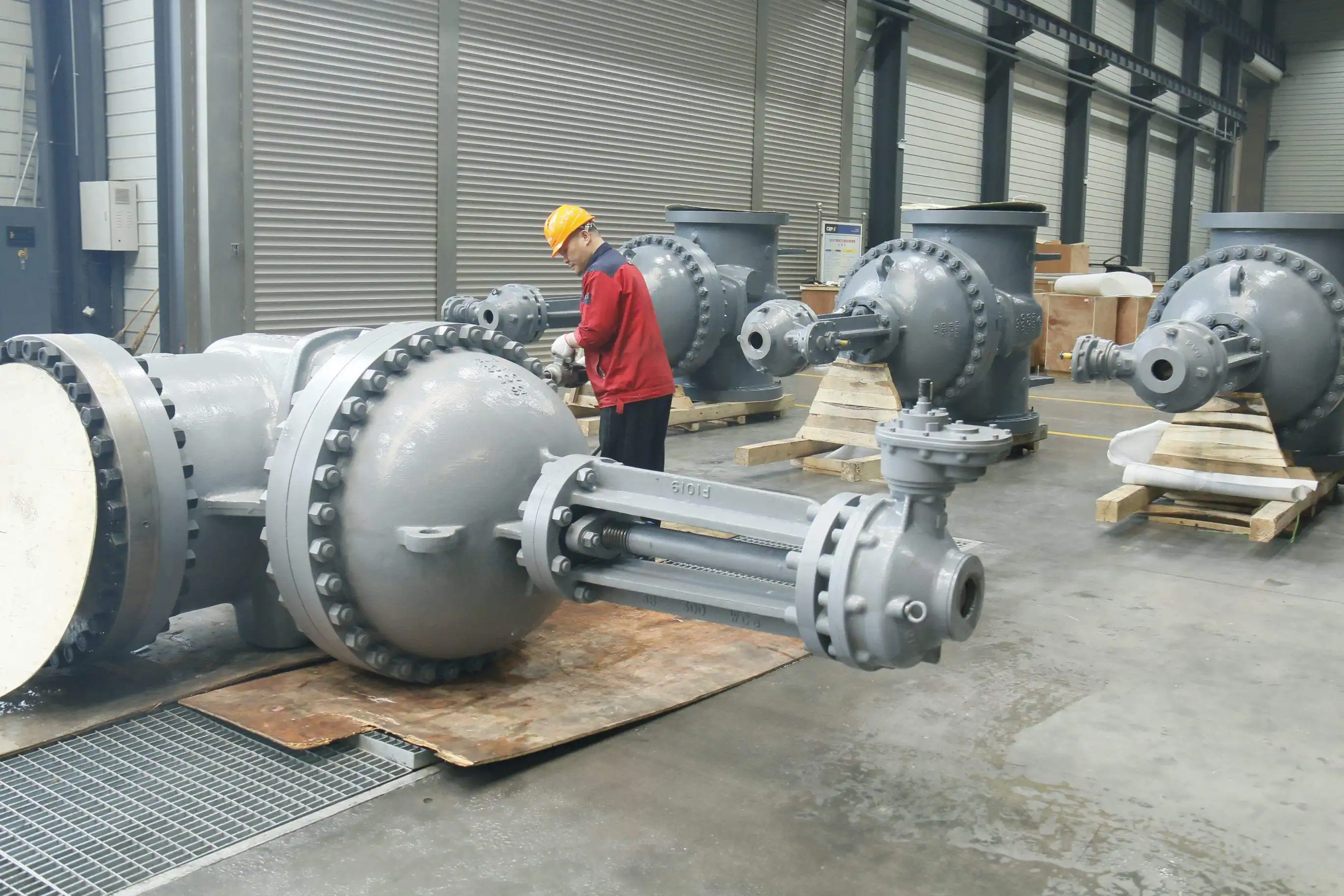
Maintenance and Troubleshooting of Pneumatic Ball Valves in Refineries
Effective maintenance programs for pneumatic ball valve systems require systematic approaches that address both mechanical components and control system integration. Preventive maintenance schedules typically incorporate quarterly inspections of actuator air supply systems, including filter replacement and moisture trap drainage to prevent contamination-related failures. Diagnostic capabilities built into modern valve positioners enable condition monitoring strategies that detect performance degradation before complete failure occurs. These systems monitor parameters such as actuator stroke time, supply pressure variations, and position feedback accuracy to identify emerging problems. Trending analysis of these parameters provides maintenance teams with actionable insights for optimizing replacement intervals and minimizing process disruptions. Common troubleshooting scenarios involve air leakage from actuator seals, which can compromise valve positioning accuracy and response time. Systematic leak detection procedures utilizing ultrasonic equipment help technicians locate problem areas without process shutdown requirements. Seal replacement procedures must consider compatibility with process fluids and operating temperatures to ensure long-term reliability. Control signal verification represents another critical maintenance activity, ensuring proper communication between distributed control systems and valve positioners. Signal conditioning equipment requires periodic calibration to maintain accuracy within specified tolerances, particularly in applications involving critical safety functions or precise flow control requirements.
Procurement Guidance for Pneumatic Ball Valves in Refinery Automation
Strategic procurement of pneumatic ball valves requires comprehensive evaluation of technical specifications, vendor capabilities, and long-term support requirements. The procurement process begins with detailed process analysis to determine appropriate valve sizing, pressure ratings, and material specifications that ensure optimal performance throughout the expected service life. Vendor qualification criteria should emphasize manufacturing quality certifications such as API 6D, API 598, and ISO 9001 standards that demonstrate compliance with petroleum industry requirements. Additionally, evaluation of research and development capabilities helps identify suppliers capable of providing customized solutions for unique process conditions or space constraints encountered in retrofit applications. Technical support capabilities represent crucial factors in vendor selection, particularly regarding automation integration assistance and troubleshooting expertise. Suppliers offering comprehensive documentation, training programs, and responsive field service support provide significant value beyond the initial equipment purchase. The availability of local service technicians familiar with specific valve designs reduces maintenance response times and minimizes production impacts during equipment issues. Cost analysis should consider total ownership expenses including energy consumption, maintenance requirements, and spare parts availability over the projected valve service life. While initial purchase price comparisons provide baseline information, lifecycle cost modeling reveals the true economic impact of different valve technologies and supplier options.

Partner with CEPAI for Advanced Pneumatic Ball Valve Solutions
CEPAI stands as a leading pneumatic ball valve manufacturer, delivering cutting-edge automation solutions specifically engineered for refinery applications worldwide. Our comprehensive product portfolio encompasses high-performance ball valves designed to meet the demanding requirements of petroleum processing environments, backed by extensive research and development capabilities that drive continuous innovation. Our intelligent manufacturing facilities, recognized as Jiangsu Province Smart Factory and Internet benchmarking Factory, utilize advanced production technologies to ensure consistent quality and precision in every valve assembly. The ISO 9001 quality management system governs all manufacturing processes, while specialized certifications including API 6D and SIL ratings validate our commitment to industry standards and safety requirements.
As a pneumatic ball valve supplier with proven expertise in refinery automation, CEPAI provides end-to-end support from initial design consultation through installation, commissioning, and ongoing maintenance services. Our technical team collaborates closely with refinery engineers to develop customized solutions that optimize process performance while maintaining the highest safety standards. The company's extensive qualification portfolio, including API certifications and CNAS laboratory recognition, demonstrates our capability to deliver reliable valve solutions for critical applications.
Experience the advantages of working with a trusted partner committed to excellence in valve technology and customer service. For detailed technical specifications and application guidance, contact us at cepai@cepai.com or visit valveknowledge.jscepai.com for comprehensive product information and technical resources.
Frequently Asked Questions
Q1: What are the main advantages of pneumatic ball valves compared to electric actuators in refinery environments?
A: Pneumatic ball valves offer superior safety in hazardous areas due to their intrinsically safe operation without electrical components. They provide faster response times, typically achieving full stroke in 1-3 seconds compared to 15-30 seconds for electric actuators. Additionally, pneumatic systems maintain fail-safe positioning during power outages, crucial for refinery safety systems.
Q2: How do you determine the proper sizing for pneumatic ball valves in refinery applications?
A: Proper sizing requires analysis of flow coefficients (Cv), pressure drop calculations, and consideration of process fluid properties including viscosity and density. The valve should be sized to operate between 20-80% open under normal conditions, allowing for control flexibility while avoiding cavitation or excessive pressure drop that could impact process efficiency.
Q3: What maintenance intervals are recommended for pneumatic ball valves in continuous refinery operations?
A: Maintenance intervals depend on service conditions, but typical schedules include monthly visual inspections, quarterly actuator lubrication and air system checks, and annual complete disassembly for internal component inspection. Critical service applications may require more frequent monitoring using online diagnostic tools to predict maintenance needs before failures occur.
Conclusion
Pneumatic ball valves represent essential components in modern refinery automation systems, providing reliable flow control and safety isolation capabilities across diverse process applications. The combination of robust mechanical design with responsive pneumatic actuation delivers the performance characteristics necessary for safe and efficient petroleum processing operations. Successful implementation requires careful consideration of valve specifications, vendor capabilities, and maintenance requirements to achieve optimal long-term performance. As refinery automation continues evolving toward more sophisticated control strategies, pneumatic ball valve technology remains fundamental to achieving operational excellence and safety objectives in petroleum processing facilities.
References
1. American Petroleum Institute. "API 6D: Pipeline Valves." 24th Edition, Washington, DC: API Publishing Services, 2022.
2. Fisher, W.R. and Johnson, M.K. "Automation Technologies in Modern Petroleum Refineries." Journal of Process Control Engineering, Vol. 45, No. 3, 2023, pp. 127-145.
3. International Society of Automation. "Control Valves: Practical Guides for Measurement and Control." 3rd Edition, Research Triangle Park, NC: ISA Publications, 2023.
4. Smith, D.L., Anderson, P.J., and Chen, L. "Pneumatic Actuation Systems for Hazardous Area Applications." Industrial Automation Quarterly, Vol. 28, No. 2, 2023, pp. 89-104.
5. Thompson, R.A. "Valve Selection and Application Guidelines for Petroleum Processing Industries." Houston: Gulf Professional Publishing, 2022.
6. United States Environmental Protection Agency. "Leak Detection and Repair: A Best Practices Guide." EPA Office of Air Quality Planning and Standards, Washington, DC, 2023.