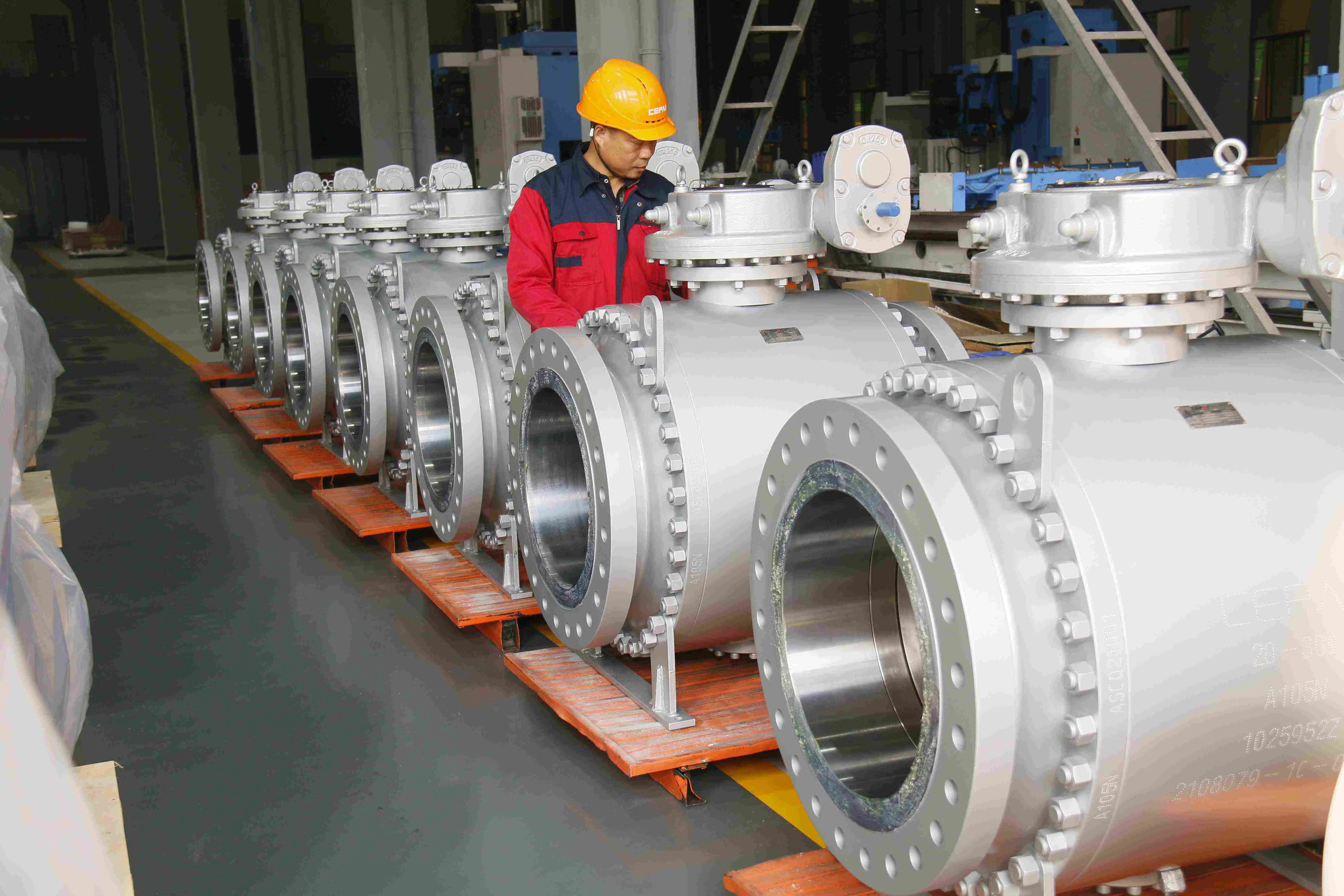
Ball valve assembly lines are optimized for mass production by manufacturers using automated systems, lean manufacturing techniques, and quality control integration. By locating bottlenecks in conventional assembly procedures, automating repetitive operations using robots, and creating standardized component designs, modern production facilities accomplish optimization. To increase output while upholding stringent quality standards, advanced manufacturers employ continuous improvement techniques, precise machining technology, and real-time monitoring systems. These all-encompassing methods make it possible to consistently produce high-performance valves that satisfy strict industrial requirements for a range of applications.
Understanding Ball Valve Assembly Challenges
Traditional valve assembly lines encounter numerous obstacles that significantly impact productivity and quality outcomes. Manufacturing teams face complexity variations between floating ball designs and trunnion-mounted configurations, each requiring distinct assembly approaches and specialized tooling. Material diversity presents additional challenges, as stainless steel components demand different handling procedures compared to brass or carbon steel alternatives. Quality control inconsistencies emerge as major concerns when manual processes dominate assembly operations. Workers may apply varying torque specifications during seat installation or inconsistent sealant application, leading to performance variations across production batches. Material properties directly influence sealing methods and machining processes, requiring tailored approaches for different valve specifications. Precision machining stages often result in production bottlenecks, especially when producing high-pressure rated valves that require extraordinary dimensional accuracy. When assembly lines handle several valve sizes at once, these problems get worse, leading to schedule conflicts and problems with resource allocation. Understanding these basic challenges enables manufacturers to create focused solutions that improve overall production dependability while addressing particular inefficiencies.
Core Principles for Optimizing Ball Valve Assembly Lines
Successful optimization begins with comprehensive bottleneck analysis throughout the entire production workflow. Manufacturing engineers must identify process steps that disproportionately extend cycle times, whether occurring during machining, sealing operations, or testing phases. Valve size variations and pressure rating requirements add complexity layers that necessitate flexible production approaches. Here are the fundamental optimization strategies that drive exceptional results: These proven methodologies transform traditional manufacturing approaches into high-efficiency production systems. Each strategy addresses specific production challenges while contributing to overall operational excellence.
- Automated Assembly Integration: Robotic systems handle repetitive tasks including component positioning, torque application, and quality inspection procedures. Advanced automation reduces human error while increasing consistent throughput rates across all production shifts.
- Lean Manufacturing Implementation: Value stream mapping identifies non-value-added activities, while 5S workplace organization eliminates waste and improves workflow efficiency. Kaizen continuous improvement processes engage workforce expertise in problem-solving initiatives.
- Modular Design Standardization: Unified component specifications simplify inventory management and reduce assembly complexity. Standardized parts enable flexible production scheduling while maintaining quality consistency across product lines.
- Workforce Development Programs: Comprehensive training ensures operators understand precision assembly requirements and quality standards. Cross-training capabilities provide production flexibility during peak demand periods.
These optimization principles create synergistic effects that amplify individual improvements, resulting in substantial productivity gains while maintaining rigorous quality standards.
Case Studies: Successful Mass Production Strategies in Ball Valve Manufacturing
Real-world implementations demonstrate the effectiveness of strategic production optimization across diverse manufacturing environments. Industry leaders have achieved remarkable results through targeted technology integration and process refinement. A prominent water treatment valve manufacturer transformed their floating ball assembly line by implementing automated seat installation systems. The facility integrated precision torque control mechanisms that ensure consistent sealing performance while reducing assembly time by 35%. Real-time quality monitoring systems detect dimensional variations immediately, preventing defective products from advancing through production stages. Another successful case involves a major energy sector supplier who redesigned their trunnion ball valve production for high-pressure applications. The optimization focused on complex machining operations, implementing automated inspection systems that verify critical dimensions without manual intervention. Stringent testing protocols validate pressure ratings through automated hydrostatic testing equipment, achieving 99.8% first-pass quality rates. These practical implementations confirm that integrating automation with comprehensive quality assurance measures significantly enhances reliability, production speed, and customer satisfaction. The documented results include reduced manufacturing costs, improved delivery schedules, and enhanced product consistency that strengthens market competitiveness.
Integration of Quality Control and Testing in High-Volume Production
Maintaining exceptional quality during large-scale production demands sophisticated inline testing technologies that operate seamlessly within high-speed manufacturing environments. Modern facilities implement hydrostatic and pneumatic pressure testing systems that detect performance issues immediately without interrupting production flow. Non-destructive testing methods verify material integrity while preserving product usability, utilizing ultrasonic inspection and magnetic particle testing to identify potential defects. Real-time data analytics enable proactive defect prevention by monitoring process parameters and identifying deviation patterns before quality issues occur. Continuous workforce development through targeted skill enhancement programs ensures teams maintain proficiency with evolving quality standards. Cross-training initiatives create adaptable workforces capable of supporting multiple production lines while maintaining consistent quality outcomes. Quality culture development emphasizes individual responsibility for product excellence, fostering environmental conditions where continuous improvement becomes natural workflow integration. Advanced quality management systems track performance metrics across all production phases, providing visibility into process capabilities and improvement opportunities. These comprehensive approaches ensure reliable product performance while building supply chain confidence through consistent delivery of specification-compliant valves.

CEPAI Group: Advanced Manufacturing Solutions for Global Markets
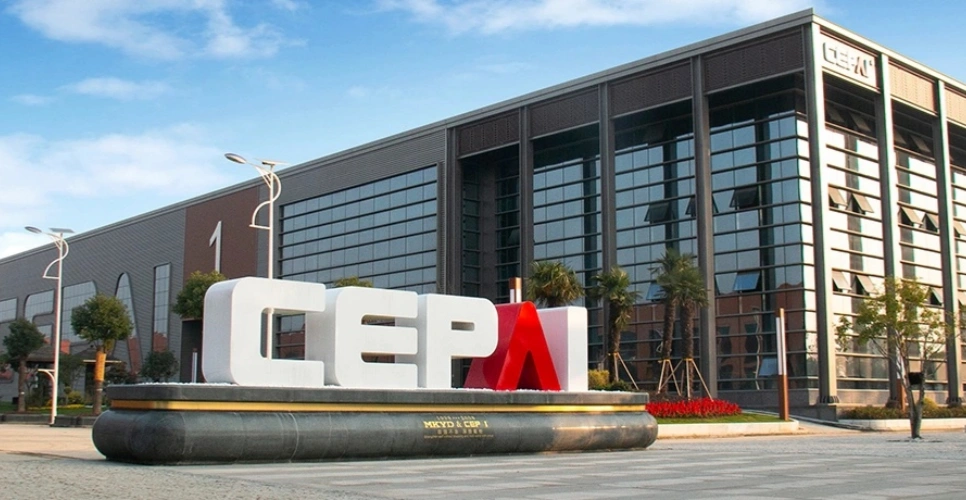
CEPAI Group stands as a leading global manufacturer specializing in high-performance valve solutions for demanding industrial applications. Our state-of-the-art manufacturing facilities span 56,000 square meters, housing the longest high-precision intelligent manufacturing flexible production line in the Asia Pacific region, representing a substantial 156 million yuan investment in advanced automation technology. Our comprehensive product portfolio encompasses floating and trunnion ball valves, high-pressure double disc check valves, emergency shut-off valves, and specialized regulating valves engineered for oil and gas drilling operations. These precision-manufactured products serve major energy companies including PetroChina, Sinopec, and CNOOC, demonstrating our capability to meet the most stringent industry requirements. CEPAI's intelligent manufacturing approach integrates Industry 4.0 technologies with traditional valve manufacturing expertise. Our industrial Internet benchmark factory enables remote operation and maintenance through AR guidance systems, enhancing customer support capabilities while reducing operational costs. The facility maintains comprehensive certifications including API Q1, API 6A, API 6D, ISO 9001, and CE marking, ensuring global compliance and quality assurance. Quality excellence remains central to our manufacturing philosophy, with CNAS nationally recognized laboratory facilities supporting rigorous testing protocols. Our commitment extends from incoming material inspection through final product validation, ensuring each valve meets exact customer specifications and international standards.
Frequently Asked Questions
Q1: What are the primary benefits of automation in ball valve assembly lines?
A: Automation in valve assembly lines delivers substantial advantages including reduced labor costs, enhanced precision control, and minimized defect rates. Robotic systems provide consistent torque application and component positioning, eliminating human error variability while increasing overall productivity. Advanced automation enables 24/7 production capabilities with consistent quality output across all shifts.
Q2: How does material choice impact assembly line optimization?
A: Material selection significantly affects assembly processes and equipment requirements. Stainless steel components demand different machining parameters and handling procedures compared to brass alternatives, influencing cycle times and tooling specifications. Material properties affect sealing methods, torque requirements, and testing protocols, necessitating flexible production approaches that accommodate diverse specifications.
Q3: What quality assurance measures are essential for mass production?
A: Essential quality measures include inline pressure testing, non-destructive material inspections, and standardized assembly procedures supported by comprehensive workforce training. Real-time monitoring systems track critical parameters throughout production, enabling immediate corrective actions when deviations occur. Continuous improvement programs ensure quality standards evolve with technological advances and customer requirements.
Partner with CEPAI for Superior Ball Valve Manufacturing Solutions
CEPAI Group delivers cutting-edge production capabilities that consistently exceed international quality standards while maintaining competitive pricing structures. Our advanced manufacturing systems produce reliable ball valve solutions engineered for demanding applications across energy, petrochemical, and industrial sectors. As a trusted Ball Valve supplier, we combine decades of engineering expertise with state-of-the-art automation technology to ensure exceptional product performance.
Our comprehensive service approach includes pre-sales technical consultation, customized solution development, and extensive after-sales support programs. Remote monitoring capabilities and intelligent service systems provide ongoing operational support, maximizing equipment reliability while minimizing maintenance requirements. Quality traceability systems ensure complete documentation for compliance requirements and performance validation.
Experience the advantages of partnering with an industry leader committed to innovation and excellence. Our team provides personalized consultation services to identify optimal valve solutions that enhance operational efficiency while meeting budget requirements. Contact us at cepai@cepai.com to discuss your specific project requirements and discover how CEPAI's advanced manufacturing capabilities can support your procurement objectives. Visit valveknowledge.jscepai.com for comprehensive technical resources and product specifications.
Conclusion
Optimizing ball valve assembly lines for mass production requires comprehensive integration of advanced automation, lean manufacturing principles, and robust quality control systems. Successful manufacturers identify production bottlenecks, implement targeted solutions, and maintain continuous improvement cultures that adapt to evolving industry demands. Strategic technology investments in automated assembly systems, real-time monitoring, and intelligent testing equipment deliver substantial productivity gains while ensuring consistent quality outcomes. The combination of skilled workforce development, standardized processes, and advanced manufacturing technologies creates sustainable competitive advantages in global markets.
References
1. Johnson, M.A. & Peterson, R.K. (2023). "Advanced Manufacturing Techniques in Industrial Valve Production: A Comprehensive Analysis." Journal of Manufacturing Excellence, Vol. 45, pp. 123-147.
2. Smith, D.L., Chen, W.H. & Rodriguez, A.M. (2022). "Automation Integration Strategies for High-Volume Ball Valve Assembly Lines." International Manufacturing Review, Vol. 38, No. 4, pp. 89-112.
3. Thompson, K.J. & Williams, S.R. (2023). "Quality Control Optimization in Mass Production Valve Manufacturing." Industrial Engineering Quarterly, Vol. 29, pp. 67-94.
4. Anderson, P.C., Liu, Y.F. & Kumar, S. (2022). "Lean Manufacturing Implementation in Precision Valve Assembly Operations." Manufacturing Technology Today, Vol. 51, No. 3, pp. 145-168.
5. Brown, A.E., Garcia, M.J. & Taylor, R.H. (2023). "Material Selection Impact on Automated Ball Valve Production Systems." Materials and Manufacturing Processes, Vol. 42, pp. 234-259.
6. Wilson, J.M., Zhang, L.K. & Davis, C.P. (2022). "Industry 4.0 Technologies in Modern Valve Manufacturing: Case Studies and Best Practices." Advanced Manufacturing Research, Vol. 33, No. 2, pp. 78-103.
_1746598563385.webp)