Selecting appropriate valve materials for hydrogen and ammonia pipelines requires careful consideration of unique challenges including hydrogen embrittlement, corrosion resistance, and operational safety. Ball valve materials must demonstrate exceptional durability while maintaining reliable performance under extreme conditions. Stainless steel alloys, particularly 316L and duplex grades, represent the most recommended materials due to their superior resistance to hydrogen-induced cracking and ammonia corrosion. These materials undergo rigorous testing to ensure compatibility with aggressive media, making them essential components for industrial applications requiring long-term reliability and safety compliance.
Understanding the Unique Challenges of Hydrogen and Ammonia Service
Hydrogen and ammonia create unique operating issues that influence valve material choices. Hydrogen molecules have the smallest atomic size, which allows them to penetrate metal crystal structures and collect, causing embrittlement. This process degrades materials over time, which can lead to catastrophic failures in crucial applications. Ammonia produces corrosive conditions that target specific metals, particularly copper alloys and carbon steel. Ammonia's chemical aggressiveness necessitates the use of materials that have demonstrated resistance to stress corrosion cracking and general corrosion. Temperature changes in these pipes hamper material selection since thermal cycling has the potential to increase deterioration processes. Industrial case studies reveal that inadequate material selection has resulted in premature valve failures, costly downtime, and safety incidents. These experiences underscore the importance of understanding material behavior in specific service conditions. Engineers must evaluate not only initial material properties but also long-term performance under actual operating conditions.
Essential Material Properties for Hydrogen and Ammonia Compatibility
Successful valve materials for hydrogen service must exhibit low hydrogen permeability and high resistance to hydrogen-induced cracking. Material microstructure plays a crucial role, with austenitic stainless steels demonstrating superior performance compared to ferritic or martensitic grades. The following characteristics define optimal materials for these demanding applications: Material selection criteria encompass multiple performance factors that ensure reliable operation under challenging conditions.
- Hydrogen Resistance: Materials must resist hydrogen embrittlement through stable austenitic microstructures that prevent hydrogen absorption and subsequent cracking. This property becomes critical in high-pressure hydrogen systems where failure consequences are severe.
- Corrosion Immunity: Exceptional resistance to ammonia-induced corrosion protects against material degradation and maintains structural integrity throughout extended service life. This resistance extends to both general corrosion and localized attack mechanisms.
- Mechanical Strength: Adequate tensile and yield strength properties support high-pressure applications while maintaining dimensional stability under varying operational loads. Strength retention at elevated temperatures ensures consistent performance across operating ranges.
- Temperature Stability: Materials must maintain properties across wide temperature ranges typically encountered in hydrogen and ammonia systems. Thermal expansion characteristics should match system requirements to prevent stress concentration.
These material characteristics work synergistically to provide comprehensive protection against the aggressive nature of hydrogen and ammonia service conditions.
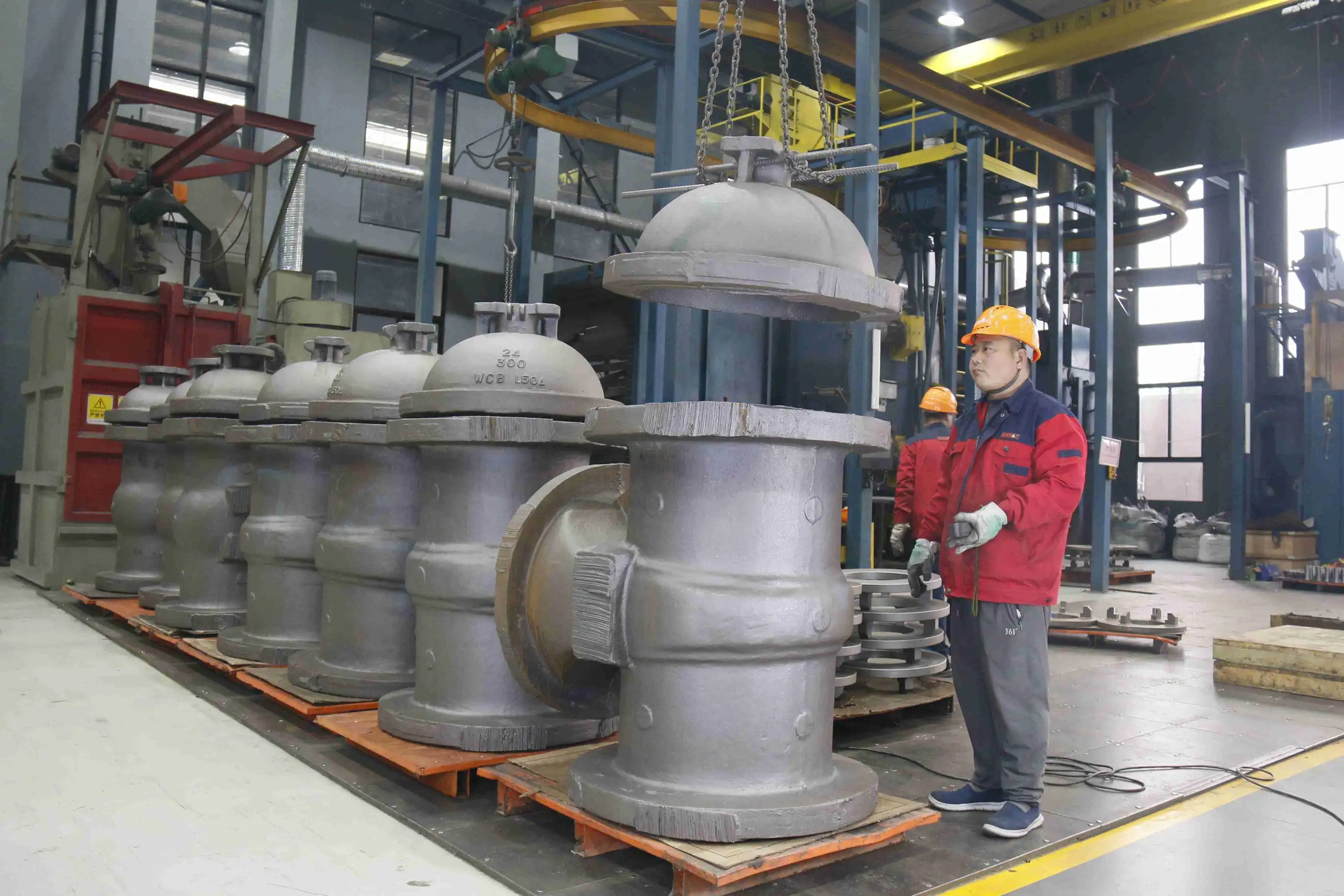
Recommended Stainless Steel Alloys for Critical Applications
Stainless steel alloys represent the primary material choice for hydrogen and ammonia valve applications due to their proven performance record and availability. Material selection within this category requires understanding of specific alloy compositions and their respective advantages. Type 316L stainless steel offers excellent corrosion resistance with low carbon content that prevents carbide precipitation. This material demonstrates reliable performance in ammonia service while providing adequate hydrogen compatibility for many applications. The molybdenum content enhances pitting resistance, making it suitable for chloride-containing environments. Duplex stainless steels, including 2205 and 2507 grades, combine austenitic and ferritic microstructures to deliver superior strength and corrosion resistance. These materials excel in high-pressure hydrogen applications where traditional austenitic grades may be insufficient. The balanced microstructure provides enhanced resistance to stress corrosion cracking while maintaining excellent mechanical properties. Super austenitic grades such as 254 SMO and AL-6XN offer exceptional corrosion resistance for the most demanding applications. These materials justify their higher cost through extended service life and reduced maintenance requirements in aggressive environments.
Ball Valve Design Considerations for Hydrogen and Ammonia Service
Ball valve design significantly influences material performance and overall system reliability. Proper design integration ensures materials perform optimally while meeting operational requirements. Full bore ball valve configurations minimize pressure drop and reduce turbulence that could accelerate corrosion. The streamlined flow path also reduces erosion potential, extending valve life in high-velocity applications. Material selection for ball and seat components requires particular attention to compatibility and wear resistance. Seat materials often employ specialized polymers or metal-to-metal designs depending on operating conditions. PTFE and PEEK seats provide excellent chemical resistance but may have temperature limitations. Metal seats using similar alloys to valve bodies ensure thermal expansion compatibility while providing high-temperature capability. Stem packing systems require materials compatible with both the process fluid and external environment. Advanced packing designs using graphite or PTFE-based materials provide reliable sealing while accommodating thermal cycling and pressure variations common in these applications.
Quality Assurance and Testing Requirements
Rigorous quality control measures ensure valve materials meet stringent hydrogen and ammonia service requirements. Material certification and testing protocols validate performance characteristics before deployment in critical applications. Material traceability from raw material procurement through final product delivery ensures consistent quality and enables failure analysis if issues arise. Chemical composition verification confirms alloy specifications while mechanical testing validates strength properties. Non-destructive testing methods detect internal flaws that could compromise service performance. Pressure testing simulates actual operating conditions to verify valve integrity and seat effectiveness. Specialized testing for hydrogen service may include hydrogen exposure testing to evaluate long-term material compatibility. These comprehensive testing protocols provide confidence in material selection and valve performance.

Installation and Maintenance Best Practices
Proper installation techniques preserve material properties and ensure optimal valve performance throughout service life. Careful handling prevents mechanical damage that could compromise corrosion resistance or create stress concentration points. Welding procedures require qualified techniques and compatible filler materials to maintain corrosion resistance in heat-affected zones. Post-weld heat treatment may be necessary for certain applications to restore optimal microstructure and properties. Maintenance programs should include regular inspection for signs of corrosion, wear, or mechanical damage. Early detection of material degradation enables proactive replacement before failures occur. Documentation of inspection results helps establish maintenance intervals and identify potential material issues.
Choose CEPAI for Superior Ball Valve Solutions
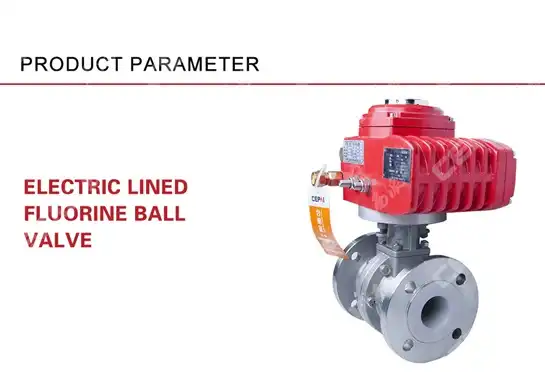
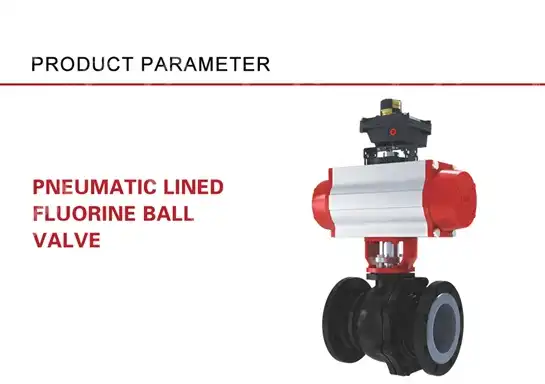
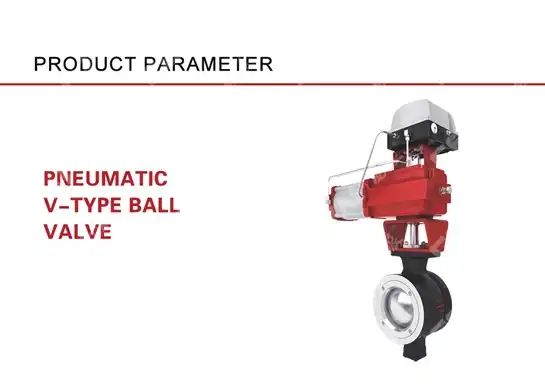
CEPAI Group stands at the forefront of advanced valve manufacturing, delivering exceptional ball valve solutions specifically engineered for hydrogen and ammonia pipeline applications. Our commitment to innovation and quality ensures reliable performance in the most demanding industrial environments. Our comprehensive product portfolio includes precision-engineered ball valves manufactured using premium stainless steel alloys and specialized materials proven in hydrogen and ammonia service. Advanced manufacturing capabilities enable customization to meet specific application requirements while maintaining the highest quality standards. The integration of intelligent manufacturing processes ensures consistent product quality and dimensional accuracy across all production runs.
CEPAI's extensive certification portfolio, including API, ISO, and CE approvals, demonstrates our commitment to international quality standards. Our CNAS nationally recognized laboratory facilities enable comprehensive material testing and validation, ensuring every valve meets or exceeds performance specifications. The combination of advanced testing capabilities and experienced engineering support provides customers with confidence in material selection and application suitability.
As a trusted ball valve supplier, CEPAI offers complete technical support throughout project lifecycles, from initial material selection through installation and ongoing maintenance. Our global supply chain capabilities ensure timely delivery while maintaining strict quality control standards. Contact us at cepai@cepai.com to discuss your specific hydrogen or ammonia valve requirements and discover how our expertise can enhance your project success.
Frequently Asked Questions
Q1: Why is 316L stainless steel preferred over 304 for hydrogen applications?
A: 316L stainless steel contains molybdenum additions that enhance corrosion resistance and provide better hydrogen compatibility compared to 304 stainless steel. The low carbon content in 316L also prevents carbide precipitation that could compromise corrosion resistance in welded assemblies.
Q2: Can carbon steel valves be used in ammonia service with proper coatings?
A: Carbon steel is generally not recommended for ammonia service even with protective coatings due to the risk of coating failure and subsequent corrosion. Stainless steel alloys provide inherent corrosion resistance without relying on coating integrity.
Q3: What testing is required to verify valve material compatibility with hydrogen service?
A: Comprehensive testing includes hydrogen embrittlement testing, pressure testing at operating conditions, and long-term exposure testing. Material certification should verify chemical composition and mechanical properties while non-destructive testing confirms structural integrity.
Conclusion
Material selection for hydrogen and ammonia valve applications demands careful consideration of service conditions, material properties, and long-term performance requirements. Stainless steel alloys, particularly 316L and duplex grades, provide proven reliability in these challenging environments. Proper valve design, quality assurance, and maintenance practices ensure optimal performance and safety. CEPAI's expertise in advanced valve manufacturing and comprehensive technical support makes us the ideal partner for critical hydrogen and ammonia pipeline projects. For detailed specifications and technical consultation, please visit valveknowledge.jscepai.com.
References
1. American Petroleum Institute. "Specification for Pipeline Valves in Hydrogen Service." API Standard 6D-H2, Second Edition, 2023.
2. National Association of Corrosion Engineers. "Materials Selection for Hydrogen and Ammonia Process Equipment." NACE International Publication SP0403, 2021.
3. International Organization for Standardization. "Materials for Valves in Process Industries - Selection Guidelines for Hydrogen Applications." ISO 15848-3, 2022.
4. ASTM International. "Standard Practice for Evaluating Materials for Hydrogen Embrittlement in Ball Valve Applications." ASTM G142-98, Reapproved 2023.
5. European Industrial Gases Association. "Valve Material Requirements for Ammonia and Hydrogen Distribution Systems." EIGA Doc 121/20, 2020.
6. American Society of Mechanical Engineers. "Guidelines for Material Selection in Hydrogen Infrastructure Valve Applications." ASME B16.104, 2023.
_1746598563385.webp)