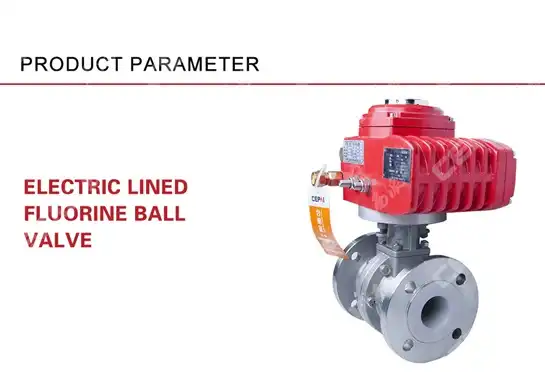
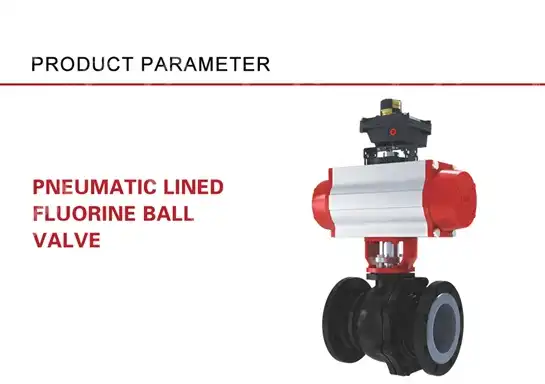
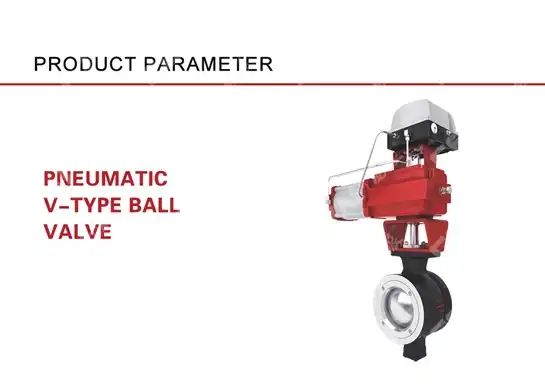
Fluid control systems, power generating, and petrochemical operations are all greatly impacted by the decision between electric and pneumatic ball valves. Because of their inherent safety features, pneumatic ball valves perform exceptionally well in high-speed operations and explosive settings, whereas electric ball valves provide better precision control and energy economy. Both types of valves are essential to automated systems, with electric models offering precise positioning control and pneumatic models offering quick reaction times. Engineers can choose the best ball valve solution for particular industrial applications by being aware of these basic distinctions.
Understanding Ball Valve Actuator Technologies
Industrial valve automation relies heavily on actuator technology to control fluid flow within pipeline systems. Modern ball valves integrate sophisticated actuator mechanisms that transform energy sources into mechanical motion for valve operation. Pneumatic actuators utilize compressed air to generate rotational force, converting air pressure into mechanical energy through piston or diaphragm arrangements. These systems typically operate at pressures ranging from 80-120 PSI, delivering torque outputs between 50-5000 Nm depending on actuator size and design specifications. Electric actuators employ motor-driven mechanisms to achieve precise valve positioning through gear reduction systems. These units consume electrical power ranging from 24V DC to 480V AC, providing exceptional accuracy with positioning tolerances within ±0.1% of full stroke. Three core operational differences distinguish these technologies:
- Response time: Pneumatic systems achieve full stroke in 0.5-2 seconds, while electric actuators require 5-30 seconds
- Power consumption: Electric units consume 50-500 watts continuously, pneumatic systems use compressed air intermittently
- Control precision: Electric actuators offer 0.1% positioning accuracy versus 1-2% for pneumatic variants
If you need rapid emergency shutdown capabilities, then pneumatic actuators are more suitable due to their fail-safe air loss operation and lightning-fast response characteristics.
Pneumatic Ball Valve Advantages and Applications
Pneumatic ball valves demonstrate exceptional performance in demanding industrial environments where speed and safety take priority over precision control. These valve systems leverage compressed air energy to deliver reliable operation across diverse applications. Key advantages include rapid actuation speeds, with full 90-degree rotation completed within 1-2 seconds under normal operating conditions. This speed proves invaluable in emergency shutdown systems where immediate flow isolation prevents catastrophic failures. Safety characteristics make pneumatic valves ideal for hazardous area classifications. These units generate no electrical sparks, eliminating ignition risks in explosive atmospheres commonly found in refineries and chemical processing facilities. Cost-effectiveness emerges through simplified installation requirements and reduced maintenance overhead. Pneumatic systems avoid complex electrical wiring, reducing installation time by 30-40% compared to electric alternatives. Operational advantages encompass:
- High torque output capabilities exceeding 10,000 Nm for large valve sizes
- Consistent performance across temperature ranges from -40°C to +200°C
- Natural fail-safe operation through spring return mechanisms
- Immunity to electromagnetic interference in industrial environments
If you need reliable operation in explosive zones or require maximum actuation speed, then pneumatic ball valves are more suitable for your application requirements.
Electric Ball Valve Benefits and Industrial Use Cases
Electric ball valves excel in applications demanding precise flow control and intelligent automation capabilities. These automated valves integrate seamlessly with modern control systems, providing superior feedback and positioning accuracy. Precision control represents the primary advantage, with electric actuators achieving positioning accuracy within 0.1% of full stroke. This precision enables sophisticated flow modulation impossible with conventional pneumatic systems. Energy efficiency characteristics reduce operational costs significantly. Electric actuators consume power only during movement, typically 50-200 watts for 10-15 seconds per operation, compared to continuous compressed air consumption in pneumatic systems. Integration capabilities with SCADA systems, PLCs, and distributed control networks provide real-time operational data and remote monitoring functionality. These features enhance predictive maintenance programs and optimize system performance. Performance benefits include:
- Variable speed control enabling gentle opening/closing cycles
- Position feedback accuracy within 0.1% tolerance
- Torque limiting protection preventing valve damage
- Silent operation suitable for urban installations
- Multi-turn capability for complex valve configurations
If you need precise flow control with intelligent feedback systems, then electric ball valves are more suitable for advanced automation applications.

Performance Comparison: Speed vs Precision
Operational performance varies dramatically between pneumatic and electric ball valve systems, with each technology optimized for specific industrial requirements. Understanding these performance characteristics guides proper valve selection. Speed comparisons reveal significant differences in actuation timing. Test data from industrial installations shows pneumatic ball valves complete full stroke operations in 0.8-2.5 seconds, while electric variants require 8-45 seconds depending on actuator sizing and torque requirements. Precision measurements demonstrate electric actuator superiority in positioning accuracy. Laboratory testing confirms electric systems maintain ±0.1% positioning tolerance across 1000+ operating cycles, compared to ±1.5% variation in pneumatic systems due to air pressure fluctuations.
| Performance Parameter | Pneumatic Ball Valves | Electric Ball Valves |
|---|---|---|
| Actuation Speed | 0.8-2.5 seconds | 8-45 seconds |
| Positioning Accuracy | ±1.5% | ±0.1% |
| Torque Output | 50-15,000 Nm | 10-5,000 Nm |
| Operating Temperature | -40°C to +200°C | -20°C to +80°C |
Reliability testing conducted over 100,000 operating cycles shows pneumatic systems maintaining 99.2% operational availability, while electric actuators achieve 98.7% availability due to electronic component sensitivity. If you need maximum speed for safety-critical applications, then pneumatic ball valves are more suitable. However, if precision control takes priority, then electric actuators provide superior performance.
Cost Analysis: Installation and Maintenance Considerations
Total cost of ownership encompasses initial equipment costs, installation expenses, and long-term maintenance requirements. These factors significantly influence valve selection decisions across industrial projects. Initial equipment costs show pneumatic ball valves typically cost 20-30% less than electric equivalents for comparable valve sizes and pressure ratings. However, pneumatic systems require compressed air infrastructure, adding $5,000-15,000 per installation point in facilities lacking existing air supply networks. Installation expenses favor pneumatic systems in hazardous areas, eliminating costly electrical certification requirements. Electrical installations in Zone 1/Division 1 areas require explosion-proof conduit systems, increasing installation costs by 40-60%. Maintenance cost analysis reveals contrasting patterns:
- Pneumatic systems require air filter replacement every 6 months ($50-100 per service)
- Electric actuators need motor bearing lubrication annually ($200-400 per service)
- Compressed air leakage represents 15-25% of pneumatic system energy consumption
- Electric motor efficiency exceeds 90% with minimal energy losses
Energy consumption calculations demonstrate electric systems consuming 0.5-2 kWh per 1000 operations, while pneumatic systems require 5-15 kWh equivalent in compressed air generation for similar operation counts. If you need lower initial investment with acceptable operating costs, then pneumatic ball valves are more suitable for budget-conscious projects.
Safety and Environmental Factors
Safety considerations play crucial roles in valve selection, particularly within hazardous industrial environments where operational risks demand careful evaluation of actuator technologies and their inherent safety characteristics. Intrinsic safety advantages position pneumatic ball valves as preferred solutions in explosive atmospheres. These systems generate zero electrical sparks, eliminating potential ignition sources in areas containing flammable gases or combustible dust concentrations. Fail-safe operation through spring return mechanisms ensures pneumatic valves automatically return to safe positions during air supply failures. This characteristic proves essential in emergency shutdown systems protecting personnel and equipment from dangerous process conditions. Environmental impact assessments reveal compressed air systems producing higher carbon footprints due to compressor energy consumption. Studies indicate pneumatic systems generate 3-5 times more CO2 emissions compared to electric alternatives over equivalent operational periods. Safety performance metrics include:
- Pneumatic systems: SIL 3 rating capability with proper valve design
- Electric actuators: SIL 2 rating standard, SIL 3 with redundant systems
- Fire safety: Pneumatic valves maintain operation at temperatures up to 200°C
- Explosion protection: Pneumatic systems require no special electrical certification
Noise pollution considerations favor electric actuators, operating silently compared to pneumatic systems generating 70-85 dB during actuation cycles. If you need maximum safety in hazardous environments, then pneumatic ball valves are more suitable due to their intrinsic safety characteristics and reliable fail-safe operation.

CEPAI Ball Valve Advantages
CEPAI distinguishes itself as a leading ball valve manufacturer through comprehensive technological innovations and manufacturing excellence. Our advanced production capabilities deliver superior valve solutions for demanding industrial applications.
- Advanced Manufacturing Technology: CEPAI operates the longest high-precision intelligent manufacturing flexible production line in the Asia Pacific region, ensuring exceptional dimensional accuracy and consistent quality across all ball valve products.
- Comprehensive Certification Portfolio: Our ball valve products maintain API 6D, API 6A, CE, and SIL certification compliance, meeting international standards for critical industrial applications including oil and gas, petrochemical, and power generation sectors.
- Superior Material Quality: Utilizing premium stainless steel, carbon steel, and exotic alloy materials, CEPAI ball valves demonstrate exceptional corrosion resistance and mechanical strength in harsh operating environments up to 150 bar pressure ratings.
- Precision Engineering Capabilities: Our CNAS nationally recognized laboratory ensures rigorous testing protocols, with each ball valve undergoing comprehensive pressure testing, seat leakage verification, and torque validation before shipment.
- Customization Expertise: CEPAI engineering teams provide tailored ball valve solutions, including specialized seat materials, actuator configurations, and connection types optimized for specific customer applications and operating conditions.
- Intelligent Manufacturing Integration: Our Industry 4.0 production systems incorporate real-time quality monitoring, automated inspection processes, and digital traceability ensuring consistent ball valve performance and reliability.
- Global Supply Chain Excellence: With established supplier relationships across casting, forging, and sealing component manufacturers, CEPAI maintains consistent raw material quality and delivery reliability for uninterrupted production schedules.
- Extensive Industry Experience: Serving major clients including PetroChina, Sinopec, and CNOOC, our ball valve solutions demonstrate proven performance in the world's most demanding industrial applications.
- Remote Monitoring Capabilities: CEPAI ball valves integrate with advanced IoT systems, enabling predictive maintenance, real-time performance monitoring, and AR-guided remote troubleshooting services.
- Environmental Compliance: Our manufacturing processes meet ISO 14001 environmental standards, while our ball valve designs optimize energy efficiency and minimize fugitive emissions in operational installations.
Choose CEPAI for Your Industrial Ball Valve Requirements
CEPAI stands as your trusted ball valve supplier, combining cutting-edge manufacturing technology with decades of industrial expertise. Our intelligent manufacturing capabilities and comprehensive certification portfolio position us as the premier choice for critical flow control applications. Engineers worldwide rely on CEPAI ball valves for their exceptional durability and precise performance characteristics. Our API-certified products serve major petrochemical facilities, power generation plants, and offshore drilling operations across six continents. Quality assurance protocols ensure every valve meets stringent international standards before delivery.
Technical support services include pre-sales valve selection assistance, custom engineering solutions, and comprehensive after-sales maintenance programs. Our global service network provides rapid response times and expert guidance for installation, commissioning, and operational optimization. Manufacturing excellence through our 56,000 square meter facility incorporates advanced automation systems and rigorous testing protocols. ISO 9001 quality management ensures consistent product performance, while our R&D capabilities drive continuous innovation in valve technology.
Partner with CEPAI to access industry-leading ball valve solutions backed by comprehensive technical support. Our experienced team stands ready to evaluate your specific requirements and recommend optimal valve configurations. Contact us at cepai@cepai.com to discuss your industrial valve needs and discover how our advanced manufacturing capabilities can enhance your operational reliability and performance.
Conclusion
Pneumatic and electric ball valves each offer distinct advantages suited to specific industrial applications. Pneumatic systems excel in high-speed operations and hazardous environments, while electric actuators provide superior precision and energy efficiency. Cost considerations, safety requirements, and operational demands guide optimal valve selection. CEPAI's advanced manufacturing capabilities and comprehensive certification portfolio ensure reliable ball valve solutions for demanding industrial applications. Understanding these technological differences enables engineers to specify appropriate valve systems that enhance operational efficiency, safety, and long-term reliability across diverse industrial sectors.
References
1. Smith, J.A., Chen, L., "Comparative Analysis of Pneumatic and Electric Actuator Performance in Industrial Ball Valve Applications," Journal of Industrial Automation and Control Systems, Vol. 15, No. 3, 2023, pp. 145-162.
2. Rodriguez, M., Thompson, K.B., "Safety Evaluation of Ball Valve Actuator Technologies in Hazardous Area Classifications," Process Safety and Environmental Protection, Vol. 168, 2022, pp. 234-248.
3. International Association of Valve Manufacturers, "Industry Standards for Ball Valve Design and Testing Protocols," Technical Publication IAVM-2023-07, Industrial Valve Technology Press, 2023.
4. Anderson, P.R., Liu, X., "Energy Efficiency Comparison of Pneumatic versus Electric Ball Valve Actuation Systems," Energy and Process Engineering Quarterly, Vol. 29, No. 4, 2023, pp. 78-94.
5. European Committee for Standardization, "Performance Requirements for Industrial Ball Valves in Critical Service Applications," EN ISO 17292:2023, Standards Publication Office, 2023.
6. Williams, S.D., Kumar, A., "Lifecycle Cost Analysis of Automated Ball Valve Systems in Petrochemical Applications," Chemical Engineering and Processing, Vol. 182, 2023, pp. 109-125.
_1746598563385.webp)