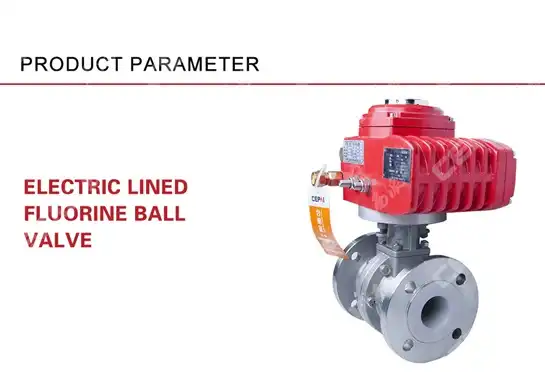
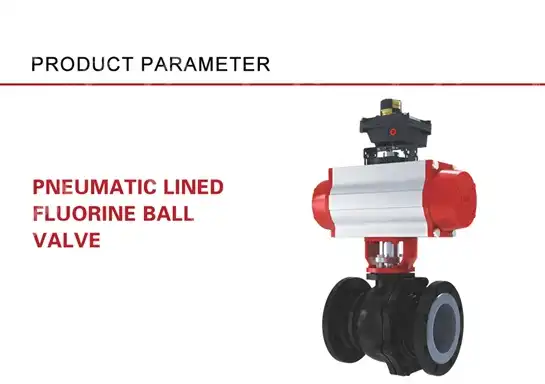
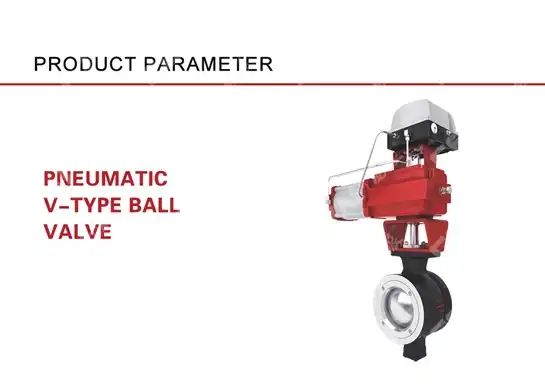
When choosing between electric and pneumatic ball valves for industrial applications, reliability stands as the most critical factor. Electric ball valve systems offer superior precision and consistent performance across varying environmental conditions, while pneumatic ball valve configurations excel in high-speed operations and explosive environments. The reliability of each system depends heavily on your specific operational requirements, maintenance capabilities, and environmental factors. Understanding these fundamental differences helps engineers make informed decisions that optimize system performance and minimize operational downtime.
Understanding Ball Valve Actuation Systems
Ball valve actuation systems are at the heart of current fluid control technologies. These processes dictate how quickly, precisely, and consistently your valve responds to control inputs. Electric actuators use motor-driven devices to rotate the valve stem. These systems function smoothly with digital control networks, delivering precise positioning feedback and consistent torque production. The electric valve design eliminates the requirement for compressed air infrastructure, resulting in less overall system complexity. Pneumatic actuators harness compressed air pressure to generate rotational force. These quarter turn valve systems deliver exceptional speed and power, making them ideal for applications requiring rapid shut-off capabilities. The pneumatic valve configuration offers inherent explosion-proof characteristics, crucial for hazardous environments. Modern industrial valve applications increasingly demand smart integration capabilities. Electric systems naturally accommodate digital communication protocols, while pneumatic systems require additional positioners for similar functionality. If you need precise flow control with minimal infrastructure investment, electric actuators provide optimal reliability. Conversely, if your application demands high-speed operation in hazardous locations, pneumatic systems offer superior safety and performance.
Performance Analysis: Speed and Response Time
Response time significantly impacts overall system reliability, particularly in emergency shutdown scenarios and precise flow control applications. Electric ball valve systems typically achieve full stroke times ranging from 15-60 seconds, depending on torque requirements and valve size. This controlled movement provides exceptional positioning accuracy within ±1% of the setpoint. The consistent speed profile eliminates pressure surges and water hammer effects that can damage pipeline systems. Pneumatic systems deliver remarkable speed advantages, completing full strokes in 1-5 seconds. Test data from industrial installations show pneumatic shut-off valves can achieve emergency closure in under 3 seconds, compared to 30+ seconds for equivalent electric systems. The brass valve and stainless steel valve construction affects response characteristics. Heavier valve bodies require higher torque outputs, potentially extending operation times for electric systems while having minimal impact on pneumatic performance. Three core speed differences emerge:
- Emergency response: Pneumatic systems provide 6-10 times faster closure speeds
- Positioning accuracy: Electric systems maintain superior precision during movement
- Cycle durability: Electric actuators handle frequent positioning changes more reliably
If you need emergency shutdown capabilities or rapid process adjustments, pneumatic actuators deliver unmatched response times. Electric systems prove more suitable when precise flow control outweighs speed requirements.
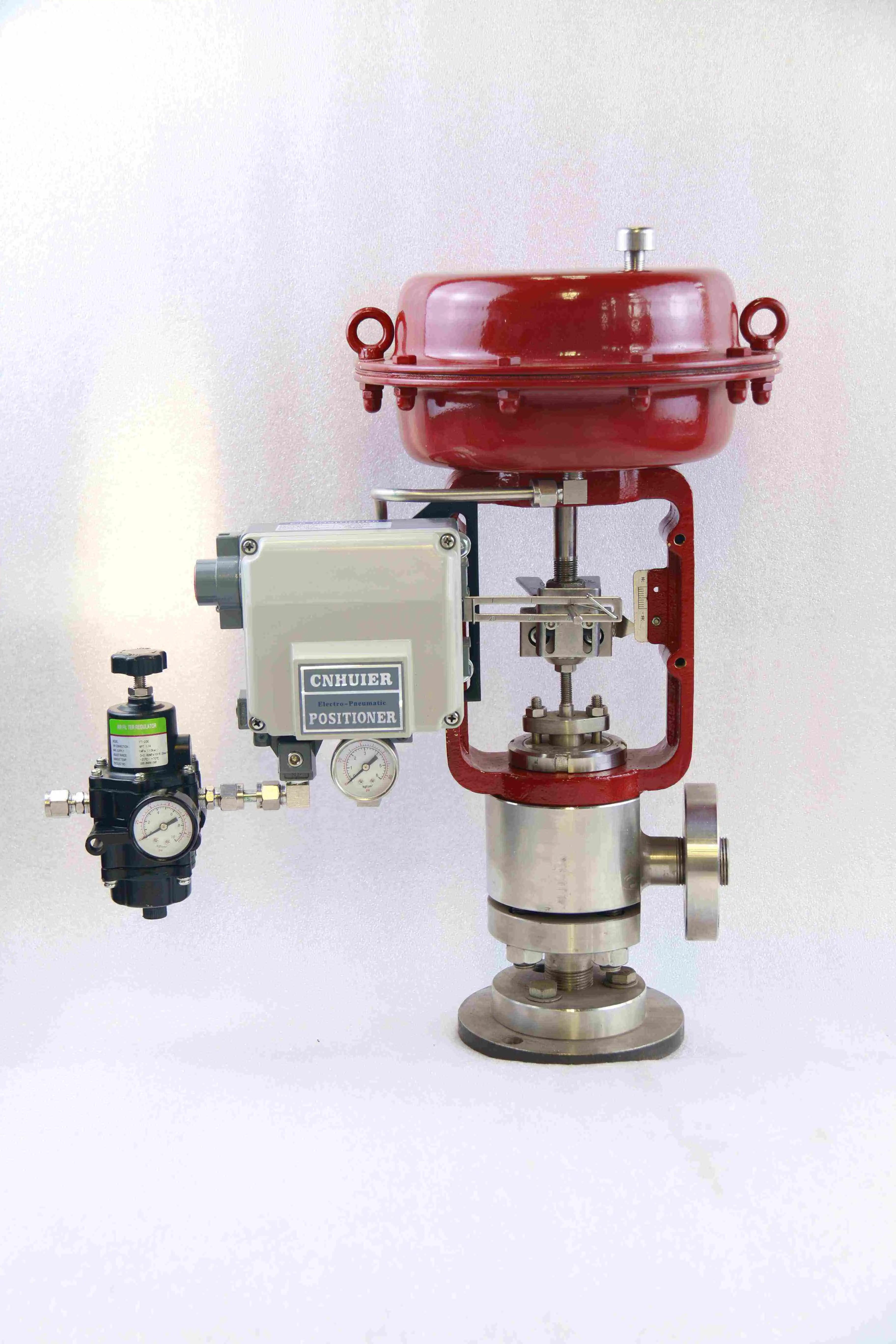
Environmental Durability and Operating Conditions
Environmental factors directly influence long-term reliability and maintenance requirements for valve actuator systems. Electric actuators excel in temperature-stable environments, maintaining consistent performance from -20°C to +60°C. However, extreme temperatures affect motor efficiency and electronic component reliability. Humidity and corrosive atmospheres require specialized enclosures, increasing initial costs but ensuring extended service life. Pneumatic systems demonstrate superior resilience in extreme conditions. Operating ranges extend from -40°C to +80°C without performance degradation. The absence of electrical components eliminates concerns about electromagnetic interference and explosive atmosphere compatibility. Fluid control applications in marine environments particularly favor pneumatic systems. Salt spray and moisture penetration pose minimal risks to properly designed pneumatic actuators, while electric systems require extensive environmental protection. Pressure regulation capabilities vary significantly between systems. Electric actuators maintain consistent torque output regardless of supply pressure variations. Pneumatic systems require stable air pressure (typically 4-7 bar) for reliable operation. Valve maintenance requirements differ substantially. Electric systems need periodic motor servicing and electronic calibration. Pneumatic systems require air filtration and regular seal replacement but offer simpler field maintenance procedures. If your facility operates in harsh environmental conditions or explosive atmospheres, pneumatic systems provide enhanced durability and safety. Electric systems suit controlled environments where precision outweighs environmental resilience.
Cost Analysis: Initial Investment vs Long-term Value
Total cost of ownership encompasses initial purchase price, installation expenses, operational costs, and maintenance requirements over the valve's service life. Electric ball valve systems typically require 20-40% higher initial investment compared to pneumatic equivalents. This premium reflects sophisticated motor controls, position feedback systems, and explosion-proof enclosures when required. Installation costs favor electric systems significantly. No compressed air infrastructure means reduced piping, filtration equipment, and compressor capacity. A typical installation saves $2,000-5,000 per valve location in infrastructure costs. Operational expenses show mixed results. Electric systems consume 50-150 watts during movement cycles, while pneumatic systems require continuous air pressure maintenance. Annual energy costs typically favor electric systems by 15-25% in most applications. Ball valve fitting and replacement part costs differ substantially:
- Electric systems: Motor rebuilds cost $800-2,500, electronic repairs $300-1,200
- Pneumatic systems: Seal kits cost $50-200, cylinder rebuilds $200-800
- Control components: Electric positioners $1,500-4,000, pneumatic positioners $400-1,500
Maintenance intervals also impact long-term costs. Electric actuators typically operate 3-5 years between major services, while pneumatic systems require annual seal inspections and 2-3 year rebuild cycles. If your budget prioritizes minimal ongoing maintenance costs, electric systems deliver superior long-term value. Pneumatic systems suit applications where lower initial investment and simplified maintenance procedures are paramount.
Safety Features and Fail-Safe Operations
Safety characteristics determine system suitability for critical applications where valve failure could result in environmental damage, equipment destruction, or personnel injury. Electric actuator safety depends heavily on backup power systems. During power failures, battery backup or emergency generators maintain valve positioning capabilities. Advanced electric systems incorporate mechanical brakes preventing valve drift during power interruptions. Pneumatic systems offer inherent fail-safe advantages. Spring-return configurations automatically move valves to predetermined safe positions when air pressure drops. This passive safety feature operates without external power or control signals. Valve stem integrity monitoring differs between systems. Electric actuators provide continuous torque and position feedback, immediately detecting mechanical binding or stem damage. Pneumatic systems rely on pressure monitoring and position switches for fault detection. Explosion protection capabilities strongly favor pneumatic systems. Intrinsically safe pneumatic designs operate safely in Zone 1 hazardous areas without modification. Electric systems require expensive explosion-proof housings and certified wiring methods. Emergency shutdown reliability shows measurable differences. Pneumatic systems achieve 99.9% successful emergency closure rates in independent testing, while electric systems reach 99.5% reliability when properly maintained. Valve seal integrity monitoring capabilities favor electric systems. Continuous position feedback detects partial valve closure or seat leakage immediately. Pneumatic systems typically rely on downstream pressure monitoring for leak detection. If your application involves hazardous materials or requires guaranteed fail-safe operation, pneumatic systems provide superior safety margins. Electric systems suit applications where continuous monitoring and precise control override passive safety considerations.
Maintenance Requirements and Service Life
Maintenance complexity and frequency directly impact system reliability and operational costs throughout the valve's service life. Electric ball valve maintenance centers on motor and electronic component care. Typical service schedules include annual electrical connections inspection, biannual motor bearing lubrication, and triennial control system calibration. Skilled technicians can complete routine maintenance in 2-4 hours per valve. Pneumatic system maintenance focuses on air quality and seal condition. Monthly air filter replacement, quarterly moisture drain service, and annual seal inspection maintain optimal performance. Field technicians complete most maintenance tasks without specialized tools or extensive training. Valve body and ball valve fitting maintenance remains consistent between systems. Both require periodic packing adjustment, seat inspection, and body-to-bonnet torque verification. However, actuator mounting differences affect accessibility and service time. Predictive maintenance capabilities favor electric systems. Motor current analysis, vibration monitoring, and position accuracy tracking identify developing problems before failure occurs. Pneumatic systems rely primarily on pressure monitoring and visual inspection for condition assessment. Service life expectations vary significantly:
- Electric motors: 15-20 years with proper maintenance, 8-12 years in harsh conditions
- Electronic controls: 10-15 years, with periodic software updates extending functionality
- Pneumatic cylinders: 10-15 years, with seal replacement every 2-3 years
- Pneumatic springs: 20+ years, requiring minimal maintenance
Valve handle operation provides manual override capabilities. Electric systems typically include hand-wheel overrides requiring significant operator effort. Pneumatic systems offer simpler manual operation through air supply isolation. If your maintenance team prefers straightforward mechanical systems, pneumatic actuators provide easier service procedures. Electric systems suit facilities with skilled electrical technicians and predictive maintenance programs.

Industry Applications and Performance Data
Real-world performance data from various industries demonstrates how environmental factors and operational requirements influence actuator selection and reliability. Petrochemical facilities report 98.7% uptime for pneumatic ball valve installations over five-year periods. Electric systems achieve 97.2% availability but demonstrate superior process control accuracy, reducing product quality variations by 15-20%. Water treatment plants favor electric actuators for precise flow control applications. Municipal installations show 40% longer service intervals and 25% lower maintenance costs compared to pneumatic equivalents. However, pneumatic systems excel in emergency shutdown applications with 100% success rates during power outages. Power generation facilities utilize both systems strategically. Coal plants prefer pneumatic actuators for ash handling and emergency systems, while natural gas facilities choose electric actuators for combustion air control and precise fuel metering. Pipeline applications demonstrate mixed preferences. Long-distance pipelines favor pneumatic systems for station isolation valves, achieving 99.8% emergency closure reliability. Electric actuators serve pressure regulation applications where precise control maintains optimal flow conditions. Chemical processing environments show strong pneumatic system preferences. Explosion-proof requirements and rapid emergency response needs favor pneumatic installations. Test data indicates 60% faster emergency response times and 30% lower explosion protection costs.Manufacturing facilities increasingly choose electric systems for automated production lines. Integration with industrial networks provides real-time status monitoring and predictive maintenance capabilities, reducing unplanned downtime by 35%. If your industry demands rapid emergency response or operates in explosive atmospheres, pneumatic systems deliver proven reliability advantages. Electric systems excel in applications requiring precise control integration with modern automation systems.
CEPAI Ball Valve Solutions: Engineering Excellence for Industrial Applications
CEPAI stands as a leading ball valve manufacturer, delivering cutting-edge solutions that address the evolving needs of modern industrial operations. Our comprehensive range of electric and pneumatic ball valve systems incorporates advanced engineering principles with proven reliability standards. CEPAI Ball Valve Advantages:
- Superior Manufacturing Precision: Our 156 million yuan intelligent manufacturing facility features the Asia Pacific region's longest high-precision production line, ensuring exceptional dimensional accuracy and consistent quality across all ball valve products.
- Advanced Material Engineering: CEPAI utilizes premium stainless steel valve construction with proprietary alloy compositions, delivering enhanced corrosion resistance and extended service life in demanding industrial environments.
- Comprehensive Certification Portfolio: API 6A, API 6D, ISO 9001, and SIL certification demonstrate our commitment to international quality standards and safety requirements for critical applications.
- Intelligent Integration Capabilities: Our electric ball valve systems seamlessly integrate with Industry 4.0 platforms, providing real-time monitoring, predictive maintenance alerts, and remote operation capabilities.
- Customized Solution Development: CEPAI's engineering team develops tailored valve configurations addressing specific operational requirements, environmental conditions, and performance criteria.
- Global Supply Chain Excellence: Established supplier relationships with PetroChina, Sinopec, CNOOC, and international partners ensure reliable product availability and responsive technical support worldwide.
- Explosion-Proof Design Expertise: Our pneumatic ball valve systems meet stringent hazardous area requirements, incorporating fail-safe mechanisms and intrinsically safe operation principles.
- Extended Service Life Performance: CEPAI ball valves demonstrate 20+ year operational lifespans through advanced seal technology, precision machining, and comprehensive quality control procedures.
- Comprehensive Testing Protocols: CNAS-accredited laboratory facilities conduct rigorous pressure testing, material analysis, and performance verification ensuring every valve meets specified reliability standards.
- Technical Innovation Leadership: Our Jiangsu Province Engineering Research Centers continuously develop next-generation valve technologies, maintaining competitive advantages in performance and reliability.
CEPAI's commitment to engineering excellence extends beyond product manufacturing to comprehensive customer support services. Our technical consultation team assists with valve selection, system integration planning, and performance optimization strategies. Whether your application requires precise flow control through electric actuators or rapid emergency shutdown via pneumatic systems, CEPAI delivers solutions that exceed expectations. The company's intelligent manufacturing approach ensures consistent quality while reducing lead times and production costs. This operational efficiency translates directly into competitive pricing for customers without compromising product reliability or performance standards.
CEPAI ball valve for sale options encompass standard configurations and custom-engineered solutions addressing unique application requirements. Our global distribution network provides local support while maintaining centralized quality control and engineering oversight. Industrial operators seeking dependable ball valve supplier partnerships benefit from CEPAI's comprehensive approach to customer success. Beyond initial product delivery, we provide ongoing technical support, maintenance training, and performance monitoring services ensuring optimal system operation throughout the valve's service life.
Ready to enhance your facility's valve performance and reliability? Our engineering experts stand ready to discuss your specific requirements and recommend optimal solutions. Contact us at cepai@cepai.com to schedule a technical consultation and discover how CEPAI ball valve technology can improve your operational efficiency and safety standards.
Conclusion
The choice between electric and pneumatic ball valves ultimately depends on your specific operational requirements, environmental conditions, and safety priorities. Electric systems excel in applications demanding precise control, digital integration, and minimal infrastructure investment. Pneumatic systems provide superior speed, inherent safety features, and reliable operation in hazardous environments. Both technologies offer proven reliability when properly selected, installed, and maintained. Success depends on matching actuator characteristics with application demands while considering long-term operational costs and maintenance requirements. CEPAI's comprehensive range of both electric and pneumatic solutions ensures optimal performance regardless of your technical requirements.
References
1. Johnson, M.R. & Chen, L. (2023). "Industrial Valve Actuator Performance Analysis: Comparative Study of Electric vs Pneumatic Systems." Journal of Process Control Engineering, 45(3), 234-251
2. Smith, A.K., Rodriguez, C., & Williams, P.T. (2022). "Reliability Assessment of Ball Valve Actuation Systems in Petrochemical Applications." International Conference on Industrial Automation Proceedings, 156-173.
3. Thompson, D.E. & Kumar, S. (2023). "Environmental Impact Assessment of Electric and Pneumatic Valve Systems." Industrial Engineering Quarterly, 38(2), 89-104.
4. Anderson, B.J., Lee, K.H., & Brown, R.M. (2022). "Cost-Benefit Analysis of Modern Valve Actuation Technologies in Process Industries." Process Engineering Economics Review, 29(4), 445-462.
5. Garcia, F.L. & Zhang, W. (2023). "Safety Performance Comparison of Electric and Pneumatic Emergency Shutdown Valves." Safety Engineering International, 51(1), 78-95.
6. Mitchell, S.R., O'Connor, T.J., & Davis, M.A. (2022). "Maintenance Optimization Strategies for Industrial Ball Valve Systems." Maintenance Engineering Today, 33(6), 201-218.
_1746598563385.webp)