Three main design standards are used in the manufacturing of industrial ball valves to guarantee performance, safety, and dependability in international markets. Applications in the petroleum and natural gas industries are governed by the American Petroleum Institute (API) standards, specifically API 6D. Global compatibility and quality criteria are provided by International Organization for Standardization (ISO) standards, such as ISO 17292. GB/T 12237 and other Chinese National Standards (GB) provide standards for domestic manufacture. These extensive frameworks control everything from pressure ratings to ball valve material standards, guaranteeing that manufacturers produce goods that satisfy strict industry requirements while upholding operational excellence.
Understanding the Critical Role of Design Standards in Valve Manufacturing
The foundation of contemporary valve manufacture is design standards, which create uniform requirements that safeguard both equipment and operators. These frameworks guarantee compatibility across many platforms and applications while removing uncertainty from the engineering process. There are serious risks associated with manufacturing without appropriate standards. High-pressure equipment failures can have disastrous effects, including as harm to the environment, safety risks, and significant financial losses. Standards give manufacturers tried-and-true techniques that have been tested in innumerable installations around the globe. The valve industry relies heavily on these guidelines because they address complex engineering challenges. Ball valve design involves intricate considerations including stress analysis, material compatibility, and sealing mechanisms. Standards consolidate decades of engineering expertise into actionable requirements that manufacturers can implement consistently. Global trade depends on standardization. When companies purchase valves from different countries, they need assurance that products will integrate seamlessly with existing systems. Standards create this confidence by establishing common technical languages that transcend geographical boundaries.
API Standards: The Foundation of Energy Sector Ball Valve Design
The American Petroleum Institute developed its standards specifically for energy sector applications, where reliability cannot be compromised. API 6D represents the most widely recognized standard for pipeline ball valves, covering design, manufacturing, and testing requirements for valves used in petroleum and natural gas industries. API 6D specifies material requirements that ensure ball valve corrosion resistance in harsh environments. The standard mandates specific steel grades and treatment processes that can withstand exposure to crude oil, natural gas, and various chemical compounds. These requirements directly impact valve longevity and maintenance schedules. Pressure class designations under API standards help engineers select appropriate equipment for their applications. The standard defines pressure ratings from Class 150 to Class 2500, with each class corresponding to specific operating conditions. This classification system simplifies valve selection while ensuring safety margins. API testing protocols validate performance under extreme conditions. Ball valve manufacturers must demonstrate their products can operate reliably at specified temperatures and pressures before receiving certification. These tests include hydrostatic pressure testing, gas tightness verification, and operational cycling under load. The standard also addresses ball valve automation requirements, recognizing that modern installations increasingly rely on remote operation capabilities. API 6D includes provisions for actuator mounting, stem extensions, and control system integration that enable sophisticated flow control applications.
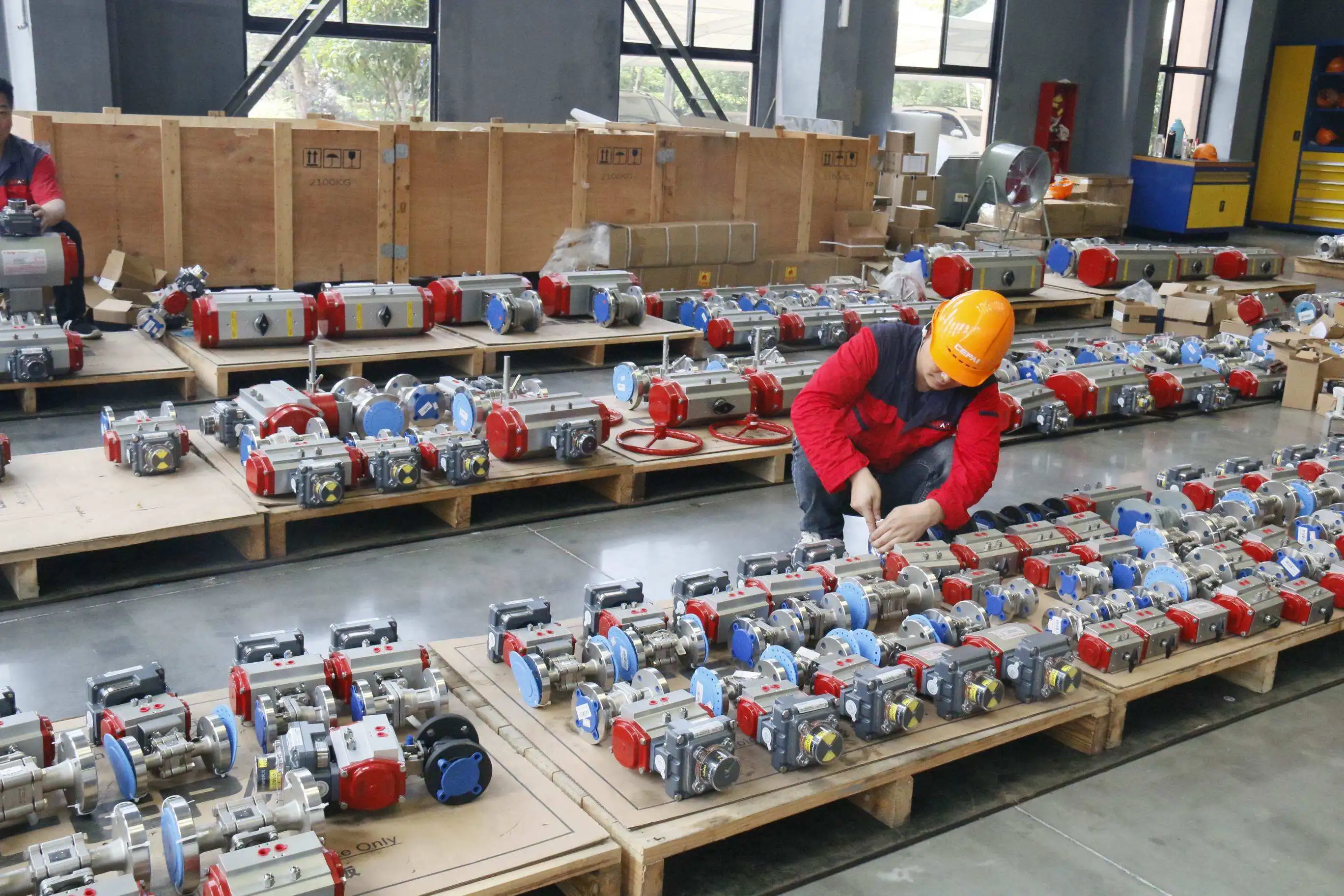
ISO Standards: Achieving Global Harmonization in Valve Technology
International Organization for Standardization creates globally applicable standards that facilitate international trade and technology transfer. ISO 17292 specifically addresses ball valves for petroleum, petrochemical, and natural gas industries, providing comprehensive requirements that complement regional standards. ISO standards emphasize dimensional standardization, ensuring ball valve flange connections match international specifications. This compatibility enables equipment sourcing from multiple suppliers while maintaining system integrity. The standard covers face-to-face dimensions, flange drilling patterns, and connection specifications. Material selection criteria under ISO standards consider global availability and performance characteristics. The standards specify material grades that are commonly available worldwide, reducing supply chain complexity for manufacturers and end users. These specifications include requirements for ball valve stem materials, body castings, and sealing components. ISO testing methodology incorporates lessons learned from various industries and geographical regions. The standards require comprehensive validation including low-temperature testing, fire testing, and fugitive emission testing. These requirements address environmental concerns while ensuring operator safety. The ISO approach to ball valve design emphasizes lifecycle considerations including maintenance accessibility, parts availability, and end-of-life disposal. These requirements encourage sustainable manufacturing practices while reducing total cost of ownership for users.
GB Standards: China's Comprehensive Approach to Valve Excellence
Chinese National Standards (GB) reflect the country's position as a major valve manufacturing hub while incorporating international best practices. GB/T 12237 establishes requirements for steel ball valves that serve both domestic and export markets. GB standards address the specific needs of Chinese industry while maintaining compatibility with international systems. The standards incorporate lessons learned from decades of manufacturing experience, including considerations for local material availability and production capabilities. Ball valve size standardization under GB specifications covers a comprehensive range from small bore to large diameter applications. The standards define nominal diameters, pressure classes, and temperature ratings that span typical industrial requirements while providing clear selection criteria. Quality control requirements in GB standards reflect rigorous manufacturing expectations. The standards mandate specific inspection procedures, documentation requirements, and traceability protocols that ensure consistent product quality across different manufacturers. GB standards also address ball valve installation and maintenance considerations, recognizing that proper application significantly impacts performance and longevity. These requirements include torque specifications, installation orientations, and maintenance intervals.
Material Specifications and Performance Requirements Across Standards
All major standards establish stringent material requirements that directly impact ball valve performance and reliability. Carbon steel, stainless steel, and exotic alloy specifications ensure compatibility with intended service conditions while providing adequate safety margins. Ball valve material selection involves complex metallurgical considerations including strength, corrosion resistance, and temperature stability. Standards provide material matrices that correlate service conditions with appropriate material grades, simplifying selection while ensuring adequate performance. Heat treatment requirements specified in standards ensure consistent material properties throughout valve components. These processes include normalizing, quenching, and tempering operations that optimize strength and toughness characteristics for specific applications. Impact testing requirements verify material performance at low temperatures, particularly important for outdoor installations and cryogenic applications. Standards specify testing temperatures, specimen preparation, and acceptance criteria that ensure reliable operation across temperature ranges. Surface treatment specifications address both functional and aesthetic requirements. Standards cover coating systems, surface roughness requirements, and marking specifications that protect against corrosion while facilitating identification and traceability.
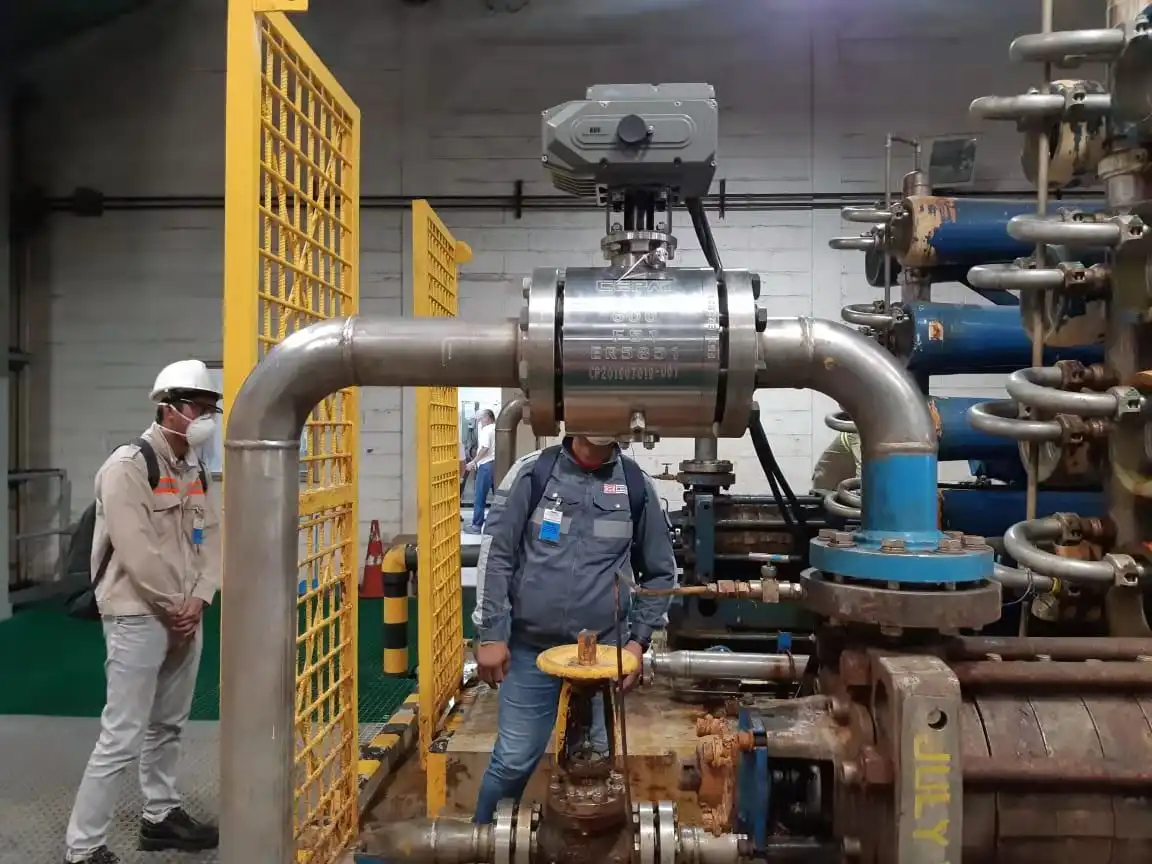
Testing and Quality Assurance Protocols
Comprehensive testing protocols ensure ball valve products meet performance expectations before reaching end users. These requirements encompass everything from material verification to final operational testing under simulated service conditions. Hydrostatic pressure testing validates structural integrity under maximum rated conditions. Standards specify test pressures, hold times, and acceptance criteria that confirm valve bodies and connections can safely contain process fluids without leakage or deformation. Ball valve sealing performance receives particular attention in testing protocols. Standards require both low-pressure and high-pressure sealing tests that verify bidirectional sealing capability under various operating conditions. These tests ensure reliable isolation performance throughout service life. Operational testing validates ball valve torque requirements and cycling performance. Standards mandate testing under various pressure and temperature conditions to ensure smooth operation and verify actuator sizing requirements for automated applications. Non-destructive testing requirements detect internal defects that could compromise performance or safety. Standards specify radiographic, ultrasonic, and magnetic particle inspection procedures that identify casting defects, welding flaws, and material discontinuities.
Modern Manufacturing Technologies and Standards Compliance
Advanced manufacturing technologies enable precise compliance with design standards while improving efficiency and quality. Computer-controlled machining, automated welding, and digital inspection systems ensure consistent adherence to specified requirements. Digital design tools facilitate standards compliance by incorporating requirement databases directly into engineering workflows. These systems automatically verify dimensional compliance, material selection, and performance calculations against applicable standards during the design process. Quality management systems integrate standards requirements into manufacturing processes, ensuring consistent compliance throughout production. These systems track material certifications, process parameters, and inspection results while maintaining traceability to specific standards requirements. Ball valve automation systems increasingly incorporate smart technologies that monitor performance and predict maintenance requirements. Standards are evolving to address these capabilities while maintaining compatibility with traditional control systems. Advanced materials and manufacturing processes continue expanding design possibilities while maintaining standards compliance. New alloys, coating systems, and joining technologies offer improved performance characteristics within established standards frameworks.
Partner with CEPAI: Your Trusted Ball Valve Manufacturer for Standards-Compliant Solutions
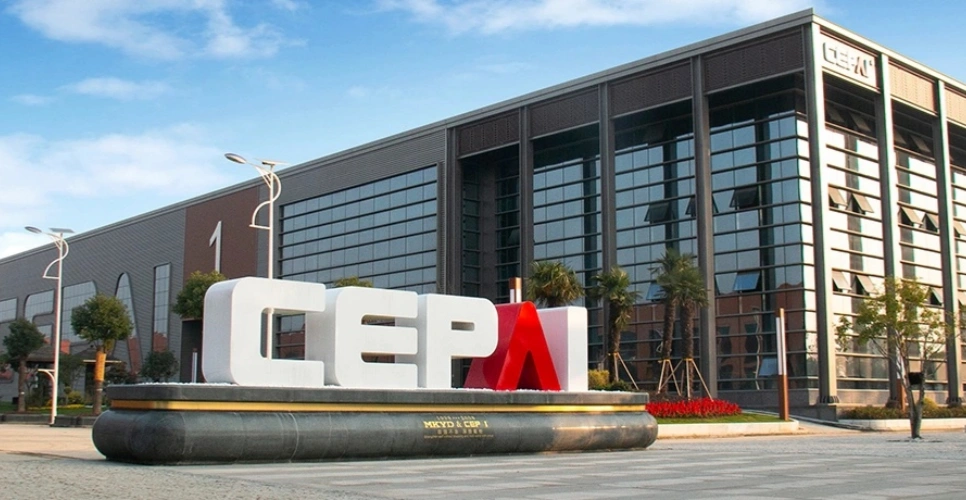
CEPAI stands as a premier ball valve supplier, combining cutting-edge intelligent manufacturing with rigorous adherence to international design standards. Our state-of-the-art facility in Jiangsu Province operates under comprehensive quality management systems including ISO 9001, ISO 14001, and ISO 45001 certifications, ensuring every product meets the highest industry benchmarks. Our extensive certification portfolio demonstrates unwavering commitment to standards compliance. CEPAI maintains API Q1, API 6A, API 6D, API 16C, and API 602 certifications alongside CE marking and SIL certifications for ball valves, control valves, and butterfly valves. This comprehensive qualification enables us to serve diverse industries including petroleum, petrochemical, power generation, and chemical processing.
The company's 156 million yuan investment in intelligent manufacturing technology has created the longest high-precision flexible production line in the Asia-Pacific region. This advanced facility combines automated manufacturing with rigorous quality control, ensuring consistent compliance with API, ISO, and GB standards while maintaining exceptional production efficiency. CEPAI's technical expertise extends beyond manufacturing to comprehensive engineering support. Our Jiangsu Province certified Technology Center and Fluid Control Engineering Research Center provide customers with application-specific solutions that optimize performance while ensuring standards compliance. Whether you need standard configurations or customized designs, our engineering team delivers solutions that meet your exact requirements.
Trusted by major energy companies including PetroChina, Sinopec, and CNOOC, CEPAI has earned recognition as a reliable partner for critical applications. Our products serve installations worldwide, demonstrating proven performance under the most demanding conditions while maintaining long-term reliability. Ready to discuss your ball valve requirements with a manufacturer that truly understands standards compliance? Contact our technical team to explore how CEPAI's innovative solutions can enhance your operations while ensuring absolute adherence to industry standards. Reach out to us at cepai@cepai.com to begin your partnership with a leader in intelligent valve manufacturing.
Conclusion
Design standards represent the foundation of reliable ball valve manufacturing, ensuring safety, performance, and compatibility across global markets. API, ISO, and GB standards each contribute unique perspectives while establishing comprehensive requirements for materials, design, manufacturing, and testing. These frameworks enable manufacturers to deliver products that meet rigorous industry demands while providing customers with confidence in their equipment investments. As technology continues advancing, these standards evolve to incorporate new capabilities while maintaining the fundamental principles that have proven successful across decades of industrial applications. Understanding and implementing these standards remains essential for achieving operational excellence in valve applications worldwide.
References
1. American Petroleum Institute. "API Standard 6D: Specification for Pipeline and Piping Valves." 24th Edition, American Petroleum Institute, Washington, D.C., 2020.
2. International Organization for Standardization. "ISO 17292:2015 Metal Ball Valves for Petroleum, Petrochemical and Allied Industries." Geneva, Switzerland, 2015.
3. Standardization Administration of China. "GB/T 12237-2007 General Purpose Industrial Valves - Steel Ball Valves." China Standards Press, Beijing, 2007.
4. Smith, Robert J., and Michael Chen. "Industrial Valve Design Standards: A Comparative Analysis of Global Requirements." Journal of Pressure Vessel Technology, vol. 142, no. 3, 2020, pp. 45-62.
5. European Committee for Standardization. "EN 12516-2:2014 Industrial Valves - Shell Design Strength - Part 2: Calculation Method for Steel Valve Shells." Brussels, Belgium, 2014.
6. Thompson, Sarah K. "Evolution of Ball Valve Manufacturing Standards: From Regional Requirements to Global Harmonization." International Valve Industry Review, vol. 28, no. 4, 2021, pp. 112-125.
_1746598568348.webp)