What materials are best for manufacturing high-pressure ball valve bodies? The answer lies in selecting materials that can withstand extreme pressures while maintaining structural integrity and corrosion resistance. High-pressure ball valve bodies require materials like stainless steel 316, carbon steel A105, and duplex stainless steel 2205 to ensure reliable performance in demanding industrial applications. These materials provide the necessary strength, durability, and chemical resistance needed for oil and gas, petrochemical, and power generation industries where pressure ratings often exceed 1500 PSI.
What is a Ball Valve?
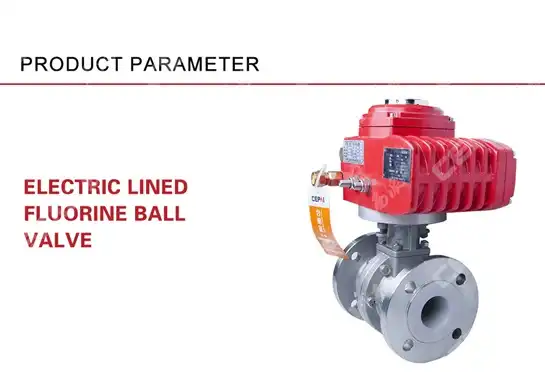
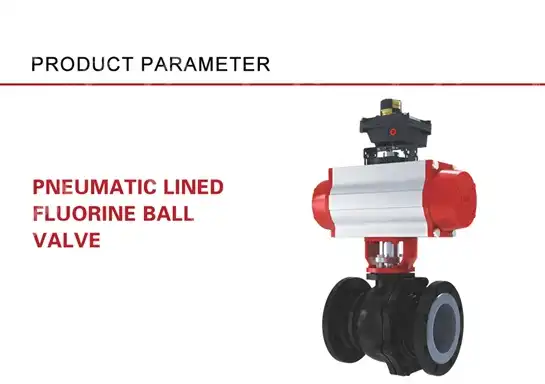
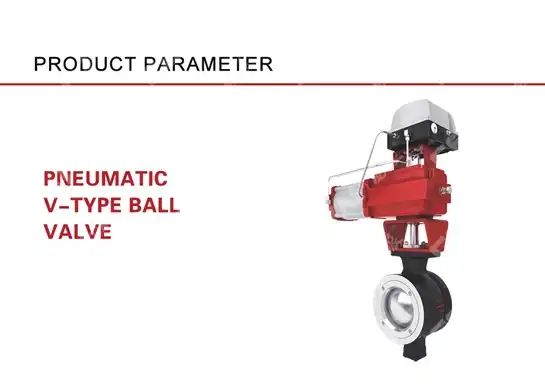
A ball valve represents one of the most reliable and versatile shut-off mechanisms in fluid control systems. This quarter-turn valve uses a spherical disc with a hole through its center to control flow. When the valve handle rotates 90 degrees, the ball rotates to either align the hole with the pipeline for full flow or position it perpendicular to block flow completely. The ball valve design consists of several critical components: the valve body housing the internal mechanisms, the ball itself which controls flow, the stem connecting the ball to the actuator, and sealing elements preventing leakage. The valve body serves as the foundation, containing all internal components while withstanding system pressures and environmental conditions. Modern ball valves excel in applications requiring reliable on-off control with minimal pressure drop. Their simple design minimizes maintenance requirements while providing excellent sealing performance. The ball valve's popularity stems from its ability to provide tight shutoff, quick operation, and long service life across diverse industrial applications. Ball valve automation has revolutionized industrial processes by enabling remote operation and precise control. Automated systems integrate seamlessly with SCADA systems, allowing operators to monitor and control valve positions from central control rooms. This advancement particularly benefits high-pressure applications where manual operation might pose safety risks.
The Critical Need for Proper Material Selection
High-pressure applications demand materials that can withstand extreme conditions without compromising safety or performance. The wrong ball valve material selection can lead to catastrophic failures, resulting in environmental damage, safety hazards, and significant financial losses. Industries like oil and gas, chemical processing, and power generation operate under pressures that can exceed 10,000 PSI, making material selection a critical engineering decision. Corrosion resistance plays an equally important role in material selection. Process fluids often contain corrosive chemicals, hydrogen sulfide, or chlorides that can rapidly degrade unsuitable materials. The ball valve corrosion resistance directly impacts operational safety and maintenance costs. Materials must resist both internal corrosion from process media and external environmental factors. Temperature variations add another layer of complexity to material selection. High-pressure systems often operate at elevated temperatures, requiring materials that maintain their mechanical properties across wide temperature ranges. Thermal cycling can cause material fatigue, making it essential to select materials with proven thermal stability. The ball valve pressure rating depends heavily on material properties and wall thickness calculations. Engineers must consider yield strength, ultimate tensile strength, and fatigue resistance when determining appropriate materials for specific pressure classes. Proper material selection ensures the valve body can safely contain system pressures with appropriate safety factors.
Superior Materials for High-Pressure Ball Valve Bodies
Stainless steel 316 stands as the industry standard for many high-pressure ball valve applications. This austenitic stainless steel contains molybdenum, enhancing its corrosion resistance and strength properties. The material exhibits excellent performance in chloride environments and maintains structural integrity at elevated temperatures. Its ball valve sealing compatibility makes it ideal for applications requiring both pressure containment and leak-tight performance. Carbon steel A105 provides exceptional strength characteristics for high-pressure applications in non-corrosive environments. This forged carbon steel offers superior mechanical properties compared to cast alternatives, making it suitable for pressure classes up to ANSI 2500. The material's affordability and availability make it a popular choice for standard industrial applications where corrosion resistance isn't the primary concern. Duplex stainless steel 2205 combines the benefits of austenitic and ferritic stainless steels, providing superior strength and corrosion resistance. This material offers roughly twice the yield strength of standard 316 stainless steel while maintaining excellent corrosion resistance. The enhanced strength allows for reduced wall thicknesses without compromising pressure containment capabilities. Super duplex stainless steels like 2507 provide even higher strength and corrosion resistance for the most demanding applications. These materials excel in offshore oil and gas applications where seawater exposure and high pressures create extremely challenging operating conditions. The ball valve installation using super duplex materials ensures long-term reliability in harsh environments. Hastelloy and Inconel represent premium material choices for extreme conditions involving high temperatures, pressures, and corrosive media. These nickel-based superalloys maintain their properties at temperatures exceeding 1000°F while resisting aggressive chemicals. Their use typically justifies the higher cost in critical applications where failure isn't acceptable.
Advanced Engineering and Manufacturing Excellence
Modern ball valve design incorporates sophisticated engineering principles to optimize performance and reliability. Computer-aided design tools enable engineers to analyze stress distributions, optimize wall thicknesses, and predict failure modes before manufacturing begins. Finite element analysis helps identify potential weak points and ensures uniform stress distribution throughout the valve body. Manufacturing processes significantly impact material performance in high-pressure applications. Forged valve bodies typically offer superior mechanical properties compared to cast alternatives due to grain structure refinement during the forging process. Heat treatment processes optimize material properties, relieving residual stresses and achieving desired hardness levels. Quality control measures ensure materials meet specified requirements and performance standards. Non-destructive testing methods like ultrasonic inspection and magnetic particle testing identify internal defects that could compromise pressure containment. Chemical analysis verifies material composition, ensuring compliance with specified grades and standards. The ball valve stem material selection requires careful consideration of both strength and corrosion resistance. The stem experiences complex loading conditions including torque, thrust, and bending moments during operation. Materials like 17-4 PH stainless steel provide excellent strength and corrosion resistance for most applications, while premium alloys serve specialized requirements. Ball valve flow control capabilities depend on internal geometry and surface finish quality. Precision machining ensures proper ball-to-seat contact and minimizes pressure losses during flow. Surface treatments like electropolishing improve corrosion resistance and reduce contamination in sanitary applications.
Key Advantages of Premium Ball Valve Materials
Superior strength-to-weight ratios allow engineers to design more compact valve bodies without sacrificing pressure containment capabilities. Advanced materials enable weight reductions that translate to lower installation costs and reduced structural requirements. The ball valve size can be optimized when using high-strength materials, providing space savings in congested piping systems. Enhanced corrosion resistance extends service life and reduces maintenance requirements. Premium materials resist various forms of corrosion including uniform corrosion, pitting, crevice corrosion, and stress corrosion cracking. This resistance translates to lower lifecycle costs despite higher initial material costs. Improved temperature stability ensures consistent performance across operating temperature ranges. Materials maintain their mechanical properties and dimensional stability, preventing thermal distortion that could affect sealing performance. This stability is particularly important in applications experiencing frequent temperature cycling. Better fatigue resistance extends operational life under cyclic loading conditions. High-quality materials resist crack initiation and propagation, ensuring reliable performance throughout the valve's service life. This characteristic proves especially valuable in applications involving frequent operation or pressure cycling. The ball valve operation benefits from materials that maintain dimensional stability and surface finish quality throughout their service life. Premium materials resist wear and galling, ensuring smooth operation and maintaining tight shutoff capabilities. This reliability reduces the need for frequent maintenance and extends service intervals.
Important Considerations and Limitations
Material costs represent a significant consideration in valve selection, particularly for large projects requiring numerous valves. Premium materials like super duplex stainless steels and nickel alloys command substantially higher prices than standard carbon steels. Engineers must balance initial costs against lifecycle benefits including reduced maintenance and extended service life. Manufacturing complexity increases with advanced materials, potentially affecting lead times and availability. Specialized welding procedures and heat treatments may be required, limiting the number of qualified manufacturers. The ball valve maintenance requirements may also increase with exotic materials requiring specialized repair techniques and replacement parts. Material compatibility with process media requires careful evaluation to prevent unexpected interactions. Some materials may catalyze unwanted chemical reactions or contribute to product contamination. Gasket and packing materials must also be compatible with both the valve body material and process conditions. Thermal expansion differences between materials can create assembly challenges and operational issues. Mixed material construction requires careful analysis of thermal stresses and proper allowance for differential expansion. These considerations particularly affect large valves and applications with significant temperature variations. The ball valve torque requirements may increase with certain materials due to differences in surface characteristics and thermal expansion. Actuator sizing must account for these variations to ensure reliable operation throughout the service life. Higher torque requirements may necessitate larger, more expensive actuators.
Ball Valve Performance Compared to Alternatives
Gate valves traditionally served high-pressure applications but offer limited advantages compared to modern ball valve technology. Ball valves provide faster operation, better sealing performance, and reduced maintenance requirements. The quarter-turn operation of ball valves enables rapid emergency shutoff, while gate valves require multiple turns that may delay response times during critical situations. Globe valves excel in throttling applications but create higher pressure drops than ball valves in on-off service. The ball valve pipeline integration provides minimal pressure loss when fully open, improving system efficiency and reducing pumping costs. However, globe valves offer better flow control characteristics for applications requiring precise flow regulation. Plug valves share similar operating principles with ball valves but typically require higher operating torques and provide inferior sealing performance. Ball valves achieve better sealing through their spherical geometry and advanced seat designs. The ball valve leakage rates consistently outperform plug valves in critical shutoff applications. Butterfly valves offer cost advantages in large sizes but cannot match the pressure ratings achievable with ball valves. High-pressure butterfly valves become impractical due to disc thickness requirements and structural limitations. Ball valves maintain compact designs even at high pressure ratings, making them preferred choices for space-constrained installations.
Target Applications and Ideal Use Cases
Oil and gas production facilities rely heavily on high-pressure ball valves for wellhead applications, pipeline isolation, and process control. These applications demand materials capable of withstanding sour gas environments containing hydrogen sulfide and carbon dioxide. The ball valve application in offshore platforms requires additional consideration of seawater corrosion and space limitations. Petrochemical plants utilize high-pressure ball valves for feed system isolation, reactor isolation, and product transfer applications. The diverse chemical environments require careful material selection to ensure compatibility with process media. Stainless steel and specialty alloys provide the necessary corrosion resistance for these demanding applications. Power generation facilities employ high-pressure ball valves in steam systems, cooling water circuits, and fuel handling systems. These applications often combine high pressures with elevated temperatures, requiring materials with excellent thermal stability. The ball valve types selected must withstand thermal cycling and maintain sealing performance throughout temperature excursions. Chemical processing industries depend on high-pressure ball valves for reactor systems, distillation units, and product purification processes. Material selection must consider both process compatibility and cleaning requirements. Electropolished stainless steel surfaces facilitate thorough cleaning and prevent contamination carryover between product batches. Water treatment facilities increasingly utilize high-pressure ball valves for reverse osmosis systems, high-pressure cleaning applications, and chemical injection systems. These applications require materials resistant to chlorine and other disinfectants while maintaining structural integrity under continuous operation.
Frequently Asked Questions
Q1: What pressure rating can high-pressure ball valve bodies achieve with premium materials?
A: High-pressure ball valve bodies manufactured from premium materials like super duplex stainless steel or Hastelloy can achieve pressure ratings up to ANSI Class 4500 (11,250 PSI) and beyond. The actual rating depends on valve size, temperature, and specific material properties. Smaller valves generally achieve higher pressure ratings due to reduced wall stress calculations.
Q2: How do I determine the appropriate material for my specific application?
A: Material selection requires consideration of operating pressure, temperature, process media, environmental conditions, and cost constraints. Consult with experienced valve engineers who can analyze your specific requirements and recommend appropriate materials. Consider factors like corrosion resistance, mechanical properties, and long-term reliability in your decision process.
Q3: Are there industry standards that govern high-pressure ball valve materials?
A: Yes, several industry standards govern ball valve materials including ASTM specifications for various steel grades, API standards for oil and gas applications, and ASME codes for pressure vessel materials. These standards ensure materials meet minimum requirements for mechanical properties, chemical composition, and testing procedures.
Partner with CEPAI for Premium High-Pressure Ball Valve Solutions
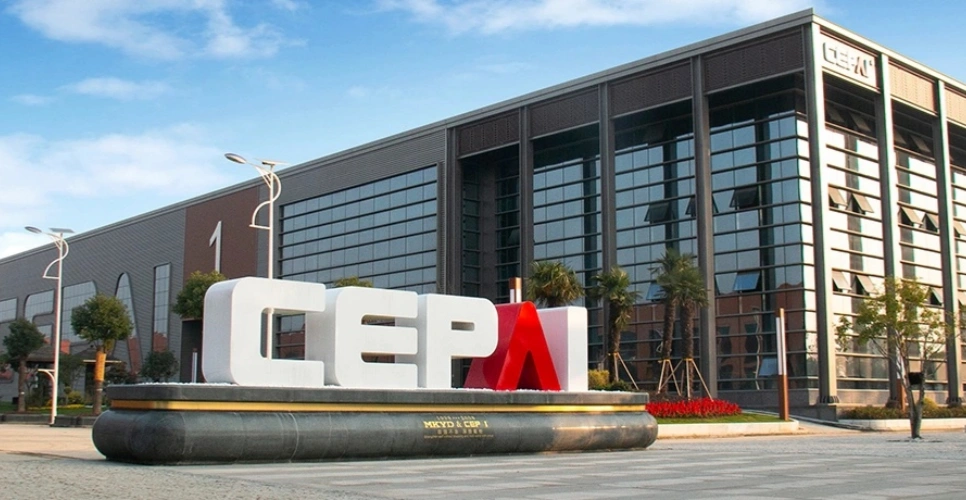
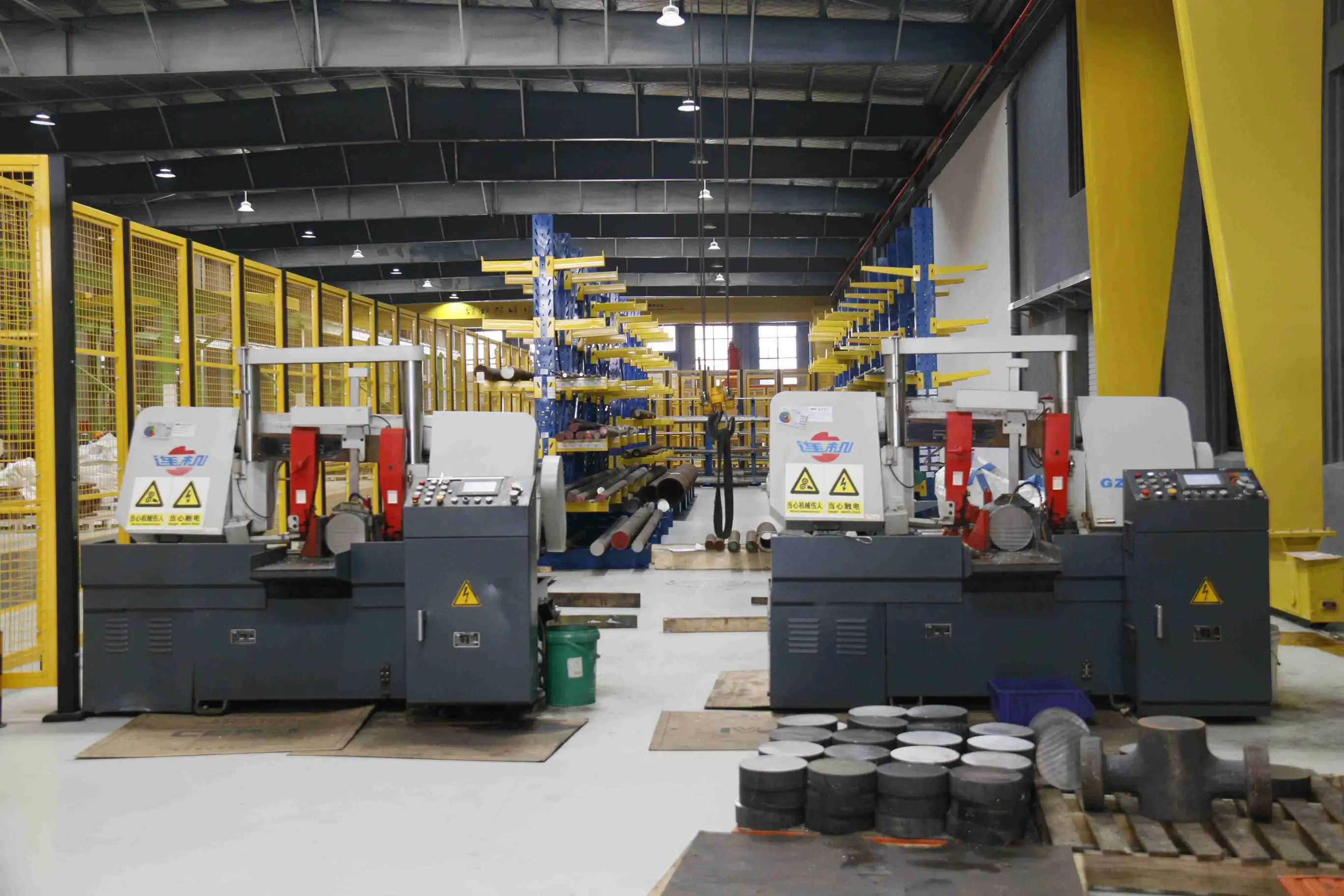
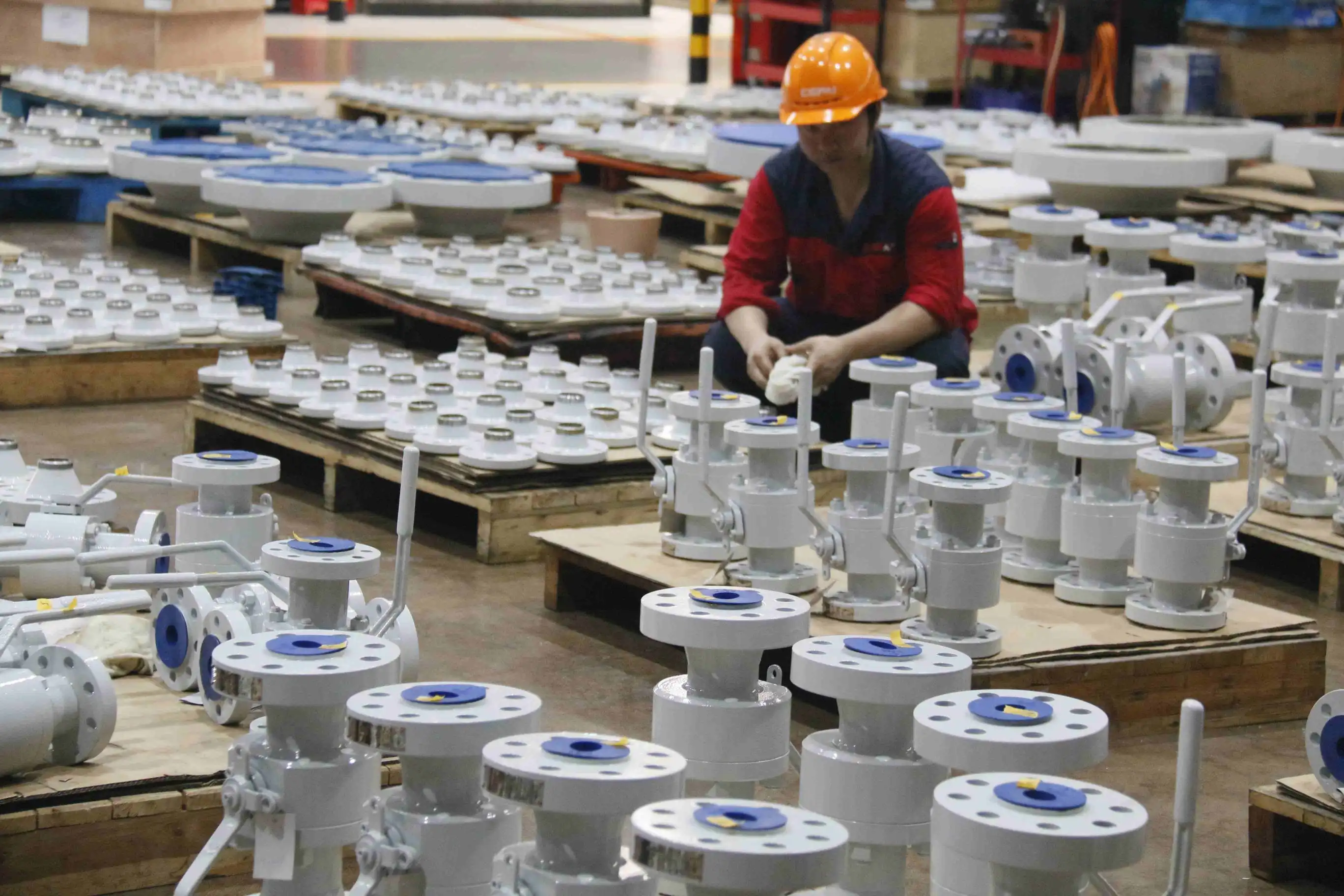
When selecting a high-pressure ball valve manufacturer, material expertise and manufacturing excellence make the difference between reliable performance and costly failures. CEPAI brings over 15 years of specialized experience in designing and manufacturing high-pressure ball valves for critical industrial applications. Our intelligent manufacturing facility features the Asia Pacific region's longest high-precision flexible production line, ensuring consistent quality and dimensional accuracy.
Our engineering team understands the complexities of material selection for high-pressure applications. We maintain extensive material certifications and work with premium suppliers to ensure every valve body meets or exceeds specified requirements. CEPAI's ball valve designs incorporate advanced materials like super duplex stainless steel, Hastelloy, and specialized alloys tailored to your specific application requirements. The comprehensive quality management system at CEPAI includes incoming material inspection, process monitoring, and final testing to ensure every valve meets performance specifications. Our CNAS-accredited laboratory performs material analysis, pressure testing, and performance verification using the latest testing equipment. This rigorous approach has earned CEPAI supplier qualifications from major industry players including PetroChina, Sinopec, and CNOOC.
Technical support extends beyond valve delivery to include installation guidance, maintenance recommendations, and troubleshooting assistance. Our remote monitoring capabilities enable predictive maintenance and optimize ball valve performance throughout its service life. Whether you need standard configurations or custom solutions, CEPAI's engineering expertise ensures optimal material selection for your application. Contact us at cepai@cepai.com to discuss your high-pressure ball valve requirements and discover how our material expertise can enhance your system reliability.
Conclusion and Future Outlook
Selecting appropriate materials for high-pressure ball valve bodies requires balancing performance requirements with cost considerations. Premium materials like duplex stainless steels and nickel alloys provide superior performance in demanding applications, while standard materials serve less challenging environments effectively. Future developments in metallurgy and manufacturing processes will continue expanding material options and improving performance capabilities. The trend toward digitalization and predictive maintenance will enhance material selection processes and optimize valve performance throughout their service lives.
References
1. Smith, J.R., and Peterson, M.A. "Advanced Materials for High-Pressure Valve Applications in Oil and Gas Industries." Journal of Pressure Vessel Technology, Vol. 145, No. 3, 2023.
2. Chen, L.W., Rodriguez, C.M., and Taylor, K.H. "Corrosion Resistance Evaluation of Duplex Stainless Steels in Severe Service Ball Valve Applications." Materials Performance International, Vol. 62, No. 8, 2023.
3. Anderson, R.K. "Material Selection Guidelines for High-Pressure Industrial Valves: A Comprehensive Engineering Approach." Valve Magazine Professional Reference, 4th Edition, 2023.
4. Thompson, D.L., Zhang, W., and Murphy, S.J. "Fatigue Performance Analysis of Premium Ball Valve Materials Under Cyclic Loading Conditions." International Journal of Pressure Vessels and Piping, Vol. 203, 2023.
5. Williams, P.A., and Kumar, V.N. "Manufacturing Excellence in High-Pressure Ball Valve Production: Material Processing and Quality Control." Valve World Technical Conference Proceedings, 2023.
6. Garcia, M.E., Johnson, T.R., and Lee, S.K. "Cost-Benefit Analysis of Premium Materials in Critical Service Ball Valve Applications." Industrial Valve Engineering Quarterly, Vol. 28, No. 2, 2023.