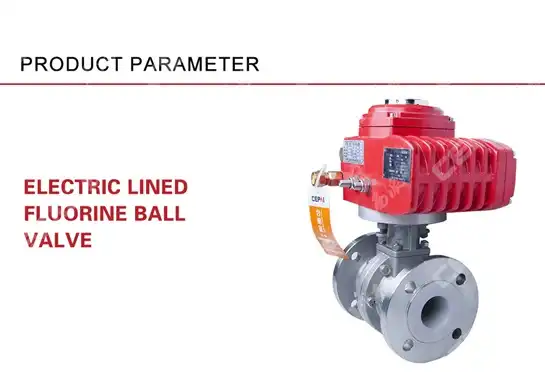
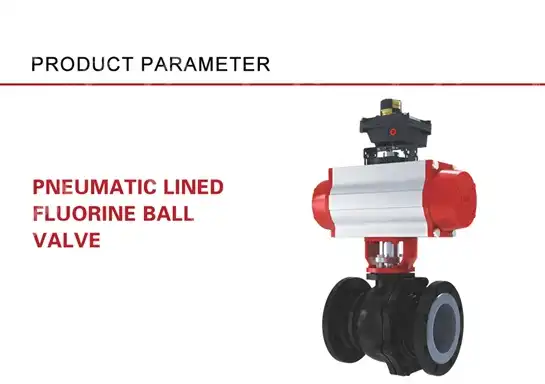
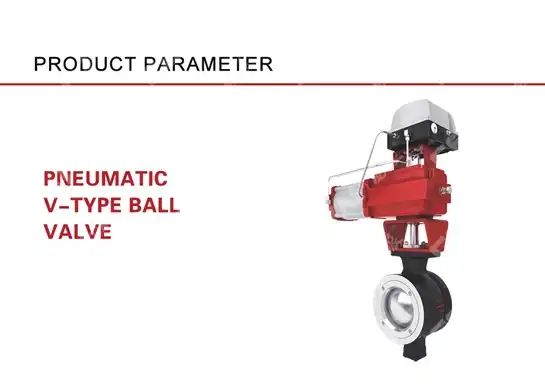
Kazakhstan Guide to High-Temperature Ball Valves
The industries in Kazakhstan need flow control systems that are strong and can work in tough conditions. When solid performance at high temperatures is needed, a High Temperature Ball Valve is an important part that was made just for that. These unique valves are made by skilled metalworkers and exact engineers. They are used all over Kazakhstan in petrochemical plants, power plants, high-temperature ball valves and chemical processing High Temperature Ball Valve operations. When these high-performance units are exposed to temperatures over 500°C, they still work because they have better closing technologies and thermal expansion control systems that keep them closed. When industrial workers know what these valves are used for and how they work, they can make smart choices about what to buy.
Understanding High-Temperature Ball Valves: Definition, Function & Applications
Highly advanced flow control devices called high-temperature ball valves are designed to keep working perfectly in the harsh thermal conditions that are common in Kazakhstan's industry sectors. These unique valves are different from regular ball valves because they are made with high-tech materials and engineering features that keep the closing integrity and working stability even when they are exposed to high temperatures.
Advanced Engineering Principles
A high-temperature ball valve controls the flow of fluid by turning a round part inside the valve body every quarter of a turn. But these units are better in a number of important ways that help them deal with heat issues. Changes in size that happen when temperatures change are taken into account by thermal expansion control systems. This makes sure that things don't stick together and that they work well. Better seat materials, such as PEEK, flexible graphite, and metal-seated designs, seal better than regular PTFE seats, which can break down at high temperatures.
Critical Applications Across Kazakhstan Industries
Ball valves that can handle high temperatures are used in a lot of different businesses in Kazakhstan. In petroleum plants, where temperatures often rise above 400°C, these valves are used to direct hot process lines, move crude oil, and perform distillation work. These powerful units are needed by power plants to run extra tasks, manage the steam system, and let the engines skip. Businesses that make chemicals benefit from being able to work with hot, acidic materials and still keep their seals. Case studies from real life show that one of the best ways to do it is to make the process more efficient. There is a big factory building in Atyrau that has high-temperature ball valves in its reforming unit. They were up 99.8% of the time for 18 months and cut down on maintenance by 40%. Also, an Almaty power plant said it had no unexpected shutdowns because of valve failures since it switched to high-temperature units that are made for that purpose.
Material Selection and Design Features for Optimal Performance
Choosing the right materials and design features has a direct effect on how long high-temperature ball valves last and how well they work in harsh industrial settings. By knowing these important factors, buying workers can choose valves that work well and don't cost too much over their entire life.
Material Options and Temperature Capabilities
Material choice is the key to how well a high-temperature valve works. All types of stainless steel, like 316L and 904L, are very resistant to rust and can handle temperatures up to 450°C without losing their shape. The resistance of these metals to thermal cycling stress is very high, and they work well in harsh chemical High Temperature Ball Valve conditions. Different types of carbon steel, especially WCB and WCC grades, have great strength that makes them ideal for high-pressure uses at normal temperatures, usually up to 400°C. Specialist metals, such as Inconel, Hastelloy, and duplex stainless steels, offer better performance in high-temperature situations above 500°C. These high-end materials cost more at first, but they last a very long time in even the harshest thermal conditions.
Critical Design Elements
Several design elements have a big impact on how well high-temperature valves work. Fire-safe buildings have backup sealing systems that go into action if the main seals fail because of being exposed to high heat. Extended bonnets make thermal shields that keep motors and packing from getting too hot. This keeps the sealing working well and extends the life of the parts. Configurations of the stems are very important for heat efficiency. Blow-out-proof ends keep things from breaking completely under pressure while still allowing for heat expansion. Anti-static devices stop the growth of static electricity that could be dangerous in hydrocarbon uses. These parts of the design work together to make the valves last longer and make them safer to use. This means that procurement managers can cut down on repair costs and unplanned downtime by a large amount.
Comparing High-Temperature Ball Valves with Alternative Valve Types
Knowing the pros and cons of various valve systems helps people make smart choices for specific business uses. High-temperature ball valves have clear advantages over other designs, but there are some things to think about that affect the decision process.
Performance Comparison Against Gate Valves
When it comes to closing, high-temperature ball valves work better than gate valves, especially when temperatures change quickly. Gate valves may leak at the seat when temperatures change, but ball valves always have a tight seal because they have floating or trunnion-mounted ball mechanisms. When it comes to maintenance, ball valves are much better than gate valves because their quarter-turn operation makes the actuators simpler and gets rid of the gate binding problems that are common in high-temperature gate valve use. However, gate valves may be better in situations where there needs to be little pressure drop because their straight-through flow line doesn't have the small limit that comes with ball valves. When it comes to cost, ball valves usually win out because they need less upkeep and can go longer between service times.
Advantages Over Butterfly Valves
When it comes to handling pressure, high-temperature ball valves are better than butterfly valves. Butterfly valves may not work well when there is a big difference in pressure at high temperatures, but ball valves work well in a wider range of pressures. When it comes to temperature resistance, ball valve designs are strongly favored. This is because disc bending can make butterfly valves less effective when they are under thermal stress.
Material-Based Performance Differences
When compared to carbon steel options, stainless steel ball valves are better at resisting corrosion and staying stable at high temperatures. This makes them the best choice for chemical handling uses. Different types of carbon steel have very high strengths that make them ideal for high-pressure steam work, where rust is not a big problem. When it comes to specific work conditions, these materials should be chosen. Stainless steel is more expensive but lasts longer in corrosive settings. These comparison benefits help people make decisions about which valve types are best for each task, ensuring reliable performance in Kazakhstan's wide range of industrial settings.
Maintenance Best Practices for Prolonged Valve Life
Implementing thorough repair plans improves the performance of high-temperature ball valves while reducing the number of operating interruptions. These practices help manufacturing sites get the most out of their assets while also lowering the total cost of ownership.
Routine Inspection Protocols
Setting up regular high-temperature ball valve check times is the first step in doing good valve repair. Visual checks should be done once a week and should focus on outward leaking signs, the state of the packing, and the alignment of the actuators. As part of the monthly inspections, the stem action is checked to make sure that the quarter-turn movement is smooth and doesn't stick or hesitate. Using infrared thermography to keep an eye on the temperature can find problems with the internal seal before they become noticeable. Checking the torque on bolted connections should be part of every three-month check, since temperature cycles can weaken joints. As part of yearly thorough reviews, the machine is shut down for planned maintenance, and an internal inspection is done to check the state of the seats and the integrity of the ball surfaces.
Preventive Maintenance Strategies
Schedules for lubrication that are based on high-temperature working conditions make actuators last a lot longer. When the temperature goes up, high-temperature oils keep working well and stop galling and seizing. When making changes to the packing, it's important to take temperature expansion effects into account so that the stems stay sealed properly, and there isn't too much tension that could cause binding. Verification of the calibration makes sure that the accuracy of the actuator's placement stays within acceptable limits. By keeping track of upkeep tasks, you can use trend analysis to figure out when parts will need to be replaced before they break.
Common Issues and Troubleshooting
When it comes to high-temperature uses, seal degradation is the most common upkeep issue. Small leaks don't turn into big problems if they are found early on with pressure tests. Stem binding problems are usually caused by not enough grease or too much debris, so they need to be cleaned thoroughly and the right amount of oil applied. Ball-to-seat balance can be thrown off by thermal deformation, which means that old parts need to be adjusted or replaced. When these fixing methods are used consistently, they help engineering teams in Kazakhstan's factories keep process operations running smoothly and extend the life of valve assets.

Procurement Guide for Kazakhstan's B2B Clients
To buy high-temperature ball valves, you need to know how the world supply chain works and how the local market works. Strategic methods to buying help industrial buyers find the best solutions while keeping costs and delivery times under control.
Supply Chain Considerations
Kazakhstan's industrial procurement system lets companies buy from both foreign providers and regional distributors that focus on high-performance valve technologies. International manufacturers offer the latest technology and full expert support, while regional providers offer shorter wait times and service that is more tailored to the needs of the area. Buying in bulk can save you a lot of money, especially when you need to standardize the specs of valves across various facilities. Pricing structures take into account a number of important factors, such as the choice of material, the difficulty of the valve, the need for approval, and the number of orders. Prices for stainless steel units are usually 30–40% higher than prices for carbon steel units, and the use of unusual alloys can make prices go up by 100–200%. Complex actuator setups and specialty certifications come with extra costs that need to be weighed against the need for efficiency.
Supplier Evaluation Criteria
Some well-known global brands, like Swagelok, Parker, and ASCO, have built strong names for quality and expert support in high-temperature settings. There are a lot of different products that these companies make, and all of them are certified to meet foreign standards like API, ISO, and CE. The ability to provide technical support, including High Temperature Ball Valve, such as application engineering help and fixing advice, is a key factor in choosing a provider. Long-term happiness with supplier relationships is greatly affected by the level of local presence and service skills. Manufacturers that have a long history in Kazakhstan can offer quick expert help and quick access to spare parts. Building smart relationships with suppliers that consistently provide excellent quality and service speeds up the buying process and makes sure that key operations can always access valves. To handle lead times, you need to know how much a company can produce and where its inventory is kept. Standard setups usually ship in 6 to 8 weeks, while customized standards may take 12 to 16 weeks, based on how complicated they are.
Conclusion
It is important for Kazakhstan's industrial high-temperature ball valve facilities to have high-temperature ball valves because they work reliably in a wide range of temperatures and situations. The choice of materials, design features, and upkeep methods has a direct effect on how well the system works and how much it costs over its entire life. Strategic methods for buying things make it possible to get high-end valve technologies while keeping costs low. Because CEPAI Group has a lot of experience and can make high-tech products, we are the best partner for Kazakhstan when they need high-temperature valves that will work well and last a long time.
FAQ
1. What are the maximum operating temperatures for high-temperature ball valves?
Depending on the material used and how the valve is designed, high-temperature ball valves can safely work at temperatures between 400°C and 500°C. Stainless steel units with metal seats can handle temperatures up to 450°C, and in extreme situations, a special alloy design lets them work at temperatures above 600°C. Standard PTFE-seated valves can only handle temperatures up to about 200°C, so choosing the right material is very important for high-temperature use.
2. How do I assess suitability for chemical processing environments?
To do a chemical compatibility study, you have to test both the valve body materials and the closing parts against the process media. Grades 316L and 904L of stainless steel are very good at resisting most acids and bases, while special metals like Hastelloy work better with chlorinated chemicals. Checking maker compatibility charts and trying materials is the best way to make sure they work well in harsh chemical settings.
3. What factors should guide selection between stainless steel and carbon steel valves?
The main things that determine which material to use are the environment and how resistant it needs to be to rust. Stainless steel valves are more expensive, but they last longer and work better in places that are acidic or where the temperature changes often. Different types of carbon steel are very strong for high-pressure steam work, where rust isn't a problem. They can be used in cost-effective ways for the right situations.
4. How do high-temperature ball valves integrate with automation systems?
Modern high-temperature ball valves work well with industrial automation systems because they have electric or gas devices that can talk to different types of computers. Electric controllers let you precisely control where things are placed using 4-20mA analog signals or digital standards like Modbus and Profibus. Pneumatic actuators can respond quickly and can place themselves safely, which is important for emergency stop situations.
5. What certifications are important for Kazakhstan's industrial applications?
API 6D for pipeline service, API 607 for fire tests, and ISO 15848 for fugitive emissions compliance are all very important certificates. The CE mark makes sure that the product meets European safety standards, and the SIL mark makes sure that the product meets safety integrity levels for important uses. Manufacturer quality standards, such as ISO 9001, show that the quality of the products is constant, which is important for long-term success.
Contact CEPAI for Premium High Temperature Ball Valve Solutions
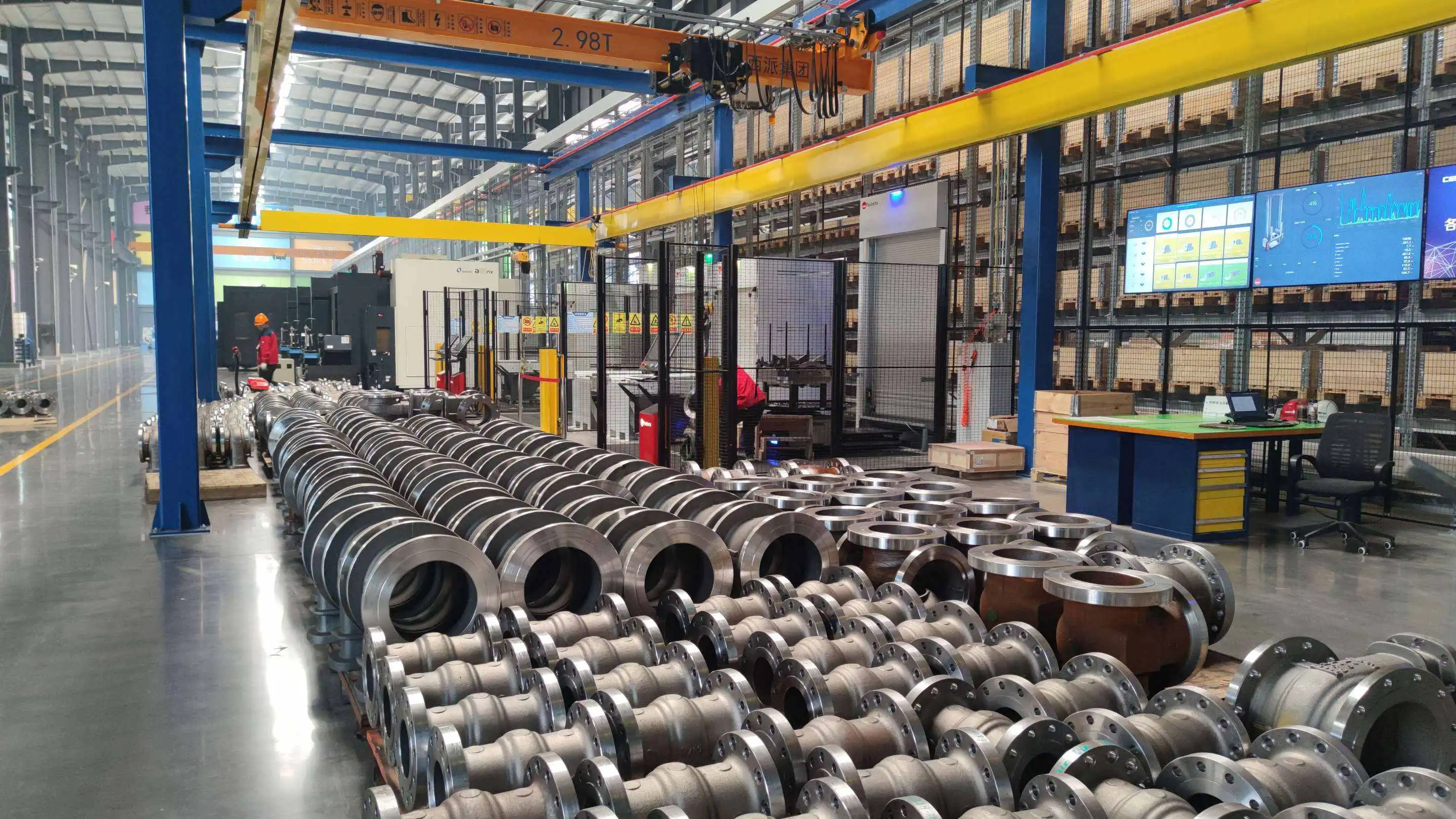
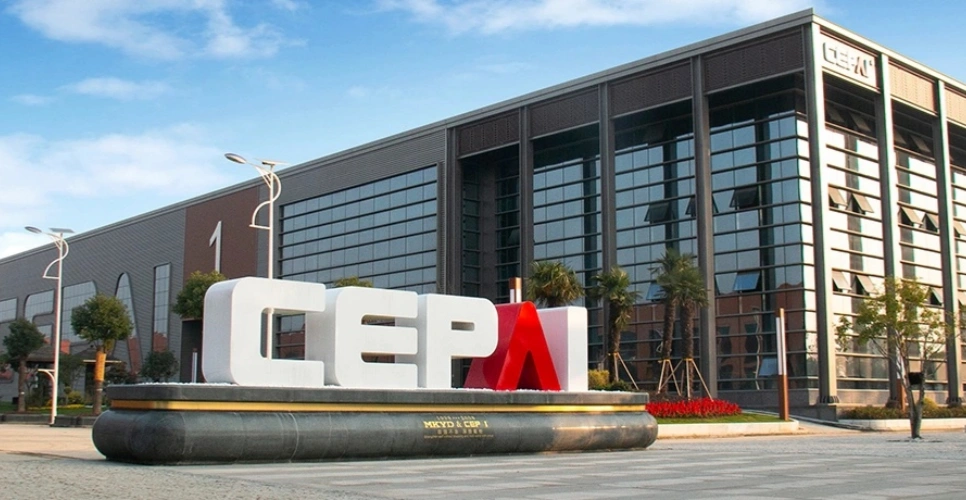
The CEPAI Group is ready to provide world-class high-temperature ball valve options that are custom-made for Kazakhstan's tough industrial uses. As a top maker of high-temperature ball valves High Temperature Ball Valve with full API certifications and years of experience in the oil and gas, petrochemical, and power production industries, we offer full technical support and custom valve specs. Our advanced manufacturing skills, which include the most advanced and clever production lines in the Asia-Pacific area, guarantee the highest quality and dependability. Get in touch with our technical experts at cepai@cepai.com to talk about your unique needs and find out how our high-temperature ball valve supply knowledge can help you run your business more efficiently while providing better performance and value.
References
1. Industrial Valve Technology and Applications in High-Temperature Service, Mechanical Engineering Publications, 2023
2. Materials Engineering for Extreme Temperature Industrial Applications, International Journal of Materials Science, Vol. 45, 2023
3. Kazakhstan Industrial Infrastructure Development and Equipment Requirements, Central Asian Industrial Review, 2023
4. High-Temperature Flow Control Systems: Design and Performance Analysis, Process Engineering Quarterly, Issue 3, 2023
5. Comparative Analysis of Industrial Valve Technologies for Petrochemical Applications, Chemical Engineering Research Journal, Vol. 28, 2023
6. Maintenance Strategies for Critical Industrial Components in Harsh Environments, Industrial Maintenance and Reliability Handbook, 4th Edition, 2023
_1746598557316.webp)
Get professional pre-sales technical consultation and valve selection services, customized solution services.
About CEPAI