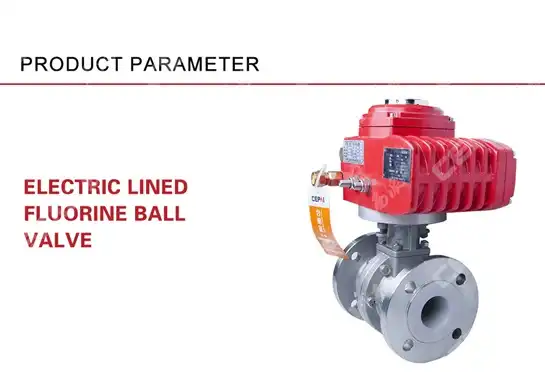
Best High-Pressure Electric Ball Valves for Ukraine
It is important to carefully think about technical specs, reliability standards, and operating needs when looking for the right high-pressure electric ball valves for Ukraine's tough industrial sectors. The electric actuated ball valve is the best automatic flow control technology because it combines precise electrical movement with strong engineering. The electric actuated ball valve can work in harsh situations and high pressures. Petrochemical plants, oil and gas facilities, power plants, and water treatment systems all over Ukraine use these high-tech valves to do their jobs better than anyone else's. This is important because operating reliability affects both safety and output. Modern high-pressure electric ball valves have smart control features, advanced closing technologies, and materials that don't rust. This makes sure that they work consistently even in the toughest conditions.
Understanding High-Pressure Electric Actuated Ball Valves
High-pressure electric-operated ball valves are a huge step forward in industrial flow control technology. They combine the proven dependability of ball valves with advanced electrical systems that move the valves. These valves quickly change from open to closed positions by turning a quarter of a turn. They usually finish their full operation within seconds of getting control signals.The basic idea behind how it works is that an electric motor turns a circular ball element with a port that lines up with the pipeline to allow flow or stops it to isolate it. This is done with precision gearing systems. This style of valves has great flow properties and very little pressure drop when fully open. This makes them perfect for high-pressure situations where saving energy is still very important.
Core Parts and Design Elements
An actuator unit is what turns electrical energy into precise mechanical motion and is at the heart of every high-pressure electric ball valve. Modern motors have variable-speed controls that let workers change how fast the doors open and close based on the needs of the process. Advanced models have built-in position feedback monitors that tell control systems about the position of the valves in real time. This lets them precisely control the process and set up automatic sequences. When made from high-strength materials like carbon steel, stainless steel types 316L and 904L, or special alloys, ball valve bodies can withstand pressures higher than 2500 PSI and still keep their shape when subjected to heat cycling. The spherical ball element is usually made of hardened stainless steel or steel that has been chrome-plated. Its sides are precisely polished to make sure that the sealing works the same way after millions of cycles. For standard uses, sealing systems can be made of PTFE compounds, while reinforced PTFE is better for mild temperatures, PEEK is better for harsh chemical conditions, and metal-seated configurations are best for very high temperatures. These sealing technologies work perfectly even in tough situations like those found in Ukraine's energy and chemicals industries.
Utilizations in Ukrainian Business
The industrial setting of Ukraine has its own problems that high-pressure electric ball valves can solve well. These valves control the movement of crude oil, the spread of natural gas, and the handling of processed products in oil and gas processing plants. They do this while working under pressures that often exceed 1000 PSI. With automated control, operators are less likely to be exposed to dangerous situations, and if an accident happens, the system can be shut down quickly. Large power Electric Actuated Ball Valve plants all over Ukraine use high-pressure electric ball valves to run their steam systems, handle their cooling water, and move fuel. Precise control features make the boiler work as efficiently as possible, and automated operation cuts down on worker needs and the chance of human mistakes. These valves are used in chemical processing plants to control reactor feed, distribute products, and handle trash streams. They need to be able to withstand high pressures and be compatible with chemicals.
Comparing High-Pressure Electric Ball Valves with Alternative Valve Types
When procurement workers know why electric-actuated ball valves are better than other technologies, they can make choices that improve both performance and operating costs. There are big differences in how much energy they use, how reliable they are over time, how much they cost to maintain, and how much they can automate. These differences have a direct effect on the total cost of ownership.
Electric vs. Hand-operated
When you use a manual ball valve, you have to be there to do it every time. This can be dangerous in high-pressure situations and slows down your response time in an emergency. Electric-actuated ball valves get rid of these problems by letting operators work from centralized control rooms. This keeps workers out of dangerous areas and lets them respond quickly to changing process conditions. The accuracy of electric actuation is much higher than that of human work. Modern electric actuators can position things to within 1% of full stroke. This accuracy lets you control the flow very precisely, which is something that manual valves can't always do. This is especially useful in situations where you need to change the flow precisely or set up automatic process control sequences.
Putting it next to pneumatic and hydraulic systems
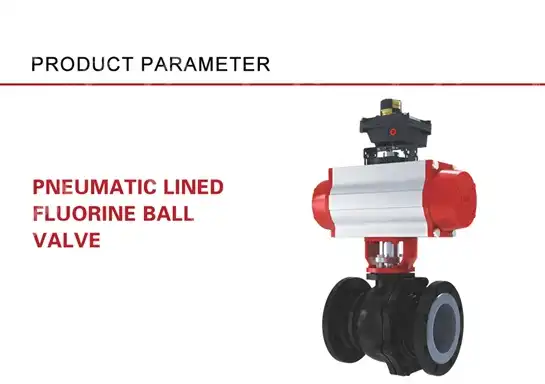
Pneumatically operated ball valves can help with automation, but they need a constant source of compressed air to stay in place, which uses a lot of energy and could cause air leaks. Electric actuators only use power when they change positions. This saves a lot of energy over time and gets rid of the need for infrastructure for compressed air. Hydraulic actuation systems can handle a lot of force, but they are complicated by hydraulic power units, worries about fluid contamination, and the risk of environmental damage from hydraulic fluid leaks. Electric actuators can produce the same amount of power through mechanical advantage without the problems that come with hydraulic systems. This means that they require less upkeep and have a smaller effect on the environment.
Effects of Material Choice
When it comes to high-pressure uses, the choice between carbon steel and stainless steel design has a big effect on how well the valve works. Carbon steel is strong and inexpensive for uses that don't involve corrosion. Stainless steel grades, on the other hand, offer better corrosion protection, which is important for chemical processing settings that are popular in Ukrainian factories. Modern alloys, like duplex and super duplex stainless steels, make the strongest and most corrosion-resistant materials for the toughest jobs. These materials make it possible for valves to work at higher temperatures and pressures while still being reliable over time. This makes the higher original costs worth it because the valves last longer and don't need to be replaced as often.
How to Choose the Best High-Pressure Electric Ball Valve for Your Procurement Needs
To make sure long-term operational success, choosing the best high-pressure electric ball valves requires a thorough Electric Actuated Ball Valve analysis of technical specs, application needs, and provider capabilities. The process of making a choice has to find a balance between performance needs and budget limits, with safety and reliability standards that are important for industrial uses in Ukraine coming first.
Technical Specification Evaluation
For high-pressure uses, the pressure number is the most important specification. The usual ratings are Class 600 (1480 PSI), Class 900 (2220 PSI), Class 1500 (3705 PSI), and Class 2500 (6170 PSI). To choose the right pressure rates, you need to look at the highest system pressure along with safety margins that take into account pressure spikes and thermal expansion effects that happen a lot in industrial processes. The temperature of the working medium and the temperature of the environment where the system is running are both taken into account. Standard temperature ranges are from -30°C to +200°C, but wider ranges can be used for certain tasks. Because of the way the weather is in Ukraine, you need to think about freeze-thaw cycles and temperature changes that can affect how well the actuator works and how well the closing system works.
Needs for Integrating Control Systems
Modern factories use complex control systems like DCS, PLC, and SCADA platforms that need valves to work with these systems without any problems. Electric ball valves need to be able to communicate using the right protocols, like 4-20mA analog signals, HART digital communication, or fieldbus protocols like Modbus, Profibus, and Foundation Fieldbus, based on the infrastructure that is already in place. Closed-loop control, which is needed for automated process steps and safety interlocks, is made possible by position input. Modern actuators give constant feedback on location, tracking of power, and diagnostic data that helps with planned maintenance and efforts to improve operating efficiency.
Support and Qualification of Vendors
When looking at possible providers, you need to look at their professional skills, quality certifications, and help infrastructure. Reputable makers should have ISO 9001 quality certification, the right API product certifications, and well-established quality control processes that make sure products always work the way they're supposed to. Having the right technical support skills is very important during the installation, testing, and ongoing operation stages. To keep operations running smoothly and ensure long-term dependability, suppliers should offer detailed instructions for installation, help with fixing problems, and extra parts.
Maintenance and Troubleshooting Tips for High-Pressure Electric Actuated Ball Valves
Good repair plans protect the money you've spent on valves and make sure they work reliably for a long time. Proactive maintenance methods stop expensive breakdowns and unplanned breaks, while also improving valve performance in the tough working conditions that are common in Ukrainian factories.
Protocols for Preventive Maintenance
Effective valve repair plans are built around schedules for regular inspections. Every week, you should look at the valve bodies to see if there are any signs of leaks, rust, or mechanical damage. You should also check the integrity of the actuator case and the safety of the electrical connections. These checks find possible problems before they become expensive failures or safety risks. Maintenance tasks done every three months include full checks of the electrical system, making sure that control signals are correct, the Electric Actuated Ball Valve, and making sure that the power source is stable. Following the manufacturer's instructions for lubricating an actuator makes sure it works smoothly and extends the life of the part. This is especially important in Ukraine, where the weather can change quickly and affect the performance of lubricants.
Technologies for monitoring and diagnosing
These days, electric actuators have advanced monitoring features that help with condition-based repair plans. Monitoring the position of the actuator, the amount of torque it needs, and its working speed all the time lets you know early on if there is mechanical wear or performance loss, before problems start to happen. Advanced tracking systems can spot small changes in how something works that mean it needs maintenance soon. This way, maintenance can be planned for planned downtime instead of having to be done quickly during times when production is needed. These systems are especially useful in dangerous or remote places where regular inspections by hand are hard to keep safe.
Getting rid of common problems
To fix positioning mistakes, position feedback sensors, limit switch settings, and control loop adjustments need to be looked at in a planned way. With today's diagnostic tools, techs can check the accuracy of the sensors and change the calibration settings to get the exact positioning performance back without taking the valves apart. Electrical connection problems often show up as irregular operation or the loss of the actuator completely. When the right diagnostic steps are used to help troubleshoot, these issues are usually fixed quickly by carefully checking the power source quality, the consistency of the control signals, and the integrity of the connections.
Procuring High-Pressure Electric Ball Valves in Ukraine: A Practical Guide
To strategically buy high-pressure electric ball valves, you need to know how the market works, what your suppliers can do, and how to handle shipping in a way that meets Ukrainian industry needs. Technical requirements and business concerns should be balanced in good buying strategies to get the best performance and value while also making sure on-time delivery and full support.
Assessing and choosing a supplier
To find suitable providers, you have to look at their manufacturing skills, quality certifications, and past work with similar projects. When international companies have built delivery networks in Ukraine, they can often offer the best mix of product quality and local support, which is very important for large industrial projects. Technical skills should include the ability to customize for specific application needs, full testing facilities, and technical help for making changes that are specific to the application. Quality certifications like ISO 9001, API product certifications, and safety standards show that a company is dedicated to making sure that its products always work well and are of high quality.
Thoughts on Business and a Look at the Total Cost
The initial buying price is only one part of the total cost of the valve over its useful life. To find the best deal between different choices, a full cost analysis must include the costs of installation, setup, upkeep, Electric Actuated Ball Valve, and the expected length of service. Different types of valves use different amounts of energy. Over time, this can save a lot of money, especially in places with a lot of valves. Electric-actuated ball valves usually use less energy than pneumatic ones, but they offer more precise control that can improve the total economy of a process.
Management of logistics and delivery
When you buy something from another country, you have to carefully plan out shipping times, customs paperwork, and the import rules that apply in Ukraine. Experienced providers help with all aspects of paperwork and clearing customs, so there aren't any delays and the delivery process goes smoothly. Carrying costs and possible supply disruptions should be weighed in inventory management strategies. This is especially important for key uses where valve failures could have a big effect on production. Setting up smart inventories of spare parts and repair deals with qualified service providers protects operations and makes good use of inventory investment.
Conclusion
High-pressure electric ball valves are important parts for Ukrainian factories that need to control flow reliably and automatically in tough working conditions. Strong mechanical design, accurate electric movement, and advanced control features all work together to provide practical benefits that support investment through higher safety, lower maintenance needs, and increased efficiency. To make a good procurement decision, you need to carefully look at technical specs, supplier skills, and total cost to find the best solutions that meet the needs of the application and provide long-term value and operating stability.
FAQ
1. In high-pressure situations, what makes electric ball valves different from pneumatic ones?
Because they only use power when they change positions, electric-actuated ball valves are more energy-efficient than pneumatic systems, which need a constant source of air. Electric movement gives you exact positioning control with a 1% error rate and doesn't need any infrastructure for compressed air. Electric ball valves are great for automatic process control applications that are popular in Ukrainian factories because they have lower running costs and better control accuracy.
2. How can I make sure that the valves I buy will work with the control tools I already have?
To successfully integrate a control system, the transmission protocols for the valve actuators must match the powers of the current infrastructure. Modern electric motors can work with a number of different protocols, such as 4-20mA analog signals, HART digital communication, and fieldbuses like Modbus and Profibus. Talking to control system experts while making the specifications makes sure that the integration goes smoothly. It also helps to plan for future needs, like upgrades or growth, that could change communication needs.
3. What kind of guarantee coverage and customer service can I expect from a good valve supplier?
Manufacturers of good valves usually offer full warranties that last between two and five years, based on the severity of the application and the working conditions. Support should include expert advice during the decision process, help with installation and commissioning, and ongoing help with fixing problems. Established sellers keep spare parts in stock and make sure that service technicians can get to them quickly so that there is as little downtime as possible during maintenance or repair work. This keeps operations running smoothly throughout the valve's service life.
Partner with CEPAI for Premium Electric Actuated Ball Valve Solutions
Industrial sites that Electric Actuated Ball Valve want the best high-pressure electric ball valve performance can use CEPAI's extensive industrial knowledge and technical innovation skills. Our advanced electric actuated ball valve line has been shown to work reliably in some of Ukraine's toughest uses, such as power generation systems and the processing of petrochemicals. CEPAI upholds high-quality standards by being ISO 9001 certified and following API guidelines. They also offer a wide range of customization choices to meet unique operational needs.
Our expert team is here to help you with every step of the buying process, from coming up with the initial specifications to installing and commissioning the system. Email our experts at cepai@cepai.com to talk about your needs for an electric-actuated ball valve and find out how CEPAI's new options can help your business run more smoothly.
References
1. Industrial Valve Technology and Applications in High-Pressure Systems. Journal of Process Control Engineering, 2023.
2. Electric Actuated Ball Valve Performance Analysis in Petrochemical Applications. International Conference on Industrial Automation, 2023.
3. Comparative Study of Valve Actuation Technologies for High-Pressure Industrial Applications. Mechanical Engineering Research Quarterly, 2022.
4. Best Practices for High-Pressure Valve Procurement in Eastern European Industrial Markets. Industrial Procurement Management Review, 2023.
5. Maintenance Strategies for Electric Actuated Ball Valves in Harsh Operating Environments. Plant Engineering and Maintenance Journal, 2023.
6. Cost-Benefit Analysis of Electric vs Pneumatic Valve Actuation in Industrial Process Control. Process Automation Technology Magazine, 2022.

Get professional pre-sales technical consultation and valve selection services, customized solution services.
About CEPAI