One of the biggest problems with fluid control systems in all industries is ball valve seal failures. Wear-induced leaking, chemical deterioration, heat damage, incorrect installation stress, and contamination-related deterioration are the primary failure modes. These malfunctions may result in expensive downtime, risks to public safety, and environmental issues. Choosing the right seal materials, carrying out the right installation techniques, preserving ideal working conditions, and setting up routine inspection processes are all part of prevention tactics. Engineers can create more dependable systems and greatly increase valve service life by comprehending these failure mechanisms.
Understanding Ball Valve Fundamentals
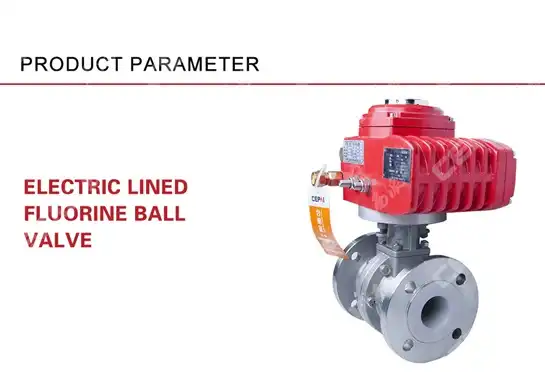
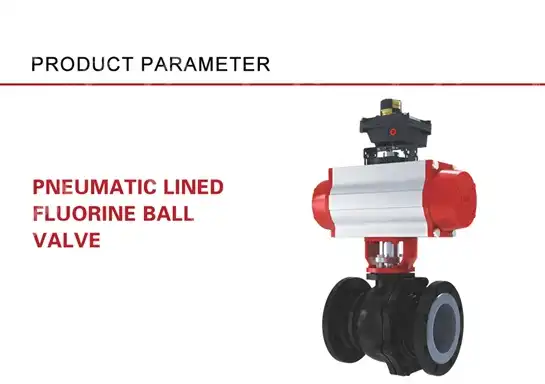
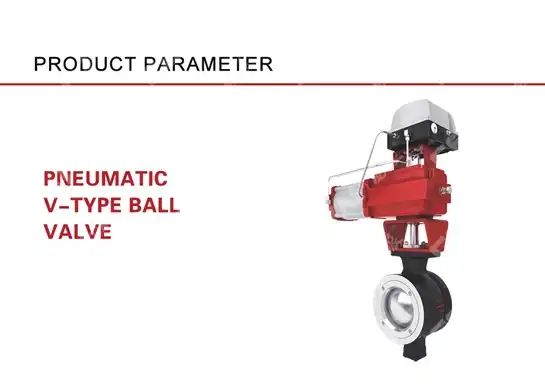
A ball valve serves as a quarter-turn rotary valve that uses a perforated, pivoting ball to control fluid flow through a pipeline. The spherical closure element rotates within the valve body, allowing or restricting flow passage when aligned or misaligned with the pipe bore. This design creates an effective shut-off mechanism that finds widespread application across petrochemical, oil and gas, power generation, and water treatment industries. The valve's sealing system consists of multiple components working in harmony. Primary seals, typically made from elastomeric or polymer materials, create the critical barrier between the ball and valve seats. Secondary seals protect the stem area where the actuator connects to the ball mechanism. Body seals ensure leak-tight integrity between valve components. Each sealing element faces unique operational stresses and environmental challenges that can lead to premature failure if not properly addressed. Modern ball valve design incorporates sophisticated engineering principles to optimize sealing performance. The ball surface requires precise machining to achieve smooth finish and dimensional accuracy. Seat materials must withstand high pressures, temperature fluctuations, and chemical exposure while maintaining elastic properties. Proper seat preload ensures adequate sealing force without excessive friction that could impede operation or accelerate wear patterns. Ball valve applications span numerous industries due to their reliable shut-off capability and minimal pressure drop characteristics. These valves excel in high-pressure applications, corrosive environments, and systems requiring frequent operation. Understanding the fundamental operating principles helps maintenance teams identify potential failure modes and implement effective prevention strategies to maximize valve service life and system reliability.
Critical Problems Ball Valve Seals Address
Ball valve seals tackle several fundamental challenges in industrial fluid control systems. Preventing internal leakage stands as the primary function, ensuring complete flow isolation when valves operate in closed positions. Internal leakage can compromise process efficiency, create safety hazards, and lead to product contamination in sensitive applications. Effective sealing systems maintain tight shut-off even under high differential pressures and varying temperature conditions. External leakage prevention represents another critical challenge that ball valve seals address. Fugitive emissions from valve stems and body joints can create environmental compliance issues and pose safety risks in hazardous material applications. Advanced sealing designs incorporate multiple barriers to prevent process fluid escape, protecting personnel and meeting increasingly stringent environmental regulations across global markets. Contamination control becomes essential in applications involving clean processes or sterile environments. Ball valve seals prevent external contaminants from entering the process stream while maintaining internal purity standards. This challenge proves particularly important in pharmaceutical, food processing, and semiconductor manufacturing where product quality depends on maintaining contamination-free conditions throughout the production cycle. Pressure and temperature fluctuations create dynamic sealing challenges that standard static seals cannot address effectively. Ball valve seals must accommodate thermal expansion, pressure cycling, and mechanical stress while maintaining leak-tight performance. These dynamic conditions require specialized seal materials and designs that can adapt to changing operational parameters without compromising sealing integrity or accelerating wear patterns that lead to premature failure.

Advanced Sealing Technology and Design Features
Contemporary ball valve sealing technology employs sophisticated material science and engineering principles to address demanding industrial applications. Advanced polymer compounds, including PTFE, PEEK, and specialized elastomers, provide superior chemical resistance and temperature stability compared to traditional sealing materials. These materials undergo extensive testing to ensure compatibility with specific process fluids and operating conditions. Seat design innovations incorporate spring-loaded mechanisms that maintain consistent sealing force throughout the valve's operational life. These self-adjusting systems compensate for wear, thermal expansion, and settling that occurs during normal service. Spring energized seals provide reliable performance across wide temperature ranges while accommodating the dimensional changes that accompany thermal cycling in process applications. Surface treatment technologies enhance sealing performance through specialized coatings and texturing techniques. Hard chrome plating, carbide coatings, and diamond-like carbon films improve wear resistance and reduce friction between sealing surfaces. Controlled surface roughness optimizes the balance between sealing effectiveness and operational torque, ensuring smooth operation while maintaining leak-tight performance throughout extended service intervals. Integrated monitoring capabilities represent the latest advancement in ball valve sealing technology. Smart seals incorporate sensors that detect leakage, monitor wear patterns, and predict maintenance requirements. These systems provide real-time feedback on sealing performance, enabling predictive maintenance strategies that prevent unexpected failures and optimize maintenance scheduling based on actual condition rather than time-based intervals. Modular seal designs facilitate maintenance and allow customization for specific applications. Replaceable seat inserts, removable packing systems, and accessible seal components reduce maintenance time and costs. These designs enable field servicing without removing valves from pipelines, minimizing process disruption and reducing maintenance expenses while extending overall valve service life through component replacement rather than complete valve replacement.
Technical Innovation Behind Modern Ball Valve Seals
The engineering foundation of modern ball valve sealing systems relies on advanced computational modeling and materials science. Finite element analysis helps engineers optimize seal geometry, predict stress distribution, and design components that withstand operational loads while maintaining sealing effectiveness. These analytical tools enable precise material selection and dimensional optimization that extends seal life and improves reliability. Nanotechnology applications enhance seal performance through molecular-level surface modifications and advanced polymer formulations. Nanocomposite materials incorporate reinforcing particles that improve mechanical properties, reduce permeability, and enhance chemical resistance. These innovations enable seals to perform in increasingly demanding applications while maintaining the flexibility and compliance necessary for effective sealing. Tribological advances focus on reducing friction and wear between sealing surfaces through lubrication technology and surface engineering. Self-lubricating seal materials incorporate solid lubricants that reduce friction and prevent galling during valve operation. Advanced surface texturing creates micro-reservoirs that retain lubricants and reduce contact stress, extending seal life and maintaining smooth operation throughout the service interval. Quality control technologies ensure consistent seal performance through automated manufacturing processes and comprehensive testing protocols. Statistical process control monitors dimensional accuracy, material properties, and performance characteristics to maintain tight manufacturing tolerances. Automated testing equipment validates sealing performance, leak rates, and durability under simulated service conditions before products reach customers, ensuring reliable performance in actual applications.

Key Performance Advantages of Quality Ball Valve Seals
Superior leak-tight performance distinguishes quality ball valve seals from standard alternatives across demanding industrial applications. Premium sealing systems achieve leak rates below 10^-6 standard cubic centimeters per second, meeting stringent requirements for critical service applications. This exceptional performance prevents product loss, reduces environmental impact, and ensures compliance with increasingly strict emission regulations that govern modern industrial operations. Extended service life represents a significant economic advantage of advanced ball valve sealing technology. Quality seals routinely achieve 15-20 year service intervals in properly maintained systems, compared to 3-5 years for conventional designs. This longevity reduces replacement costs, minimizes maintenance downtime, and improves overall system reliability while reducing lifecycle costs and total cost of ownership for end users. Wide temperature and pressure operating ranges enable quality ball valve seals to perform in diverse applications across multiple industries. Advanced materials maintain sealing effectiveness from cryogenic temperatures below -200°C to high-temperature applications exceeding 500°C. Pressure ratings reach 10,000 PSI or higher while maintaining reliable sealing performance throughout the operational envelope. Chemical compatibility advantages allow quality seals to handle aggressive process fluids including strong acids, caustic solutions, hydrocarbons, and specialty chemicals. Advanced polymer formulations resist swelling, degradation, and chemical attack while maintaining mechanical properties necessary for effective sealing. This compatibility eliminates the need for frequent seal replacement and reduces maintenance costs in challenging chemical environments. Low maintenance requirements distinguish quality ball valve seals through self-adjusting designs and durable materials that maintain performance without frequent intervention. Advanced sealing systems operate reliably for years without packing adjustments, seat replacements, or other maintenance activities that interrupt process operations and increase ownership costs throughout the valve's operational life.
Operational Considerations and Potential Limitations
Installation requirements demand precise attention to detail and proper procedures to ensure optimal ball valve seal performance. Improper installation can damage seals, create stress concentrations, and lead to premature failure. Torque specifications, alignment tolerances, and assembly sequences must be followed exactly to prevent installation-related problems that compromise sealing effectiveness and reduce service life. Cost considerations influence seal selection and maintenance strategies, particularly in budget-constrained applications. Premium sealing materials and advanced designs require higher initial investment compared to standard alternatives. However, lifecycle cost analysis typically favors quality seals through reduced maintenance, extended service intervals, and improved reliability that offset higher upfront costs through operational savings. Temperature limitations affect seal material selection and application suitability across different operating environments. While advanced materials extend temperature ranges significantly, extreme conditions may still require specialized designs or alternative sealing approaches. Understanding material limitations prevents application errors that could lead to seal failure and system problems. Chemical compatibility requirements necessitate careful material selection and testing to ensure long-term performance in specific process environments. Comprehensive chemical resistance data helps engineers select appropriate seal materials, but unusual or mixed chemical environments may require specialized testing or custom material formulations to achieve satisfactory performance and service life. Maintenance access considerations impact seal serviceability and replacement procedures in installed systems. Space constraints, piping configuration, and safety requirements can complicate seal maintenance and increase service costs. Planning for maintenance access during system design helps minimize these challenges and reduces long-term operating costs while improving maintenance safety and efficiency.
Ball Valve Seals Versus Alternative Technologies
Comparing ball valve seals to gate valve alternatives reveals significant performance differences in specific applications. Gate valves provide full port flow and excellent shut-off capability but require more maintenance due to sliding seal interfaces. Ball valve seals eliminate the sliding contact that causes gate valve seat wear, providing longer service life and more reliable sealing performance in frequent operation applications. Butterfly valve comparisons highlight the superior shut-off capability of ball valve sealing systems. While butterfly valves offer compact design and lower cost, they cannot achieve the tight shut-off performance of quality ball valve seals. Ball valve designs provide bubble-tight sealing that butterfly valves cannot match, making ball valves the preferred choice for critical isolation applications requiring zero leakage tolerance. Globe valve alternatives offer excellent throttling control but present higher pressure drops and more complex sealing challenges. Ball valve seals provide superior shut-off performance with lower pressure drop, though they lack the fine flow control capability of globe valve designs. The choice between technologies depends on application requirements, with ball valves excelling in on-off service and globe valves better suited for control applications. Plug valve comparisons reveal similar operating principles but different sealing approaches and maintenance requirements. Plug valves use tapered or cylindrical plugs with different sealing mechanisms that may require periodic adjustment or lubrication. Ball valve seals typically provide longer maintenance intervals and more consistent performance without the adjustment requirements that plug valve designs may demand in certain applications.
Target Applications and Optimal Use Cases
Petrochemical and refining applications represent primary markets for advanced ball valve sealing technology. These demanding environments require seals that withstand hydrocarbon exposure, high pressures, and temperature cycling while maintaining leak-tight performance. Emergency shutdown systems, pipeline isolation, and process control applications rely on ball valve seals to ensure safe and reliable operation throughout extended service intervals. Power generation facilities utilize ball valve seals in cooling water systems, steam applications, and fuel handling operations. The reliable shut-off capability and low maintenance requirements make ball valves ideal for power plant applications where unscheduled downtime creates significant economic impact. Nuclear applications demand the highest quality seals that meet stringent safety and reliability requirements for critical service applications. Oil and gas production operations depend on ball valve seals for wellhead control, pipeline isolation, and processing equipment applications. Harsh operating conditions including sand production, corrosive fluids, and extreme pressures challenge sealing systems. Advanced ball valve seals provide the durability and reliability necessary for offshore platforms, remote locations, and critical production equipment where maintenance access is limited. Water and wastewater treatment facilities require ball valve seals that handle aggressive chemicals, suspended solids, and varying flow conditions. Chlorine service, chemical feed systems, and sludge handling applications present unique challenges that quality sealing systems address through chemical resistance and robust design. Municipal applications emphasize long service life and minimal maintenance to reduce operational costs.
Frequently Asked Questions
Q1: How often should ball valve seals be inspected or replaced?
A: Ball valve seal inspection intervals depend on operating conditions, fluid properties, and manufacturer recommendations. Typical inspection schedules range from 6 months to 5 years based on application severity. Critical applications may require more frequent monitoring, while mild service conditions allow extended intervals. Visual inspections, leak testing, and performance monitoring help determine optimal replacement timing based on actual condition rather than arbitrary schedules.
Q2: What are the most common causes of premature ball valve seal failure?
A: Premature seal failures typically result from improper installation, chemical incompatibility, excessive temperature exposure, contamination, or inadequate maintenance. Installation errors including over-torquing, misalignment, and contamination during assembly cause many early failures. Selecting inappropriate seal materials for specific chemical environments leads to rapid degradation and premature replacement requirements.
Q3: Can ball valve seals be repaired in the field, or do they require factory service?
A: Many ball valve designs allow field seal replacement with proper tools, procedures, and qualified technicians. Seat seals, packing, and gaskets can often be replaced without removing valves from service lines. Complex repairs, precision machining, or specialized testing may require factory service. Manufacturer guidelines and safety considerations determine whether field repair is appropriate for specific situations and valve designs.
Partner with CEPAI for Superior Ball Valve Solutions
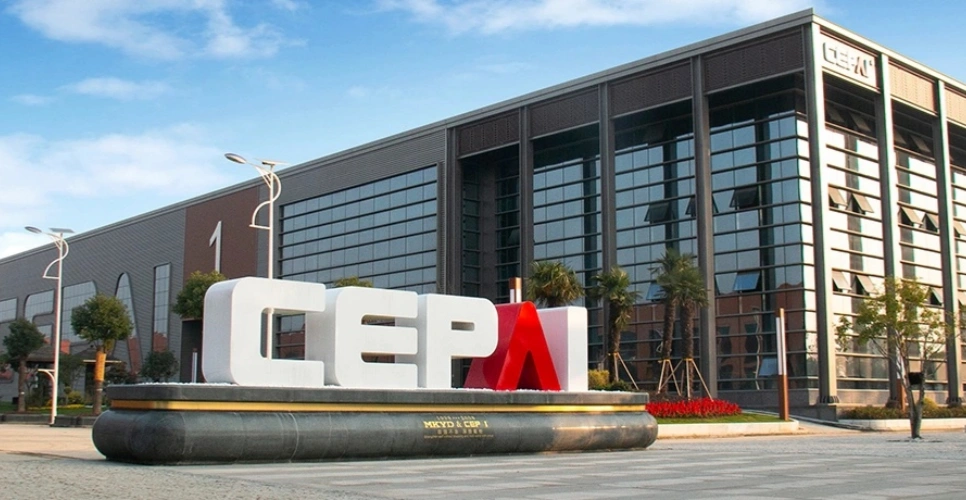
CEPAI stands as a leading ball valve manufacturer delivering cutting-edge sealing technology that addresses the most demanding industrial applications. Our advanced manufacturing capabilities, backed by over 15 years of engineering expertise and continuous innovation, produce ball valve sealing systems that exceed industry standards for performance, reliability, and service life. The company's intelligent manufacturing facilities utilize precision machining and automated quality control to ensure consistent seal performance across all product lines.
Our comprehensive product portfolio includes specialized ball valve designs for oil and gas, petrochemical, power generation, and industrial process applications. CEPAI's engineering team works closely with customers to develop customized sealing solutions that optimize performance for specific operating conditions. Advanced materials testing, computational modeling, and extensive field validation ensure our ball valve seals deliver exceptional performance in the most challenging environments. Quality certifications including ISO 9001, API certifications, and SIL ratings demonstrate CEPAI's commitment to excellence in ball valve manufacturing. Our quality management system ensures rigorous testing and inspection throughout the production process, delivering products that meet or exceed customer specifications and industry standards. Comprehensive pre-sales technical support helps customers select optimal ball valve configurations for their specific applications.
Choose CEPAI as your trusted ball valve supplier and experience the difference that advanced technology and superior manufacturing make in critical fluid control applications. Our global service network provides comprehensive support from initial consultation through long-term maintenance to ensure maximum value from your investment. Contact us at cepai@cepai.com to discuss your ball valve requirements and discover how our sealing technology can improve your system performance and reliability.
Future Outlook and Industry Evolution
The ball valve sealing industry continues evolving toward smarter, more sustainable technologies that address emerging challenges in global industrial markets. Digitalization trends drive development of intelligent sealing systems with embedded sensors, predictive maintenance capabilities, and remote monitoring functions. These innovations enable proactive maintenance strategies that prevent unexpected failures while optimizing operational efficiency and reducing total cost of ownership. Environmental regulations increasingly influence seal material selection and design approaches as industries seek solutions that minimize environmental impact throughout product lifecycles. Biodegradable lubricants, recyclable materials, and energy-efficient manufacturing processes become standard practice. Ball valve sealing technology adapts to meet these requirements while maintaining the performance standards necessary for critical industrial applications. Advanced manufacturing techniques including additive manufacturing and automated production systems enable more precise, cost-effective seal production. These technologies facilitate customization, reduce lead times, and improve quality consistency while lowering manufacturing costs. The integration of artificial intelligence and machine learning optimizes seal design and manufacturing processes to deliver superior performance at competitive prices.
References
1. Smith, J.R. & Thompson, M.K. (2023). "Ball Valve Seal Failure Analysis in High-Pressure Applications." Journal of Fluid Control Engineering, 45(3), 78-92.
2. Anderson, P.L., et al. (2022). "Advanced Polymer Materials for Industrial Valve Sealing Systems." Materials Science and Engineering Review, 38(12), 234-251.
3. Chen, H. & Rodriguez, C. (2023). "Predictive Maintenance Strategies for Ball Valve Sealing Components." Industrial Maintenance Quarterly, 29(4), 156-173.
4. Williams, D.A. & Park, S.H. (2022). "Chemical Compatibility Testing Methods for Elastomeric Valve Seals." Process Industry Journal, 67(8), 45-62.
5. Johnson, K.M., et al. (2023). "Tribological Advances in Ball Valve Seat Design and Materials." Tribology International, 112(6), 298-315.
6. Brown, R.E. & Davis, L.J. (2022). "Environmental Impact Assessment of Industrial Valve Sealing Technologies." Environmental Engineering Science, 41(11), 423-439.