What are the main requirements for nuclear power plant ball valves? Adherence to stringent standards is crucial because the nuclear sector requires the highest levels of safety and dependability. ASME Section III for nuclear facility components, IEEE 382 for actuator qualification, ASME/ANS RA-S for risk assessment, and 10 CFR Part 50 Appendix B for quality assurance procedures are important standards. Throughout their service life in nuclear environments, these criteria guarantee that ball valves can endure harsh circumstances while retaining leak-tight integrity and operational reliability.
What is Ball Valve?
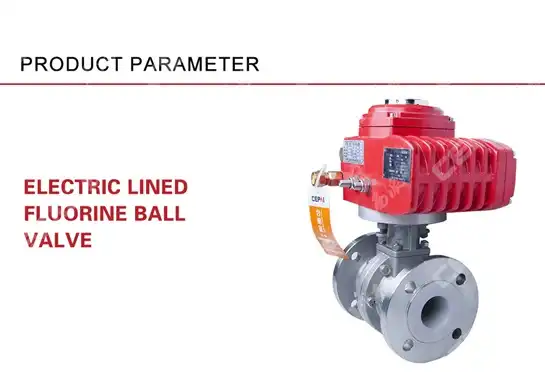
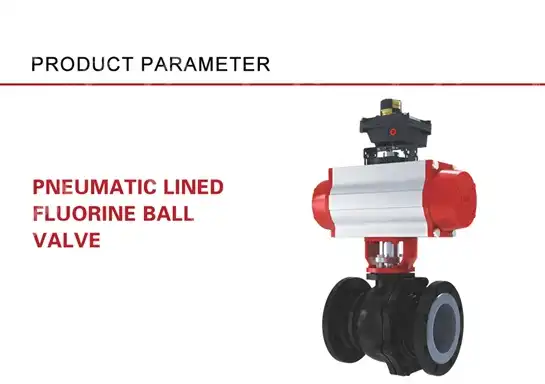
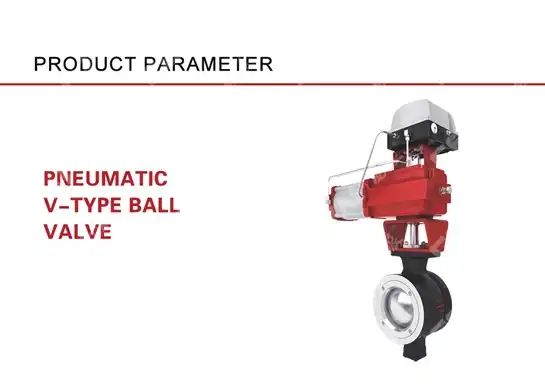
One of the most dependable and popular flow control tools in industrial settings is a ball valve. This valve's central component is a spherical closure device with a cylindrical bore that revolves inside the valve body to regulate fluid flow. Fluid passes through the valve freely when the bore and pipeline line up. The flow channel is totally blocked when the ball is rotated 90 degrees. A ball, seats, seals, a stem, and an actuator mechanism are all included within a sturdy body construction in the basic design. Ball valves are especially well-suited for critical applications where dependable shut-off capabilities are crucial because of their simple and efficient construction. The internal ball and exterior operating mechanisms, such as automated actuators or manual handles, are connected by the ball valve stem. In nuclear power applications, ball valves serve as isolation devices, emergency shutdown components, and flow control elements. Their quarter-turn operation allows for rapid response during emergency situations. The ball valve sealing mechanism creates a tight barrier against fluid leakage, which becomes absolutely crucial when handling radioactive materials or maintaining containment integrity. Modern ball valve automation systems integrate sophisticated control mechanisms that enable remote operation and monitoring. These advanced systems provide real-time feedback on valve position, operating torque, and seal integrity. Ball valve actuator technology has evolved to include fail-safe features that automatically position valves in predetermined safe states during power failures or control system malfunctions.
The Problem It Solves in Nuclear Applications
Nuclear power plants face unique challenges that conventional industrial valves cannot adequately address. Radiation exposure creates material degradation issues that compromise valve performance over time. Traditional valve designs often require frequent maintenance in high-radiation environments, exposing personnel to unnecessary health risks and increasing operational costs. Ball valve flow control capabilities address the critical need for precise fluid management in reactor cooling systems, waste processing circuits, and containment isolation applications. The ability to achieve complete shut-off prevents cross-contamination between different fluid systems and maintains proper inventory control of radioactive materials. Emergency response scenarios demand valves that operate reliably under extreme conditions including high temperature, pressure, and radiation levels. Ball valve operation provides the quick-acting response needed during accident conditions. The simple ball valve control system reduces the likelihood of mechanical failures that could compromise plant safety systems. Maintenance accessibility becomes a major concern in nuclear environments where human exposure must be minimized. Ball valve maintenance requirements are typically lower than other valve types due to their robust construction and fewer moving parts. This design philosophy reduces the frequency of maintenance interventions and associated radiation exposure risks. Leak-tight performance requirements in nuclear applications exceed those found in conventional power generation. Ball valve sealing technology provides the bubble-tight shut-off capabilities necessary to prevent radioactive material release. The seat design creates metal-to-metal contact that maintains integrity even after extended service periods.
Core Features & Functionality Deep Dive
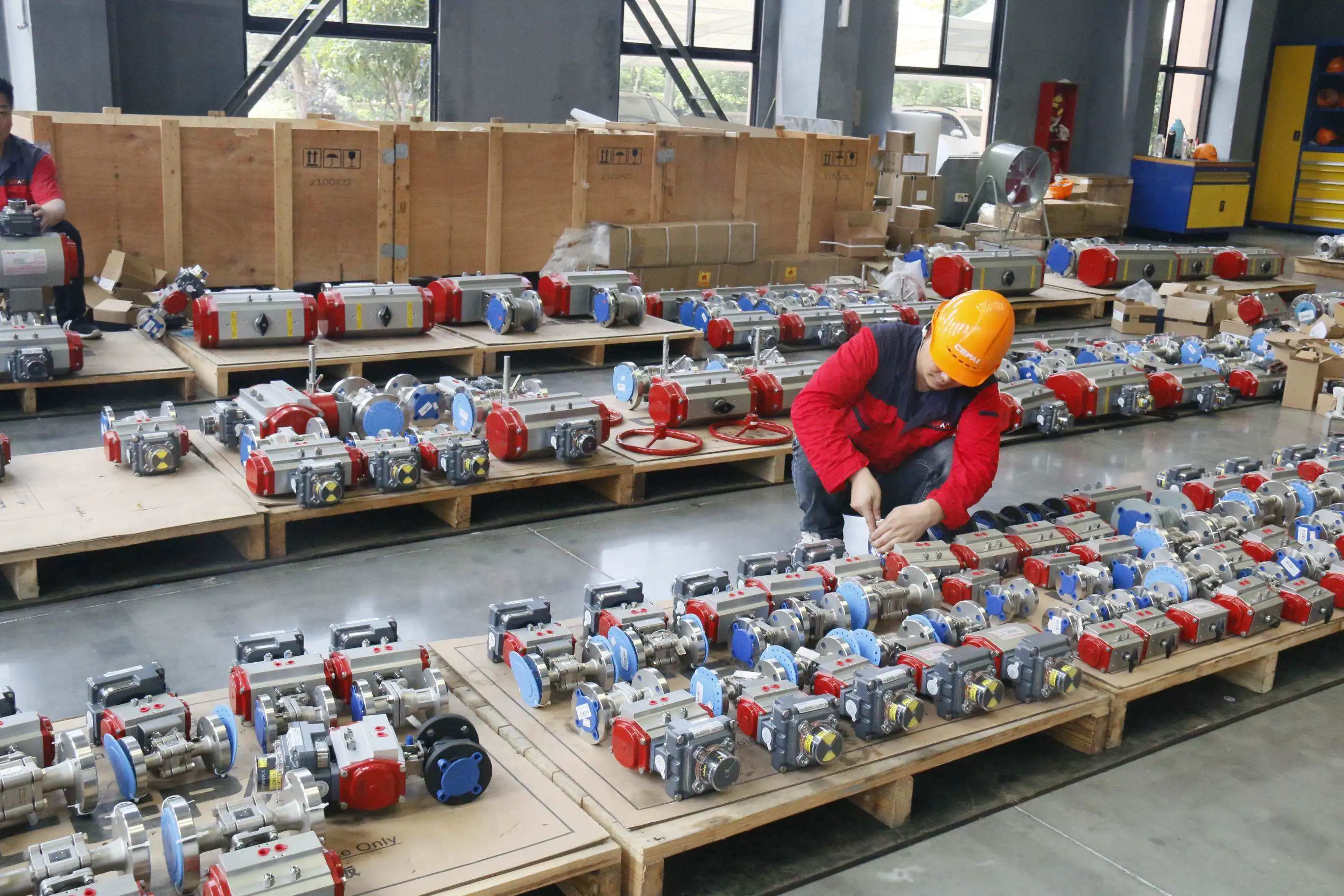
Nuclear-qualified ball valves incorporate specialized ball valve materials engineered to withstand radiation-induced material property changes. Stainless steel grades such as 316L and 347 resist radiation embrittlement while maintaining mechanical properties throughout their design life. Seat materials utilize radiation-resistant polymers or metal seats that provide reliable sealing under nuclear conditions. Ball valve pressure rating capabilities in nuclear applications often exceed 2500 PSI with temperature ratings up to 650°F. These extreme operating parameters require careful attention to thermal expansion, stress analysis, and fatigue resistance. The pressure boundary design incorporates safety margins that account for accident conditions and aging effects. Ball valve torque requirements vary based on valve size, pressure differential, and operating conditions. Nuclear applications often specify torque-limiting devices to prevent over-torquing that could damage sealing surfaces. Actuator sizing calculations include margin for increased friction due to radiation-induced changes in material properties. Ball valve installation procedures in nuclear plants follow rigorous quality assurance protocols. Each valve undergoes comprehensive testing including hydrostatic pressure testing, seat leakage testing, and functional cycling. Documentation requirements trace every component from raw materials through final installation and testing. Ball valve types used in nuclear service include floating ball, trunnion-mounted, and metal-seated configurations. Floating ball designs work well for smaller sizes and moderate pressures. Trunnion-mounted valves handle larger sizes and higher pressures while reducing actuator torque requirements. Metal-seated options provide fire-safe capabilities and extended service life. Ball valve sizes in nuclear applications range from small instrument valves under one inch to large isolation valves exceeding 36 inches. Size selection considers flow requirements, pressure drop limitations, and space constraints within plant layouts. Larger valves often require specialized handling equipment during installation and maintenance activities.
Technology Explained: Nuclear-Grade Engineering
Ball valve standards specific to nuclear applications build upon general industrial standards while adding requirements for radiation resistance, seismic qualification, and safety classification. ASME Section III provides the foundational requirements for nuclear facility components including design, materials, fabrication, and testing protocols. Quality assurance programs mandated by 10 CFR Part 50 Appendix B establish rigorous controls over every aspect of ball valve manufacturing and installation. These programs require documented procedures, trained personnel, calibrated equipment, and comprehensive record keeping. Suppliers must demonstrate their quality programs through audits and surveillance activities. Seismic qualification ensures that ball valves continue to function during earthquake events. Testing protocols subject valves to simulated seismic accelerations while monitoring their ability to operate and maintain pressure boundary integrity. Ball valve industry standards specify mounting requirements and structural analysis methods for seismic applications. Environmental qualification addresses the combined effects of temperature, pressure, humidity, and radiation on valve performance throughout the plant design life. Accelerated aging tests simulate decades of service conditions in compressed timeframes. These tests verify that valves will perform their intended functions when called upon during accident conditions. Ball valve control system integration involves sophisticated monitoring and diagnostic capabilities. Position feedback systems provide continuous indication of valve position. Torque monitoring detects changes in operating characteristics that might indicate developing problems. Remote diagnostic capabilities enable condition monitoring from control rooms.
Key Advantages: The Selling Points
Ball valve applications in nuclear service offer significant advantages over alternative valve designs. Quarter-turn operation provides rapid response capabilities essential for emergency shutdown systems. The simple operating mechanism reduces the likelihood of mechanical failures that could compromise plant safety functions. Maintenance advantages include reduced frequency requirements and simplified procedures. Ball valve handle operation can be easily automated while maintaining manual backup capabilities. The robust construction tolerates the harsh nuclear environment while providing reliable long-term performance. Ball valve leakage rates typically achieve Class VI shut-off performance, meeting the stringent requirements for nuclear isolation applications. Bubble-tight performance prevents radioactive material migration and maintains containment integrity. Advanced seat designs provide consistent sealing performance throughout the valve service life. Cost advantages emerge from reduced maintenance requirements, extended service life, and reliable performance. While initial costs may be higher than conventional valves, total lifecycle costs often favor ball valve solutions. Reduced outage time for maintenance activities provides significant economic benefits in nuclear applications. Operational flexibility allows ball valves to serve multiple functions including isolation, throttling, and emergency shutdown duties. Multi-port configurations enable complex flow routing arrangements within compact valve packages. Automated operation integrates seamlessly with plant control systems while maintaining manual override capabilities.

Potential Limitations & Considerations
Ball valve limitations include higher initial costs compared to simpler valve designs. Nuclear qualification requirements add significant expense to the procurement process. Specialized materials and manufacturing processes increase both cost and delivery timeframes. Cavitation concerns arise in certain flow conditions where pressure drops create vapor bubbles that collapse violently when pressure recovers. This phenomenon can damage ball surfaces and seats, reducing valve life. Proper sizing and application engineering help avoid cavitation conditions. Ball valve stem sealing presents challenges in nuclear applications where leakage to the environment must be prevented. Double packing arrangements with leak-off connections provide enhanced sealing capabilities. Stem extension designs minimize packing exposure to high-temperature conditions. Size limitations restrict ball valve applications in very large piping systems where gate valves may be more practical. Weight considerations become significant for large ball valves, requiring specialized handling equipment. Space requirements may exceed available installation envelopes in congested plant areas. Actuator compatibility requires careful coordination between valve suppliers and actuator manufacturers. Ball valve torque characteristics must match actuator capabilities throughout the operating range. Environmental qualification requirements apply to the complete valve-actuator assembly.
Ball Valve vs. The Competition
Gate valves represent the primary alternative for large isolation applications in nuclear service. While gate valves offer lower pressure drop in the fully open position, they require more complex maintenance procedures and longer stroke times. Ball valves provide superior shut-off capabilities and faster operation at the expense of slightly higher pressure drop. Globe valves excel in throttling applications but lack the tight shut-off capabilities of ball valves. The linear flow characteristic of globe valves provides better control accuracy for modulating service. However, ball valves offer simpler maintenance and more reliable operation for on-off applications. Butterfly valves compete in large-size, low-pressure applications where space and weight constraints favor their compact design. Ball valves provide superior sealing performance and bidirectional capabilities. The full-bore design of ball valves eliminates flow restrictions that can occur with butterfly valve disc configurations. Check valves serve different functions but may compete in applications requiring both flow control and backflow prevention. Ball valves with appropriate actuator controls can provide check valve functions while offering additional operational flexibility. Multi-port ball valve configurations can replace multiple conventional valves in complex piping arrangements.
Target Audience & Ideal Use Cases
Nuclear plant engineers and maintenance personnel represent the primary audience for nuclear-qualified ball valves. These professionals require detailed technical information about valve capabilities, limitations, and application requirements. Design engineers need comprehensive data to support valve selection and system design activities. Procurement specialists focus on qualification requirements, delivery schedules, and total lifecycle costs. They coordinate between technical requirements and commercial considerations to optimize valve selections. Quality assurance professionals ensure that procurement specifications address all regulatory and technical requirements. Ideal applications include reactor coolant system isolation, containment isolation, emergency core cooling systems, and radioactive waste processing circuits. Each application presents unique requirements for pressure, temperature, radiation resistance, and safety classification. Valve selection must consider both normal operating conditions and accident scenarios. Retrofit applications in existing nuclear plants present special challenges where space constraints and interface requirements limit valve options. Ball valve designs often provide performance improvements while fitting within existing installation envelopes. Upgraded automation capabilities enhance plant operational flexibility and safety margins. New plant construction projects allow optimization of valve selections based on the latest technology and regulatory requirements. Ball valve applications can be integrated into plant designs to minimize maintenance requirements and maximize operational reliability. Standardization efforts reduce spare parts inventory and training requirements.
Frequently Asked Questions
Q1: What radiation levels can nuclear-qualified ball valves withstand?
A: Nuclear-qualified ball valves are typically designed to withstand total integrated radiation doses of 10^8 to 10^9 rads, depending on the specific application and materials used. The exact radiation tolerance depends on the valve materials, with stainless steel components generally showing excellent radiation resistance while polymer seals may require more frequent replacement in high-radiation environments.
Q2: How often do nuclear ball valves require maintenance?
A: Maintenance intervals for nuclear ball valves typically range from 18 to 24 months, coinciding with scheduled plant refueling outages. However, the actual frequency depends on service conditions, valve design, and plant-specific maintenance programs. Many nuclear ball valves operate for decades with minimal maintenance due to their robust construction and high-quality materials.
Q3: Can ball valves provide fire-safe operation in nuclear plants?
A: Yes, specially designed metal-seated ball valves can provide fire-safe operation by maintaining pressure boundary integrity even when soft seals are damaged by fire or extreme temperatures. These valves meet API 607 fire testing requirements and provide backup sealing through metal-to-metal contact between the ball and seats.
Partner with CEPAI for Nuclear-Grade Ball Valve Solutions
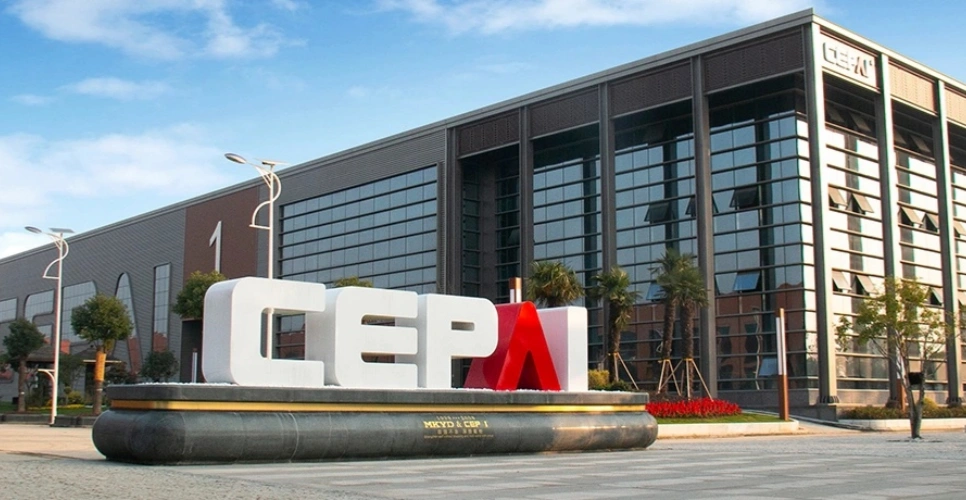
CEPAI stands as a trusted ball valve manufacturer with extensive experience in high-precision fluid control applications. Our commitment to quality and innovation aligns perfectly with the demanding requirements of nuclear power applications. We understand that nuclear facilities require components that deliver unwavering reliability throughout their operational lifetime. Our manufacturing capabilities include SIL-certified ball valve designs that meet the most stringent safety requirements. The CEPAI production facility features state-of-the-art intelligent manufacturing systems that ensure consistent quality and traceability. Our CNAS nationally recognized laboratory provides comprehensive testing capabilities to verify that every valve meets specified performance criteria.
Quality management systems at CEPAI encompass ISO 9001, ISO 14001, and ISO 45001 certifications, demonstrating our commitment to quality, environmental responsibility, and occupational safety. These management systems provide the foundation for the rigorous quality controls required in nuclear applications. Our experienced engineering team provides pre-sales technical consultation to ensure optimal valve selection for your specific requirements. As a leading ball valve supplier, CEPAI offers comprehensive support throughout the entire project lifecycle. Our technical experts work closely with your engineering teams to develop customized solutions that address unique application challenges. We provide detailed documentation packages that support nuclear qualification requirements and regulatory compliance.
When you need reliable ball valves for sale that meet nuclear industry standards, CEPAI delivers proven solutions backed by comprehensive testing and quality assurance programs. Our after-sales service network ensures ongoing support throughout the valve operational life. Contact us at cepai@cepai.com to discuss how our nuclear-grade ball valve solutions can enhance your facility's safety and operational reliability.
Conclusion & Future Outlook
Nuclear-qualified ball valves represent critical components that enable safe and reliable nuclear power generation. The stringent standards governing these valves ensure they can perform their essential functions under the most demanding conditions. As nuclear technology continues evolving toward smaller modular reactors and advanced designs, ball valve technology will adapt to meet new challenges while maintaining the proven reliability that makes them indispensable in nuclear applications. The investment in high-quality, standards-compliant ball valves pays dividends through enhanced safety margins, reduced maintenance requirements, and improved operational flexibility throughout the plant lifecycle.
References
1. American Society of Mechanical Engineers. "ASME Boiler and Pressure Vessel Code, Section III: Rules for Construction of Nuclear Facility Components." New York: ASME International, 2021.
2. Institute of Electrical and Electronics Engineers. "IEEE Standard 382: Standard for Qualification of Actuators for Nuclear Power Generating Stations." IEEE Standards Association, 2020.
3. Nuclear Regulatory Commission. "Code of Federal Regulations, Title 10, Part 50, Appendix B: Quality Assurance Criteria for Nuclear Power Plants." Washington, DC: U.S. Government Publishing Office, 2019.
4. American Nuclear Society. "ASME/ANS RA-S-1.4: Probabilistic Risk Assessment Standard for Advanced Non-Light Water Reactor Nuclear Power Plants." La Grange Park, IL: American Nuclear Society, 2021.
5. International Atomic Energy Agency. "Safety Standards: Design of the Reactor Coolant System and Associated Systems for Nuclear Power Plants." Vienna: IAEA Safety Standards Series No. SSG-56, 2020.
6. American Petroleum Institute. "API 607: Fire Test for Quarter-Turn Valves and Valves Equipped with Nonmetallic Seats." Washington, DC: American Petroleum Institute, 2016.
_1746598563385.webp)