When comparing efficiency in industrial applications, electronic ball valves regularly beat manual equivalents in the majority of operating circumstances. Electric ball valve systems outperform manual counterparts in terms of automation, precision control, and manpower requirements. While manual valves are simple and inexpensive to install, electric ball valve technology improves accuracy, allows for remote operation, and ensures constant performance under different situations. The efficiency advantage is determined by your unique application needs, operational frequency, and long-term operational objectives.
Understanding Ball Valve Fundamentals
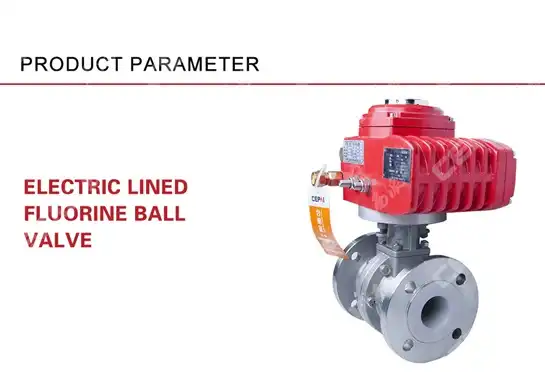
Ball valves represent one of the most versatile flow control solutions in modern industrial systems. These quarter-turn valves utilize a spherical closure element with a bore through its center, enabling rapid shut-off capabilities and excellent flow characteristics. Manual ball valves operate through direct physical manipulation using handles, levers, or gear operators. The simplicity of this design makes them reliable for basic on/off applications where human intervention is readily available. Electric ball valves integrate motorized actuators that convert electrical signals into mechanical motion. These automated valve systems respond to control signals from programmable logic controllers (PLCs), distributed control systems (DCS), or manual switches. Three core operational differences distinguish these valve types:
- Control method: Manual operation versus automated electrical control
- Response speed: Immediate manual action versus programmable timing
- Integration capability: Standalone operation versus system connectivity
If you need basic isolation functions with infrequent operation, manual valves offer adequate performance. However, if you require precise control with system integration capabilities, electric ball valve solutions provide superior functionality.

Performance Analysis: Speed and Accuracy
Electric actuators deliver consistent operating speeds typically ranging from 15 to 60 seconds for full stroke completion, depending on valve size and application requirements. Manual operation speed varies significantly based on operator skill and physical accessibility. Testing data from industrial applications shows electric ball valve systems achieve positioning accuracy within ±1% of set points, while manual operations can vary by ±5-10% due to human factors. This precision advantage becomes crucial in process control applications requiring tight flow regulation. Response time measurements indicate electric systems react within 2-5 seconds to control signals, whereas manual intervention requires 30-300 seconds depending on operator location and system accessibility. Remote monitoring capabilities allow electric valve systems to provide real-time position feedback through digital communication protocols. Repeatability testing demonstrates electric actuators maintain consistent performance across millions of cycles, while manual operations show increasing variation over time due to wear factors and operator changes. If you need rapid response times with consistent accuracy, electric ball valve technology offers clear advantages. Manual systems remain suitable when response speed requirements are less critical and human oversight is preferred.
Cost Analysis: Initial Investment vs Long-term Value
Initial procurement costs favor manual ball valves, typically ranging from $100-$1,500 depending on size and material specifications. Electric ball valve systems require higher upfront investment, generally $500-$5,000 including actuators and control components. Installation expenses vary significantly between valve types. Manual installations require minimal electrical work but may need additional accessibility considerations. Electric systems demand control wiring, power supplies, and integration with existing automation infrastructure. Operational cost analysis reveals interesting long-term patterns:
- Labor costs: Manual systems require continuous operator intervention
- Maintenance schedules: Electric actuators offer predictive maintenance capabilities
- Energy consumption: Electric systems consume power only during operation
- Downtime reduction: Automated systems enable faster response to process changes
Total cost of ownership calculations over 10-year periods often favor electric solutions in high-frequency applications. Manual valves maintain cost advantages in low-duty cycle applications with readily available operators. If you need to minimize initial capital expenditure, manual valves provide economical solutions. When operational efficiency and long-term value optimization are priorities, electric ball valve investments typically deliver superior returns.
Maintenance Requirements and Reliability
Manual ball valve maintenance focuses primarily on valve body components including seats, seals, and stem packing. Maintenance intervals typically range from 6-12 months depending on service conditions and media characteristics. Electric ball valve systems require additional attention to actuator components including motors, gearboxes, and electronic controls. However, predictive maintenance capabilities enable condition-based servicing rather than fixed-interval approaches. Reliability data from industrial installations shows manual valves achieving 99.2% availability in typical applications. Electric systems demonstrate 98.8% availability when properly maintained, with failures often related to power supply issues rather than mechanical components. Key maintenance considerations include:
- Environmental protection: Electric components require enclosure integrity
- Lubrication requirements: Electric actuators need periodic gearbox servicing
- Calibration needs: Position feedback systems require occasional adjustment
- Spare parts inventory: Electric systems need additional component types
Failure mode analysis indicates manual valves typically fail gradually with advance warning signs. Electric systems may experience sudden failures but often provide diagnostic information enabling proactive maintenance. If you need minimal maintenance complexity with basic diagnostic requirements, manual systems offer advantages. When predictive maintenance capabilities and advanced diagnostics are valuable, electric ball valve solutions provide superior monitoring options.
Application Scenarios and Industry Use Cases
Manual ball valves excel in applications requiring simple isolation functions, emergency shutdown capabilities, and locations where automation infrastructure is unavailable. Common applications include utility shut-offs, tank bottom drains, and sampling points. Electric ball valve systems dominate applications demanding remote operation, process integration, and precise flow control. Industries utilizing these automated valve solutions include petrochemicals, water treatment, power generation, and pharmaceutical manufacturing. Specific application advantages include:
- Hazardous environments: Electric systems enable remote operation from safe locations
- Inaccessible locations: Automation eliminates operator access requirements
- Process control: Electric actuators integrate with control systems seamlessly
- High-frequency operation: Automated systems handle repetitive cycling efficiently
Industry case studies demonstrate electric solutions reducing operational labor by 40-60% in automated facilities. Manual systems maintain advantages in simple applications where automation complexity is unnecessary. Pipeline valve applications in oil and gas industries increasingly favor electric solutions for remote monitoring and control capabilities. Water treatment facilities utilize electric ball valve technology for automated process sequencing and remote operation. If you need simple isolation functions in accessible locations, manual valves provide adequate solutions. When remote operation, process integration, or frequent cycling is required, electric ball valve systems offer superior performance.
CEPAI Electric Ball Valve Advantages
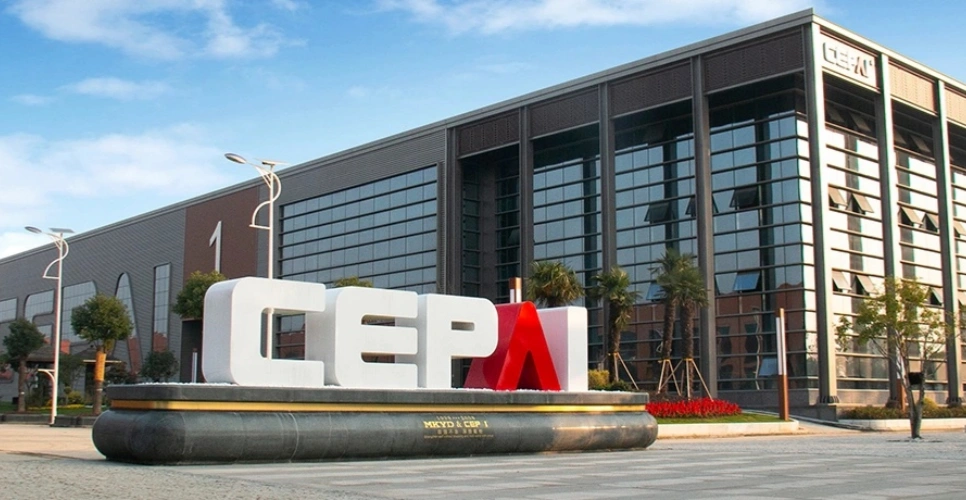
CEPAI Group brings over 15 years of specialized expertise in high-performance electric ball valve manufacturing, backed by comprehensive quality certifications including API 6A, API 6D, ISO 9001, and CE marking. Our advanced intelligent manufacturing facility in Jiangsu Province features the longest high-precision flexible production line in the Asia-Pacific region. Key advantages of CEPAI electric ball valve solutions include:
- Superior Materials and Construction: High-grade stainless steel bodies with precision-machined spherical elements ensure exceptional durability and corrosion resistance in demanding applications
- Advanced Actuator Technology: Intelligent electric actuators featuring integrated position feedback, torque limiting, and diagnostic capabilities for enhanced reliability
- Precision Control Performance: Positioning accuracy within ±0.5% with repeatability of ±0.1% across millions of operating cycles
- Comprehensive Testing Protocols: Each valve undergoes rigorous material analysis, dimensional inspection, and performance verification in our CNAS-accredited laboratory
- Industry-Leading Certifications: Ball Valve SIL certification ensures functional safety compliance for critical applications
- Customization Capabilities: Tailored solutions for specific pressure ratings, temperature ranges, and media compatibility requirements
- Remote Monitoring Integration: IoT-enabled actuators with AR remote maintenance support for enhanced operational efficiency
- Global Supply Chain Support: Established supplier relationships with major energy companies including PetroChina, Sinopec, and CNOOC
- Extended Operating Life: Design life exceeding 25 years with minimal maintenance requirements through advanced materials and manufacturing processes
- Rapid Response Capabilities: Complete stroke times optimized for specific applications, typically 10-45 seconds for full operation
- Environmental Compliance: ISO 14001 certified manufacturing processes ensuring sustainable production practices
- Technical Support Excellence: Comprehensive pre-sales consultation, installation support, and ongoing maintenance services through our certified engineering team
Choose CEPAI for Your Electric Ball Valve Requirements
CEPAI stands as a trusted electric ball valve manufacturer, combining cutting-edge technology with proven reliability for demanding industrial applications. Our intelligent manufacturing approach and comprehensive quality management systems ensure consistent performance across diverse operating conditions. As a leading electric ball valve supplier, CEPAI offers complete solution packages including valve selection, customization, installation support, and ongoing maintenance services. Our technical team provides expert consultation to optimize valve specifications for your specific application requirements.
The advantages of partnering with CEPAI include access to our award-winning quality management systems, rapid prototyping capabilities, and global logistics network. Our postdoctoral innovation practice base continuously develops advanced valve technologies to meet evolving industry demands. Whether you need standard electric ball valve solutions or custom-engineered systems, CEPAI delivers exceptional value through superior product quality, competitive pricing, and comprehensive technical support. Our established relationships with major energy companies demonstrate proven performance in critical applications.
Take advantage of CEPAI's expertise in electric ball valve technology for your next project. Our engineering team stands ready to provide technical consultation and customized solutions tailored to your operational requirements. Contact us at cepai@cepai.com to discuss your valve automation needs and discover how CEPAI electric ball valve solutions can enhance your operational efficiency.
Conclusion
The efficiency comparison between manual and electric ball valves depends heavily on specific application requirements and operational priorities. Electric ball valve systems provide superior automation capabilities, precise control, and integration potential, making them ideal for process control and remote operation scenarios. Manual valves offer simplicity, lower initial costs, and reliability in basic isolation applications. Modern industrial trends favor electric solutions for their enhanced monitoring capabilities, reduced labor requirements, and improved safety features. The decision ultimately rests on balancing upfront investment against long-term operational benefits, considering factors such as operating frequency, accessibility requirements, and integration needs.

_1746598563385.webp)