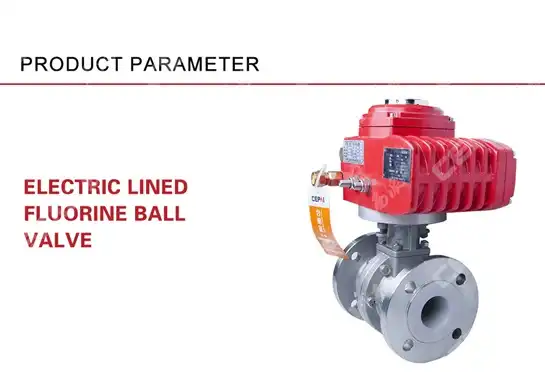
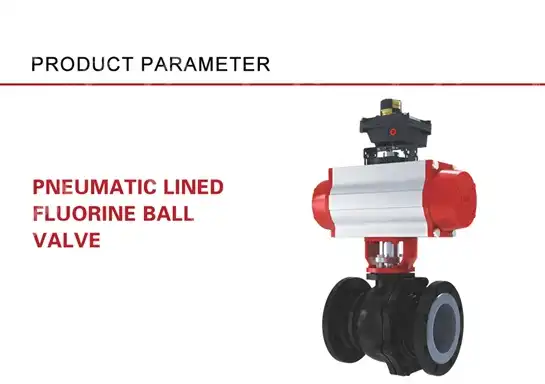
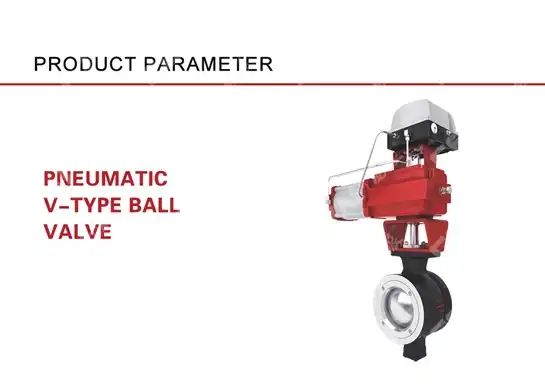
What are the current trends in electric ball valve automation? The sector is seeing revolutionary changes as a result of smart technology integration, IoT connectivity, and improved remote monitoring capabilities. Modern automated valve systems incorporate modern electric actuators that provide accurate positioning control, real-time diagnostics, and seamless connection with industrial automation platforms. These technologies are changing the way businesses manage fluid regulation, providing unparalleled reliability and efficiency in pipeline control applications in the petrochemical, power generating, and water treatment sectors.
What is Electric Ball Valve?
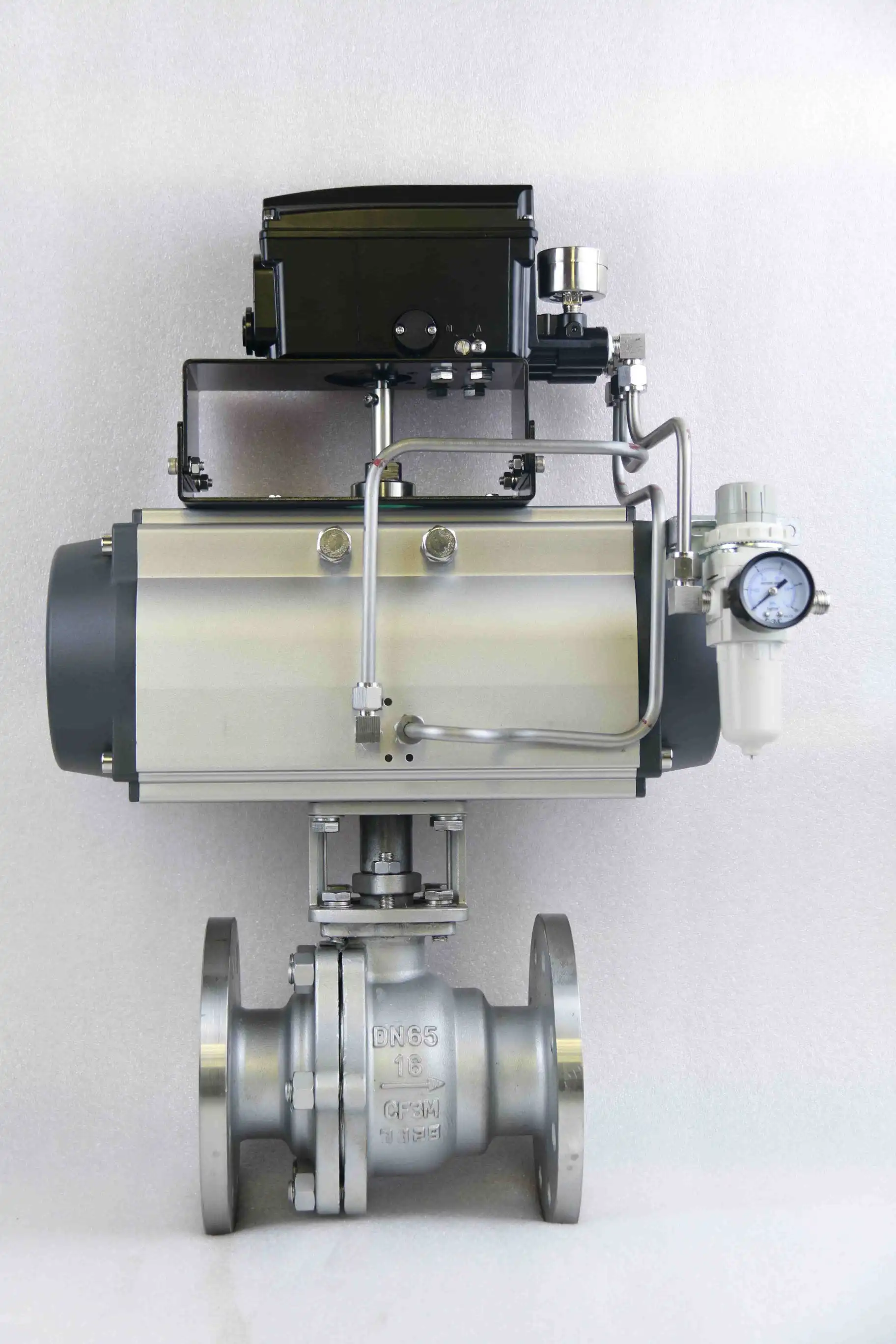
An electric ball valve is a clever combination of conventional mechanical engineering and modern automation technology. At its core, this gadget combines a normal ball valve mechanism with an electric actuator, allowing for remote operation and accurate flow control. The valve has a spherical closure element with a central bore that rotates to allow or prevent fluid flow through the pipeline. The electric actuator powers this automated valve system by turning electrical signals into mechanical rotation. This motorized valve design eliminates the need for manual operation, resulting in more consistent performance and less human error in important applications. The inclusion of smart valve technology enables programmable control sequences, allowing operators to tailor valve behavior to specific process requirements. Modern electric ball valves incorporate advanced valve controllers that communicate with centralized control systems. These intelligent devices can process complex commands, monitor operational parameters, and provide real-time feedback about valve position and system health. The electric actuator technology has evolved significantly, offering improved torque output, faster response times, and enhanced durability compared to earlier generations. The automation system integration capabilities of these valves make them essential components in industrial processes where precision and reliability are paramount. Unlike traditional manual valves, electric ball valves can operate continuously without operator intervention, maintaining optimal flow conditions while reducing operational costs and improving safety standards.
The Problem It Solves and The Need It Fulfills
Traditional manual valve operation presents significant challenges in modern industrial environments. Operators face difficulties accessing valves in hazardous locations, remote installations, or high-temperature areas where human presence poses safety risks. Manual operation also introduces inconsistency in valve positioning, leading to suboptimal flow control and potential system inefficiencies. Industrial automation demands have intensified the need for reliable remote control solutions. Manufacturing facilities require precise fluid regulation that responds instantly to process changes without human intervention. The complexity of modern HVAC systems, water treatment plants, and petrochemical facilities necessitates valve solutions that can integrate seamlessly with sophisticated control networks. Energy efficiency concerns drive the adoption of smart valve technology that optimizes flow patterns and reduces waste. Traditional pneumatic valve systems often suffer from air leaks and require continuous compressed air supply, increasing operational costs and environmental impact. Electric actuators provide a cleaner alternative with predictable energy consumption patterns. Maintenance challenges associated with conventional valve systems create operational disruptions and safety hazards. Manual valves require regular physical inspections and adjustments, often in challenging environments. The inability to monitor valve performance in real-time leads to unexpected failures and costly emergency repairs. Regulatory compliance requirements in industries like pharmaceuticals, food processing, and chemical manufacturing demand precise documentation of valve operations. Manual systems cannot provide the detailed operational data required for audit trails and process validation. Automated valve systems address these challenges by delivering comprehensive monitoring capabilities and digital record-keeping functionality.
Core Features and Functionality Deep Dive
Electric ball valves incorporate sophisticated valve positioner technology that ensures precise control over flow rates and pressure regulation. The valve motor system utilizes advanced servo mechanisms that provide accurate positioning within 1-2 degrees of the target angle. This precision enables fine-tuning of flow characteristics, making these valves ideal for applications requiring exact flow control parameters. The electric actuator design features multiple operational modes including modulating, on-off, and safety shutdown functions. Modulating operation allows continuous adjustment of valve position in response to control signals, enabling proportional flow control that adapts to changing process conditions. The on-off functionality provides rapid valve cycling for applications requiring quick response times, while safety shutdown capabilities ensure immediate valve closure during emergency situations. Communication protocols built into modern electric ball valves support various industrial standards including Modbus, Profibus, and Foundation Fieldbus. These connectivity options enable seamless integration with existing automation systems and SCADA platforms. The valve controller processes digital commands while providing comprehensive feedback about operational status, position confirmation, and diagnostic information. Advanced diagnostic capabilities distinguish modern electric ball valves from conventional alternatives. Continuous monitoring systems track actuator performance, electrical consumption patterns, and mechanical wear indicators. Predictive maintenance algorithms analyze operational data to identify potential issues before they cause system failures, reducing unplanned downtime and maintenance costs.
Power management features optimize energy consumption while maintaining reliable operation. Variable speed drives adjust motor operation based on load requirements, reducing electrical consumption during low-demand periods. Backup power integration ensures continued operation during electrical outages, while battery systems provide emergency closure capabilities when primary power fails. Environmental protection standards built into these valves ensure reliable operation across extreme temperature ranges and harsh chemical environments. Specialized sealing systems prevent contamination while maintaining long-term performance in corrosive applications. The robust construction withstands vibration, pressure fluctuations, and thermal cycling common in industrial environments.
Technology Explained
The technological foundation of electric ball valves centers on sophisticated electric actuator systems that convert electrical energy into precise mechanical motion. Stepper motors and servo motors provide the primary drive mechanism, offering different advantages based on application requirements. Stepper motors deliver excellent positioning accuracy and holding torque, making them ideal for applications requiring precise flow control without continuous power consumption. Servo motor technology provides superior speed control and dynamic response characteristics. These motors incorporate feedback sensors that continuously monitor rotor position, enabling real-time adjustments that maintain exact valve positioning even under varying load conditions. The closed-loop control system compensates for external forces and ensures consistent performance throughout the valve's operational life. Gear reduction systems multiply the motor's torque output to handle high-pressure applications and large valve sizes. Planetary gear designs offer compact configurations with high torque density, while worm gear systems provide self-locking characteristics that maintain valve position without continuous power input. The gear ratio selection depends on the specific torque requirements and response time specifications for each application. Electronic control circuits manage power delivery and signal processing functions within the automated valve system. Microprocessor-based controllers execute complex control algorithms while managing communication protocols and diagnostic functions. These circuits incorporate safety features including thermal protection, overcurrent detection, and position limit switches that prevent damage from improper operation. Sensor technology provides critical feedback for proper valve operation. Position sensors track valve angle with high resolution, enabling precise flow control and accurate status reporting. Torque sensors monitor actuator loading conditions, providing early warning of mechanical problems or process changes that affect valve performance. Temperature sensors protect electronic components from overheating while ensuring reliable operation across environmental conditions.
Key Advantages
Precision control represents the primary advantage of electric ball valve technology over conventional alternatives. The ability to achieve exact valve positioning within fractions of a degree enables fine-tuning of process parameters that directly impact product quality and operational efficiency. This precision extends to repeatability, ensuring consistent valve positioning across multiple operational cycles without drift or variation. Remote operation capabilities eliminate safety risks associated with manual valve operation in hazardous environments. Operators can control valves from safe distances, reducing exposure to toxic chemicals, extreme temperatures, or high-pressure systems. The remote control functionality also enables centralized operation of multiple valves from a single control room, improving operational efficiency and reducing staffing requirements. Integration flexibility allows electric ball valves to adapt to diverse automation system architectures. Multiple communication protocols ensure compatibility with existing control networks, while programmable control functions enable customization for specific application requirements. This adaptability reduces integration costs and simplifies system upgrades without requiring extensive infrastructure modifications.
Maintenance advantages include predictive diagnostic capabilities that identify potential problems before they cause failures. Continuous monitoring of actuator performance parameters enables scheduled maintenance based on actual wear conditions rather than arbitrary time intervals. This approach reduces maintenance costs while improving system reliability and uptime. Energy efficiency benefits emerge from the elimination of compressed air requirements common in pneumatic valve systems. Electric actuators consume power only during valve movement, reducing overall energy costs compared to systems requiring continuous air pressure. Variable speed operation further optimizes energy consumption by matching motor output to actual load requirements. Documentation capabilities built into electric ball valves support regulatory compliance and quality assurance programs. Automatic logging of valve operations provides detailed audit trails for process validation and regulatory inspections. Digital records eliminate manual documentation errors while providing comprehensive operational history for analysis and optimization.
Potential Limitations and Considerations
Initial investment costs for electric ball valve systems typically exceed those of manual or simple pneumatic alternatives. The sophisticated control electronics, precision actuators, and integration requirements contribute to higher upfront expenses. However, operational savings through reduced maintenance, improved efficiency, and enhanced safety often justify the additional investment over the valve's operational lifetime. Electrical dependency creates vulnerability to power outages and electrical system failures. While backup power systems can mitigate this risk, the additional complexity and cost must be considered during system design. In critical applications, redundant power supplies or fail-safe mechanisms may be necessary to ensure continued operation during electrical emergencies. Environmental limitations may restrict electric ball valve applications in certain conditions. Extreme temperatures can affect electronic components and actuator performance, requiring specialized designs or environmental protection systems. Explosive atmospheres demand intrinsically safe electrical designs that comply with hazardous area classifications, adding complexity and cost to the installation. Complexity considerations include the need for skilled technicians capable of troubleshooting sophisticated control systems. Unlike simple manual valves, electric ball valves require understanding of electrical systems, communication protocols, and diagnostic procedures. Training requirements and specialized tools may increase long-term operational costs. Electromagnetic interference in industrial environments can affect valve controller operation and communication reliability. Proper shielding and grounding techniques are essential for reliable operation near high-power electrical equipment or radio frequency sources. Installation planning must consider potential interference sources and implement appropriate protective measures. Size and weight constraints may limit electric ball valve applications in space-restricted installations. The addition of electric actuators increases overall valve dimensions and weight compared to manual alternatives. Structural support requirements and accessibility for maintenance must be evaluated during system design to ensure proper installation and long-term serviceability.
Electric Ball Valve vs. The Competition
Pneumatic ball valves represent the primary alternative to electric automation in industrial applications. Pneumatic systems offer faster response times and higher force output, making them suitable for large valves requiring rapid operation. However, pneumatic valve systems require compressed air infrastructure, suffer from air leaks, and lack the precision control possible with electric actuators. The operational costs associated with compressed air generation and maintenance often exceed the energy costs of electric systems. Manual ball valves remain common in applications where automation is not required or cost considerations are paramount. Manual operation provides simple, reliable valve control without electrical dependencies or complex control systems. However, manual valves cannot integrate with automation systems, require physical access for operation, and lack the safety benefits of remote operation. The inability to provide operational feedback or participate in automated safety systems limits their application in modern industrial facilities. Hydraulic actuators offer extremely high force output for large valve applications but require complex hydraulic systems with pumps, reservoirs, and filtration equipment. Hydraulic systems provide excellent speed and force characteristics but suffer from fluid leaks, temperature sensitivity, and maintenance complexity. The environmental concerns associated with hydraulic fluid spills and the specialized expertise required for system maintenance make hydraulic actuators less attractive for many applications. Solenoid valve technology provides rapid response for smaller valve applications but lacks the torque output and positioning precision of electric ball valves. Solenoid valves excel in on-off applications requiring fast cycling but cannot provide the modulating control necessary for flow regulation. The limited torque output restricts solenoid valves to smaller sizes and lower pressure applications.
Frequently Asked Questions
Q1: How long do electric ball valves typically last in industrial applications?
A: Electric ball valves typically last 15-20 years in industrial applications with proper maintenance. The valve body can last even longer, while electronic components may require replacement every 10-15 years depending on operating conditions and usage frequency.
Q2: Can electric ball valves operate during power outages?
A: Many electric ball valves include battery backup systems or fail-safe mechanisms that allow operation during power outages. Emergency closure capabilities are standard, and some systems provide limited operation time on backup power for critical applications.
Q3: What maintenance is required for electric ball valve systems?
A: Regular maintenance includes periodic inspection of electrical connections, verification of position feedback accuracy, and monitoring of actuator performance parameters. Most systems provide diagnostic information that helps schedule maintenance based on actual wear conditions rather than fixed intervals.
Experience Superior Automation with CEPAI Electric Ball Valve Solutions
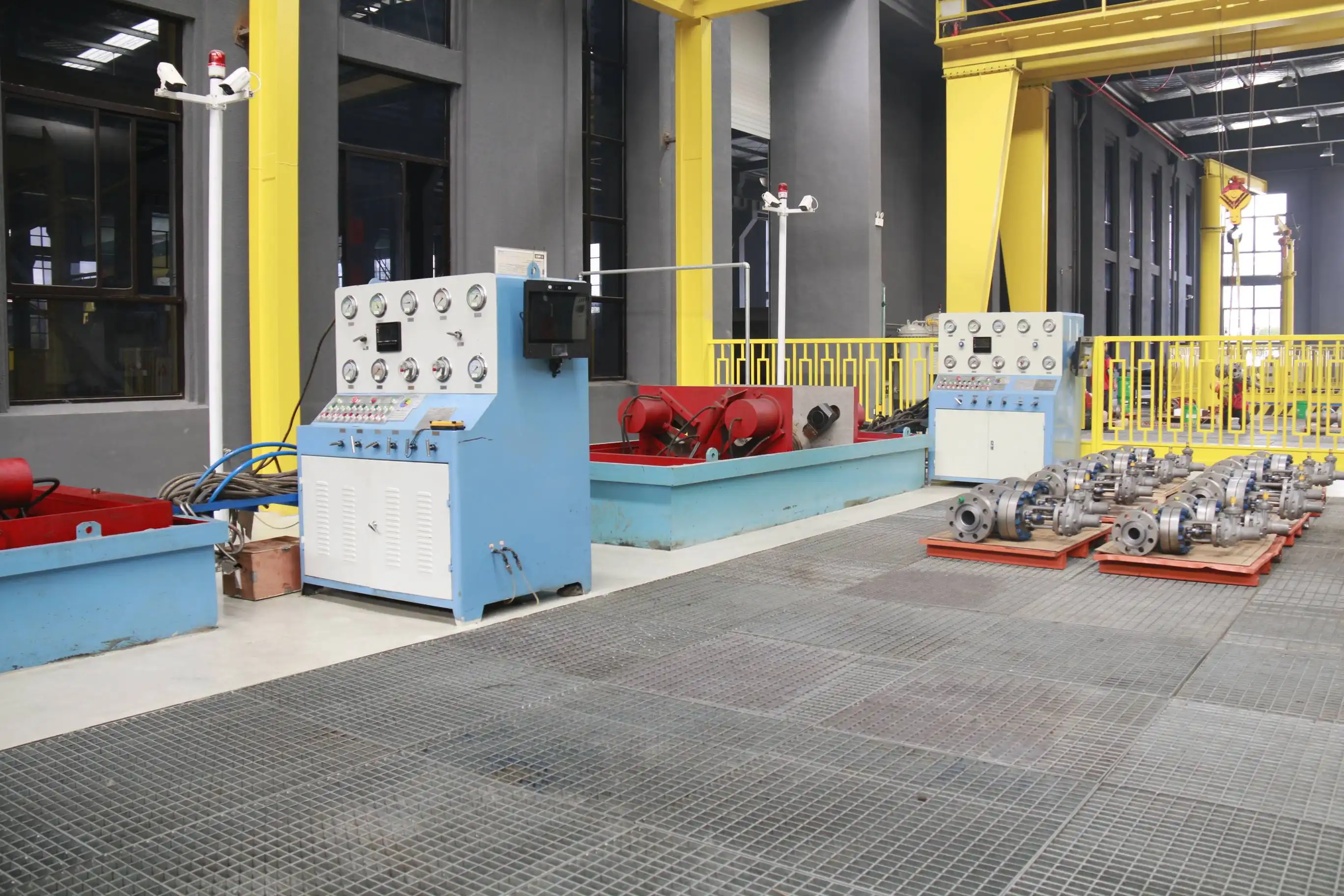
CEPAI stands as your trusted electric ball valve manufacturer, delivering cutting-edge automated valve solutions that revolutionize industrial fluid control. Our advanced electric ball valve systems combine precision engineering with intelligent automation, providing unmatched reliability for your critical applications. With over 15 years of experience and ISO 9001 certification, CEPAI has earned recognition from major industry players including PetroChina, Sinopec, and CNOOC. Our state-of-the-art manufacturing facility features the longest high-precision intelligent production line in the Asia Pacific region, ensuring consistent quality and performance across every electric ball valve we produce. The comprehensive testing protocols and quality management systems guarantee products that exceed international standards including API, CE, and SIL certifications.
CEPAI's technical expertise extends beyond manufacturing to provide complete automation system integration support. Our engineering team offers customized solutions tailored to your specific application requirements, from initial valve selection through installation, commissioning, and ongoing maintenance support. The remote monitoring capabilities and predictive maintenance features of our smart valve technology minimize downtime while optimizing operational efficiency. Transform your industrial processes with CEPAI's innovative electric ball valve technology. Our commitment to continuous innovation and customer satisfaction has established CEPAI as a leading force in automated valve solutions. Contact us at cepai@cepai.com to discuss how our electric ball valve expertise can enhance your operational performance and drive your business forward.
Conclusion and Future Outlook
Electric ball valve automation continues evolving rapidly, driven by Industry 4.0 initiatives and increasing demands for operational efficiency. The integration of artificial intelligence and machine learning algorithms promises even greater precision and predictive capabilities in future valve systems. As industries embrace digital transformation, electric ball valves will play increasingly critical roles in smart manufacturing and automated process control. The technology's proven benefits in precision, safety, and efficiency position electric ball valves as essential components for modern industrial applications seeking competitive advantages through advanced automation solutions.
_1746598563385.webp)