What is the lifespan of a ball valve in high-pressure gas pipelines? The lifespan typically ranges from 15 to 30 years, depending on operating conditions, material quality, and maintenance practices. High-grade stainless steel ball valves in well-maintained systems can exceed 25 years, while standard valves may require replacement after 15-20 years. Factors like pressure cycles, temperature fluctuations, and gas composition significantly impact valve longevity. Understanding these variables helps operators maximize equipment life and ensure reliable pipeline operation.
What is a Ball Valve?
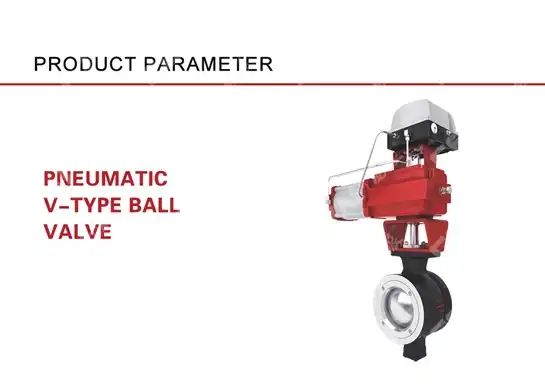
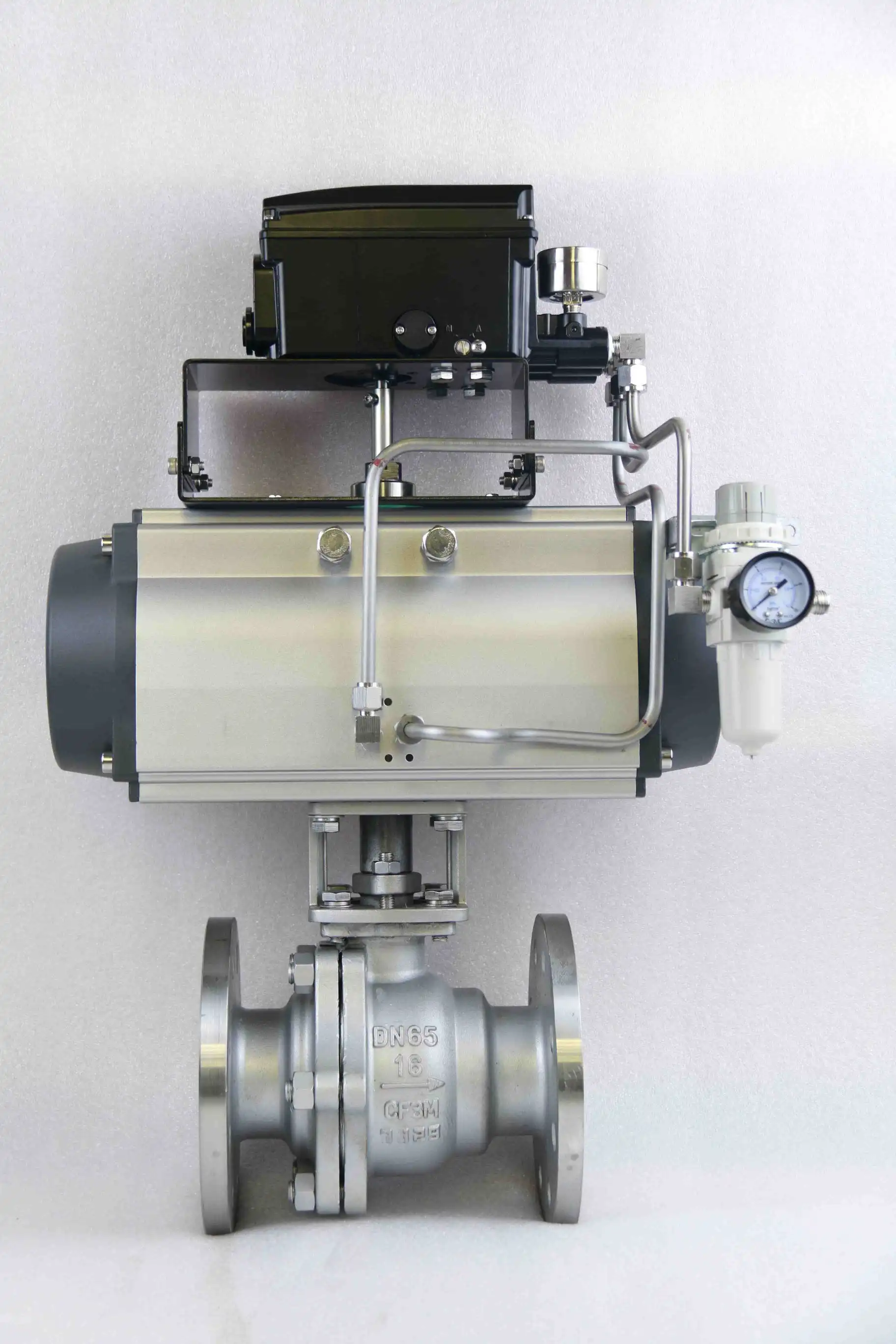
One of the most common and adaptable shut-off valves in industrial settings is the ball valve. When the device is open, a spherical closure element with a bore through its center aligns with the pipeline; when it is closed, it prevents flow by rotating 90 degrees. In a variety of industrial systems, this quarter turn valve type offers fast, dependable flow control. The ball mechanism is housed in the valve body and is connected via the valve stem to an external actuator or manual handle. The ball inside the valve body rotates when the actuator is turned, allowing or prohibiting fluid passage. The ball valve's reputation for longevity and ease of maintenance is partly due to its straightforward design. Ball valves come in various configurations, including full bore, reduced bore, and multi-port designs. Full bore valves maintain the same diameter as the pipeline, minimizing pressure drop. Reduced bore versions offer cost savings while accepting some flow restriction. Multi-port ball valves can divert flow between multiple pipeline branches using specialized ball geometries. Material selection plays a crucial role in valve performance. Stainless steel valve bodies provide excellent corrosion resistance, while brass valves offer cost-effective solutions for less demanding applications. The valve seal system typically incorporates elastomeric or metal seats that create tight shutoff when the ball rotates to the closed position.
The Critical Role Ball Valves Play in High-Pressure Gas Systems
High-pressure gas pipelines demand exceptional reliability and safety performance from every component. Ball valves address several critical operational needs that make them indispensable in these applications. Pipeline operators require equipment that can handle extreme pressure conditions while providing positive shutoff capabilities during emergencies or maintenance activities. The primary challenge in high-pressure gas systems involves maintaining system integrity while allowing controlled flow manipulation. Gas pipeline pressures often exceed 1,000 PSI, creating enormous forces on valve components. Traditional gate valves or globe valves may struggle under these conditions, developing leakage paths or requiring excessive operating force. Ball valves excel in these demanding environments because their design inherently resists pressure-induced deformation. The spherical closure element distributes stress evenly, while the floating or trunnion-mounted ball configuration accommodates thermal expansion and pressure cycling without compromising seal integrity. Emergency shutdown scenarios represent another critical application area. When pipeline monitoring systems detect anomalies, operators need immediate flow isolation capability. The quarter turn operation of ball valves enables rapid closure, whether through manual operation or automated valve actuator systems. This quick response capability can prevent catastrophic incidents and protect downstream equipment. Maintenance accessibility becomes particularly important in remote pipeline locations. Ball valves require minimal maintenance compared to complex control valve designs, reducing operational costs and improving system availability. The robust construction tolerates harsh environmental conditions while maintaining predictable performance characteristics throughout their service life.
Core Features and Advanced Functionality
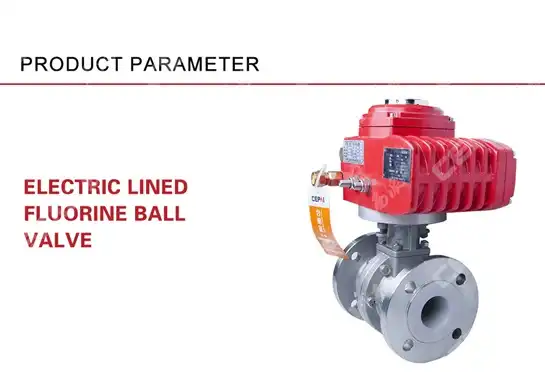
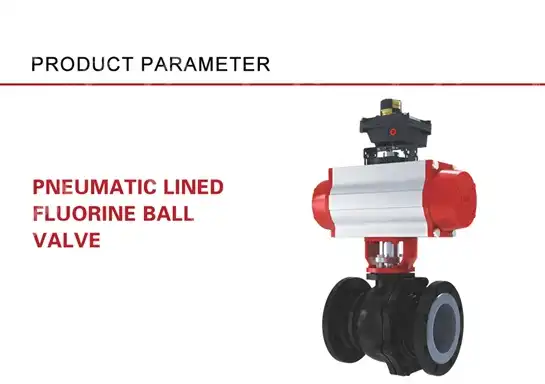
Modern ball valve designs incorporate sophisticated engineering features that enhance performance in high-pressure gas applications. The valve body construction typically employs forged or cast materials that exceed pipeline pressure ratings by substantial safety margins. Pressure class ratings like ANSI 600, 900, or 1500 ensure adequate strength for demanding service conditions. The ball itself represents a precision-machined component with carefully controlled surface finish and dimensional tolerances. Manufacturers apply specialized coatings or surface treatments to reduce friction and improve corrosion resistance. The bore geometry matches pipeline requirements, whether full bore for maximum flow capacity or reduced bore for cost optimization. Sealing technology has evolved significantly to address challenging gas service requirements. Primary valve seals utilize advanced polymer materials that resist gas permeation while maintaining flexibility across wide temperature ranges. Secondary seal systems provide backup protection, often incorporating graphite or metal-to-metal sealing elements for fire-safe operation. Stem seal assemblies prevent fugitive emissions through multiple barrier systems. Live-loaded packing arrangements maintain seal compression as the valve cycles, while integral backup systems engage during emergency conditions. These features help operators meet stringent environmental regulations governing gas emissions from pipeline equipment. Flow control capabilities extend beyond simple on-off operation in many applications. Characterized ball valves incorporate specially contoured balls that provide predictable flow regulation throughout their travel range. This functionality eliminates the need for separate control valve installations in applications requiring both shutoff and throttling capabilities. Automation integration represents another key advancement area. Pneumatic valve actuators provide remote operation capability while electric actuators enable precise position control. Smart valve technology incorporates sensors and communication protocols that support condition monitoring and predictive maintenance programs.
Engineering Excellence Behind Superior Performance
The metallurgical science underlying ball valve construction directly impacts service life in high-pressure gas environments. Advanced stainless steel alloys like 316L or duplex grades resist stress corrosion cracking while maintaining mechanical properties at elevated temperatures. Heat treatment processes optimize grain structure for maximum toughness and fatigue resistance. Computational fluid dynamics modeling guides internal geometry optimization to minimize turbulence and erosion potential. Engineers analyze gas flow patterns around the ball and through the valve body, identifying areas prone to high-velocity impact or flow separation. This analysis informs design modifications that extend component life and maintain flow efficiency. Finite element analysis validates structural integrity under complex loading conditions. High-pressure gas service subjects valve bodies to internal pressure loads, thermal stresses, and external pipeline forces simultaneously. Advanced modeling techniques predict stress concentrations and optimize material distribution to maximize component durability. Manufacturing precision directly influences valve performance and longevity. Computer-controlled machining centers maintain dimensional tolerances measured in thousandths of inches, ensuring proper fit between ball and seat components. Surface finish specifications prevent premature wear while facilitating smooth operation throughout the valve's service life. Quality assurance protocols validate material properties and dimensional compliance at every manufacturing stage. Non-destructive testing methods like ultrasonic inspection detect internal flaws that could compromise pressure integrity. Hydrostatic testing verifies structural adequacy while seat leakage testing confirms sealing performance before shipment.
Competitive Advantages That Set Ball Valves Apart
Ball valves demonstrate superior performance characteristics compared to alternative valve technologies in high-pressure gas applications. The quarter turn operation requires significantly less operating torque than multi-turn gate valves, reducing actuator size requirements and energy consumption. This advantage becomes particularly important in automated systems where actuator power limitations constrain valve selection. Maintenance intervals typically extend far beyond those required for other valve types. Gate valves require periodic stem and seat refurbishment due to sliding wear mechanisms, while ball valves experience minimal component degradation during normal operation. The rotating motion between ball and seats creates self-cleaning action that removes debris and prevents binding. Flow capacity represents another significant advantage. Full bore ball valve designs eliminate flow restrictions that increase pressure drop and energy costs. Globe valves and angle valves inherently create flow turbulence and restriction, resulting in higher operating costs over the valve's service life. Tight shutoff capability exceeds industry standards for gas service applications. Modern ball valve designs achieve leakage rates below API 6D Class VI requirements, providing superior isolation compared to gate or plug valves. This performance prevents product loss and maintains system safety during maintenance operations. Temperature tolerance spans wider ranges than elastomeric-sealed alternatives. Metal-seated ball valves operate reliably from cryogenic temperatures to several hundred degrees Fahrenheit, accommodating the thermal cycling common in gas pipeline systems. This versatility eliminates the need for specialized valve types in challenging thermal environments. Corrosion resistance capabilities extend service life in aggressive gas compositions. Stainless steel construction resists hydrogen sulfide attack and other corrosive compounds that rapidly degrade carbon steel components. The uniform material composition eliminates galvanic corrosion concerns present in mixed-metal valve assemblies.
Understanding Limitations and Design Considerations
Despite their numerous advantages, ball valves present certain limitations that influence application suitability. Cavitation potential exists in high-pressure differential applications where rapid pressure reduction creates vapor bubbles that subsequently collapse. This phenomenon can damage ball and seat surfaces, reducing valve life and compromising sealing performance. Throttling service limitations require careful consideration in applications demanding precise flow control. While characterized ball valves provide acceptable regulation capability, they cannot match the control precision offered by dedicated control valve designs. Extended throttling operation may accelerate seat wear due to high-velocity gas impingement on partially open seats. Initial cost considerations often favor ball valves over alternative technologies, but premium materials and manufacturing precision can result in higher procurement expenses than basic gate valves. However, lifecycle cost analysis typically demonstrates favorable economics due to reduced maintenance requirements and extended service intervals. Size limitations become apparent in very large diameter applications where ball weight and operating torque requirements challenge practical actuator capabilities. Pipeline diameters exceeding 24 inches may require alternative valve types or specialized ball valve designs with assisted opening mechanisms. Installation orientation affects valve performance in certain applications. Horizontal installation with stems positioned vertically prevents debris accumulation in stem seals, while other orientations may require modified seal designs or enhanced maintenance protocols. Temperature cycling can cause differential thermal expansion between valve components, potentially affecting seat loading and sealing performance. Design accommodations include spring-loaded seats or bellows seal systems that maintain proper sealing force throughout temperature excursions.
Ball Valves vs. Alternative Technologies
Gate valves represent the traditional choice for pipeline isolation service but demonstrate several disadvantages compared to ball valve technology. The sliding gate mechanism requires multiple turns to achieve full open or closed positions, slowing emergency response times. Seat and wedge wear during operation necessitates regular maintenance to prevent internal leakage development. Operating torque requirements increase significantly as gate valves age due to seat scoring and stem thread wear. Ball valves maintain consistent operating characteristics throughout their service life, reducing actuator size requirements and energy consumption. The self-cleaning action during ball rotation prevents debris accumulation that commonly affects gate valve operation. Plug valves offer similar quarter turn operation but utilize different sealing mechanisms that may compromise performance in gas service. Lubricated plug valves require regular sealant injection to maintain tight shutoff, while non-lubricated designs often exhibit higher operating torque and shorter service life compared to ball valve alternatives. Control valve technology provides superior flow regulation capability but typically cannot achieve the tight shutoff performance required for isolation service. Many installations require both control valves for process regulation and separate block valves for isolation, increasing system complexity and cost compared to characterized ball valve solutions that combine both functions. Butterfly valves present a lower-cost alternative for large diameter applications but cannot achieve the same pressure ratings or sealing performance as ball valve designs. The disc partially obstructs flow even when fully open, creating pressure drop and flow turbulence that increases operating costs in high-throughput applications.

Ideal Applications and Target Industries
Natural gas transmission pipelines represent the primary application area where ball valve longevity directly impacts operational economics. These systems operate continuously at pressures between 800 and 1,500 PSI, demanding exceptional reliability from every component. Pipeline operators require equipment that provides 20+ years of maintenance-free service while maintaining tight shutoff capability for safety and environmental compliance. Offshore oil and gas platforms utilize ball valves in subsea applications where maintenance access presents enormous logistical challenges. The marine environment subjects equipment to corrosive conditions while remote locations make component replacement extremely expensive. Ball valve designs specifically engineered for subsea service incorporate enhanced corrosion protection and extended maintenance intervals that justify premium procurement costs. Gas processing facilities employ ball valves throughout their systems for both isolation and flow control applications. These installations handle various gas compositions that may include corrosive compounds requiring specialized materials and sealing systems. The ability to configure ball valves with appropriate materials for specific service conditions makes them versatile solutions for diverse process requirements. Power generation facilities burning natural gas rely on ball valve technology for fuel supply systems operating at elevated pressures and temperatures. Emergency shutdown requirements demand rapid closure capability while continuous operation necessitates long-term reliability. Ball valve designs meeting these demanding specifications help ensure reliable power generation while maintaining safety compliance. Chemical processing operations utilize ball valves for handling pressurized gas streams in various manufacturing processes. The chemical compatibility of stainless steel construction combined with reliable sealing performance makes ball valves suitable for applications involving hydrogen, ammonia, and other industrial gases requiring precise containment.
Future Outlook and Technological Advancement
Digital transformation initiatives are revolutionizing ball valve technology through integrated sensors and communication capabilities. Smart valve systems monitor position, torque, temperature, and vibration parameters to predict maintenance needs and optimize performance. These advances enable condition-based maintenance strategies that maximize equipment life while minimizing unplanned downtime. Advanced materials research continues developing next-generation alloys and coatings that extend service life in increasingly demanding applications. Nanostructured surface treatments improve wear resistance while maintaining the corrosion protection essential for gas service environments. These innovations promise even longer service intervals and reduced lifecycle costs for future installations. Additive manufacturing technology offers potential for customized ball valve geometries optimized for specific applications. Complex internal flow passages and integrated cooling channels become feasible through 3D printing techniques, enabling performance improvements impossible with conventional manufacturing methods. Environmental regulations driving reduced emissions requirements favor ball valve technology due to superior sealing capabilities. Fugitive emission standards continue tightening, creating demand for valve designs that exceed current leakage specifications. Ball valve manufacturers are developing enhanced seal systems that provide even lower emission rates while maintaining operational reliability.
Frequently Asked Questions
Q1: How often should ball valves in high-pressure gas pipelines be inspected?
A: Ball valves in high-pressure gas service typically require inspection every 5-10 years, depending on operating conditions and manufacturer recommendations. Visual external inspections should occur annually, while comprehensive internal inspections align with pipeline integrity management programs. High-quality valves like those manufactured by CEPAI often exceed these intervals due to superior materials and manufacturing precision.
Q2: What factors most significantly impact ball valve lifespan in gas service?
A: Pressure cycling frequency, gas composition, operating temperature ranges, and maintenance quality represent the primary factors affecting valve longevity. Valves experiencing frequent pressure fluctuations may require earlier replacement, while steady-state operations typically achieve maximum service life. Corrosive gas compositions necessitate premium materials that resist chemical attack.
Q3: Can ball valves be refurbished to extend their service life?
A: Yes, ball valves can often be refurbished by replacing seats, seals, and other wear components while retaining the original body and ball. This approach typically costs 30-50% less than complete replacement while extending service life by 10-15 years. However, refurbishment success depends on the condition of the valve body and ball surfaces.
Partner with CEPAI for Superior Ball Valve Solutions
Maximizing ball valve lifespan in high-pressure gas pipelines requires partnering with experienced manufacturers who understand the demanding requirements of your applications. CEPAI brings over 15 years of specialized expertise in designing and manufacturing high-performance ball valves for the most challenging industrial environments. Our intelligent manufacturing capabilities combine advanced materials science with precision production techniques to deliver ball valves that consistently exceed industry longevity expectations. The 156 million yuan investment in our smart factory technology ensures every valve meets the exacting standards demanded by high-pressure gas service applications.
CEPAI's comprehensive certification portfolio, including API 6D, ISO 9001, and SIL certifications, validates our commitment to quality and reliability. Major oil and gas operators like PetroChina, Sinopec, and CNOOC rely on our ball valve solutions for their critical pipeline infrastructure. Our products undergo rigorous testing protocols that verify performance under the extreme conditions typical of gas pipeline service. Technical support extends throughout the entire equipment lifecycle, from initial valve selection through installation, commissioning, and long-term maintenance planning. Our engineering team collaborates with your operations staff to optimize valve specifications for your specific operating conditions, ensuring maximum service life and reliability.
When you need a trusted ball valve supplier who understands the critical importance of long-term reliability in high-pressure gas applications, CEPAI delivers the expertise and quality your operations demand. Contact us at cepai@cepai.com to discuss how our advanced ball valve solutions can optimize your pipeline performance and reduce long-term operating costs.
Conclusion
Ball valve lifespan in high-pressure gas pipelines typically ranges from 15-30 years, with premium designs achieving even longer service intervals through superior materials and manufacturing precision. The key to maximizing valve life lies in proper selection, quality installation, and proactive maintenance practices. Understanding the factors that influence valve longevity enables operators to make informed decisions that optimize both performance and economics. As technology advances continue improving ball valve capabilities, these reliable workhorses will remain essential components in the world's energy infrastructure, providing decades of dependable service when properly specified and maintained.
_1746598557316.webp)