What are the difficulties in maintaining pneumatic ball valves in challenging conditions? Maintaining pneumatic valve systems presents major challenges for industrial facilities that operate in harsh environments. A perfect storm of maintenance problems is produced by corrosive chemicals, temperature swings, abrasive particles, and moisture intrusion. These challenging working circumstances shorten actuator lifespans, exacerbate wear patterns, and jeopardize sealing integrity. In demanding industrial applications, maintenance teams can reduce expensive downtime and optimize equipment reliability by developing proactive methods based on an understanding of these difficulties.
What is Pneumatic Ball Valve?
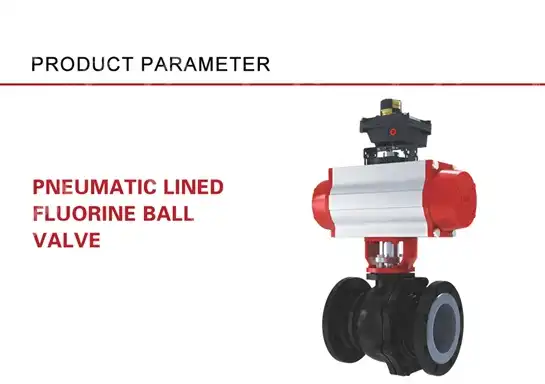
A pneumatic ball valve is an advanced industrial automation device that combines the strength and accuracy of compressed air actuation with the dependable shut-off capabilities of conventional ball valves. This quarter turn valve allows for quick and accurate flow control in a variety of industrial applications by using a pneumatic actuator system to rotate a perforated sphere inside the valve body. A ball valve mechanism and an air-operated valve actuator are combined in the core design to create a pneumatic valve assembly that reacts fast to control inputs. A piston or diaphragm mechanism rotates the ball element across a 90-degree arc when compressed air enters the actuator chamber. This pneumatic valve operation maintains good flow characteristics and tight shut-off capabilities while offering dependable, repeatable positioning. Modern pneumatic control valve systems incorporate advanced features such as position feedback sensors, fail-safe mechanisms, and intelligent control modules. These pneumatic valve systems excel in applications requiring rapid response times, high cycle rates, and remote operation capabilities. The integration of ball valve automation with pneumatic technology creates versatile solutions for industries ranging from petrochemicals to water treatment facilities. The fundamental advantage of pneumatic valve control lies in its ability to provide substantial torque output while maintaining precise positioning accuracy. Unlike manual ball valves, pneumatic valve assemblies can operate continuously without human intervention, making them ideal for automated process control applications where consistent performance remains critical.
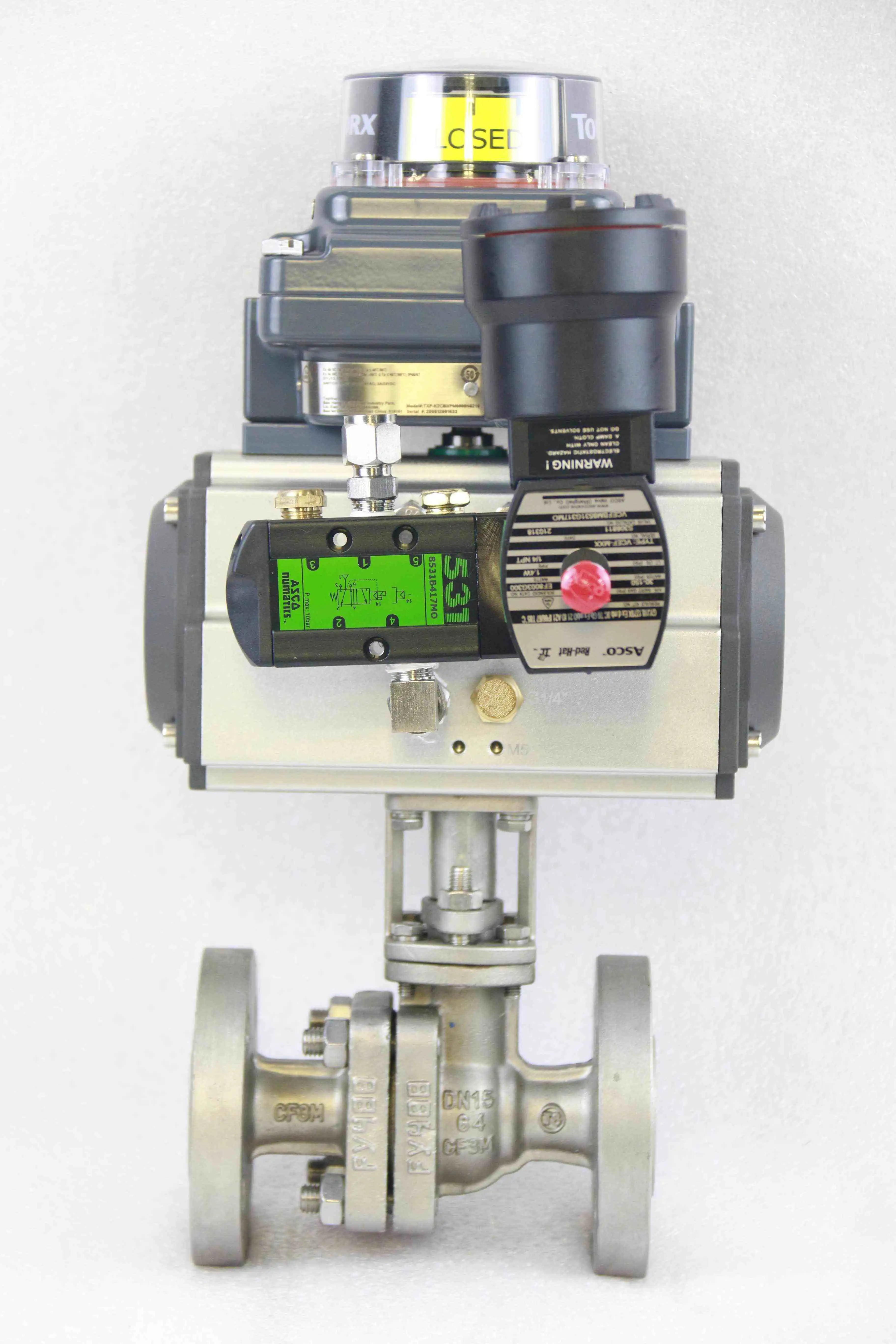
Environmental Challenges Affecting Pneumatic Valve Performance
Harsh industrial environments present unique challenges that significantly impact pneumatic valve maintenance requirements and operational reliability. Corrosive atmospheres containing hydrogen sulfide, chlorine compounds, or acidic vapors attack valve materials, leading to accelerated degradation of seals, actuator components, and control systems. These corrosive conditions require specialized materials and protective coatings to maintain long-term performance. Temperature extremes pose another significant challenge for pneumatic valve systems. High-temperature applications exceeding 400°F can cause thermal expansion issues, seal deterioration, and lubricant breakdown within actuator mechanisms. Conversely, sub-zero conditions create challenges with moisture freezing in air lines, reduced seal flexibility, and potential actuator sluggishness. Temperature cycling compounds these issues by creating repetitive stress patterns that accelerate component fatigue. Abrasive environments containing sand, metal particles, or other solid contaminants create additional maintenance burdens. These particles infiltrate actuator housings, damage sealing surfaces, and cause premature wear of moving components. The accumulation of abrasive materials around valve stems and actuator linkages increases operating torque requirements and reduces positioning accuracy over time. Moisture infiltration represents a persistent challenge in many industrial applications. High humidity environments can cause corrosion of internal actuator components, freezing issues in pneumatic lines, and degradation of electrical control systems. Offshore and marine applications face particularly severe moisture-related challenges due to salt spray and continuous humidity exposure. Vibration from nearby rotating equipment, pipeline hammering, or seismic activity creates additional stress on pneumatic valve assemblies. Continuous vibration can loosen mounting hardware, damage pneumatic connections, and cause premature failure of position sensing equipment. These dynamic forces require robust mounting systems and shock-absorbing designs to maintain reliable operation.
Critical Components Vulnerable to Harsh Conditions
Actuator seals represent the most vulnerable components in harsh environment applications, directly exposed to contamination, temperature extremes, and chemical attack. O-rings, diaphragms, and dynamic seals made from standard elastomers quickly degrade when exposed to aggressive chemicals or extreme temperatures. Premium seal materials such as PTFE, FFKM, or metal-clad designs provide enhanced resistance but require careful selection based on specific environmental conditions. Pneumatic valve actuator mechanisms contain precision-machined components that suffer from contamination and corrosive attack. Piston assemblies, gear trains, and linkage systems require protection from environmental intrusion while maintaining smooth operation. Contamination can cause binding, increased friction, and loss of positioning accuracy. Regular inspection and cleaning become critical maintenance activities in harsh environments. Control systems and instrumentation face unique challenges in demanding industrial settings. Electronic components suffer from temperature cycling, moisture infiltration, and electromagnetic interference. Position transmitters, limit switches, and control modules require environmental protection through appropriate enclosure ratings and protective measures. Corrosive atmospheres can damage electrical connections and circuit boards, leading to erratic operation or complete system failure. Ball valve internals, including the ball element, seats, and stem sealing systems, experience accelerated wear in abrasive or corrosive environments. Seat materials must withstand chemical attack while maintaining sealing integrity across temperature variations. Ball surface coatings may require periodic restoration to maintain smooth operation and prevent galling or seizing. Air supply systems supporting pneumatic valve operation face contamination challenges that affect overall system reliability. Moisture, oil carryover, and particulate contamination in compressed air systems can damage actuator components and reduce operational lifespan. Proper air treatment including filtration, drying, and pressure regulation becomes essential for maintaining system performance.
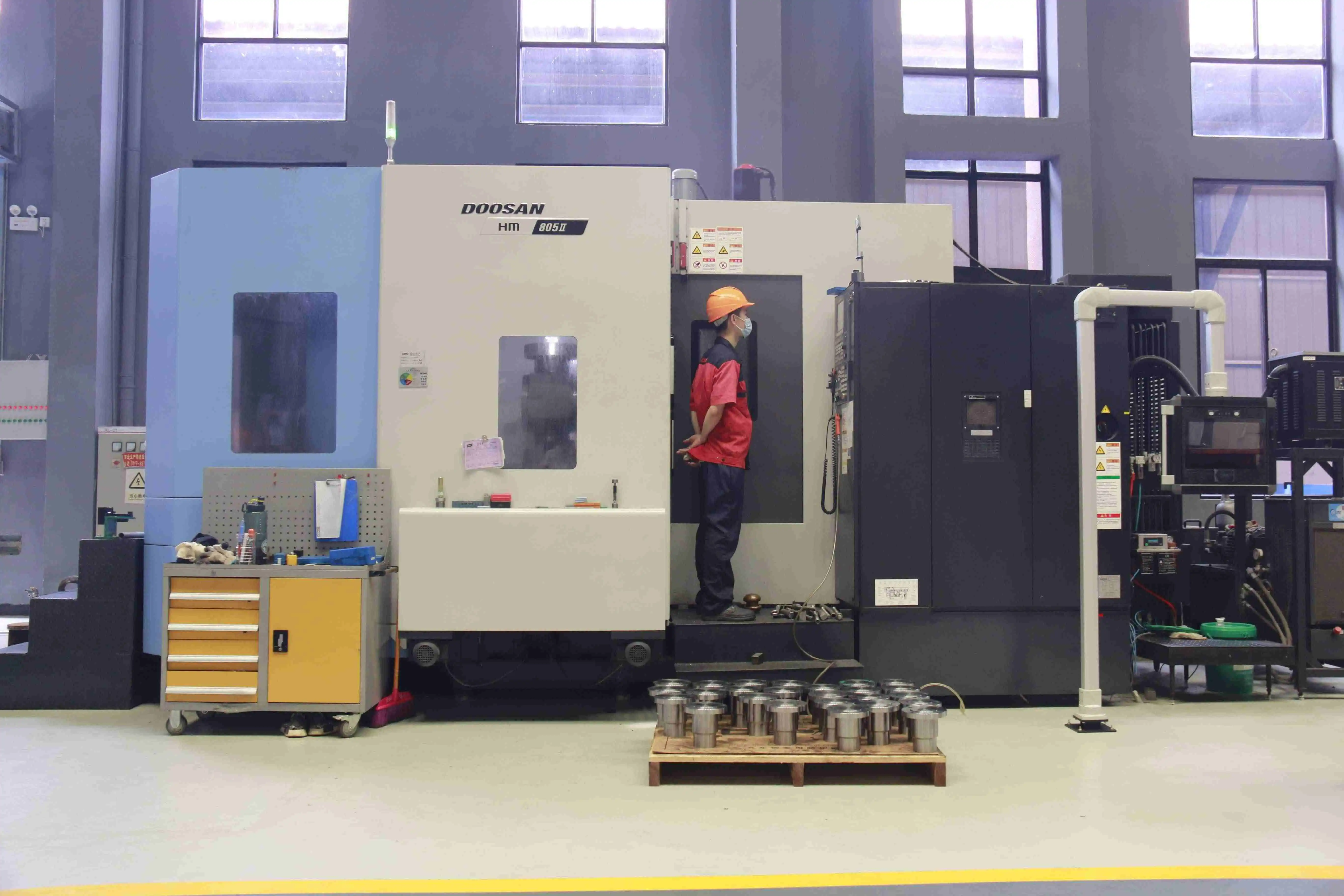
Preventive Maintenance Strategies for Harsh Environments
Developing comprehensive preventive maintenance programs specifically tailored to harsh environment challenges helps maximize pneumatic valve system reliability while minimizing unexpected failures. These programs must address the unique stressors present in each application while establishing realistic maintenance intervals based on actual operating conditions rather than generic recommendations. Regular inspection protocols should focus on early detection of environmental damage before critical failures occur. Visual inspections of actuator housings, pneumatic connections, and control systems can identify corrosion, contamination buildup, or physical damage. Functional testing of valve operation including stroke timing, positioning accuracy, and fail-safe operation helps identify developing problems before they impact process operations. Seal replacement programs based on environmental exposure rather than calendar schedules provide more effective maintenance outcomes. Tracking seal performance data helps establish optimal replacement intervals for specific environmental conditions. Upgrading to premium seal materials designed for harsh service can significantly extend service intervals while improving reliability.
Lubrication management becomes critical in harsh environments where standard lubricants may not provide adequate protection. Specialized lubricants designed for extreme temperatures, chemical compatibility, or extended service intervals help maintain smooth actuator operation. Regular lubrication analysis can identify contamination issues or lubricant degradation before equipment damage occurs. Environmental protection measures including actuator covers, heated enclosures, or purge gas systems can significantly reduce maintenance requirements. These protective measures create controlled environments around critical components, reducing exposure to corrosive atmospheres, temperature extremes, or contamination. While requiring initial investment, these systems often provide substantial long-term maintenance savings. Predictive maintenance technologies including vibration monitoring, thermography, and performance trending help identify developing problems before failures occur. These technologies provide early warning of bearing wear, seal degradation, or control system issues, enabling planned maintenance activities during scheduled shutdowns rather than emergency repairs.
Material Selection and Design Considerations
Selecting appropriate materials for pneumatic valve systems operating in harsh environments requires comprehensive understanding of the specific environmental stressors and their impact on different material properties. Valve body materials must resist corrosion, erosion, and thermal stress while maintaining structural integrity throughout the design life. Stainless steel alloys such as 316L, duplex, or super-duplex grades provide excellent corrosion resistance for most chemical environments. However, specific applications may require more exotic materials such as Hastelloy, Inconel, or titanium alloys for extreme chemical or temperature conditions. Material selection must consider not only corrosion resistance but also thermal expansion, mechanical properties, and cost considerations. Actuator housing materials require similar careful consideration, particularly for applications involving temperature extremes or corrosive atmospheres. Aluminum actuator housings provide excellent strength-to-weight ratios but may not be suitable for certain chemical environments. Stainless steel or specialty polymer housings may provide better environmental resistance while maintaining the necessary mechanical properties. Seal material selection represents a critical design decision that directly impacts maintenance requirements and system reliability. EPDM seals work well in many applications but may not be suitable for hydrocarbon or high-temperature service. PTFE-based seals provide excellent chemical resistance but may require special design considerations for dynamic applications. Understanding the specific environmental conditions helps guide optimal seal material selection. Protective coatings and surface treatments can significantly extend component life in harsh environments. Actuator components may benefit from hard chrome plating, ceramic coatings, or specialized polymer finishes that resist corrosion and reduce friction. These surface treatments require periodic inspection and potential restoration as part of maintenance programs. Design features such as drain ports, purge connections, and environmental sealing help minimize contamination ingress and facilitate maintenance activities. Incorporating these features during initial design stages provides long-term operational benefits while reducing maintenance complexity and costs.
Troubleshooting Common Issues in Demanding Applications
Sluggish or erratic valve operation often indicates contamination in the pneumatic system or actuator mechanism. Particulate buildup in air lines restricts flow and reduces actuator response speed. Systematic diagnosis involves checking air supply pressure, filter condition, and actuator internal cleanliness. Moisture accumulation in air lines can cause similar symptoms, particularly in cold weather applications where ice formation blocks pneumatic passages. Seal leakage problems manifest through external air leaks, reduced actuator force, or loss of fail-safe capability. Environmental factors such as temperature cycling, chemical exposure, or abrasive contamination accelerate seal degradation. Identifying the root cause helps determine whether seal replacement, material upgrades, or design modifications are necessary to address the underlying problem. Position feedback errors indicate problems with limit switches, position transmitters, or mechanical linkages. Corrosive environments can damage electrical connections or cause mechanical binding in feedback mechanisms. Calibration drift may result from temperature effects on electronic components or mechanical wear in linkage systems. Regular calibration checks help identify developing issues before they impact process control accuracy. Actuator binding or sticking typically results from contamination, corrosion, or mechanical damage to internal components. Disassembly and inspection reveal the extent of damage and guide repair strategies. Preventive measures such as improved air filtration, environmental protection, or upgraded materials help prevent recurrence of binding issues. Control system malfunctions in harsh environments often stem from moisture infiltration, temperature effects, or electromagnetic interference. Proper enclosure ratings, environmental sealing, and signal conditioning help minimize these issues. Diagnostic tools and spare component availability enable rapid troubleshooting and repair when problems occur. Excessive wear patterns indicate inadequate material selection, poor environmental protection, or operational issues such as excessive cycling or improper air pressure settings. Wear analysis helps identify root causes and guide corrective actions to prevent premature component replacement and extend service life.
Frequently Asked Questions
Q1: How often should pneumatic ball valves be serviced in corrosive environments?
A: Service intervals in corrosive environments typically range from 6-18 months depending on the severity of conditions. Mild corrosive applications may allow annual service, while aggressive chemical environments may require quarterly inspection and semi-annual major service. Environmental monitoring and performance trending help establish optimal service intervals for specific applications.
Q2: What are the most common failure modes for pneumatic actuators in harsh environments?
A: Seal failure represents the most common failure mode, followed by actuator binding due to contamination and control system malfunction from environmental exposure. Corrosive attack on actuator components and loss of lubrication effectiveness also contribute significantly to premature failures in demanding applications.
Q3: Can standard pneumatic ball valves be upgraded for harsh environment service?
A: Many standard valves can be upgraded through improved seal materials, protective coatings, environmental enclosures, and enhanced air treatment systems. However, severe applications may require purpose-built valves designed specifically for harsh environment service to achieve acceptable reliability and maintenance intervals.
Partner with CEPAI for Superior Pneumatic Ball Valve Solutions
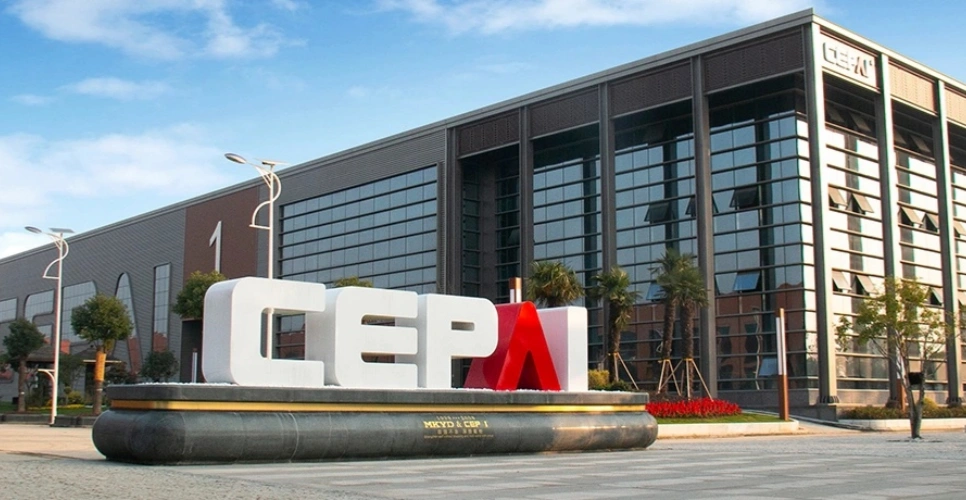
When harsh environmental conditions challenge your pneumatic valve systems, partnering with an experienced pneumatic ball valve manufacturer makes the difference between costly downtime and reliable operation. CEPAI Group brings over 15 years of specialized expertise in designing and manufacturing high-performance pneumatic valve assemblies for demanding industrial applications worldwide. Our state-of-the-art intelligent manufacturing facilities utilize advanced precision machining and quality control systems to produce pneumatic ball valves that exceed industry standards for harsh environment service. With API certifications including API6A, API6D, and comprehensive ISO quality management systems, CEPAI delivers the reliability and performance your critical applications demand.
CEPAI's engineering team understands the unique challenges of corrosive, high-temperature, and abrasive environments. We provide customized solutions featuring premium materials, advanced seal designs, and protective systems specifically engineered for your operating conditions. Our pneumatic valve systems incorporate proven technologies that minimize maintenance requirements while maximizing operational reliability. As a trusted pneumatic ball valve supplier to major energy companies including PetroChina, Sinopec, and CNOOC, CEPAI has demonstrated consistent performance in the world's most challenging applications. Our comprehensive support services include technical consultation, installation assistance, and ongoing maintenance support to ensure optimal system performance throughout the equipment lifecycle.
Whether you need standard pneumatic valve configurations or fully customized solutions for extreme service conditions, CEPAI's technical expertise and manufacturing capabilities deliver results. Our global service network provides responsive support when you need it most, minimizing downtime and maintaining productivity in your critical operations. Ready to solve your harsh environment valve challenges? Contact our technical specialists today to discuss your specific requirements and discover how CEPAI's advanced pneumatic ball valve technology can improve your system reliability. Reach out to us at cepai@cepai.com to start your journey toward more reliable valve operations.
Conclusion
Maintaining pneumatic ball valves in harsh environments requires comprehensive understanding of environmental stressors, proactive maintenance strategies, and careful component selection. Success depends on implementing preventive maintenance programs tailored to specific operating conditions while utilizing appropriate materials and protective measures. The challenges are significant, but with proper planning and execution, reliable valve operation can be achieved even in the most demanding industrial applications. Investment in quality equipment, comprehensive maintenance programs, and ongoing technical support provides the foundation for long-term operational success in harsh environment applications.
_1746598557316.webp)