What are the most common failure causes in petrochemical ball valves? The primary culprits include seal deterioration from chemical exposure, thermal cycling damage, erosion from abrasive media, contamination buildup, improper installation practices, and inadequate maintenance schedules. Understanding these failure mechanisms helps operators prevent costly downtime, enhance safety protocols, and extend equipment lifespan in demanding petrochemical environments where reliability remains paramount.
What Is a Ball Valve?
One of the most adaptable and popular flow control devices in industrial settings is the ball valve. To control fluid flow, this quarter-turn valve uses a spherical disk with a bore through its center. Fluid passes through the valve freely when the bore and pipeline line up. By turning the ball 90 degrees, the flow line is totally blocked, offering dependable shut-off capabilities. A revolving ball is housed in a valve body, sealing surfaces are created by valve seats, and the ball is connected to an external actuator or manual handle by a valve stem. Ball valves are especially appealing for petrochemical applications where fast operation and tight sealing are crucial because of their exquisite simplicity. Modern ball valves incorporate advanced materials and engineering to withstand extreme conditions. Stainless steel valve bodies resist corrosion, while specialized seat materials handle aggressive chemicals and high temperatures. The quarter-turn operation reduces wear compared to multi-turn alternatives, contributing to extended service life in demanding environments. Ball valves excel in applications requiring frequent operation cycles. Unlike gate valves or globe valves that require multiple turns to open or close, ball valves achieve full operation with a simple 90-degree rotation. This characteristic proves invaluable in emergency shutdown situations where rapid response prevents catastrophic incidents.
Critical Problems Ball Valves Solve in Petrochemical Operations
Petrochemical facilities face unique challenges that ball valves address effectively. Process streams often contain corrosive chemicals, abrasive particles, and operate under extreme pressure and temperature conditions. Traditional valve designs struggle with these demanding requirements, leading to frequent maintenance and costly downtime. Ball valves provide superior sealing performance compared to many alternatives. The spherical sealing surface distributes loads evenly across the valve seats, creating consistent contact pressure. This design minimizes leakage risks, crucial for handling toxic or flammable petrochemical products where even minor leaks pose significant safety and environmental hazards. Emergency shutdown scenarios represent another critical application area. Petrochemical processes require immediate isolation capabilities during upset conditions. Ball valves respond rapidly to actuator signals, achieving full closure within seconds. This quick response time helps prevent equipment damage and protects personnel safety during emergency situations. Flow control applications benefit from ball valves' low pressure drop characteristics. The straight-through flow path in full-bore designs minimizes energy losses, reducing pumping costs and improving system efficiency. This advantage becomes particularly significant in large-diameter pipeline applications where pressure drop penalties accumulate rapidly. Maintenance accessibility presents ongoing challenges in continuous process operations. Ball valves accommodate various actuator types, including pneumatic valve systems and manual operators. This flexibility allows maintenance teams to select optimal configurations for specific applications, balancing performance requirements with maintenance convenience.
Core Features and Functionality Deep Dive
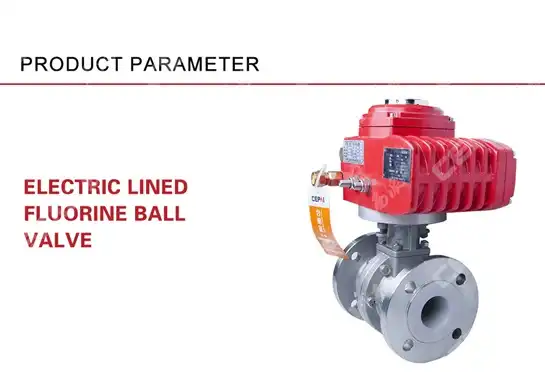
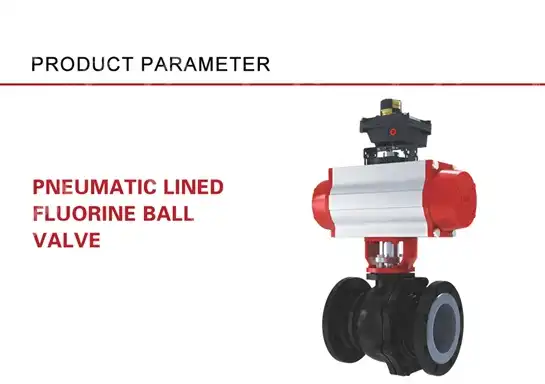
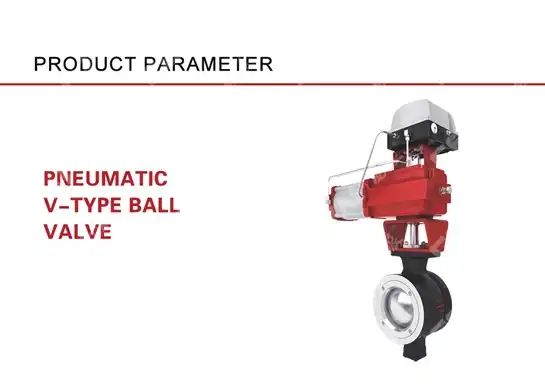
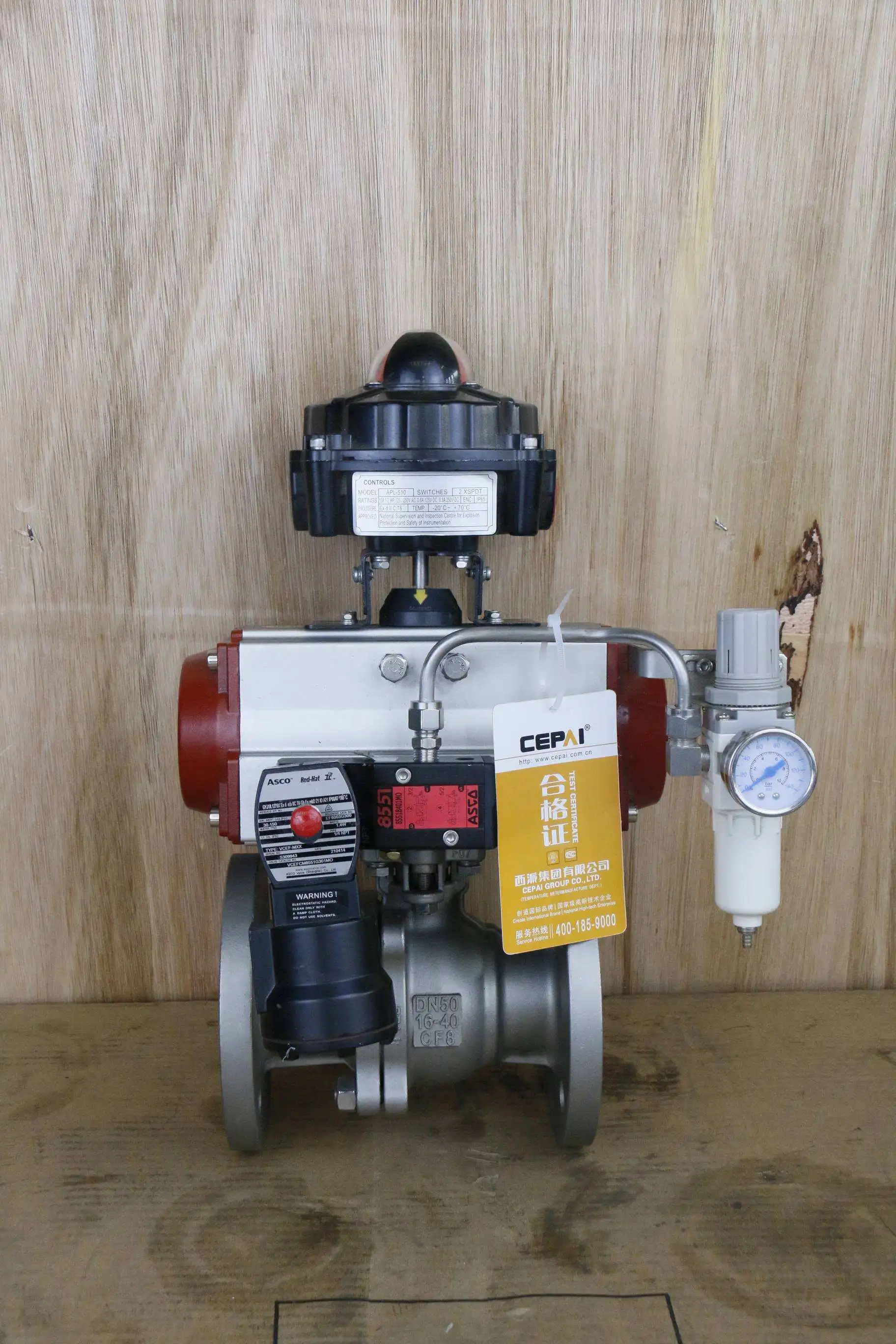
Understanding ball valve construction reveals why these devices perform reliably in petrochemical environments. The valve body typically employs forged or cast construction using materials like carbon steel, stainless steel, or exotic alloys. Material selection depends on process conditions, with corrosion-resistant alloys handling aggressive chemicals and high-temperature applications. Sealing systems represent the most critical component affecting valve performance. Primary sealing occurs between the ball surface and valve seats, typically manufactured from engineered polymers or metal materials. Secondary sealing around the valve stem prevents fugitive emissions, increasingly important for environmental compliance in modern facilities. Ball designs vary significantly based on application requirements. Floating ball configurations allow the ball to move slightly within the valve body, ensuring consistent seat contact under varying pressure conditions. Trunnion-mounted balls support larger sizes and higher pressures by mechanically supporting the ball through top and bottom bearings. Actuation systems transform external control signals into valve positioning. Pneumatic actuators dominate in automated applications, providing rapid response and fail-safe capabilities. Manual valve operations remain common for isolation services where automated control is unnecessary. Electric actuators offer precise positioning for throttling applications, though ball valves typically operate in full-open or full-closed positions. Flow characteristics depend heavily on ball and seat geometry. V-port balls enable controlled throttling by varying the effective flow area as the valve rotates. Standard port configurations prioritize tight shut-off over flow control capabilities. Full-port designs minimize pressure drop by maintaining pipeline diameter through the valve body. Fire-safe construction addresses catastrophic failure scenarios in petrochemical facilities. Special materials and design features ensure valve integrity during fire exposure, preventing uncontrolled product release that could escalate emergency situations. These safety features often determine valve selection in critical applications.
Technology Behind Reliable Ball Valve Performance
Advanced manufacturing technologies enable ball valves to meet stringent petrochemical requirements. Precision machining ensures consistent ball sphericity and surface finish, directly impacting sealing performance and operating torque. Computer-controlled manufacturing maintains tight tolerances essential for reliable operation across thousands of cycles. Material science advances expand ball valve capabilities continuously. Engineered polymers provide chemical compatibility with aggressive process streams while maintaining mechanical properties at elevated temperatures. Metallic seat materials handle extreme conditions where polymer solutions prove inadequate, though typically with higher operating torque requirements. Surface treatment technologies enhance component durability and performance. Hard-facing applications on ball surfaces resist wear from abrasive media, extending service life in challenging applications. Specialized coatings improve chemical compatibility and reduce friction between moving components. Testing protocols validate performance under simulated operating conditions. Hydrostatic testing verifies structural integrity under maximum allowable pressures. Seat leakage testing confirms sealing performance using helium or other test media. Cycle testing demonstrates mechanical durability through repeated operation under load. Quality management systems ensure consistent manufacturing standards. ISO certification and API compliance demonstrate commitment to industry best practices. Rigorous inspection procedures identify potential defects before products reach customers, reducing field failures and associated costs.
Key Advantages of Ball Valve Technology
Ball valves offer compelling advantages that explain their widespread adoption in petrochemical applications. Quick operation stands out as a primary benefit, with full stroke accomplished in a single quarter-turn motion. This rapid response capability proves essential for process control and emergency shutdown applications where time constraints are critical. Excellent sealing performance distinguishes ball valves from many alternatives. The spherical sealing geometry creates uniform contact pressure around the entire circumference, minimizing leakage paths. Bubble-tight shut-off capabilities meet stringent environmental and safety requirements in modern petrochemical facilities. Low maintenance requirements reduce operating costs significantly. The simple design with minimal moving parts decreases failure modes compared to complex valve types. Extended service intervals between maintenance activities improve plant availability and reduce labor costs associated with valve servicing. Versatile installation orientations provide design flexibility. Ball valves function reliably in horizontal, vertical, or inclined positions without performance degradation. This flexibility simplifies piping design and accommodates space constraints common in petrochemical facilities. Wide temperature and pressure ranges expand application possibilities. Specialized materials and designs handle cryogenic services at one extreme and high-temperature applications approaching 1000°F at the other. Pressure capabilities extend from vacuum service to thousands of PSI in high-pressure applications. Cost-effectiveness combines reasonable initial costs with low lifecycle expenses. Manufacturing economies of scale make ball valves competitive with alternative technologies. Long service life and minimal maintenance requirements provide attractive total cost of ownership in most applications.
Potential Limitations and Important Considerations
Ball valves face certain limitations that influence application suitability. Throttling applications present challenges for standard ball valve designs. The rapid flow area change during rotation creates unstable flow conditions and potential cavitation damage. Specialized V-port or characterized balls address these concerns but increase complexity and cost. Large diameter applications encounter practical constraints. The torque required to operate large ball valves increases significantly with size, necessitating substantial actuation systems. Weight considerations also become significant in large sizes, requiring robust piping support systems. Seat material compatibility limits application range in some cases. Polymer seats provide excellent sealing but face temperature and chemical limitations. Metallic seats handle extreme conditions but typically exhibit higher leakage rates and operating torque requirements. Abrasive service applications accelerate wear patterns on ball and seat surfaces. Slurry services or process streams containing solid particles gradually degrade sealing surfaces, reducing service life and increasing maintenance frequency. Special materials and designs mitigate these effects but increase costs. Thermal shock conditions stress valve components beyond normal design parameters. Rapid temperature changes create differential expansion that can damage sealing systems or cause binding. Proper material selection and design consideration address these challenges but require careful engineering analysis. Fugitive emissions regulations impose increasingly stringent requirements on valve stem sealing systems. Meeting low emission standards requires high-quality packing materials and precise machining tolerances, increasing manufacturing costs and maintenance complexity.

Ball Valves Versus Alternative Valve Technologies
Comparing ball valves to gate valves reveals distinct performance characteristics. Gate valves excel in applications requiring minimal pressure drop in the full-open position, but their wedge-sealing mechanism struggles with frequent operation. Ball valves trade slightly higher pressure drop for superior cycling capability and faster operation. Globe valves offer excellent throttling control through their linear flow characteristic, making them ideal for control valve applications. However, their high pressure drop and complex flow path create energy penalties in many applications. Ball valves with specialized trim compete effectively in specific throttling applications while providing superior shut-off capabilities. Butterfly valves present a lightweight, compact alternative for large diameter applications. Their disc design creates minimal pressure drop but limits maximum pressure capability compared to ball valves. Sealing performance typically favors ball valves, particularly in critical isolation applications. Plug valves share the quarter-turn operation advantage with ball valves but employ different sealing mechanisms. Plug valves handle abrasive services effectively but require regular lubrication in many designs. Ball valves generally provide longer maintenance intervals and better sealing performance in clean service applications.
Target Applications and Ideal Use Cases
Petrochemical facilities represent ideal environments for ball valve applications. Isolation services benefit from rapid closure capabilities and reliable sealing performance. Process control applications utilize specialized ball valve designs for throttling duties where traditional alternatives prove inadequate. Emergency shutdown systems rely heavily on ball valve technology. The combination of fast operation and fail-safe capabilities makes ball valves excellent choices for safety instrumented systems. Automated actuation ensures reliable response during upset conditions when manual intervention may be impossible. Pipeline applications favor ball valves for mainline isolation and pigging operations. Full-bore designs maintain pipeline diameter while providing reliable shut-off capabilities. Pig launchers and receivers benefit from quick operation and bubble-tight sealing when handling various pig types. Tank farm operations employ ball valves extensively for product loading, unloading, and transfer operations. Multiple valve operations during typical procedures benefit from quick-acting ball valve designs. Chemical compatibility and fire-safe features address safety concerns inherent in bulk chemical handling. Utility systems including steam, compressed air, and cooling water services utilize ball valves for isolation and control functions. The robust construction handles utility system pressure fluctuations while providing reliable service with minimal maintenance requirements.
Why Choose CEPAI for Your Petrochemical Ball Valve Needs?
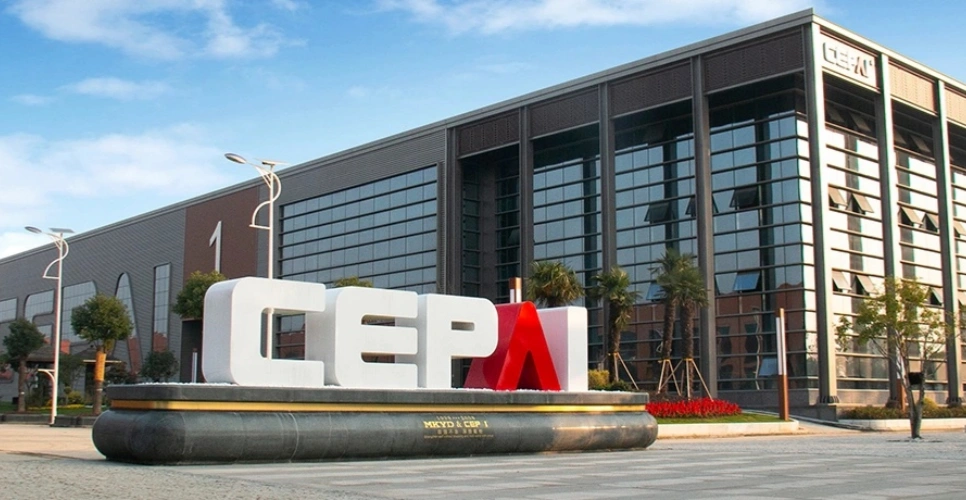
CEPAI stands as a trusted ball valve supplier with proven expertise in petrochemical applications. Our advanced manufacturing capabilities, including the longest high-precision intelligent manufacturing flexible production line in the Asia Pacific region, ensure consistent quality and reliable delivery schedules for critical valve requirements. Our comprehensive certification portfolio demonstrates commitment to quality and safety standards. API 6D, API 6A, and SIL certifications for ball valve applications provide confidence in demanding petrochemical environments. ISO 9001 quality management systems ensure consistent manufacturing processes that deliver reliable products meeting customer specifications.
Technical expertise gained through partnerships with major petrochemical companies like PetroChina, Sinopec, and CNOOC enables CEPAI to understand real-world application challenges. This experience translates into practical design solutions and reliable products that perform consistently in demanding field conditions. Intelligent manufacturing capabilities including remote monitoring and AR-guided maintenance support reduce total cost of ownership. Our digital factory integration provides real-time production tracking and quality assurance throughout the manufacturing process, ensuring products meet exact specifications.
When selecting a ball valve manufacturer for critical petrochemical applications, consider CEPAI's proven track record and advanced capabilities. Our team provides comprehensive technical support from initial selection through installation and ongoing maintenance. Contact us at cepai@cepai.com to discuss your specific ball valve requirements and discover how our solutions can enhance your operation's reliability and safety.
Frequently Asked Questions
Q1: How often should ball valves be maintained in petrochemical service?
A: Maintenance intervals depend on specific operating conditions, but most petrochemical applications benefit from annual inspections with major overhauls every 3-5 years. Aggressive chemical services or frequent cycling may require more frequent attention, while clean isolation services can extend intervals significantly.
Q2: What materials provide the best performance for petrochemical ball valve seats?
A: Material selection depends on specific process conditions. PEEK and PTFE offer excellent chemical resistance for moderate temperatures, while metal seats using Stellite or similar alloys handle extreme conditions. Many applications benefit from engineered polymers like RPTFE that balance performance and cost considerations.
Q3: Can ball valves handle throttling applications in petrochemical processes?
A: Standard ball valves are not ideal for throttling, but specialized V-port or characterized ball designs can provide effective flow control. These designs minimize cavitation and wear concerns while delivering acceptable control performance for many applications requiring both shut-off and throttling capabilities.
Conclusion and Future Outlook
Ball valves continue evolving to meet increasingly demanding petrochemical requirements. Advanced materials and manufacturing technologies expand application capabilities while reducing lifecycle costs. Smart valve technologies incorporating sensors and communication capabilities enable predictive maintenance strategies that optimize reliability and reduce unplanned downtime. The combination of proven design principles with innovative technologies positions ball valves as essential components in modern petrochemical facilities seeking improved safety, reliability, and operational efficiency.
References
1. American Petroleum Institute. "Specification for Pipeline Valves." API Standard 6D, 24th Edition, 2019.
2. Smith, J.R., and Johnson, M.K. "Ball Valve Performance in Petrochemical Applications: A Comprehensive Study." Journal of Process Equipment and Design, Vol. 45, No. 3, 2021.
3. International Society of Automation. "Functional Safety: Safety Instrumented Systems for the Process Industry Sector." ISA-84.00.01-2004 (IEC 61511 Mod), 2017.
4. Williams, P.T. "Valve Materials Selection for Chemical Process Industries." Chemical Engineering Progress, Vol. 118, No. 8, 2022.
5. Chen, L.H., and Rodriguez, A.M. "Failure Analysis of Ball Valves in High-Temperature Petrochemical Service." Materials Performance and Characterization, Vol. 10, No. 4, 2020.
6. European Committee for Standardization. "Industrial Valves - Ball Valves of Metallic Materials." EN 1984:2018, Brussels, Belgium, 2018.
_1746598557316.webp)