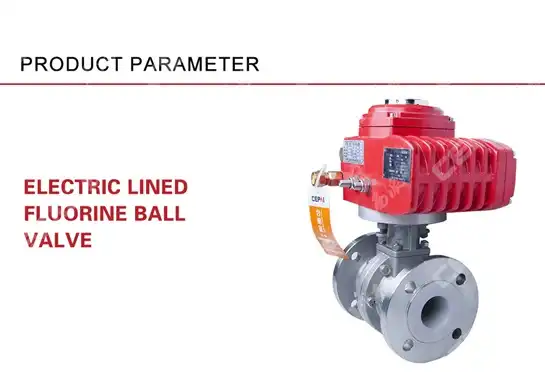
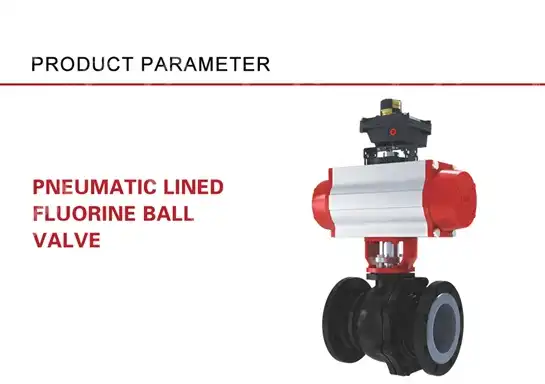
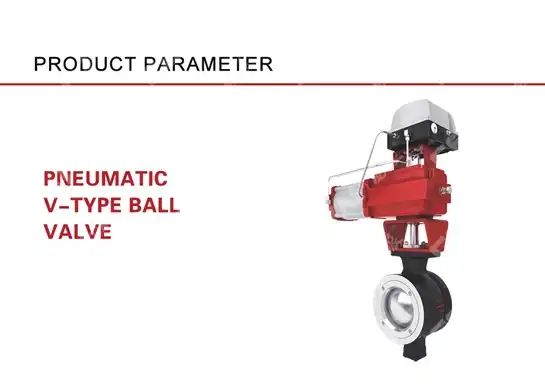
When deciding on the best ball valve option for automation systems, engineers must choose between electric and pneumatic actuators. Electric ball valves excel in accurate flow control and energy efficiency, making them perfect for applications requiring precision positioning with low energy usage. Pneumatic ball valves provide greater speed and dependability in severe settings, giving remarkable performance when quick operation and strong construction are critical. The decision between these technologies is determined by the unique application demands, environmental conditions, and operating priorities.
Understanding Ball Valve Automation Technologies
Valve actuator technologies are crucial to industrial automation systems' ability to maintain ideal flow control in a variety of applications. Sophisticated fluid control technologies that guarantee long-term reliability while reacting quickly to system demands are necessary for modern facilities. Electric actuators use motor-driven systems to transform electrical energy into mechanical motion. According to industry testing standards, these systems' remarkable precision in valve location allows for precise flow management within ±1% accuracy limits. Pneumatic systems harness compressed air to generate powerful actuating forces. Response times typically range from 0.5 to 2 seconds for quarter turn operations, making them invaluable for emergency shutdown applications and rapid process adjustments. Three core operational differences distinguish these technologies:
- Power source requirements - electric systems need stable electrical supply while pneumatic units require compressed air infrastructure
- Control precision - electric actuators achieve finer positioning control compared to pneumatic alternatives
- Environmental adaptability - pneumatic systems demonstrate superior performance in explosive atmospheres
If you need precise flow modulation with minimal energy consumption, electric ball valve systems prove more suitable for your automation requirements.
Performance Comparison: Speed vs Precision
Operating speed represents a fundamental distinction between electric and pneumatic valve technologies. Test data from industrial applications reveals significant performance variations across different operational parameters. Pneumatic actuators demonstrate remarkable speed advantages in emergency applications. Quarter-turn operations complete within 0.5-2.0 seconds, while electric systems typically require 5-30 seconds depending on torque requirements and valve size. Positioning accuracy favors electric systems significantly. Electric actuators maintain ±0.1% repeatability in flow control applications, whereas pneumatic systems achieve ±2-5% accuracy under standard operating conditions. Power consumption analysis shows electric systems consuming 15-50 watts during operation, while pneumatic systems require continuous compressor operation averaging 200-500 watts for equivalent duty cycles. Torque output capabilities vary dramatically between technologies:
- Electric actuators: 50-50,000 Nm depending on motor specifications
- Pneumatic actuators: 100-100,000 Nm with air pressure optimization
- Modulating control: Electric systems excel in precise throttling applications
- Emergency shutdown: Pneumatic systems provide fail-safe operation advantages
If you need rapid emergency response capabilities in safety-critical applications, pneumatic ball valve solutions offer superior performance characteristics.
Pros and Cons Analysis
Each technology presents distinct advantages and limitations that influence selection decisions across various industrial applications.
| Aspect | Electric Ball Valves | Pneumatic Ball Valves |
|---|---|---|
| Energy Efficiency | High - only consumes power during movement | Moderate - requires continuous compressor operation |
| Positioning Accuracy | Excellent - ±0.1% repeatability | Good - ±2-5% standard accuracy |
| Response Speed | Moderate - 5-30 seconds | Excellent - 0.5-2 seconds |
| Maintenance Requirements | Low - minimal moving parts | Higher - air quality sensitive |
| Installation Complexity | Simple - electrical connections only | Complex - requires air supply infrastructure |
Electric actuator limitations include slower response times and potential vulnerability to electrical interference in harsh environments. Additionally, power outages can compromise system operation without backup power provisions. Pneumatic system drawbacks encompass higher energy consumption through compressor requirements and sensitivity to air quality contamination. Moisture and particulates in compressed air systems can reduce actuator lifespan significantly. Environmental considerations favor different technologies based on application context. Pneumatic systems excel in explosive atmospheres where electrical spark risks must be minimized, while electric systems perform better in clean, controlled environments. If you need minimal maintenance requirements with precise control capabilities, electric ball valve technology represents the optimal choice for your automation infrastructure.
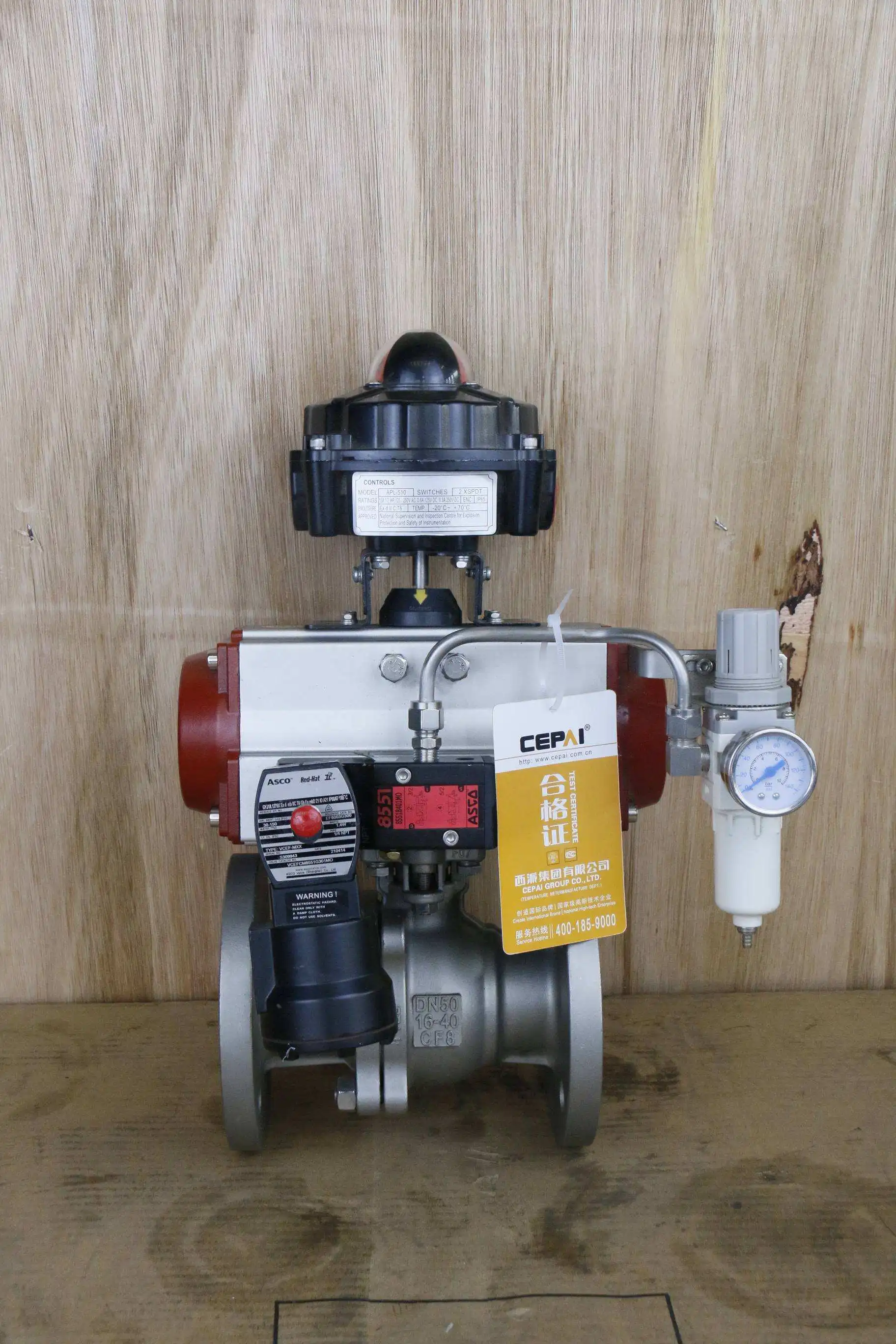
Application-Specific Selection Criteria
Selecting appropriate valve automation technology requires careful evaluation of operational requirements, environmental conditions, and performance expectations across diverse industrial applications. Petrochemical facilities typically favor pneumatic systems due to explosion-proof requirements and rapid emergency response capabilities. These environments demand fail-safe operation during power outages, making compressed air systems invaluable for safety-critical applications. Water treatment plants often implement electric actuators for their superior energy efficiency and precise flow control capabilities. Municipal facilities benefit from reduced operational costs and minimal maintenance requirements associated with electric valve automation. Manufacturing processes requiring precise flow modulation rely heavily on electric ball valve systems. Pharmaceutical and food processing applications demand exact positioning accuracy that electric actuators deliver consistently. Key selection factors include:
- Safety requirements - explosive atmosphere classifications favor pneumatic solutions
- Control precision needs - modulating applications benefit from electric actuator accuracy
- Energy cost considerations - electric systems reduce long-term operational expenses
- Response time criticality - emergency applications require pneumatic speed advantages
- Infrastructure availability - existing compressed air systems influence technology selection
HVAC applications increasingly adopt electric ball valves for their quiet operation and precise temperature control capabilities. Building automation systems benefit from reduced noise levels and improved energy management through electric valve automation. If you need explosion-proof operation with rapid emergency response capabilities, pneumatic ball valve technology provides essential safety advantages for your facility.
CEPAI Ball Valve Advantages for Automation Excellence
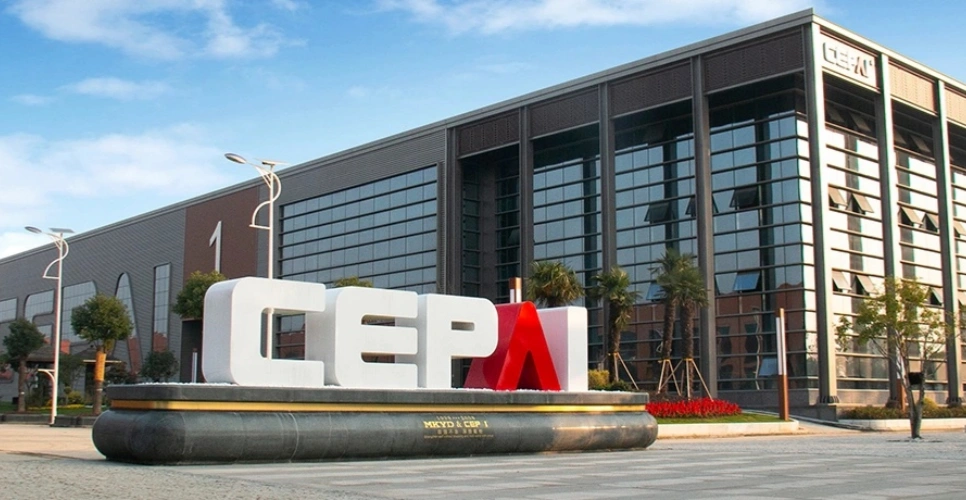
CEPAI Group delivers cutting-edge ball valve solutions engineered specifically for demanding automation applications across diverse industrial sectors. Our comprehensive product portfolio combines advanced manufacturing capabilities with rigorous quality standards.
- Exceptional Durability: CEPAI ball valves undergo extensive testing protocols, achieving over 100,000 cycle ratings under standard operating conditions. Our stainless steel valve construction ensures long-term reliability in corrosive environments.
- High-Precision Control Performance: Electric actuator integration provides ±0.1% positioning accuracy, enabling precise flow control across critical applications. Our valve automation systems maintain consistent performance throughout extended operational periods.
- Advanced R&D Investment: With 156 million yuan invested in intelligent manufacturing upgrades, CEPAI operates the longest high-precision production line in the Asia Pacific region. Our Jiangsu Province Fluid Control Engineering Technology Research Center drives continuous innovation.
- Comprehensive Patent Portfolio: Technological barriers protect our sleeve-type regulating valve designs and throttle valve innovations. These patents ensure competitive advantages in specialized automation applications.
- Extensive Product Range: From quarter turn valve solutions to complex emergency cut-off valve systems, CEPAI offers complete automation compatibility. Our brass valve and hydraulic valve options accommodate diverse pressure control requirements.
- Expert Technical Support: Pre-sales consultation services help optimize valve selection for specific automation needs. Our engineering team provides detailed valve installation guidance and system integration support.
- Comprehensive Service Guarantee: After-sales service includes remote monitoring capabilities and predictive maintenance programs. Our valve maintenance protocols extend equipment lifespan while minimizing downtime.
- Industry Recognition: API6A, API6D, and SIL certification validate our quality standards. ISO 9001, ISO 14001, and CE certification demonstrate commitment to excellence across all operational aspects.
- Trusted Brand Reputation: Supplier qualifications with PetroChina, Sinopec, and CNOOC reflect industry confidence in CEPAI solutions. Our Mayor Quality Award recognition underscores dedication to superior performance.
- Reliable Supply Chain: Stable relationships with premium component suppliers ensure consistent product availability. Our intelligent manufacturing processes guarantee on-time delivery for critical automation projects.
- Efficient Distribution Network: Streamlined logistics capabilities support rapid deployment across global markets. Our valve automation systems reach customers efficiently through optimized distribution channels.
- Quality Traceability: CNAS-certified laboratory testing provides complete product documentation. Every valve body and valve stem component undergoes rigorous inspection before shipment approval.
Partner with CEPAI for Superior Ball Valve Automation Solutions
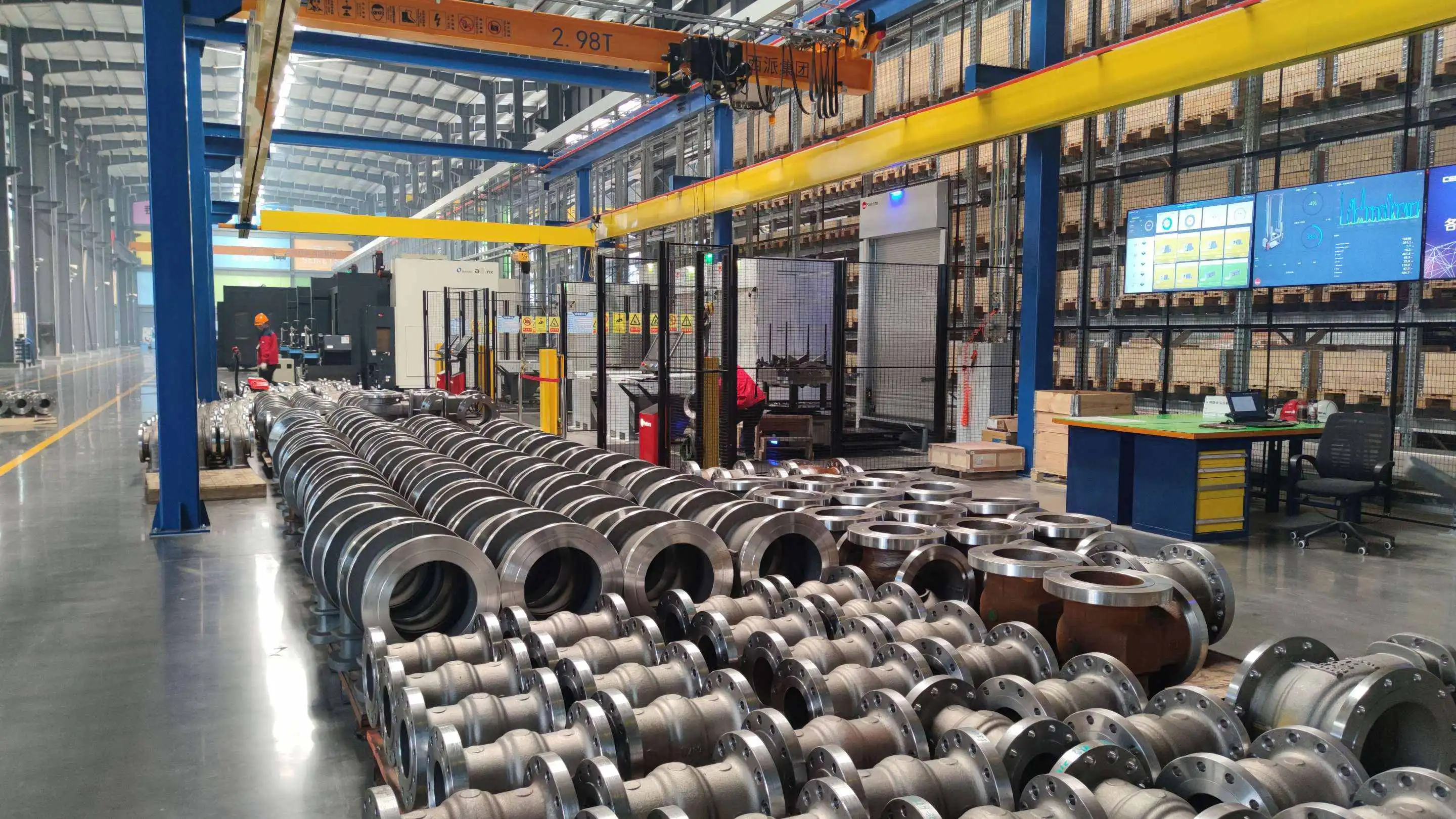
CEPAI Group stands ready to transform your automation systems with industry-leading ball valve technology designed for exceptional performance and reliability. Our comprehensive expertise in electric and pneumatic valve solutions ensures optimal selection for your specific operational requirements. As a premier ball valve manufacturer, CEPAI combines advanced engineering capabilities with proven manufacturing excellence. Our intelligent production facilities integrate cutting-edge automation technologies to deliver consistent quality across every valve stem, valve body, and valve sealing component.
Our technical specialists provide comprehensive support throughout your project lifecycle. From initial valve selection through installation, commissioning, and ongoing maintenance, CEPAI ensures seamless integration with your existing pipeline infrastructure. Quality assurance remains paramount in our manufacturing processes. Every shut-off valve and industrial valve undergoes rigorous testing protocols that exceed international standards. Our CNAS-certified laboratory validates performance characteristics before product delivery.
Global supply chain reliability supports your operational continuity. With established supplier relationships and intelligent logistics capabilities, CEPAI delivers ball valve solutions precisely when needed for your automation projects. Ready to enhance your automation system performance with premium ball valve technology? Our engineering team stands ready to discuss your specific requirements and recommend optimal solutions tailored to your operational needs. Contact us at cepai@cepai.com to explore how CEPAI ball valve innovations can elevate your facility's efficiency and reliability standards.
Conclusion
The choice between electric and pneumatic ball valves depends critically on specific automation requirements, environmental conditions, and operational priorities. Electric systems excel in precision control applications requiring energy efficiency and minimal maintenance. Pneumatic solutions provide superior speed and reliability in safety-critical environments demanding rapid response capabilities. Understanding these fundamental differences enables informed decision-making for optimal automation system performance. CEPAI Group's comprehensive ball valve portfolio delivers proven solutions across both technologies, backed by rigorous quality standards and extensive industry expertise.