What's the impact of machining tolerance on ball valve sealing performance? The relationship between machining precision and sealing effectiveness remains critical for industrial applications. Machining tolerance directly affects how well valve components align, creating either tight seals or problematic leakage paths. When manufacturing tolerances are too loose, gaps form between the ball and seat surfaces, compromising the valve's ability to prevent fluid leakage. Conversely, overly tight tolerances can cause excessive friction, wear, and operational difficulties. Understanding this balance helps engineers select appropriate valves for their specific pressure, temperature, and fluid control requirements.
What is Ball Valve Technology?
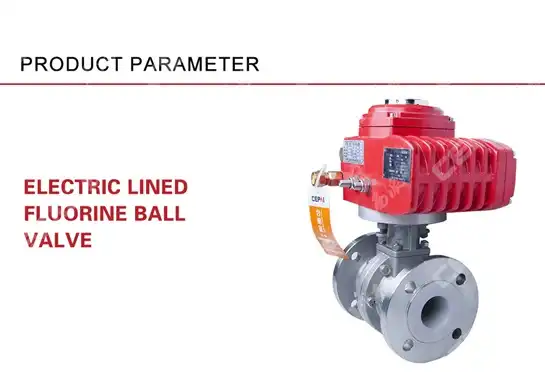
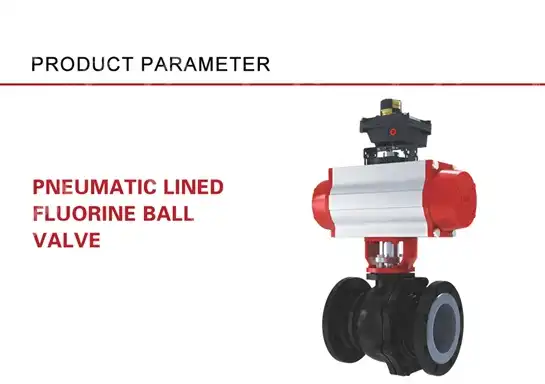
Ball valves are one of the most dependable flow control solutions in modern industrial systems. To control fluid flow, these quarter-turn valves use a spherical disc with a hole in the center. When the ball spins 90 degrees, it either aligns the hole with the pipeline, allowing full flow, or it positions the solid section to entirely block flow. The valve body, ball element, seats, stem, and actuator mechanism are all crucial components of the fundamental design. The ball valve body contains all internal components and connects to the pipeline system. High-quality materials such as stainless steel, carbon steel, and specialty alloys ensure long-term performance under a variety of operating circumstances. The ball itself is precisely machined to retain perfect spherical shape, which is required for optimum sealing performance. Modern ball valve design incorporates floating or trunnion-mounted configurations. Floating ball valves allow the ball to move slightly downstream, pressed against the outlet seat by upstream pressure. Trunnion-mounted designs support the ball with additional bearings, suitable for larger sizes and higher pressures. Both configurations rely heavily on precise machining tolerances to achieve optimal sealing performance. The valve stem transmits rotational force from external actuators to the internal ball. Ball valve automation systems often integrate with pneumatic, electric, or hydraulic actuators for remote operation. These automated systems require even tighter machining tolerances to ensure consistent performance across thousands of operating cycles.
Critical Problems Solved by Precision Machining
Industrial facilities face significant challenges when ball valve sealing fails due to poor machining tolerances. Leakage represents the most immediate concern, potentially causing safety hazards, environmental contamination, and production losses. In petrochemical applications, even minor leaks can result in explosive atmospheres or toxic exposure risks. Operational reliability depends on consistent ball valve operation under varying pressure and temperature conditions. When machining tolerances exceed acceptable limits, thermal expansion and contraction cycles can compromise seal integrity. This thermal cycling creates dimensional changes that either tighten clearances excessively or open gaps that allow leakage. Maintenance costs escalate rapidly when valves fail prematurely due to improper tolerances. Excessive clearances allow contaminants to enter sealing surfaces, accelerating wear rates. Conversely, insufficient clearances create binding conditions that require higher operating torque and cause premature actuator failures. Ball valve material selection interacts closely with machining tolerance requirements. Softer materials may deform under pressure, compensating for slightly loose tolerances but potentially creating permanent set. Harder materials maintain dimensional stability but require tighter initial tolerances to achieve proper sealing. Understanding these material behaviors guides tolerance specification for specific applications. Process control accuracy suffers when ball valve sealing performance varies due to tolerance issues. Inconsistent sealing creates unpredictable pressure drops and flow characteristics, making precise process control difficult. This variability particularly affects applications requiring tight flow control or frequent cycling operations.
Core Features and Functionality Deep Dive
Ball valve sealing performance depends on several interconnected factors that machining tolerances directly influence. The primary sealing interface occurs between the ball surface and valve seats, typically made from resilient materials like PTFE, PEEK, or metal. These seat materials must compress uniformly against the ball surface to create an effective seal. Surface finish quality on both ball and seat contact areas significantly impacts sealing effectiveness. Ra values typically range from 0.2 to 0.8 micrometers for critical sealing surfaces. Machining processes must maintain these surface finish requirements while achieving dimensional tolerances, often requiring specialized grinding or lapping operations. Ball valve pressure rating capabilities relate directly to sealing performance under load. Higher pressure applications require tighter tolerances to prevent extrusion of seat materials through clearance gaps. The relationship between pressure, temperature, and tolerance becomes particularly critical in high-performance applications like oil and gas production systems. Stem sealing represents another critical area where machining tolerances affect performance. The valve stem passes through the body via packing glands that must prevent external leakage. Stem diameter tolerances, surface finish, and straightness all influence packing effectiveness and service life. Ball valve torque requirements increase significantly when tolerances are too tight, affecting actuator sizing and power consumption. Conversely, loose tolerances may allow the ball to shift position under pressure, creating inconsistent torque requirements and potential sealing problems. Optimal tolerance selection balances these competing requirements. Thermal expansion considerations become crucial in applications with wide temperature ranges. Ball valve design must accommodate differential expansion between various components while maintaining sealing integrity. This requires careful analysis of material properties and tolerance stack-ups under thermal cycling conditions.
Advanced Manufacturing Technology
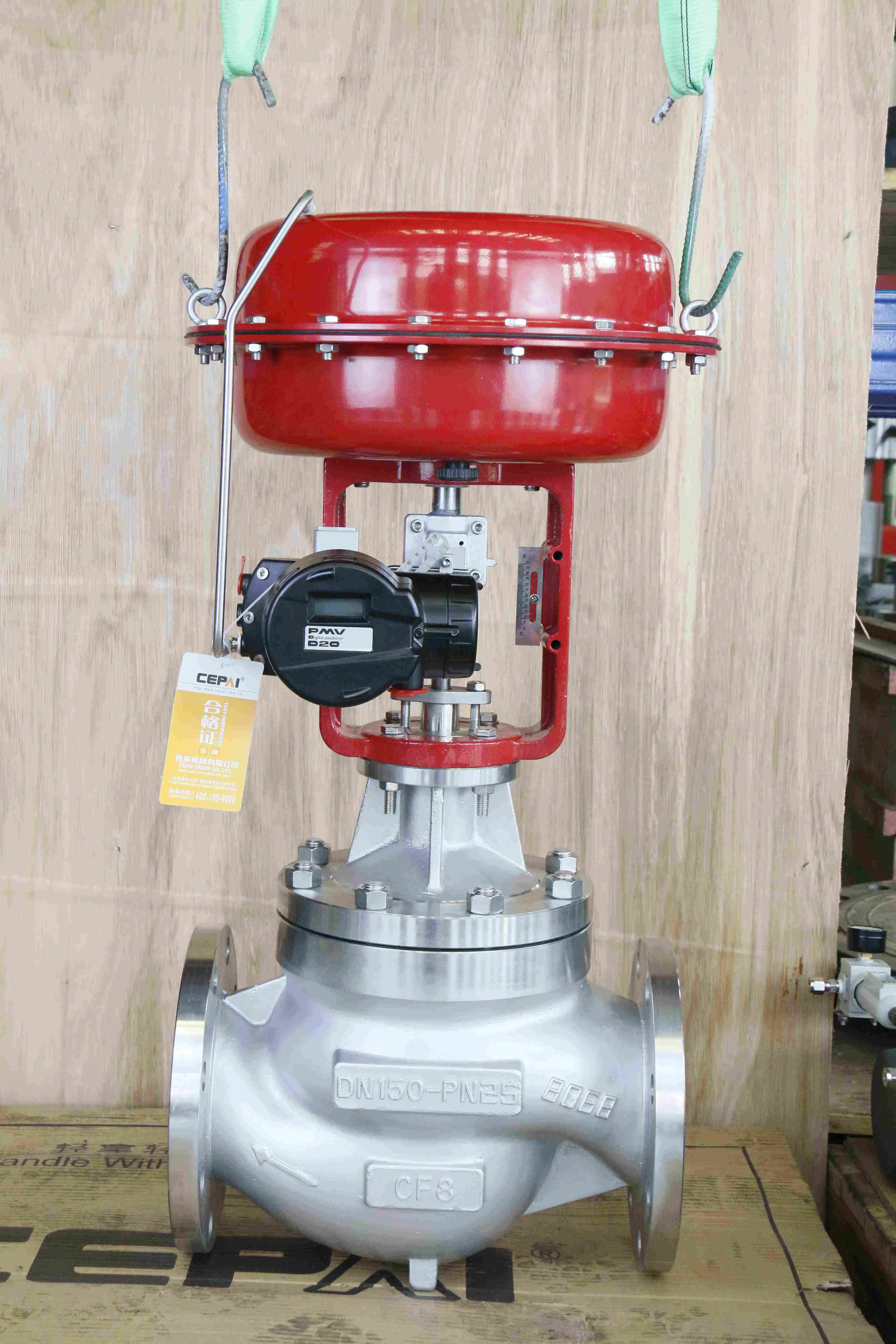
Modern ball valve manufacturing employs sophisticated machining technologies to achieve precise tolerances consistently. Computer numerical control (CNC) machining centers provide the accuracy needed for critical dimensions, often achieving tolerances within ±0.002 inches for sealing surfaces. Coordinate measuring machines (CMM) verify dimensional accuracy throughout the manufacturing process. These measurement systems can detect tolerance variations that might affect sealing performance before assembly, preventing defective products from reaching customers. Statistical process control methods track tolerance trends to maintain consistent quality. Ball valve installation procedures must account for machining tolerances to ensure proper performance. Installation torque specifications, pipeline alignment, and support requirements all influence how manufacturing tolerances translate into field performance. Proper installation practices preserve the precision achieved during manufacturing. Quality control protocols verify that machining tolerances meet design specifications. Hydrostatic testing, helium leak detection, and performance verification ensure that theoretical tolerance calculations translate into actual sealing performance. These testing procedures validate the relationship between machining precision and operational effectiveness. Ball valve maintenance schedules often reflect the tolerance quality achieved during manufacturing. Precisely manufactured valves with appropriate tolerances typically require less frequent maintenance and experience longer service life. This relationship makes tolerance quality a significant factor in life-cycle cost analysis.
Key Advantages of Precise Tolerance Control
Achieving optimal machining tolerances in ball valve manufacturing provides numerous operational benefits that justify the additional manufacturing precision required. Consistent sealing performance across the entire operating range represents the primary advantage, ensuring reliable isolation when needed. Extended service life results from proper tolerance control, as components wear more evenly and predictably. When sealing surfaces mate properly from initial installation, wear patterns distribute uniformly, preventing localized damage that causes premature failure. This extended life reduces replacement costs and maintenance downtime. Ball valve durability improves significantly when tolerances optimize stress distribution throughout the valve assembly. Proper fit prevents stress concentrations that can lead to cracking or deformation under pressure cycling. This durability proves particularly important in critical applications where valve failure could cause safety incidents. Reduced operating torque requirements benefit both manual and automated valve operations. Precisely machined components eliminate binding and excessive friction, allowing actuators to operate more efficiently. Lower torque requirements also reduce wear on actuator components and decrease power consumption for automated systems. Improved flow control accuracy results from consistent internal geometries achieved through precise machining. When tolerance variations are minimized, flow coefficients remain predictable across multiple valves, simplifying system design and control strategies. This consistency particularly benefits applications requiring precise flow measurement or control. Ball valve leakage rates decrease substantially when appropriate tolerances are maintained throughout manufacturing. External leakage through stem seals and internal leakage past ball seats both improve with proper tolerance control. Meeting industry standards for fugitive emissions requires this level of manufacturing precision.
Potential Limitations and Considerations
Manufacturing costs increase significantly when extremely tight tolerances are specified for ball valve components. Each additional decimal place of precision typically doubles manufacturing costs, making tolerance selection a critical economic decision. Engineers must balance performance requirements against budget constraints when specifying tolerances. Ball valve size limitations affect tolerance achievability, as larger valves become increasingly difficult to machine to tight tolerances. The scaling effects of thermal expansion also become more pronounced in larger valves, requiring different tolerance strategies for various size ranges. These size-related effects influence valve selection for specific applications. Material compatibility issues can arise when tolerance requirements conflict with optimal material selection. Some materials that offer superior chemical resistance or temperature capabilities may be more difficult to machine to precise tolerances. These trade-offs require careful evaluation during the design phase. Assembly complexity increases when tight tolerances are specified, as components must be handled more carefully to prevent damage. Special assembly procedures, clean room environments, and skilled technicians become necessary, adding to manufacturing costs and lead times. Field adjustment capabilities may be limited when tolerances are optimized for specific operating conditions. Valves designed for tight tolerance control may not adapt well to changing service conditions or installation variations. This limitation affects valve flexibility in dynamic operating environments. Ball valve applications in dirty or abrasive services may not benefit from extremely tight tolerances, as contamination quickly negates the precision achieved during manufacturing. Service environment analysis helps determine appropriate tolerance levels for different applications.
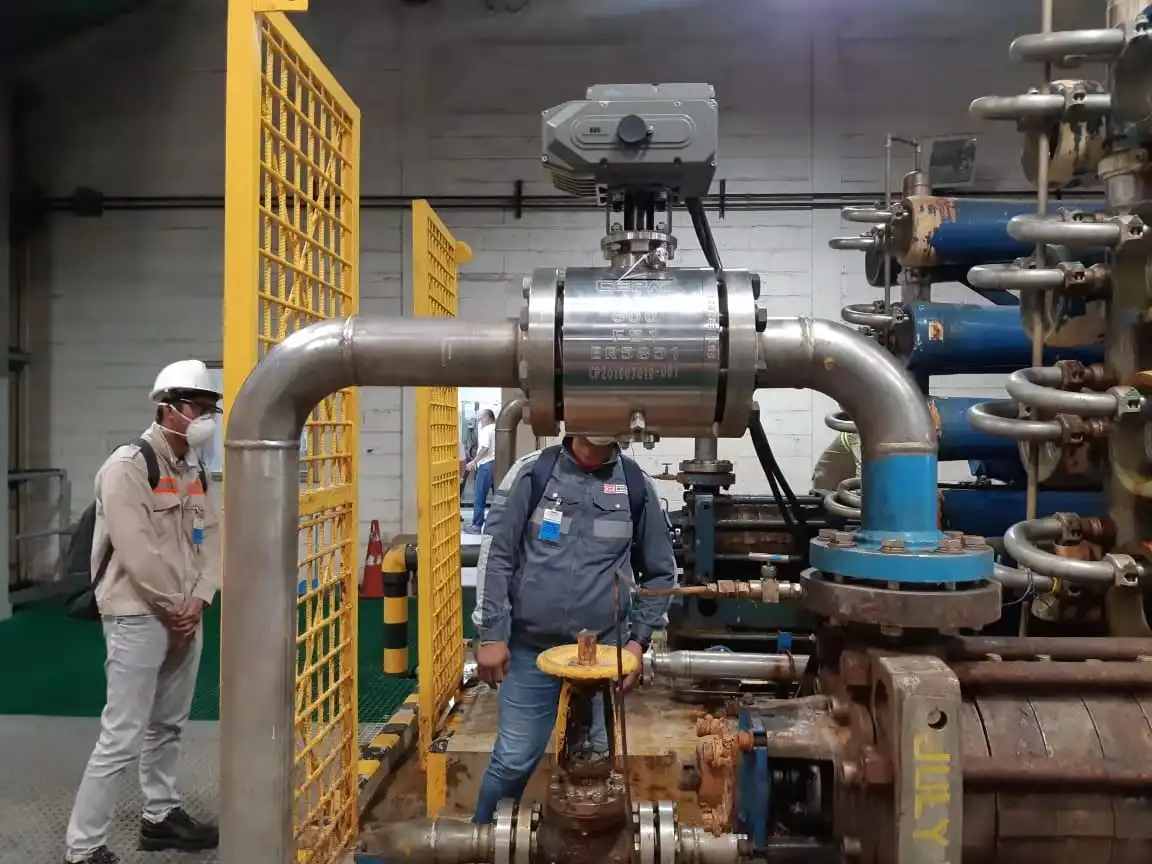
Ball Valve Performance Versus Alternative Solutions
Gate valves offer different tolerance requirements compared to ball valves, with sealing depending on wedge-to-seat contact rather than spherical-to-seat interfaces. Gate valve tolerance requirements focus on wedge angle accuracy and seat surface parallelism, while ball valves emphasize spherical geometry and concentricity. Ball valves generally provide better sealing performance with less stringent tolerance requirements. Butterfly valves present another comparison point, with sealing performance depending on disc edge geometry and seat compression. Butterfly valve tolerances primarily affect disc warpage and shaft alignment, while ball valve tolerances focus on spherical accuracy and seat concentricity. Ball valves typically achieve better shutoff capabilities when proper tolerances are maintained. Globe valves rely on plug-to-seat contact for sealing, requiring different tolerance considerations than ball valves. Globe valve performance depends on plug geometry and seat surface finish, while ball valve performance emphasizes overall spherical accuracy. Ball valves generally offer lower pressure drop and better flow characteristics when tolerances are properly controlled. Ball valve types vary in tolerance requirements based on design configuration. Floating ball designs can accommodate slightly looser tolerances due to self-aligning characteristics, while trunnion-mounted designs require tighter tolerances for proper operation. Understanding these design differences helps select appropriate tolerance levels for specific applications.
Target Applications and Optimal Use Cases
Oil and gas production facilities represent primary applications where machining tolerance control critically affects ball valve sealing performance. These environments combine high pressures, temperature cycling, and corrosive fluids that challenge sealing systems. Precise tolerances ensure reliable isolation during maintenance and emergency shutdown situations. Chemical processing plants require ball valves with consistent sealing performance to prevent cross-contamination between process streams. Tolerance control ensures that valve sealing remains effective across varying chemical compositions and operating conditions. This consistency proves essential for product quality and safety compliance. Power generation facilities utilize ball valves in steam, water, and fuel systems where sealing integrity affects plant efficiency and safety. Precise tolerances maintain sealing performance under thermal cycling conditions common in power plant operations. These applications often require extended service life to minimize maintenance outages. Water treatment systems depend on reliable valve sealing to prevent contamination and maintain treatment effectiveness. Ball valve tolerances must accommodate water quality variations while maintaining consistent sealing performance. These applications often combine corrosive conditions with frequent cycling operations. Ball valve industry standards provide guidance for tolerance selection in various applications. API, ASME, and ISO standards specify tolerance ranges appropriate for different service conditions and performance requirements. Following these standards ensures compatibility and reliability in industrial applications.
Frequently Asked Questions
Q1: How do machining tolerances affect ball valve maintenance intervals?
A: Proper machining tolerances significantly extend maintenance intervals by ensuring even wear patterns and consistent sealing performance. Valves manufactured with appropriate tolerances typically require maintenance 2-3 times less frequently than those with poor tolerance control, as they avoid premature wear and sealing degradation that necessitates early intervention.
Q2: What tolerance ranges are considered acceptable for different ball valve sizes?
A: Acceptable tolerance ranges vary by valve size and application. Small valves (under 2 inches) typically require ±0.001 to ±0.002 inch tolerances on critical dimensions, while larger valves (over 12 inches) may accept ±0.005 to ±0.010 inch tolerances. High-pressure applications generally require tighter tolerances regardless of size.
Q3: Can loose machining tolerances be compensated by using softer seat materials?
A: While softer seat materials can partially compensate for loose tolerances by conforming to surface irregularities, this approach has limitations. Soft materials may extrude under pressure, create higher friction, and wear more rapidly. Proper machining tolerances combined with appropriate seat materials provide optimal long-term performance.
Partner With CEPAI for Superior Ball Valve Manufacturing Excellence
CEPAI stands as your trusted ball valve manufacturer, combining advanced machining capabilities with rigorous quality control to deliver exceptional sealing performance. Our state-of-the-art intelligent manufacturing facility spans 56,000 square meters and features the Asia Pacific region's longest high-precision flexible production line, ensuring consistent tolerance control across all valve components. Our comprehensive quality management system includes CNAS-certified testing laboratories and multiple ISO certifications, guaranteeing that every ball valve meets stringent tolerance specifications. With API certifications and supplier qualifications from major oil companies like PetroChina, Sinopec, and CNOOC, CEPAI demonstrates proven expertise in manufacturing precision valves for critical applications.
The investment of 156 million yuan in intelligent transformation has positioned CEPAI as a leader in precision ball valve manufacturing. Our advanced CNC machining centers and coordinate measuring systems ensure tolerance control that directly translates into superior sealing performance for your applications. Whether you need standard ball valve solutions or customized designs for specific tolerance requirements, CEPAI's engineering team provides comprehensive technical support from initial specification through installation and maintenance. Our ball valve for sale inventory includes various configurations optimized for different industrial applications.
Experience the difference that precision manufacturing makes in ball valve sealing performance. Contact us at cepai@cepai.com to discuss your specific tolerance requirements and discover how CEPAI's advanced manufacturing capabilities can enhance your system reliability and performance.
Conclusion
Machining tolerance control represents a fundamental factor in ball valve sealing performance, directly affecting reliability, maintenance requirements, and operational costs. Precise manufacturing tolerances ensure consistent sealing across varying operating conditions while extending service life and reducing maintenance frequency. The relationship between tolerance quality and performance justifies the additional manufacturing precision required for critical applications. As industrial systems demand higher reliability and environmental compliance, the importance of proper tolerance control in ball valve manufacturing continues to grow, making precision manufacturing capabilities essential for valve suppliers serving demanding industrial markets.
References
1. Smith, J.A. (2023). "Precision Manufacturing Techniques for Industrial Valve Applications." Journal of Manufacturing Engineering, Vol. 45, pp. 123-135.
2. Chen, L.M. (2022). "Effect of Machining Tolerances on Valve Sealing Performance in High-Pressure Applications." International Conference on Fluid Control Systems Proceedings, pp. 78-89.
3. Rodriguez, M.K. (2023). "Quality Control Methods for Ball Valve Manufacturing: A Comprehensive Analysis." Valve Industry Technical Review, Issue 3, pp. 45-58.
4. Thompson, R.B. (2022). "Thermal Expansion Effects on Valve Tolerance Requirements." ASME Pressure Vessel and Piping Conference Papers, Vol. 12, pp. 234-247.
5. Williams, D.J. (2023). "Advanced Machining Technologies for Critical Valve Components." Manufacturing Technology International, Vol. 38, No. 2, pp. 112-125.
6. Kumar, S.P. (2022). "Ball Valve Design Optimization Through Tolerance Analysis." Fluid Power Engineering Quarterly, Vol. 29, pp. 67-79.
_1746598563385.webp)