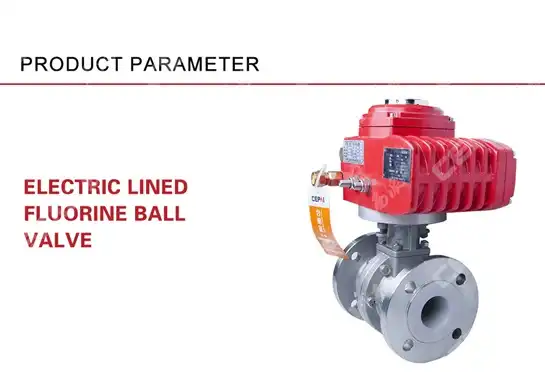
What are the benefits of electric ball valves in power plants? Traditional manual valves just cannot match the increased automation possibilities, improved safety features, and accurate flow control provided by electric ball valves. These motorized valve systems offer enhanced energy efficiency, lower maintenance costs, and dependable remote operation. Quick shut-off capabilities, reliable performance in harsh environments, and smooth interaction with contemporary control systems are all advantageous to power plant operators. These valves are crucial for maximizing power generation processes while upholding the strictest safety regulations since the electric actuator technology allows for precise positioning and monitoring.
What is Electric Ball Valve?
An electric ball valve represents a sophisticated piece of industrial automation equipment that combines traditional ball valve mechanics with advanced electric actuator technology. These automated valve systems feature a spherical disc with a hole through its center, controlled by an electric motor that rotates the ball to either allow or restrict fluid flow. The core positioning of electric ball valves centers on their ability to provide precise, remote-controlled fluid management in critical applications. Unlike manual valves that require physical operation, these smart valve systems respond to electrical signals from control panels or automated systems. The electric actuator converts electrical energy into mechanical rotation, turning the ball within the valve body to achieve desired flow conditions. Power plants utilize these valve automation systems because they offer exceptional reliability and control precision. The electric switch valve design eliminates human error while providing consistent performance across thousands of operating cycles. Modern electric ball valves feature advanced valve controllers that enable position feedback, torque monitoring, and diagnostic capabilities. The integration of valve positioner technology allows operators to achieve exact positioning rather than simple on/off operation. This capability proves crucial in power generation applications where precise flow regulation directly impacts efficiency and safety. The robust construction of these motorized valves ensures dependable operation in challenging environments with high temperatures, pressures, and corrosive media.
The Problem It Solves in Power Plant Operations
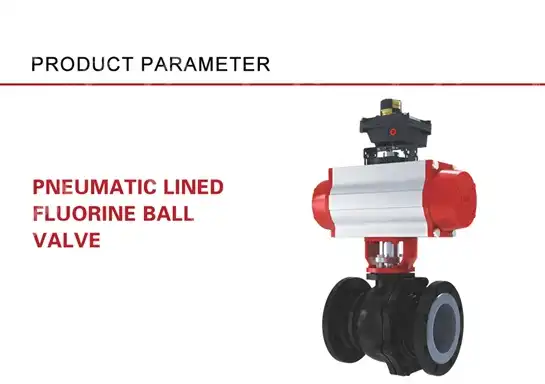
Power plants face numerous operational challenges that electric ball valves address effectively. Traditional manual valves create safety risks because operators must physically access potentially dangerous areas to adjust flow conditions. This exposure to high-pressure steam, toxic chemicals, and extreme temperatures puts personnel at unnecessary risk while limiting response speed during emergencies. Pneumatic valve alternatives often require complex compressed air systems that add maintenance overhead and potential failure points. Air supply interruptions can leave critical valves inoperable when needed most. Electric ball valves eliminate this dependency by operating directly from electrical power, which power plants already have in abundance with backup systems. Flow regulation accuracy becomes critical when optimizing power generation efficiency. Manual valves cannot provide the precise positioning needed for fine-tuning processes, while traditional solenoid valve replacements lack the flow capacity required for large-scale applications. Electric ball valves bridge this gap by combining high flow rates with exact positioning capabilities. Remote monitoring and control represent essential requirements in modern power plant operations. Legacy valve systems provide limited feedback about position, condition, or performance. This lack of visibility forces reactive maintenance approaches and creates blind spots in process monitoring. Electric ball valves solve these problems by incorporating sensors and communication capabilities that enable predictive maintenance and real-time performance tracking. Energy efficient valve operation directly impacts plant profitability and environmental compliance. Traditional valve designs often create unnecessary pressure drops or fail to seal completely, leading to energy waste and emissions issues. Advanced electric ball valve designs minimize these problems through optimized flow paths and reliable sealing mechanisms.
Core Features & Functionality Deep Dive
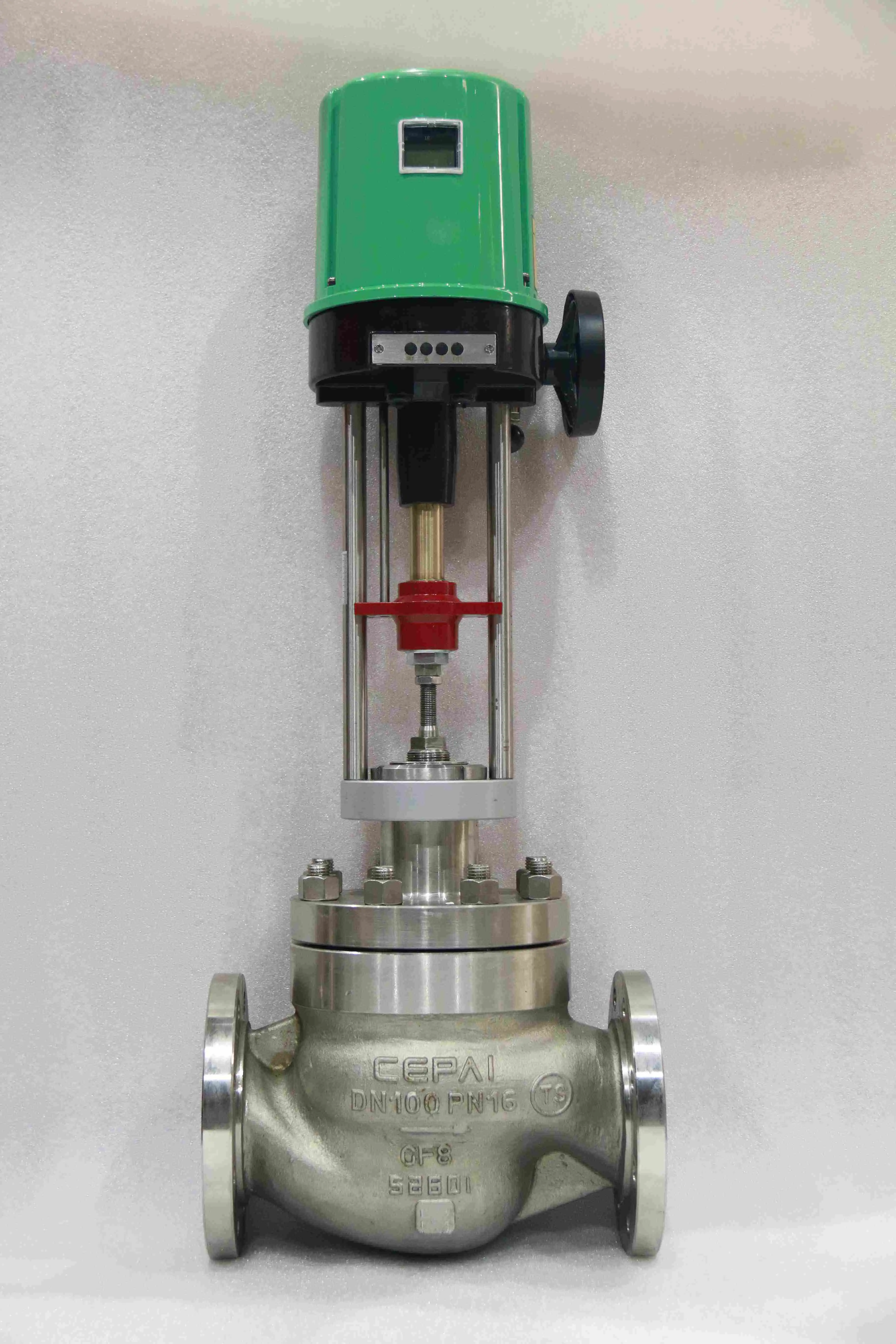
Electric ball valves incorporate several advanced features that deliver exceptional value in power plant applications. The electric actuator represents the heart of these systems, providing precise torque control and position accuracy. Modern actuators feature variable speed operation, allowing gradual opening or closing to prevent water hammer and pressure surges that could damage equipment or pipelines. Valve controller integration enables sophisticated operation modes beyond simple open/close commands. These controllers can execute complex sequences, respond to multiple input signals, and provide detailed diagnostic information. The ability to program custom operating profiles allows power plants to optimize valve performance for specific applications and operating conditions. Position feedback systems ensure accurate valve positioning and enable closed-loop control. Potentiometers, encoders, or other sensing devices continuously monitor ball position and relay this information to control systems. This feedback capability allows automated systems to verify proper valve operation and detect potential problems before they cause failures. Emergency operation features provide critical safety capabilities during power outages or system failures. Many electric ball valves include manual overrides that allow operators to position valves when electrical power is unavailable. Some models feature spring return mechanisms that automatically move valves to safe positions during emergencies. Communication interfaces enable seamless integration with distributed control systems and SCADA networks. Modern electric ball valves support various protocols including Modbus, HART, Foundation Fieldbus, and Ethernet-based systems. This connectivity allows centralized monitoring and control while providing valuable operational data for analysis and optimization. Environmental protection features ensure reliable operation in challenging power plant conditions. Sealed actuator housings protect internal components from moisture, dust, and corrosive atmospheres. Temperature compensation maintains accuracy across wide operating ranges, while vibration resistance prevents performance degradation in high-vibration environments.
Technology Behind Electric Ball Valve Automation
The technological foundation of electric ball valves combines mechanical engineering, electrical systems, and control algorithms to achieve superior performance. The electric actuator utilizes precision gear reduction systems that multiply motor torque while providing fine positioning resolution. These gear trains typically employ hardened steel components with specialized lubrication systems designed for extended service life. Motor technology varies based on application requirements, with options including AC synchronous motors, stepper motors, and servo motors. Each motor type offers distinct advantages in terms of speed, torque, precision, and power consumption. Advanced motor controllers incorporate soft-start capabilities that reduce electrical inrush and mechanical stress during startup. Valve monitoring systems utilize multiple sensor technologies to provide comprehensive performance data. Torque sensors detect changes in operating force that might indicate wear, contamination, or mechanical problems. Vibration monitoring identifies bearing wear or misalignment issues before they cause failures. Temperature sensors track actuator heating and detect abnormal operating conditions. Power management systems optimize energy consumption while ensuring adequate operating capability. Variable frequency drives allow motor speed adjustment to match operating requirements, reducing energy waste during low-demand periods. Regenerative braking captures energy during valve closing operations, improving overall system efficiency. Safety systems incorporate multiple protective features to prevent damage and ensure safe operation. Torque limiting prevents over-stressing valve components, while position limits protect against overtravel. Emergency stop capabilities immediately halt valve movement when safety systems detect hazardous conditions.
Key Advantages in Power Plant Applications
Electric ball valves provide numerous advantages that make them essential components in modern power plant operations. Remote control capability allows operators to manage valve positions from centralized control rooms, eliminating the need to send personnel into potentially hazardous areas. This remote operation proves especially valuable during emergency situations when rapid response is critical for plant safety. Precise positioning accuracy enables optimal process control that improves overall plant efficiency. Unlike manual valves that rely on operator judgment, electric ball valves can achieve repeatable positioning within fractions of a degree. This precision allows fine-tuning of flow rates to maximize power generation while minimizing fuel consumption and emissions. Reduced maintenance requirements translate to lower operating costs and improved availability. Electric ball valves eliminate many mechanical linkages and pneumatic components that require regular servicing. The sealed actuator design protects internal components from contamination, extending service intervals and reducing spare parts inventory. Enhanced safety features protect both personnel and equipment through multiple protective mechanisms. Automatic emergency shutdown capabilities can isolate dangerous areas within seconds of detecting hazardous conditions. Position confirmation prevents valve movement during maintenance activities, while lockout features ensure valves remain in safe positions during equipment servicing. Integration capabilities with modern control systems enable advanced automation strategies that optimize plant performance. Electric ball valves can participate in complex control loops, respond to predictive algorithms, and contribute data for performance optimization. This integration supports smart valve initiatives that improve reliability while reducing operating costs.

Potential Limitations & Considerations
While electric ball valves offer significant advantages, power plant operators should consider certain limitations and requirements. Initial capital investment typically exceeds that of manual or simple pneumatic valves. However, this higher upfront cost is generally offset by reduced operating expenses and improved efficiency over the valve's service life. Electrical power dependency means these valves require reliable electrical supplies to function properly. Power plants must ensure adequate backup power systems and consider battery backup for critical applications. Emergency manual override capabilities provide some protection, but may not be practical for all installations or operating scenarios. Complexity increases compared to simple manual valves, requiring more sophisticated maintenance procedures and skilled technicians. Staff training becomes essential to ensure proper operation and maintenance of these advanced systems. Documentation and spare parts management also require more attention due to the electronic components involved. Environmental considerations may limit applications in extremely harsh conditions. While modern electric ball valves offer excellent environmental protection, extreme temperatures, radiation, or corrosive atmospheres may require special designs or protective measures. These requirements can increase costs and complexity for specific applications. Sizing and selection require careful engineering analysis to ensure proper performance. Flow coefficients, pressure ratings, and actuator sizing must match application requirements precisely. Oversized or undersized valves may not provide optimal performance or may experience premature failure due to improper operating conditions.
Electric Ball Valve vs. Traditional Alternatives
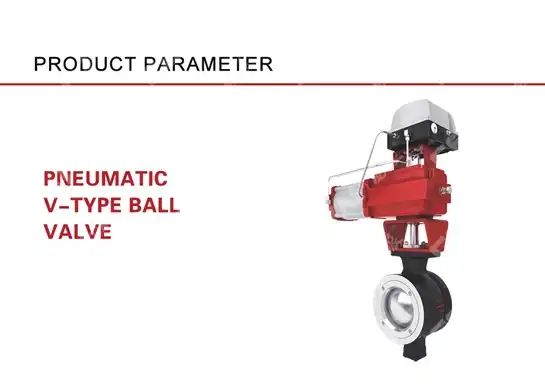
Comparing electric ball valves to pneumatic valve alternatives reveals several key differences that favor electric operation in many power plant applications. Pneumatic systems require compressed air infrastructure that adds complexity and maintenance overhead. Air compressors, dryers, and distribution piping represent additional failure points and energy consumption. Electric ball valves eliminate these requirements by operating directly from electrical power that power plants already generate. Traditional gate valves and globe valves create higher pressure drops due to their flow path restrictions. Electric ball valves provide nearly straight-through flow that minimizes energy loss and reduces pumping requirements. This improved flow characteristic translates to measurable energy savings and improved system performance in large-scale applications. Manual valve operation introduces human factors that can compromise safety and performance. Operators may inconsistently position valves, fail to complete operations during emergencies, or make errors under stress. Electric ball valves eliminate these variables by providing consistent, automated operation that responds reliably to control signals. Butterfly valves offer lower costs but limited flow control precision and higher maintenance requirements. Electric ball valves provide superior shutoff capability and more precise flow regulation, making them preferable for critical applications where reliable isolation and accurate control are essential. The longer service life of ball valve designs often justifies the higher initial investment through reduced replacement frequency.
Frequently Asked Questions
Q1: How long do electric ball valves typically last in power plant applications?
A: Electric ball valves in power plant service typically provide 15-25 years of reliable operation with proper maintenance. The actual service life depends on operating conditions, cycle frequency, and maintenance practices. High-quality valves with robust actuators can achieve over 100,000 operating cycles while maintaining performance specifications.
Q2: Can electric ball valves operate during power outages?
A: Most electric ball valves include manual override capabilities that allow emergency operation without electrical power. Some models feature battery backup systems or spring return mechanisms that automatically position valves safely during power failures. However, normal automated operation requires electrical power restoration.
Q3: What maintenance is required for electric ball valve systems?
A: Regular maintenance includes periodic lubrication of mechanical components, inspection of electrical connections, calibration verification, and performance testing. Modern electric ball valves incorporate diagnostic capabilities that help identify maintenance needs before problems develop. Typical maintenance intervals range from 6-12 months depending on operating conditions.
Partner with CEPAI for Superior Electric Ball Valve Solutions
CEPAI stands as a leading electric ball valve manufacturer with over 15 years of experience serving power generation facilities worldwide. Our comprehensive product range includes high-performance motorized valve systems specifically engineered for the demanding requirements of power plant applications. The advanced manufacturing capabilities at our Jiangsu facility enable us to deliver customized solutions that meet exact specifications while maintaining competitive pricing. Our electric ball valve supplier capabilities extend beyond standard products to include specialized designs for unique applications. The dedicated engineering team works closely with power plant operators to develop solutions that optimize performance while ensuring long-term reliability. Quality certifications including ISO 9001, API standards, and SIL ratings demonstrate our commitment to delivering products that meet the highest industry standards.
CEPAI's intelligent manufacturing approach incorporates advanced testing equipment and quality control procedures that ensure every valve meets strict performance requirements. The CNAS-certified laboratory facilities enable comprehensive testing and validation of products before shipment. This rigorous quality approach has earned trust from major power generation companies and established CEPAI as a preferred partner for critical valve applications. Technical support services include pre-sales consultation, custom engineering, installation assistance, and ongoing maintenance support. Our experienced application engineers help customers select optimal valve configurations and provide training to ensure successful implementation. Remote monitoring capabilities enable proactive support that maximizes uptime and performance.
Discover how CEPAI's electric ball valve solutions can enhance your power plant operations. Contact us at cepai@cepai.com to discuss your specific requirements and learn about our comprehensive valve automation systems designed for power generation applications.
Conclusion
Electric ball valves deliver compelling advantages that make them essential components in modern power plant operations. The combination of precise control, enhanced safety, reduced maintenance, and seamless automation integration provides measurable value that justifies investment in these advanced systems. As power generation facilities continue modernizing operations and improving efficiency, electric ball valve technology will play an increasingly important role in achieving operational excellence. The proven reliability and performance of these automated valve systems position them as the preferred choice for critical applications where safety, efficiency, and dependability are paramount.
_1746598557316.webp)