The ball valve manufacturing process involves several critical stages that transform raw materials into precision-engineered flow control devices. Manufacturing begins with material selection and preparation, where high-grade steel, stainless steel, or specialized alloys undergo thorough inspection and testing. The process continues through machining operations that create valve bodies, balls, and stems with exact tolerances. Assembly follows, incorporating seals, actuators, and connecting components. Quality control testing ensures each Ball Valve meets stringent industry standards before final packaging and shipment to customers worldwide.
Understanding Ball Valve Components and Material Selection
Modern industrial valve manufacturing starts with careful component analysis and material procurement. Engineers evaluate application requirements including pressure ratings, temperature ranges, and chemical compatibility to determine optimal materials. Stainless steel grades like 316L provide excellent corrosion resistance for chemical processing, while carbon steel offers cost-effective solutions for general industrial applications. The primary components requiring precise material specifications include:
- Valve Body: Forms the main housing structure and must withstand operational pressures while maintaining dimensional stability across temperature variations
- Ball Element: The spherical component that controls flow passage, requiring surface hardness and smooth finish for reliable sealing
- Seats and Seals: Critical components that prevent leakage, often manufactured from PTFE, PEEK, or metal materials depending on service conditions
- Stem Assembly: Transfers rotational motion from actuator to ball, demanding high strength and precise machining tolerances
These material choices directly impact valve performance and longevity in demanding industrial environments. Quality manufacturers maintain rigorous material traceability systems to ensure compliance with international standards such as ASTM, ASME, and API specifications.
Precision Machining and Component Manufacturing
Advanced manufacturing facilities utilize computer-controlled machining centers to achieve the dimensional accuracy required for reliable valve operation. CNC turning operations shape valve bodies from solid bar stock or forgings, maintaining tight tolerances that ensure proper fit between components. The machining process encompasses several specialized operations. Boring operations create the internal cavity that houses the ball and seat assembly, while threading operations provide connection points for pipeline installation. Surface finishing processes achieve the smoothness required for effective sealing interfaces. Ball manufacturing demands particular attention to spherical accuracy and surface finish. Automated grinding systems achieve the precise geometry needed for leak-tight closure against valve seats. Advanced coordinate measuring machines verify dimensional compliance throughout production, ensuring each component meets design specifications. Heat treatment processes enhance material properties where required. Stress relieving operations eliminate residual stresses from machining, while hardening treatments increase wear resistance for high-cycle applications. These thermal processes require careful temperature control and monitoring to maintain material integrity.
Assembly Process and Quality Integration
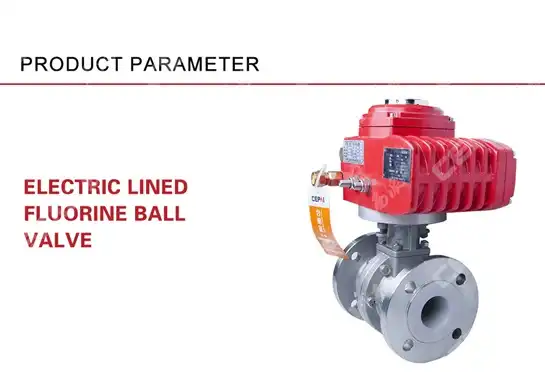
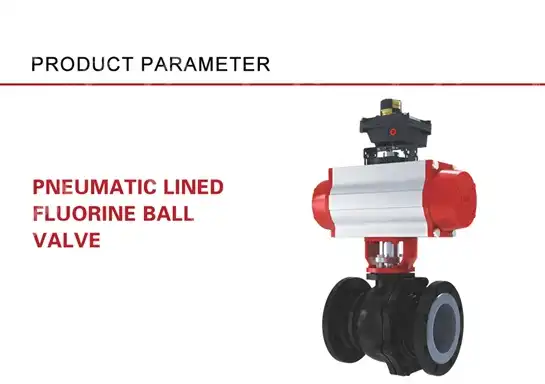
Skilled technicians assemble valve components in controlled environments that prevent contamination and ensure optimal performance. The assembly sequence follows established procedures that maintain component alignment and proper preload on sealing elements. Initial assembly stages involve installing seats into the valve body with appropriate interference fits or mechanical retention systems. The ball element receives careful installation to avoid damage to sealing surfaces. Stem assemblies require precise torque application to ensure smooth operation without excessive friction. Packing installation demands particular expertise to achieve leak-tight stem sealing while maintaining operational torque within acceptable limits. Various packing configurations accommodate different service conditions, from standard industrial applications to high-temperature or cryogenic services. Actuator mounting completes the assembly process for automated valve configurations. Pneumatic or electric actuators receive calibration to ensure accurate positioning and consistent operating characteristics. Control interfaces undergo testing to verify signal response and feedback accuracy.
Advanced Testing and Quality Assurance Protocols
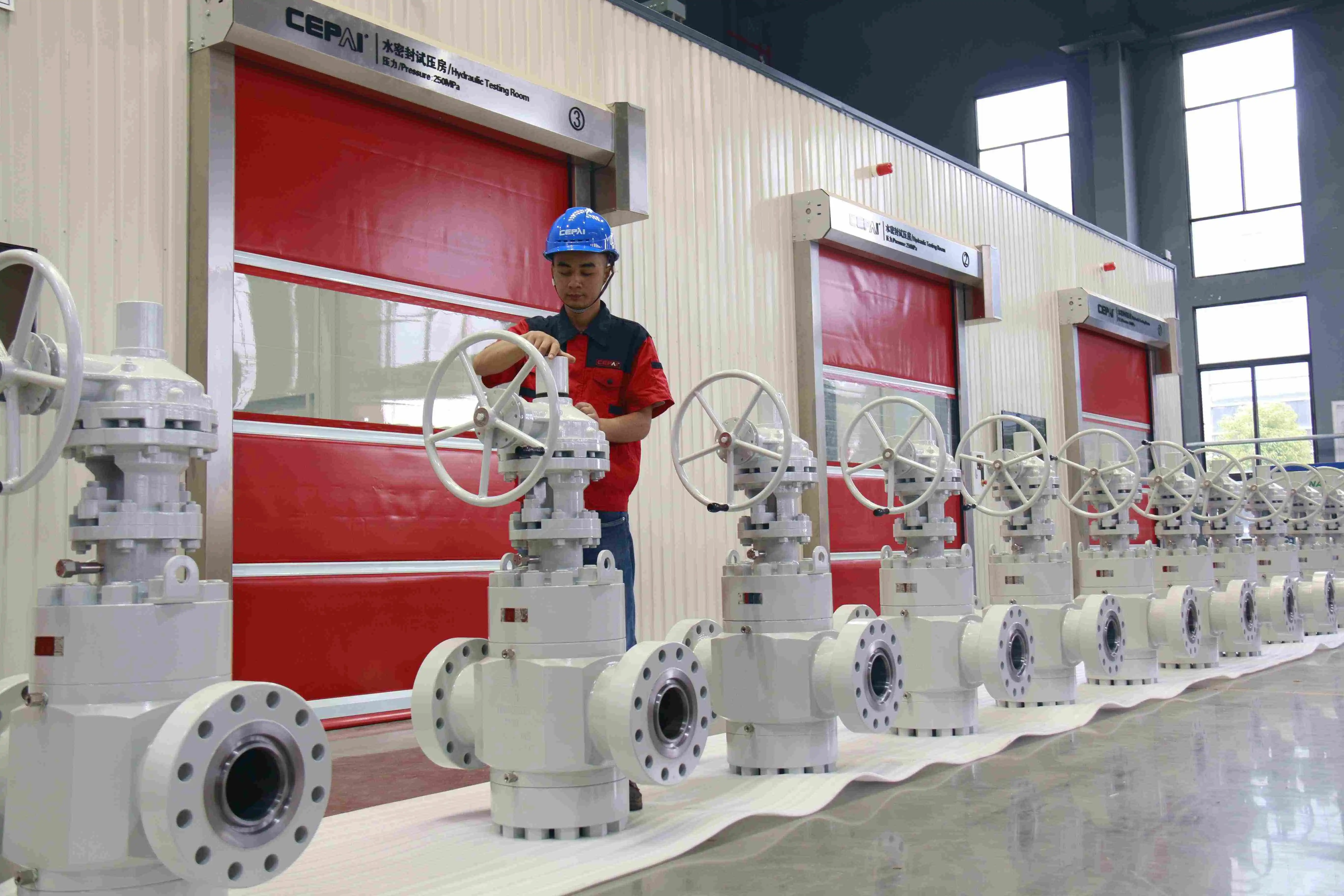
Comprehensive testing processes validate valve performance prior to distribution to consumers. Hydrostatic pressure testing checks structural integrity at pressures that exceed normal operating conditions. Shell testing evaluates the valve body's ability to contain internal pressure without leakage or deformation. Seat testing assesses sealing performance over the complete operating pressure range. Low-pressure testing detects tiny leakage channels that may impact process efficiency, and high-pressure testing confirms performance under maximum rated conditions. Operational testing verifies smooth operation through multiple cycles. Torque measurements ensure operating requirements remain within acceptable limits, while position verification confirms accurate flow control capability. Temperature cycling tests validate performance across the specified operating range. Documentation accompanies each tested valve, providing traceability and performance verification. Material test reports, dimensional inspection records, and performance test results create a comprehensive quality package that supports customer confidence and regulatory compliance.
Innovation in Modern Valve Manufacturing Technology
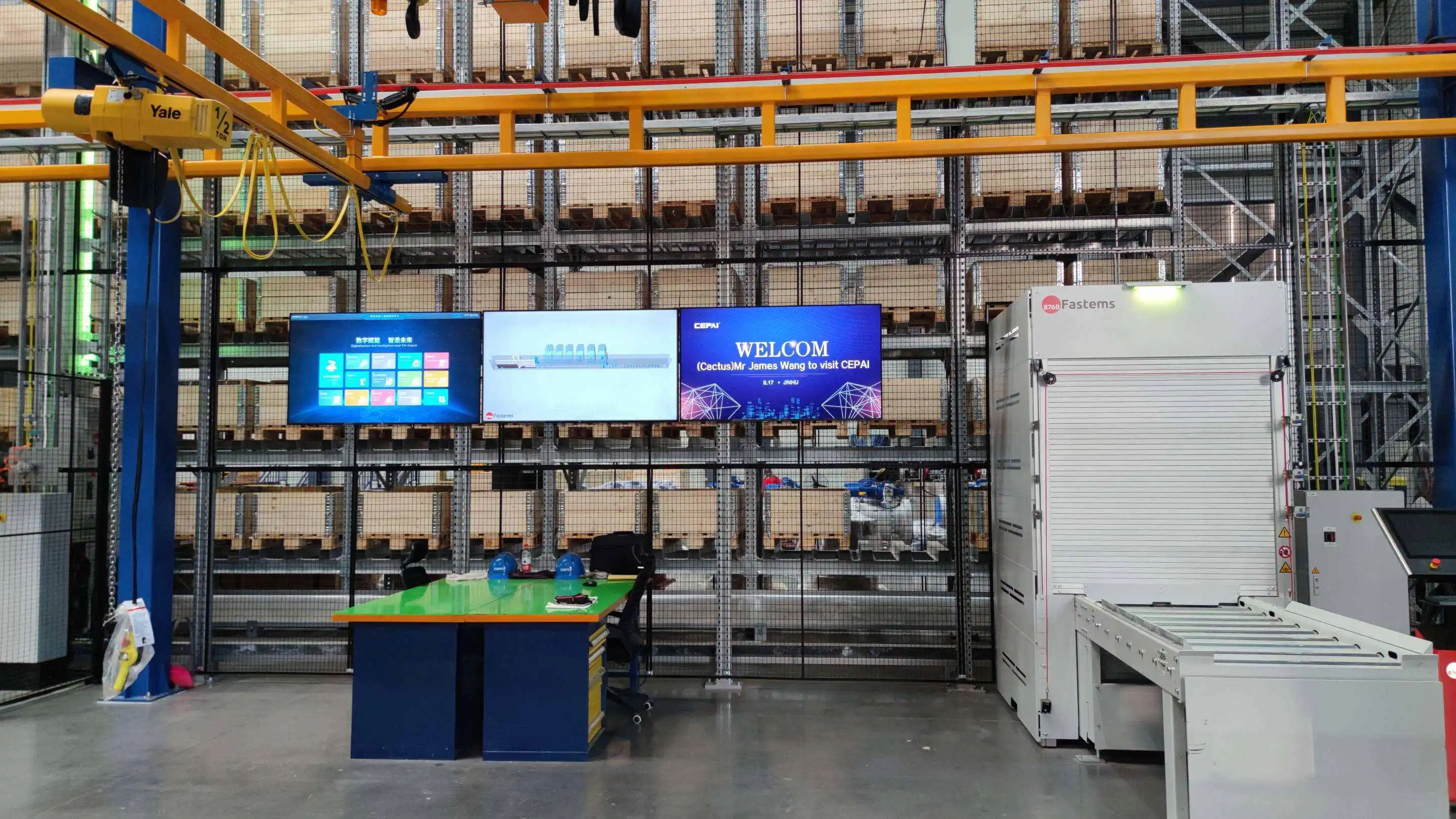
Contemporary manufacturing facilities integrate automation and digital technologies to enhance production efficiency and quality consistency. Robotic systems handle material movement and basic assembly operations, reducing human error while improving workplace safety. Digital quality systems monitor production parameters in real-time, identifying potential issues before they affect product quality. Statistical process control algorithms analyze measurement data to optimize machining parameters and predict maintenance requirements. Advanced surface treatments extend valve service life in challenging applications. Plasma coating processes apply wear-resistant layers to ball surfaces, while specialized surface texturing reduces friction and improves sealing effectiveness. Additive manufacturing technologies enable rapid prototyping of custom components for specialized applications. While traditional manufacturing methods remain primary for production volumes, 3D printing facilitates design validation and small-quantity custom solutions.
Frequently Asked Questions
Q1: What quality certifications should I look for in ball valve manufacturers?
A: Reputable manufacturers maintain ISO 9001 quality management certification along with industry-specific standards such as API 6D for pipeline valves and API 608 for general-purpose applications. Additional certifications like SIL (Safety Integrity Level) ratings indicate suitability for critical safety applications.
Q2: How do material choices affect ball valve performance and cost?
A: Material selection balances performance requirements with economic considerations. Stainless steel provides superior corrosion resistance but costs more than carbon steel. Exotic alloys like Hastelloy or Inconel offer exceptional chemical resistance for specialized applications but significantly increase valve cost.
Q3: What testing procedures ensure reliable ball valve performance?
A: Standard testing includes hydrostatic pressure testing at 1.5 times working pressure, seat leakage testing per API or ANSI standards, and operational testing through multiple cycles. Additional testing may include fire-safe testing, cryogenic testing, or fugitive emissions testing depending on application requirements.
Partner with CEPAI for Premium Ball Valve Solutions
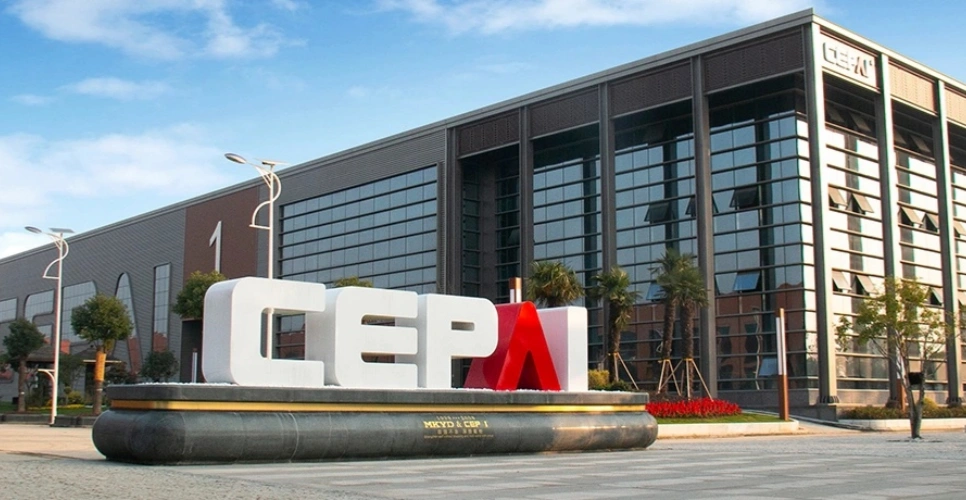
CEPAI Group stands at the forefront of industrial valve manufacturing, combining advanced production technologies with rigorous quality standards to deliver exceptional flow control solutions. Our state-of-the-art facility spans 56,000 square meters and features the longest high-precision intelligent manufacturing flexible production line in the Asia Pacific region, ensuring consistent quality and reliable delivery for global customers. Our comprehensive manufacturing capabilities encompass the complete Ball Valve production process, from initial material selection through final testing and certification. We maintain extensive quality certifications including ISO 9001, API 6D, and SIL ratings, providing confidence in our products' performance and reliability. Our engineering team collaborates closely with customers to develop customized solutions that meet specific application requirements and performance criteria.
As a trusted Ball Valve supplier to major energy companies including PetroChina, Sinopec, and CNOOC, we understand the critical importance of reliable flow control in demanding industrial environments. Our products serve diverse applications from oil and gas production to chemical processing and power generation, backed by comprehensive technical support and responsive customer service. Whether you require standard catalog products or custom-engineered solutions, our experienced team provides expert guidance throughout the selection and procurement process. We invite you to contact us at cepai@cepai.com to discuss your specific requirements and discover how our advanced manufacturing capabilities can support your operational success. Visit valveknowledge.jscepai.com for detailed technical information and product specifications.
Conclusion
The ball valve manufacturing process represents a sophisticated blend of material science, precision engineering, and quality assurance that ensures reliable performance in critical industrial applications. From initial material selection through final testing, each step contributes to creating flow control devices that meet stringent performance requirements while providing long-term operational reliability.
Modern manufacturing technologies continue advancing valve production capabilities, enabling higher precision, improved quality consistency, and enhanced customization options. Understanding these manufacturing processes helps procurement professionals make informed decisions when selecting valve suppliers and specifying products for demanding applications. The combination of traditional manufacturing expertise with innovative technologies positions leading manufacturers to meet evolving industry requirements while maintaining the reliability standards essential for safe and efficient industrial operations.
References
1. Smith, J.R. and Anderson, K.L. "Advanced Manufacturing Techniques in Industrial Valve Production." Journal of Manufacturing Engineering, Vol. 45, No. 3, 2023, pp. 234-249.
2. Thompson, M.D. "Material Selection Criteria for High-Performance Ball Valves in Chemical Processing Applications." Process Engineering Quarterly, Vol. 28, No. 2, 2023, pp. 156-171.
3. Wilson, P.A., Chen, L., and Rodriguez, C.M. "Quality Assurance Protocols in Modern Valve Manufacturing: A Comprehensive Review." Industrial Quality Control Journal, Vol. 52, No. 4, 2023, pp. 312-328.
4. Brown, S.K. "Automation and Digitalization Trends in Valve Manufacturing Industries." Manufacturing Technology Today, Vol. 19, No. 7, 2023, pp. 89-105.
5. Davis, R.H. and Miller, A.J. "Surface Treatment Technologies for Enhanced Valve Performance in Extreme Service Conditions." Materials and Coatings Engineering, Vol. 31, No. 6, 2023, pp. 445-462.
6. Garcia, F.L. "Testing Standards and Certification Requirements for Industrial Ball Valves: Global Perspectives." International Standards Review, Vol. 14, No. 8, 2023, pp. 198-214.
_1746598557316.webp)