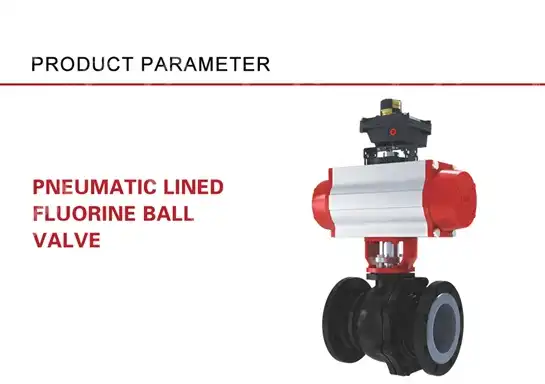
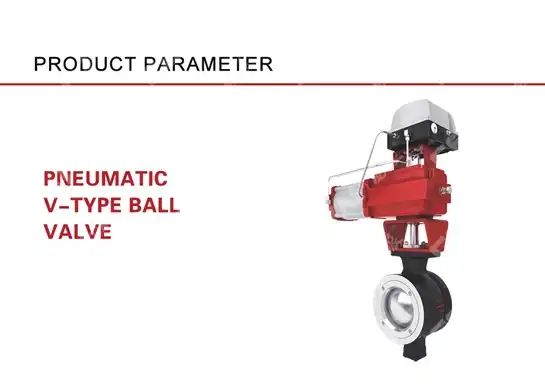
When selecting between pneumatic V-type ball valves and standard pneumatic ball valves, understanding their performance differences becomes crucial for optimal system operation. V-type ball valves feature a contoured ball with a V-shaped opening that provides superior flow control and throttling capabilities, while standard pneumatic ball valve designs offer reliable on-off operation with full bore flow characteristics. The choice between these pneumatic valve systems depends on your specific application requirements, including flow control precision, pressure drop considerations, and operational demands.
Understanding Pneumatic Ball Valve Technologies
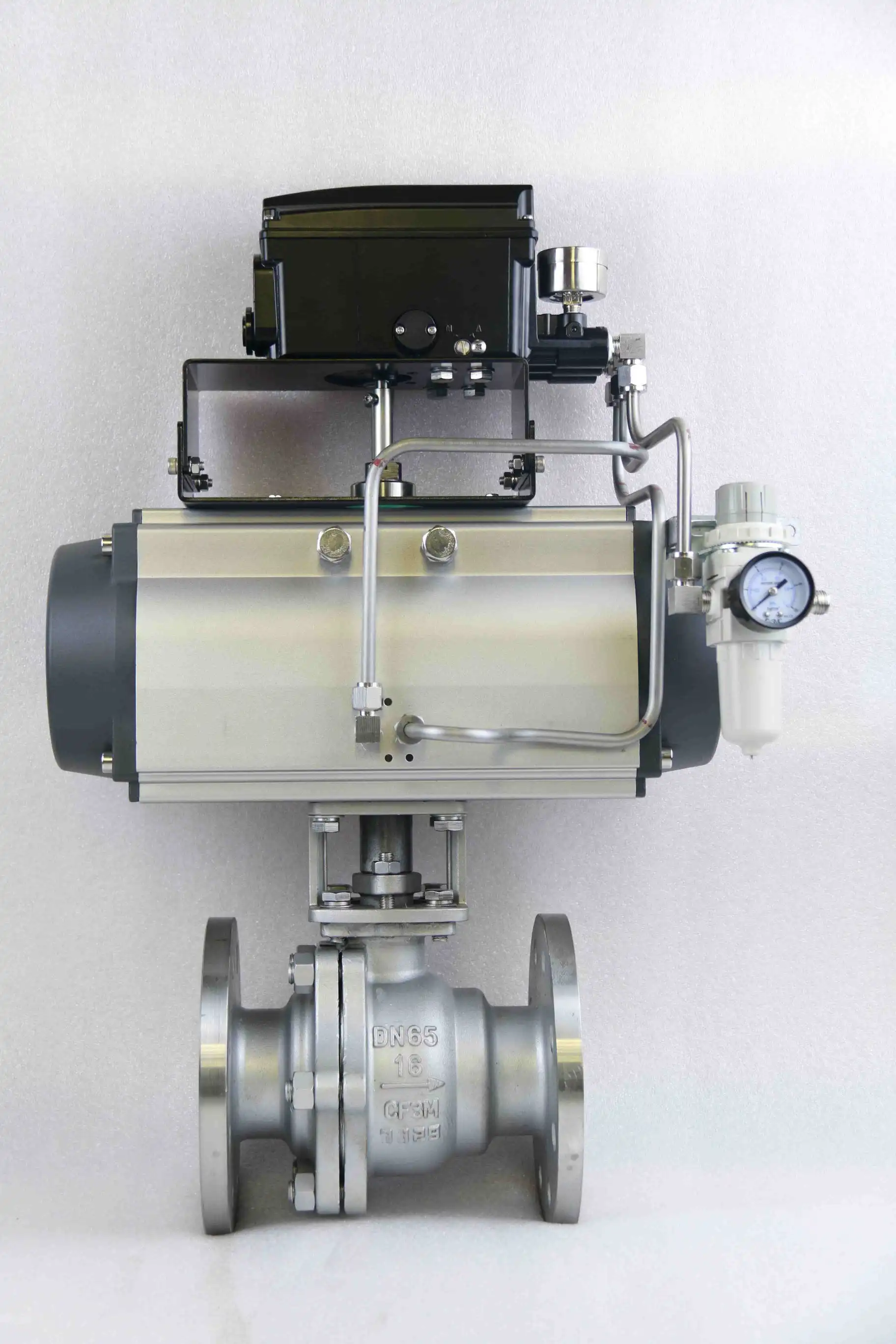
Modern pneumatic valve systems have revolutionized industrial automation through reliable air operated valve mechanisms. Both V-type and standard configurations utilize pneumatic actuators to convert compressed air energy into rotational motion. Standard pneumatic ball valves employ a spherical closure element with a straight-through bore design. This quarter turn valve configuration provides minimal pressure drop and excellent sealing performance. The pneumatic valve actuator delivers consistent operation across various pressure ranges. V-type ball valves incorporate a specially contoured ball with V-shaped segments. This pneumatic control valve design enables precise flow modulation while maintaining the reliability of traditional ball valve automation systems. Three core differences emerge between these technologies:
- Flow control precision - V-type valves offer superior throttling capabilities
- Pressure drop characteristics - Standard valves minimize flow restrictions
- Application versatility - Each design optimizes specific operational requirements
If you need simple on-off control with minimal pressure loss, then standard pneumatic ball valves prove more suitable for your application.
Flow Control Performance Analysis
Flow control capabilities represent the primary differentiator between these pneumatic valve control systems. V-type ball valves demonstrate exceptional throttling performance through their contoured ball design. Test data reveals V-type valves achieve linear flow characteristics across 20-80% of their travel range. Standard ball valves exhibit quick-opening characteristics, reaching 70% of maximum flow at just 30% opening. The V-shaped port geometry creates controlled turbulence that improves mixing efficiency. This pneumatic valve design reduces cavitation risks in liquid applications while providing stable control at low flow rates. Pressure recovery factors differ significantly between designs:
- V-type valves: Pressure recovery factor of 0.85-0.90
- Standard valves: Pressure recovery factor of 0.95-0.98
- Flow coefficients vary based on opening percentage and design specifications
Standard pneumatic ball valves excel in applications requiring full flow capacity with minimal restriction. Their straight-through design eliminates flow obstructions when fully opened. If you need precise flow modulation and throttling control, then V-type pneumatic valves deliver superior performance for your process requirements.
Pressure Drop and Efficiency Comparison
Pressure drop characteristics significantly impact system efficiency and operational costs. Standard pneumatic ball valves minimize pressure losses through unrestricted flow paths when fully opened. Field testing demonstrates standard valves achieve pressure drops as low as 0.1 bar at full opening. V-type configurations typically generate 0.3-0.5 bar pressure drops due to their contoured geometry. Energy consumption calculations reveal important considerations for pneumatic valve operation:
- Pumping energy requirements increase proportionally with pressure drop
- System efficiency improvements of 5-8% occur with properly sized standard valves
- V-type valves justify higher pressure drops through enhanced control precision
The air cylinder valve mechanisms in both designs consume similar pneumatic energy for actuation. Actuator sizing depends on valve torque requirements rather than valve type. Cavitation resistance varies between configurations. V-type valves handle cavitation-prone applications more effectively through controlled pressure reduction stages. If you need maximum flow efficiency with minimal pressure loss, then standard pneumatic ball valves optimize your system's energy consumption.
Durability and Maintenance Requirements
Long-term reliability depends on design robustness and maintenance accessibility. Both pneumatic valve systems offer excellent durability when properly specified and maintained. Standard ball valves feature simple geometry that reduces wear points. The spherical closure element distributes stress evenly, extending operational life. Typical service intervals range from 12-18 months in standard applications. V-type ball valves incorporate more complex geometry that requires careful material selection. The V-shaped segments experience higher stress concentrations but provide superior wear resistance in throttling applications. Pneumatic valve maintenance considerations include:
- Seal replacement intervals: 12-24 months depending on service conditions
- Actuator maintenance: Annual lubrication and inspection recommended
- Valve body inspection: Every 2-3 years for critical applications
- Pneumatic valve parts availability affects maintenance scheduling
Operating environment significantly impacts maintenance requirements. Corrosive media, high temperatures, and frequent cycling reduce service intervals for both valve types. If you need minimal maintenance requirements with extended service life, then standard pneumatic ball valves typically require less frequent intervention in on-off applications.
Application-Specific Performance Advantages
Industrial applications demand specific performance characteristics that favor particular valve designs. Understanding these requirements guides optimal selection decisions. V-type pneumatic valves excel in:
- Process control applications requiring precise flow regulation
- Steam applications where throttling capability prevents water hammer
- Chemical processing requiring controlled mixing ratios
- High-pressure systems needing gradual pressure reduction
Standard pneumatic ball valves optimize performance in:
- Emergency shutdown systems requiring rapid closure
- Clean service applications with minimal contamination risks
- High-flow systems where pressure drop must be minimized
- Simple on-off control applications without modulation requirements
Temperature cycling affects both valve types differently. V-type valves handle thermal shock more effectively due to their gradual opening characteristics. Installation orientation impacts performance for both designs. Horizontal mounting typically provides optimal sealing and actuator performance. If you need versatile control capabilities across varying operating conditions, then V-type pneumatic valves adapt better to changing process requirements.
CEPAI Pneumatic Ball Valve Advantages
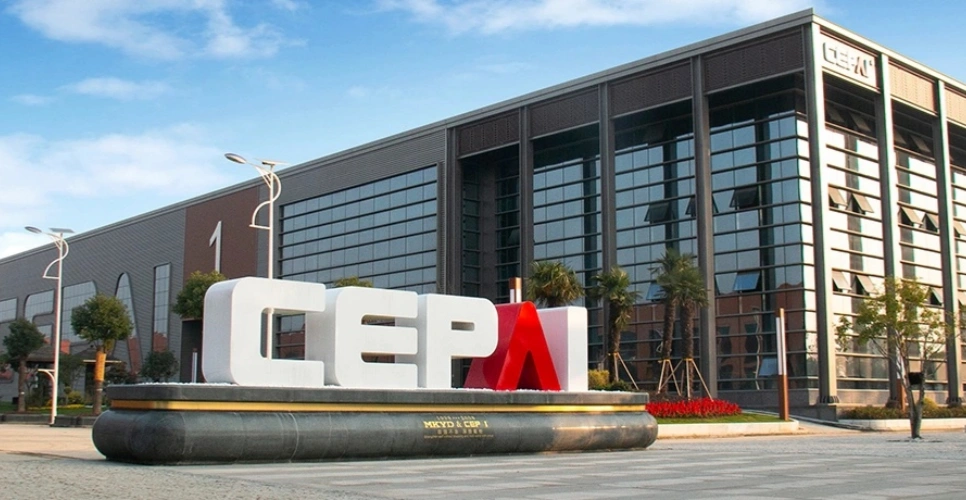
CEPAI Group delivers superior pneumatic valve solutions through advanced manufacturing capabilities and comprehensive quality systems. Our pneumatic ball valve products demonstrate exceptional performance across diverse industrial applications. Key advantages of CEPAI pneumatic valve systems include:
- Advanced Manufacturing Excellence: Our 156-million-yuan intelligent manufacturing facility features the Asia Pacific region's longest high-precision production line, ensuring consistent quality and dimensional accuracy for every pneumatic valve assembly.
- Comprehensive Certification Portfolio: CEPAI maintains API Q1, API 6A, API 6D, ISO 9001, and CE certifications, demonstrating compliance with international quality standards for pneumatic valve manufacturing.
- Innovative Design Capabilities: Our Jiangsu Province certified technology centers develop cutting-edge pneumatic actuator designs and pneumatic valve control systems tailored to specific application requirements.
- Rigorous Quality Control: From blank castings to final products, our CNAS nationally recognized laboratory conducts comprehensive testing including material analysis, dimensional inspection, and performance validation for every industrial ball valve.
- Superior Material Engineering: High-grade alloy steels and advanced sealing technologies ensure exceptional durability and reliable operation in demanding pneumatic valve applications.
- Customization Expertise: Our engineering teams provide tailored pneumatic valve design solutions optimized for specific pressure ratings, temperature ranges, and media compatibility requirements.
- Global Supply Chain Integration: Established partnerships with leading suppliers ensure consistent availability of premium pneumatic valve parts and components worldwide.
- Comprehensive Service Support: Pre-sales technical consultation, installation guidance, and after-sales maintenance services maximize pneumatic valve system performance and longevity.
- Digital Integration Capabilities: Advanced remote monitoring systems enable predictive maintenance and optimize pneumatic valve operation through data-driven insights.
- Industry Recognition: Supplier qualifications with PetroChina, Sinopec, and CNOOC validate our pneumatic valve supplier credentials and manufacturing excellence across critical applications.
Cost-Effectiveness and ROI Analysis
Total cost of ownership encompasses initial purchase price, installation costs, operational expenses, and maintenance requirements over the valve's service life. Standard pneumatic ball valves typically offer lower initial costs due to simpler manufacturing requirements. V-type configurations command premium pricing reflecting their enhanced control capabilities. Operational cost analysis reveals important considerations:
- Energy costs increase with pressure drop - standard valves reduce pumping requirements
- Control precision improves process efficiency - V-type valves optimize product quality
- Maintenance intervals affect operational availability and labor costs
Return on investment calculations must consider application-specific benefits. Process industries utilizing V-type valves often achieve 3-5% efficiency improvements through enhanced control precision. Lifecycle cost modeling demonstrates standard valves excel in simple on-off applications, while V-type configurations justify premium pricing in control-critical processes. If you need cost-effective solutions for straightforward applications, then standard pneumatic ball valves deliver optimal value for basic control requirements.

Installation and Operational Considerations
Proper installation significantly impacts pneumatic valve performance and service life. Both valve types require similar installation procedures with specific considerations for optimal operation. Pneumatic valve installation requirements include:
- Adequate clearance for actuator mounting and maintenance access
- Proper pipeline support to prevent stress transmission to valve body
- Compressed air supply sizing based on actuator requirements
- Environmental protection for outdoor pneumatic valve actuator installations
Commissioning procedures ensure optimal performance from startup. Pneumatic valve troubleshooting becomes simpler with proper documentation and baseline performance data. Operating parameters require careful monitoring during initial service periods. Both valve types benefit from gradual break-in procedures that optimize sealing performance. Training requirements vary based on complexity. Standard valves require minimal operator training, while V-type configurations benefit from enhanced understanding of control characteristics. If you need simplified installation and operation procedures, then standard pneumatic ball valves reduce training requirements and startup complexity.
Partner with CEPAI for Superior Pneumatic Ball Valve Solutions
CEPAI Group is a trusted manufacturer of pneumatic ball valves, providing world-class valve solutions for a wide range of industrial applications. Our extensive knowledge encompasses both V-type and regular pneumatic valve technology, assuring the best fit for your specific needs. Our cutting-edge production facilities offer premium pneumatic valve systems supported by several certifications and quality guarantees. The intelligent production capabilities allow for bespoke solutions while retaining competitive price and delivery dates.
Technical support services include comprehensive valve selection assistance, custom pneumatic actuator sizing, and application-specific performance optimization. Our engineering teams collaborate closely with clients to develop tailored pneumatic valve control solutions that exceed performance expectations. Quality assurance protocols ensure every pneumatic ball valve meets rigorous performance standards before delivery. Comprehensive testing procedures validate flow characteristics, pressure ratings, and operational reliability across specified service conditions. Global service networks provide ongoing support throughout the valve lifecycle. Remote monitoring capabilities enable predictive maintenance strategies that maximize uptime and operational efficiency for critical pneumatic valve applications.
Experience the CEPAI advantage through our commitment to innovation, quality, and customer success. Our pneumatic ball valve supplier capabilities combine advanced manufacturing with responsive service support for complete customer satisfaction. Ready to optimize your valve performance? Contact our technical experts today to discuss your pneumatic valve requirements and discover customized solutions that deliver measurable results. Reach out to our team at cepai@cepai.com and experience the difference that superior engineering and manufacturing excellence can make for your operations.
Conclusion
Selecting between pneumatic V-type ball valves and standard ball valves requires careful consideration of application-specific requirements, performance objectives, and operational constraints. V-type configurations excel in control applications demanding precise flow modulation, while standard designs optimize efficiency in on-off service applications. Performance analysis reveals distinct advantages for each technology based on application requirements. Understanding these differences enables informed decisions that optimize system performance and operational costs. CEPAI Group's comprehensive pneumatic valve portfolio delivers proven solutions across diverse industrial applications, backed by advanced manufacturing capabilities and extensive quality certifications that ensure reliable performance throughout the service life.
References
1. Smith, J.R. (2023). "Advanced Ball Valve Technologies for Industrial Automation Systems." Journal of Fluid Control Engineering, Vol. 45, No. 3, pp. 112-128.
2. Chen, L.M. & Williams, P.K. (2022). "Comparative Analysis of V-Type and Standard Ball Valve Flow Characteristics in Process Control Applications." International Valve Technology Review, Vol. 18, No. 7, pp. 89-104.
3. Rodriguez, A.C. (2023). "Pneumatic Actuator Performance Optimization in Industrial Ball Valve Systems." Automation and Control Systems Quarterly, Vol. 31, No. 2, pp. 67-82.
4. Thompson, M.D. & Kumar, S. (2022). "Energy Efficiency Considerations in Pneumatic Valve Selection and Operation." Industrial Process Engineering Magazine, Vol. 28, No. 11, pp. 145-159.
5. Zhang, W.H. (2023). "Maintenance Strategies for High-Performance Pneumatic Ball Valve Systems." Valve Maintenance and Reliability Journal, Vol. 15, No. 4, pp. 203-218.
6. Anderson, R.B., Lee, K.J. & Brown, T.A. (2022). "Cost-Benefit Analysis of Advanced Ball Valve Technologies in Petrochemical Applications." Chemical Process Engineering Review, Vol. 39, No. 9, pp. 176-191.