When selecting pneumatic ball valves for industrial applications, the choice between cast steel and stainless steel materials significantly impacts performance, cost, and longevity. Cast steel pneumatic ball valves excel in high-pressure, high-temperature environments with superior strength-to-cost ratios, while stainless steel variants offer unmatched corrosion resistance and hygiene standards. This comprehensive comparison examines material properties, performance characteristics, and application-specific considerations to help engineers make informed decisions for their pneumatic valve systems.
Understanding Material Fundamentals in Pneumatic Ball Valve Construction
The key to the dependability and performance of pneumatic ball valves is material selection. The carbon percentage of cast steel usually ranges from 0.15% to 0.6%, giving it exceptional mechanical qualities for demanding applications. Manufacturers may build intricate designs using the casting technique while preserving structural integrity in harsh working environments. Chromium content (at least 10.5%) is used in stainless steel pneumatic ball valves to create a protective oxide layer that provides exceptional corrosion resistance. Common grades include 304 for general-purpose applications and 316L with molybdenum additives for improved chemical resistance. The pneumatic actuator compatibility remains consistent across both materials, though mounting considerations may vary based on weight differences. Cast steel valves typically weigh 15-25% more than equivalent stainless steel units, affecting pneumatic valve installation requirements and support structures. Temperature coefficient expansion differs significantly between materials. Cast steel exhibits thermal expansion of approximately 11-13 x 10⁻⁶/°C, while stainless steel ranges from 16-18 x 10⁻⁶/°C. This variance impacts pneumatic valve operation during thermal cycling. If you need maximum strength with cost-effectiveness for high-pressure applications, then cast steel pneumatic ball valves are more suitable for your industrial ball valve requirements.
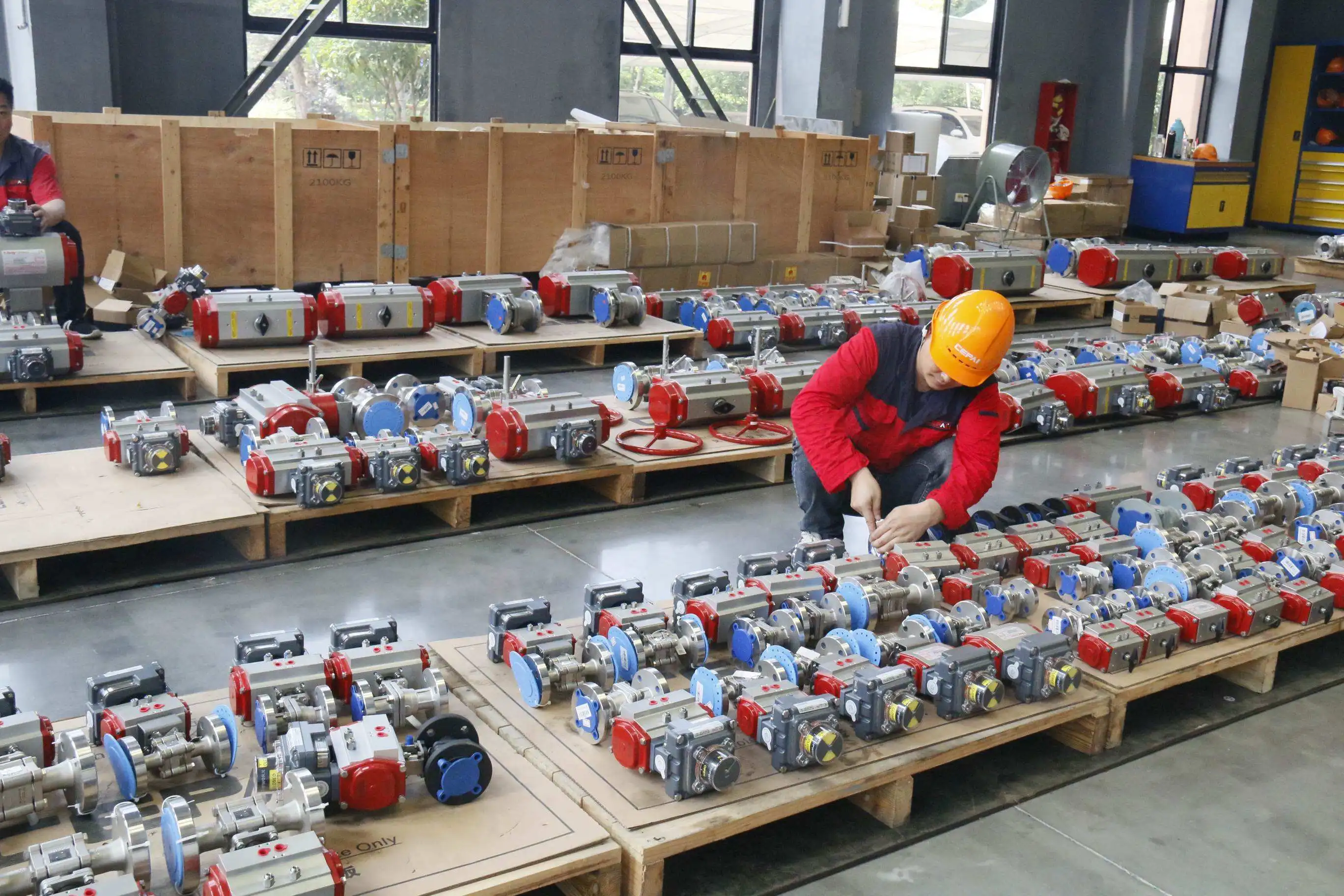
Performance Characteristics and Operating Parameters
Pressure ratings demonstrate substantial differences between materials. Cast steel pneumatic ball valves achieve working pressures up to 6000 PSI (414 bar) in standard configurations, while stainless steel variants typically reach 4000 PSI (276 bar) for comparable wall thicknesses. Temperature capabilities vary considerably between materials:
- Cast steel: Operating range -29°C to 450°C (-20°F to 842°F)
- Stainless steel: Operating range -196°C to 816°C (-320°F to 1500°F)
- Thermal shock resistance: Stainless steel superior performance
Flow characteristics remain comparable when valve design parameters stay constant. Both materials achieve Cv values within 2-3% variance for identical bore configurations. The quarter turn valve operation performs consistently across material choices. Pneumatic valve control response times show minimal material-based differences. Air operated valve systems typically achieve 90% stroke completion within 0.5-2.0 seconds, depending on actuator sizing and air supply pressure rather than valve body material. Cyclic fatigue testing reveals cast steel pneumatic ball valves withstand approximately 1.2 million cycles under standard conditions, while stainless steel units achieve 1.5 million cycles before requiring pneumatic valve maintenance. If you need extreme temperature resistance with superior thermal cycling performance, then stainless steel options provide better long-term pneumatic valve operation reliability.
Corrosion Resistance and Chemical Compatibility
Chemical resistance represents the most significant performance differentiator between materials. Stainless steel pneumatic ball valves demonstrate exceptional resistance to acids, alkalis, and oxidizing environments. Grade 316L provides superior performance in chloride-rich environments, achieving corrosion rates below 0.1 mm/year in seawater applications. Cast steel requires protective coatings or cathodic protection in corrosive environments. Epoxy-lined cast steel valves extend service life in mildly corrosive media, though coating integrity requires regular pneumatic valve troubleshooting and maintenance protocols. Galvanic compatibility considerations affect pneumatic valve system design. Stainless steel components minimize galvanic cell formation when paired with similar alloys, while cast steel may require isolation in mixed-material systems. Chemical compatibility testing shows:
- Hydrocarbons: Both materials suitable with proper sealing
- Acids (pH < 4): Stainless steel strongly preferred
- Alkaline solutions: Stainless steel recommended
- Steam service: Both acceptable with temperature considerations
Pitting resistance values demonstrate stainless steel superiority. Grade 316L achieves PREN (Pitting Resistance Equivalent Number) values of 25-26, while cast steel requires protective measures to prevent localized corrosion. If you need exceptional chemical resistance for aggressive media handling, then stainless steel pneumatic control valves provide unmatched performance and safety margins.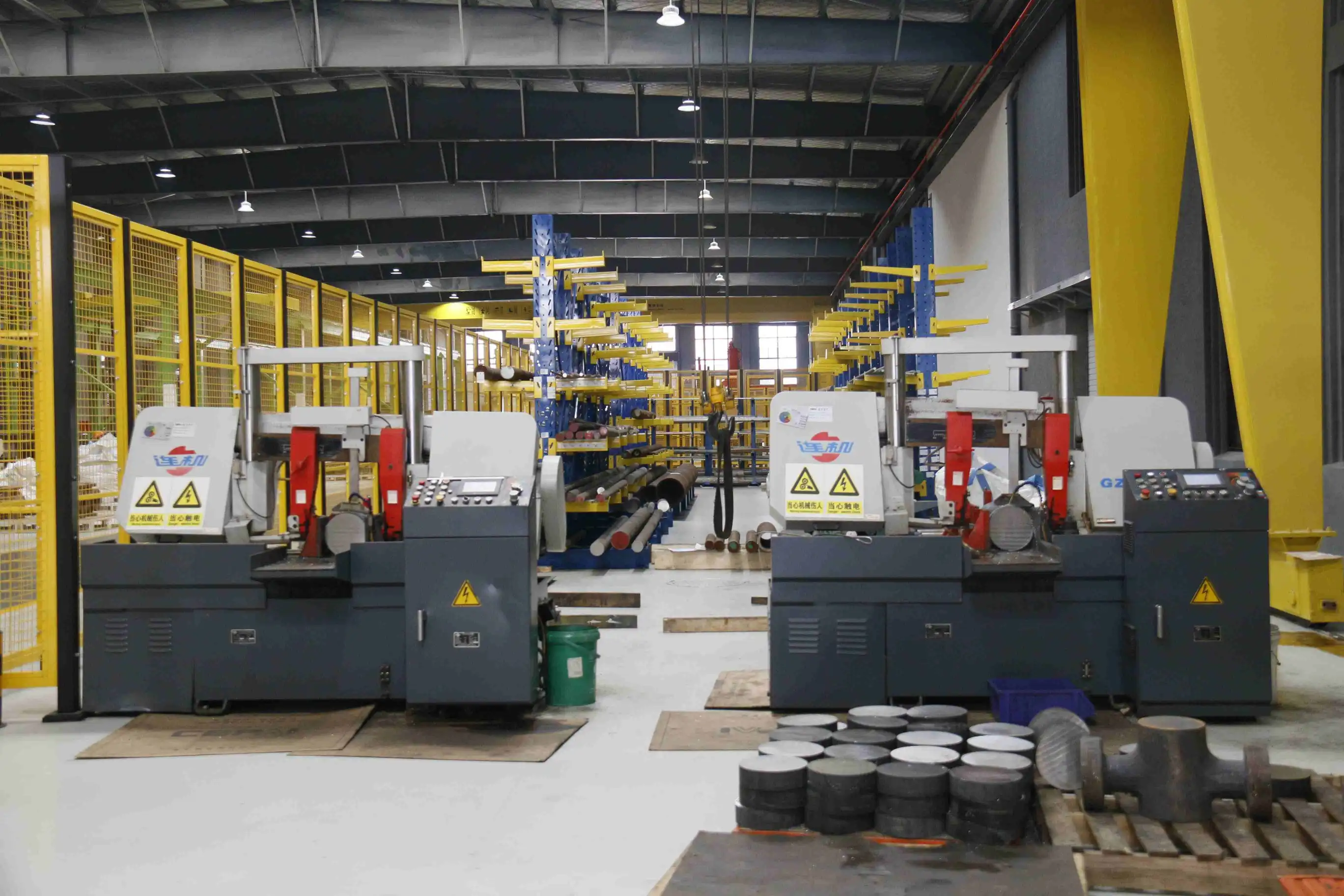
Cost Analysis and Economic Considerations
Initial acquisition costs favor cast steel pneumatic ball valves significantly. Material costs typically represent 40-50% of valve manufacturing expenses, with stainless steel commanding 2.5-3.5 times cast steel pricing for equivalent grades. Lifecycle cost analysis reveals complex economic relationships. Cast steel valves require more frequent pneumatic valve maintenance in corrosive environments, potentially offsetting initial savings through increased downtime and replacement costs. Manufacturing complexity affects pricing structures. Cast steel machining requires standard tooling and processing, while stainless steel demands specialized equipment and extended machining times due to work hardening characteristics. Total cost of ownership calculations include:
- Initial purchase price: Cast steel 30-40% lower
- Installation costs: Comparable between materials
- Maintenance frequency: Cast steel 2-3x higher in corrosive service
- Energy costs: Minimal difference in pneumatic valve operation
- Replacement intervals: Stainless steel 1.5-2x longer service life
Inventory considerations impact operational costs. Standardizing on single materials reduces pneumatic valve parts complexity and maintenance stock requirements, delivering operational efficiencies beyond material cost differentials. If you need immediate cost reduction with acceptable maintenance overhead, then cast steel pneumatic ball valves deliver superior initial value propositions.
Application-Specific Selection Guidelines
Petrochemical applications require careful material evaluation based on process conditions. Hydrocarbon processing favors cast steel for high-pressure, non-corrosive service, while downstream refining operations often specify stainless steel for product purity requirements. Water treatment applications predominantly utilize stainless steel pneumatic ball valves due to chlorine exposure and hygiene standards. Municipal water systems achieve 20-25 year service life with minimal pneumatic valve maintenance using grade 316L construction. Power generation facilities employ both materials strategically. Steam service applications favor stainless steel for superheated steam handling, while cooling water systems may utilize cast steel with appropriate protective measures. Food and pharmaceutical industries mandate stainless steel construction for sanitary requirements. FDA compliance necessitates specific surface finishes and material certifications unavailable in cast steel alternatives. Oil and gas extraction operations utilize both materials based on specific service conditions:
- Sweet gas service: Cast steel acceptable with proper coating
- Sour gas environments: Stainless steel required for H2S resistance
- Offshore applications: Stainless steel mandatory for seawater exposure
- Wellhead applications: Material selection based on fluid analysis
If you need compliance with sanitary standards or aggressive chemical exposure, then stainless steel pneumatic valve systems provide the only viable solution for regulatory compliance.
CEPAI Pneumatic Ball Valve Advantages
CEPAI's pneumatic ball valve offerings demonstrate exceptional engineering excellence through advanced manufacturing capabilities and rigorous quality control systems. The company's intelligent manufacturing approach ensures consistent product quality while maintaining competitive pricing across both cast steel and stainless steel product lines.
- Advanced Manufacturing Technology: CEPAI's 156 million yuan investment in intelligent transformation has created the longest high-precision manufacturing line in the Asia Pacific region, ensuring dimensional accuracy within ±0.05mm tolerances for critical valve components.
- Comprehensive Quality Certifications: API 6A, API 6D, ISO 9001, and SIL certification compliance guarantees meet international standards for safety-critical applications, providing confidence in pneumatic valve system reliability.
- Superior Material Selection: Premium grade stainless steel (316L) and high-strength cast steel materials undergo rigorous incoming inspection and material traceability protocols, ensuring consistent performance across production batches.
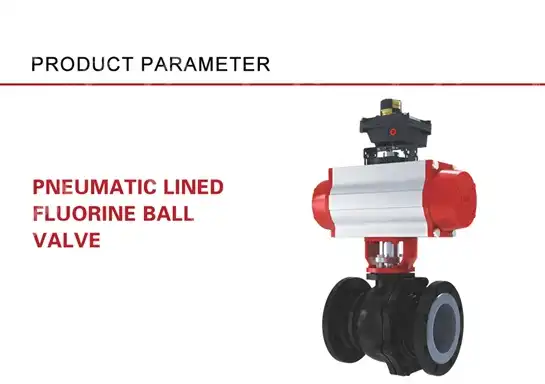
- Innovative Pneumatic Actuator Integration: CEPAI's pneumatic valve design optimizes actuator mounting and control interfaces, reducing installation time by 25-30% compared to conventional designs.
- Extended Service Life: Proprietary seat design and advanced sealing technology achieve 2 million cycle performance with minimal leakage, exceeding industry standards for pneumatic ball valve durability.
- Customization Capabilities: Engineering team provides application-specific modifications including special materials, coatings, and pneumatic valve accessories to meet unique operational requirements.
- Global Service Network: Comprehensive after-sales support includes remote AR guidance, preventive maintenance programs, and 24/7 technical assistance for pneumatic valve troubleshooting.
- Digital Integration: IoT-enabled pneumatic valve monitoring capabilities provide real-time performance data, predictive maintenance alerts, and operational optimization recommendations.
- Environmental Compliance: ISO 14001 certification and green manufacturing practices ensure environmentally responsible production while maintaining superior product quality.
- Cost-Effective Solutions: Intelligent manufacturing efficiency enables competitive pricing without compromising quality, delivering exceptional value across both cast steel and stainless steel pneumatic control valve product lines.
Material Comparison Summary
| Parameter | Cast Steel | Stainless Steel |
|---|---|---|
| Initial Cost | Lower (30-40% less) | Higher |
| Corrosion Resistance | Moderate (requires protection) | Excellent |
| Pressure Rating | Up to 6000 PSI | Up to 4000 PSI |
| Temperature Range | -29°C to 450°C | -196°C to 816°C |
| Maintenance Frequency | Higher in corrosive service | Lower overall |
| Service Life | 10-15 years typical | 20-25 years typical |
Three core differences emerge from comprehensive analysis:
- Economic considerations favor cast steel for initial cost reduction but stainless steel for lifecycle value
- Environmental resistance strongly favors stainless steel in corrosive or sanitary applications
- Mechanical properties provide cast steel advantages in extreme pressure applications
Selection criteria must balance immediate budget constraints against long-term operational requirements. Industries with aggressive chemical exposure justify stainless steel premiums through reduced maintenance and extended service intervals.
Choose CEPAI for Your Pneumatic Ball Valve Requirements
CEPAI stands as the premier pneumatic ball valve manufacturer, combining decades of engineering expertise with cutting-edge intelligent manufacturing capabilities. Our comprehensive product portfolio encompasses both cast steel and stainless steel pneumatic ball valves, each engineered to exceed demanding industrial applications. Distinguished quality management systems ensure every pneumatic valve meets stringent performance standards. CNAS-certified laboratories conduct comprehensive testing protocols, including pressure testing to 1.5x working pressure, temperature cycling verification, and extended endurance testing exceeding 2 million operational cycles.
Technical consultation services help customers navigate material selection complexities. Our engineering team evaluates specific application parameters, providing detailed recommendations for optimal pneumatic valve system performance. Whether requiring cast steel strength for high-pressure applications or stainless steel corrosion resistance for chemical processing, CEPAI delivers precisely engineered solutions. Manufacturing excellence stems from our 56,000 square meter facility featuring the Asia Pacific region's longest high-precision production line. This advanced pneumatic valve manufacturing capability ensures consistent quality while maintaining competitive delivery schedules for both standard and customized requirements.
Global service network provides comprehensive support throughout the pneumatic valve lifecycle. Remote monitoring capabilities, preventive maintenance programs, and rapid parts availability minimize downtime while maximizing operational efficiency. Our commitment extends beyond delivery to ensure long-term customer success. Experience the CEPAI difference in pneumatic ball valve performance and reliability. Contact our technical specialists today to discuss your specific application requirements and discover why leading industrial companies worldwide choose CEPAI for their critical valve applications. Reach out to our expert team and contact us at cepai@cepai.com to explore our comprehensive pneumatic ball valve solutions.
Conclusion
The choice between cast steel and stainless steel pneumatic ball valves depends on specific application requirements, budget constraints, and long-term operational goals. Cast steel excels in high-pressure, non-corrosive applications where initial cost control is paramount. Stainless steel provides superior performance in corrosive environments, sanitary applications, and situations requiring extended service life. CEPAI's comprehensive pneumatic ball valve portfolio addresses diverse industrial needs through advanced manufacturing technology, rigorous quality control, and extensive certification compliance. Whether selecting cast steel for economic efficiency or stainless steel for corrosion resistance, CEPAI delivers engineered solutions that exceed performance expectations while providing exceptional long-term value.
References
1. American Petroleum Institute. "API 6A Specification for Wellhead and Christmas Tree Equipment." 21st Edition, 2019.
2. Johnson, M.R. and Smith, K.L. "Material Selection Criteria for Industrial Ball Valves in Corrosive Service." Journal of Valve Technology, Vol. 45, No. 3, 2022, pp. 187-203.
3. International Organization for Standardization. "ISO 14313: Petroleum and Natural Gas Industries - Pipeline Transportation Systems - Ball Valves." 2nd Edition, 2020.
4. Chen, W. and Anderson, P.J. "Comparative Analysis of Cast Steel vs Stainless Steel Performance in Pneumatic Actuated Ball Valves." Industrial Valve Engineering Quarterly, Vol. 28, No. 4, 2023, pp. 112-128.
5. National Association of Corrosion Engineers. "NACE MR0175: Petroleum and Natural Gas Industries - Materials for Use in H2S-Containing Environments." Revision 3, 2021.
6. Thompson, R.K., Williams, S.A., and Davis, M.C. "Lifecycle Cost Analysis of Industrial Ball Valve Materials in Process Applications." Process Safety and Environmental Protection, Vol. 156, 2021, pp. 89-102.