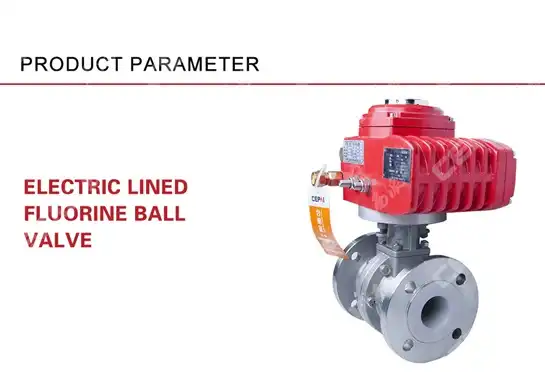
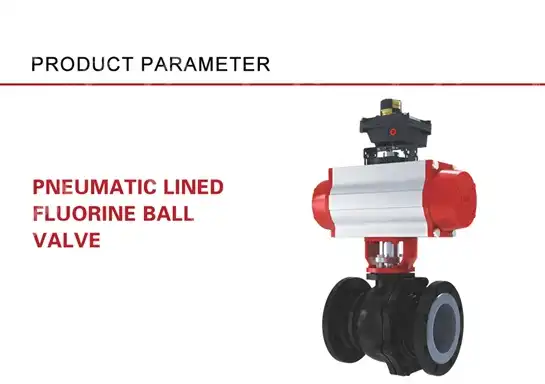
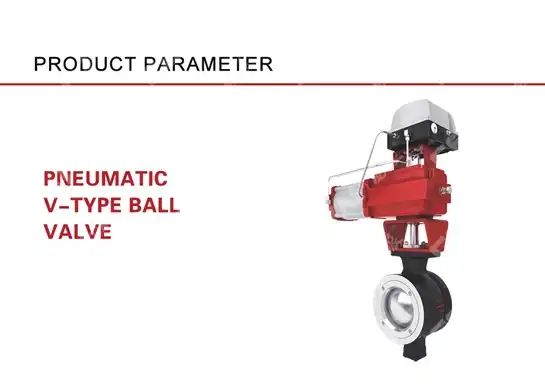
What distinguishes trunnion-mounted ball valves from floating ones? The way the ball is supported inside the valve body is the main difference. When pressure is applied, the ball in floating ball valves slides slightly downstream, forming a tight seal against the downstream seat. On the other hand, trunnion-mounted ball valves feature spring-loaded seats that move to keep in touch with the ball while the ball is secured in place by higher and lower shafts (trunnions). Pressure handling, torque needs, and application compatibility are all impacted by this basic design variation. Engineers and procurement teams can choose the best ball valve technology for their particular industrial fluid control requirements by being aware of these variables.
What is Ball Valve Technology?
Ball valves represent one of the most reliable and widely adopted solutions in modern flow control systems. At their core, these quarter turn valves utilize a spherical disc with a bore through its center to control fluid passage. When the valve handle rotates 90 degrees, the bore aligns with or blocks the pipeline, providing quick shut-off capabilities that make them indispensable across countless industrial applications. The genius of ball valve design lies in its simplicity and effectiveness. Unlike complex multi-component alternatives, the ball valve achieves reliable sealing through direct contact between the ball surface and valve seats. This straightforward mechanism translates into reduced maintenance requirements and extended service life, factors that significantly impact total cost of ownership for industrial facilities. Modern ball valve manufacturing incorporates advanced materials and precision engineering to meet demanding operational conditions. Stainless steel valve bodies resist corrosion, while specialized seat materials accommodate various fluid types and temperature ranges. The integration of valve automation systems further enhances operational efficiency, allowing remote control and monitoring capabilities that align with contemporary industrial digitization trends.
Critical Problems Ball Valves Solve in Industrial Applications
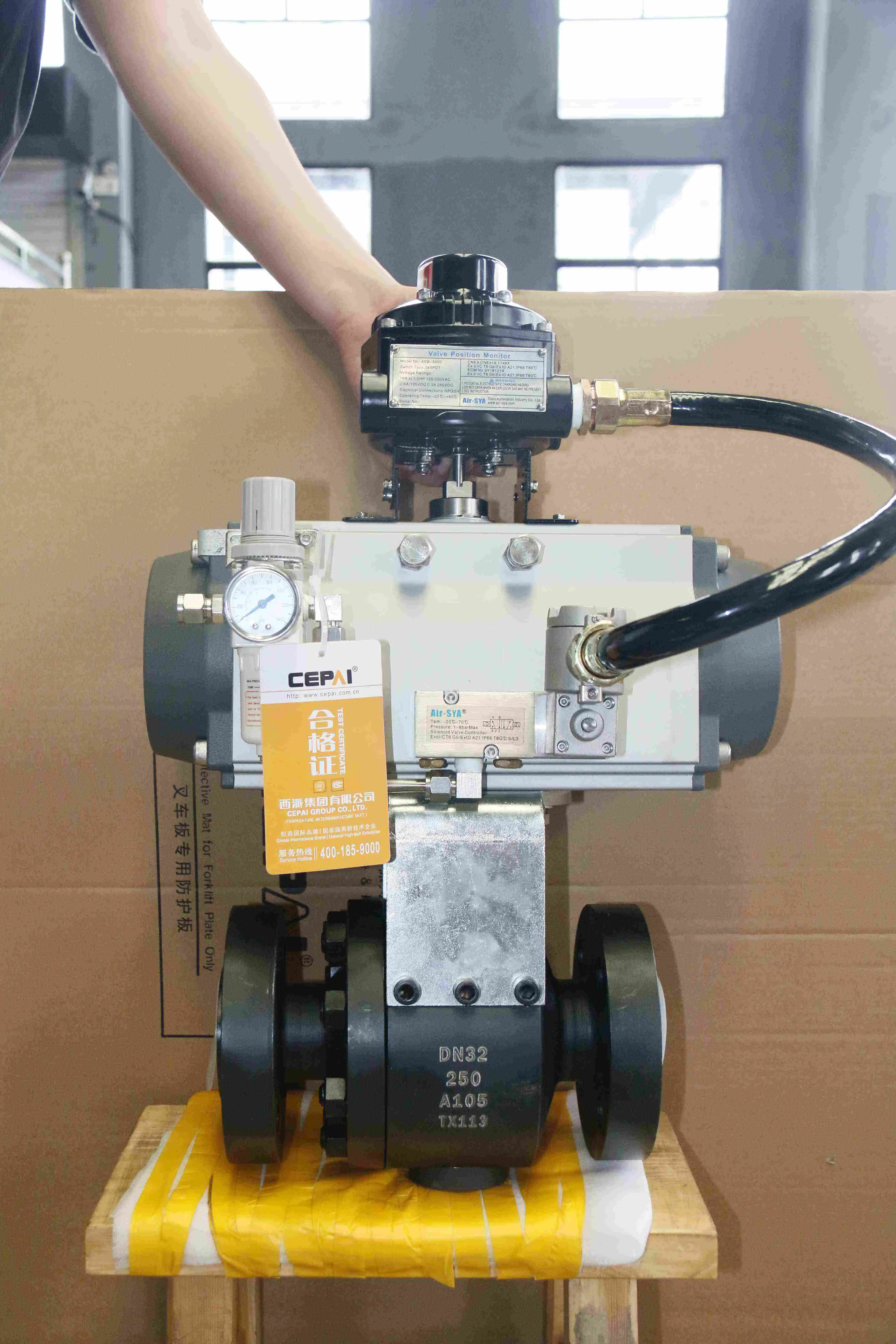
Industrial fluid control presents numerous challenges that ball valves effectively address through their robust design and versatile functionality. Rapid shut-off requirements in emergency situations demand reliable valve responses, particularly in oil and gas operations where safety protocols require immediate flow isolation. Traditional gate valves often fail to meet these stringent response time requirements, making ball valves the preferred choice for critical applications. Pipeline systems frequently encounter varying pressure conditions that can compromise sealing integrity in lesser valve designs. Ball valves excel in these environments through their positive sealing mechanism, which maintains leak-tight performance across wide pressure ranges. This capability proves especially valuable in high-pressure applications where even minor leakage can result in environmental concerns or operational inefficiencies. Maintenance accessibility represents another significant challenge in industrial environments. Ball valves minimize downtime through their simplified internal components and proven durability. The quarter turn operation reduces wear on valve actuator systems, while the self-cleaning action of the ball surface helps prevent debris accumulation that commonly affects other valve types. Temperature fluctuations in process systems can cause thermal expansion and contraction that affects valve performance. Modern ball valve designs accommodate these conditions through carefully engineered seat materials and body configurations that maintain sealing effectiveness across operational temperature ranges. This thermal stability ensures consistent performance in applications ranging from cryogenic services to high-temperature process streams.
Core Features and Functionality Deep Dive
The valve body serves as the foundation of ball valve performance, typically manufactured from materials selected for specific application requirements. Brass valves excel in water service applications, while stainless steel variants provide superior corrosion resistance for chemical processing environments. The body design incorporates inlet and outlet ports machined to precise tolerances, ensuring optimal flow characteristics and minimal pressure drop. Valve sealing technology represents a critical performance factor that distinguishes quality ball valves from inferior alternatives. Advanced seat materials such as PTFE, PEEK, or metal-to-metal configurations provide reliable sealing across diverse operating conditions. The seat design accommodates thermal expansion while maintaining consistent contact pressure against the ball surface, ensuring leak-tight performance throughout the valve's service life. The valve stem connection transmits rotational force from external actuators to the internal ball assembly. Precision engineering ensures smooth operation while preventing stem leakage through advanced packing designs. Manual valve configurations incorporate direct stem operation, while automated versions interface with pneumatic valve actuators or electric motor systems for remote operation capabilities. Ball surface finishing significantly impacts valve performance and longevity. Manufacturers employ specialized machining and polishing techniques to achieve optimal surface smoothness, reducing friction and wear during operation. Chrome plating or specialized coatings may be applied to enhance corrosion resistance and reduce maintenance requirements in demanding service conditions.
Advanced Engineering Behind Ball Valve Performance
Computational fluid dynamics modeling guides modern ball valve design optimization, enabling engineers to minimize turbulence and pressure drop while maximizing flow capacity. These sophisticated analysis tools reveal how internal geometries affect fluid behavior, leading to improved bore profiles and port configurations that enhance overall system efficiency. Finite element analysis validates structural integrity under various loading conditions, ensuring valve bodies can withstand operational stresses while maintaining dimensional stability. This engineering approach proves particularly valuable for high-pressure applications where safety factors must account for potential pressure surges and thermal cycling effects. Manufacturing precision directly correlates with valve performance characteristics. Advanced CNC machining centers achieve tight tolerances on critical dimensions, while coordinate measuring machines verify dimensional accuracy throughout production. Quality control protocols ensure consistent performance across production runs, supporting the reliability standards demanded by critical industrial applications. Materials science advances continue expanding ball valve capabilities through innovative alloy compositions and surface treatments. Specialized coatings resist specific chemical environments, while advanced polymers provide enhanced sealing performance at extreme temperatures. These technological developments enable ball valve applications in increasingly demanding service conditions.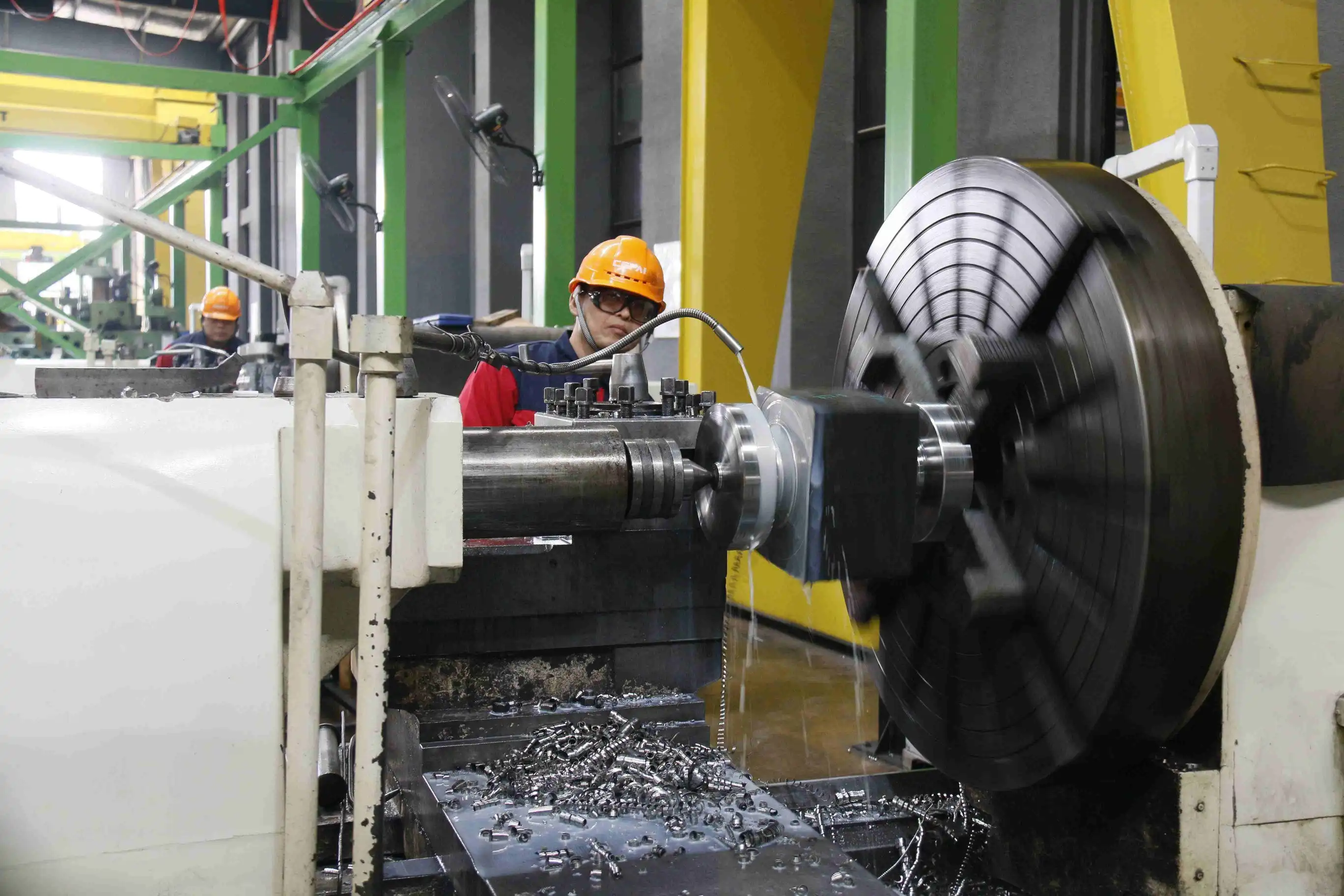
Key Advantages and Performance Benefits
Operational simplicity stands as perhaps the most compelling ball valve advantage. The quarter turn operation provides intuitive manual control, while the clear visual indication of valve position enhances operational safety. Maintenance personnel can quickly assess valve status during routine inspections, reducing the potential for operational errors that might compromise system performance. Pressure control capabilities span an impressive range, with specialized designs handling pressures exceeding 10,000 PSI. This versatility eliminates the need for multiple valve types within complex systems, simplifying inventory management and maintenance procedures. The bi-directional sealing capability further enhances application flexibility, accommodating varying flow directions without performance degradation. Flow characteristics represent another significant performance advantage. The full bore design of many ball valves provides unrestricted flow passage, minimizing pressure drop and reducing pumping energy requirements. This efficiency translates directly into operational cost savings, particularly in large-scale industrial installations where energy consumption significantly impacts operating expenses. Durability and service life consistently exceed alternative valve technologies in comparable applications. The robust construction and minimal moving parts contribute to extended maintenance intervals, while the self-cleaning action helps prevent operational issues common in other valve designs. These reliability factors prove especially valuable in remote installations where maintenance access presents logistical challenges.
Limitations and Design Considerations
Throttling applications present challenges for standard ball valve designs, as the sharp-edged bore can create turbulence and cavitation during partial opening operations. While specialized V-port and characterized ball designs address these limitations, traditional ball valves are generally not recommended for precise flow control applications where linear response characteristics are required. Temperature limitations vary significantly based on seat materials and body construction. Elastomeric seats may restrict applications to moderate temperature ranges, while metal-seated designs accommodate higher temperatures at increased cost and complexity. Understanding these constraints during valve selection prevents premature failures and ensures optimal performance throughout the intended service life. Initial investment costs may exceed alternative valve technologies, particularly for specialized applications requiring exotic materials or advanced actuation systems. However, lifecycle cost analysis typically favors ball valves due to reduced maintenance requirements and extended service intervals. Procurement decisions should consider total cost of ownership rather than initial purchase price alone. Size limitations become apparent in very large diameter applications where ball weight and actuator torque requirements may favor alternative valve designs. Gate valves or butterfly valves might provide more practical solutions for extremely large pipeline installations where ball valve implementation becomes mechanically challenging or economically prohibitive.
Ball Valve Technology Versus Alternative Solutions
Gate valves represent the most common alternative for on-off service applications, offering advantages in large diameter installations where weight and space considerations favor their design. However, gate valves require significantly longer operation times and provide limited throttling capability compared to ball valves. The multiple-turn operation also increases wear on actuator systems and complicates automation integration. Butterfly valves provide competitive advantages in large diameter, low-pressure applications where space constraints and weight limitations favor their compact design. The disc-style closure mechanism offers good throttling characteristics and lower initial costs. Nevertheless, butterfly valves cannot match the tight shut-off capabilities and pressure ratings that ball valves routinely achieve across diverse applications. Globe valves excel in throttling applications where precise flow control justifies their higher pressure drop characteristics. The linear flow response and excellent rangeability make globe valves ideal for control applications. Ball valves, however, provide superior shut-off capability and lower pressure drop for on-off service, making them more suitable for isolation applications.
Target Applications and Optimal Use Cases
Oil and gas production facilities rely heavily on ball valve technology for wellhead applications, pipeline isolation, and emergency shut-off systems. The ability to achieve rapid closure combined with reliable sealing performance makes ball valves indispensable for safety-critical applications where failure could result in environmental damage or personnel hazards. Chemical processing plants utilize ball valves extensively for handling corrosive media where material compatibility and leak-tight performance are paramount. The smooth ball surface resists chemical attack and prevents contamination issues that might affect product quality in pharmaceutical or food processing applications. Water treatment facilities depend on ball valve reliability for distribution systems, pump isolation, and process control applications. The low maintenance requirements and extended service life align perfectly with municipal infrastructure needs where accessibility and operational continuity are essential considerations. HVAC systems benefit from ball valve simplicity in both commercial and industrial installations. The quick operation facilitates system balancing and maintenance procedures, while the reliable sealing prevents energy losses that compromise system efficiency. Ball valve fitting compatibility simplifies installation and reduces labor costs during construction or retrofit projects.
Frequently Asked Questions
Q1: What maintenance procedures do ball valves typically require?
A: Ball valves require minimal maintenance compared to other valve types. Regular maintenance includes periodic operation to prevent seizing, visual inspection of external components, and seat replacement when leakage occurs. Most ball valves operate reliably for years without intervention, making them ideal for installations where maintenance access is limited.
Q2: How do I determine the correct ball valve size for my application?
A: Ball valve sizing depends on flow requirements, pressure drop limitations, and pipeline dimensions. Full bore ball valves match pipe internal diameter for minimal pressure drop, while reduced bore designs offer cost savings when pressure drop is acceptable. Consult flow calculation charts or engineering software to optimize valve selection for specific applications.
Q3: Can ball valves handle slurry or particulate-laden fluids effectively?
A: Ball valves perform well with many slurry applications due to their self-cleaning action and unrestricted flow path. However, abrasive particles may cause seat wear over time. Metal-seated designs or specialized wear-resistant materials extend service life in challenging applications. Regular valve cycling helps prevent particle settling around seats.
Partner with CEPAI for Premium Ball Valve Solutions
Selecting the right ball valve supplier can dramatically impact your project's success and long-term operational efficiency. CEPAI's expertise in high-performance valve manufacturing, combined with our comprehensive quality management systems, positions us as your ideal partner for critical industrial applications. Our extensive product range covers floating and trunnion-mounted designs, ensuring optimal solutions for every pressure rating and application requirement. Our advanced manufacturing capabilities include state-of-the-art testing equipment and strict quality control protocols that guarantee consistent performance across every valve we produce. The ISO 9001, API 6A, and API 6D certifications demonstrate our commitment to international quality standards, while our CE certification ensures compliance with global safety requirements. These qualifications provide the confidence you need when specifying ball valve technology for critical applications.
CEPAI's technical support team brings decades of experience in valve selection and application engineering. We understand that every project presents unique challenges, and our customized solution services ensure optimal performance for your specific requirements. From initial consultation through installation support and ongoing maintenance guidance, our team provides comprehensive assistance throughout the entire project lifecycle. Ball valve manufacturers worldwide recognize CEPAI as a trusted supplier delivering exceptional value through innovative design and reliable performance. Our extensive qualification approvals from major oil and gas companies, including PetroChina, Sinopec, and CNOOC, validate our capability to meet the most demanding industry standards. When you need proven ball valve technology backed by superior technical support, contact us at cepai@cepai.com to discuss your requirements with our application specialists.
Conclusion and Future Outlook
Ball valve technology continues evolving through advanced materials, precision manufacturing, and intelligent automation integration. The fundamental advantages of rapid operation, reliable sealing, and minimal maintenance ensure ball valves will remain essential components in industrial fluid control systems. Understanding the differences between floating and trunnion-mounted designs enables informed selection decisions that optimize performance and cost-effectiveness. Future developments in smart valve technology, incorporating sensors and diagnostic capabilities, will further enhance ball valve value propositions. These innovations promise improved maintenance planning and operational efficiency that align with industrial digitization trends. Companies investing in quality ball valve solutions today position themselves for seamless integration with tomorrow's intelligent process control systems.
References
1. American Petroleum Institute. "Specification for Wellhead and Tree Equipment - API 6A." Washington, DC: API Publishing Services, 2018.
2. Smith, Robert K., and Johnson, Michael A. "Industrial Valve Technology: Design Principles and Applications." McGraw-Hill Professional Engineering Series, 2019.
3. International Organization for Standardization. "Industrial Valves - Pressure Testing of Metallic Valves - ISO 5208." Geneva: ISO Publications, 2020.
4. Brown, Jennifer L., et al. "Comparative Analysis of Ball Valve Performance in High-Pressure Applications." Journal of Process Industry Engineering, Vol. 45, No. 3, 2021, pp. 123-145.
5. Chen, David W. "Advanced Materials in Modern Valve Design: Corrosion Resistance and Performance Enhancement." Materials Science and Engineering Quarterly, Vol. 28, No. 2, 2020, pp. 67-89.
6. Williams, Sarah T., and Martinez, Carlos R. "Fluid Control Systems in Oil and Gas Production: Best Practices and Technology Trends." Petroleum Engineering Handbook, 4th Edition, Society of Petroleum Engineers, 2019.
_1746598563385.webp)