What are the key factors in selecting a ball valve for cryogenic service? The critical considerations include material compatibility with extreme temperatures, seal design to prevent leakage, proper actuator selection for reliable operation, extended bonnet construction for thermal protection, and compliance with industry standards like API and ASME. These factors ensure safe and efficient performance in applications involving liquefied natural gas, liquid nitrogen, and other cryogenic fluids where temperatures drop below -150°F (-101°C).
What is a Ball Valve?
A ball valve is one of the most versatile and commonly utilized flow control devices in current industrial applications. This quarter turn valve controls fluid flow by using a spherical disk with a bore through the center. When the valve handle is rotated 90 degrees, the ball either aligns with the pipeline to allow full flow or positions perpendicular to stop flow altogether. The basic design is made up of many main components: a valve body that houses the internal mechanism, a valve stem that links to the exterior actuator or handle, valve seats that form sealing surfaces against the ball, and sealing rings that prevent external leaking. The ball itself is the principal flow control element, with the bore diameter dictating flow capacity. Industrial valves of this type excel in applications requiring rapid shut-off capabilities and minimal pressure drop during operation. The quarter turn operation makes them ideal for automated systems using pneumatic valve or electric actuators. Unlike gate or globe valves, ball valves provide excellent sealing performance with relatively low operating torque requirements. Materials vary significantly based on application requirements. Brass valve construction suits general commercial applications, while stainless steel valve designs handle corrosive environments and high-temperature services. For extreme conditions like cryogenic applications, specialized materials become essential to maintain integrity and performance.
The Problem It Solves in Cryogenic Applications
Cryogenic service presents unique challenges that standard industrial valves cannot adequately address. At temperatures below -150°F (-101°C), conventional materials become brittle and lose their mechanical properties. Standard sealing materials shrink or crack, leading to catastrophic leakage that poses safety hazards and operational inefficiencies. Traditional valve designs fail in cryogenic environments due to thermal shock, material embrittlement, and differential thermal expansion. The valve body and internal components contract at different rates, creating stress concentrations that can result in component failure. Standard elastomeric seals lose elasticity and develop permanent deformation, compromising the shut-off valve performance. Cryogenic ball valves solve these problems through specialized design modifications and material selection. Extended bonnet construction isolates the valve stem packing from the extreme cold, preventing seal failure and ice formation. The extended design also protects actuators and manual operating mechanisms from thermal damage. These valves address the critical need for reliable flow control in liquefied natural gas (LNG) facilities, industrial gas production plants, aerospace applications, and research laboratories. They ensure safe handling of cryogenic fluids while maintaining operational efficiency and regulatory compliance. The robust design prevents costly downtime and potential safety incidents associated with valve failure in extreme temperature environments.
Core Features & Functionality Deep Dive
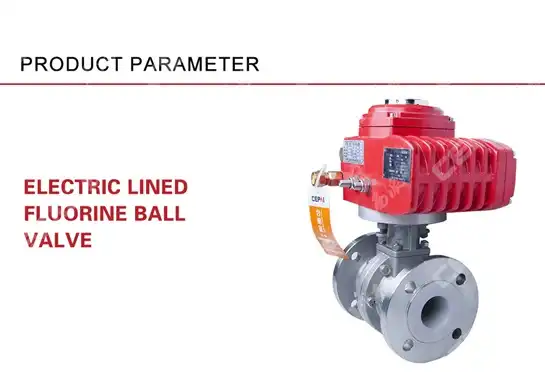
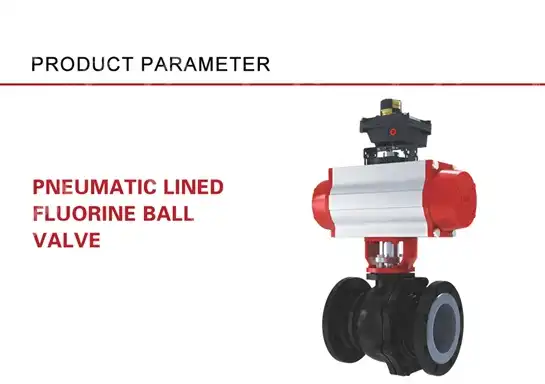
Extended bonnet construction stands as the most distinctive feature of cryogenic ball valves. This design element extends the valve stem path significantly beyond standard configurations, creating thermal isolation between the cryogenic fluid and the valve packing. The extended length allows temperature gradation, ensuring the packing area remains above the brittle transition temperature of sealing materials. Material selection follows strict guidelines for cryogenic compatibility. The valve body typically employs stainless steel grades like 316L or specialized alloys such as Inconel or Hastelloy. These materials maintain ductility and strength at cryogenic temperatures while resisting corrosion from process fluids. The valve seat design incorporates materials like PEEK, PTFE, or metal seats depending on specific service requirements. Specialized sealing systems accommodate the extreme thermal cycling inherent in cryogenic service. Primary seals often utilize spring-loaded configurations that maintain contact pressure as components contract. Secondary sealing systems provide backup protection against leakage, particularly important given the safety implications of cryogenic fluid escape. The valve stem receives particular attention in cryogenic designs. Anti-seize compounds and specialized surface treatments prevent galling and ensure smooth operation throughout the temperature range. Some designs incorporate heated valve stems or insulation to maintain operability during extended exposure to cryogenic conditions. Pressure regulation capabilities remain crucial for cryogenic applications where thermal cycling creates significant pressure variations. The robust construction handles these pressure fluctuations while maintaining precise flow control. Advanced designs incorporate pressure relief features to prevent over-pressurization during thermal events. Actuator compatibility requires careful consideration for cryogenic installations. Pneumatic valve actuators need heated enclosures or remote mounting to prevent freezing of control air. Electric actuators require low-temperature lubricants and heated components to ensure reliable operation throughout the service temperature range.
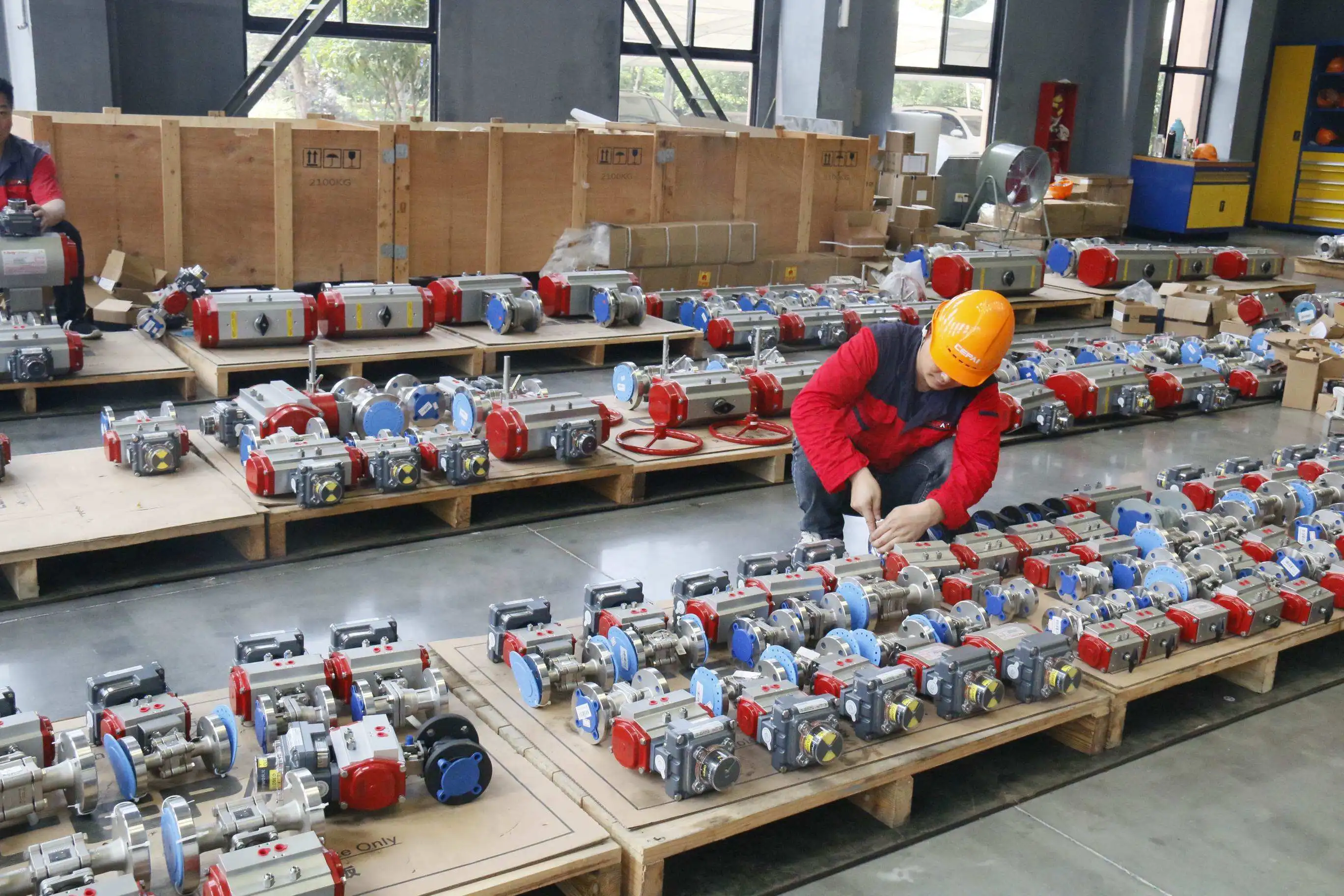
Technology Behind Cryogenic Ball Valve Design
The engineering principles governing cryogenic ball valve design center on thermal management and material science. Finite element analysis helps engineers predict thermal stress distribution and optimize component geometries for extreme temperature exposure. Computer modeling evaluates the thermal gradients within the extended bonnet structure to ensure adequate protection of critical sealing areas. Metallurgical considerations drive material selection beyond simple temperature ratings. The brittle-to-ductile transition temperature becomes critical, requiring materials that maintain impact resistance at operating temperatures. Charpy V-notch testing validates material performance at specific temperatures, ensuring components won't fail catastrophically under thermal shock conditions. Cryogenic valve testing protocols exceed standard industrial valve requirements. Thermal cycling tests subject valves to repeated temperature changes while monitoring performance parameters. Helium leak testing provides sensitivity levels necessary to detect minute leakage that could become significant in cryogenic service. Advanced manufacturing techniques contribute to cryogenic valve reliability. Specialized welding procedures using controlled heat input prevent sensitization of stainless steel components. Post-weld heat treatment relieves residual stresses that could contribute to cracking during thermal cycling. Surface finishing techniques ensure smooth operation and prevent ice buildup on internal components. Quality control measures throughout manufacturing verify dimensional accuracy critical for proper sealing. Coordinate measuring machines validate component geometry within tight tolerances necessary for reliable sealing performance. Non-destructive testing including liquid penetrant inspection and radiographic examination ensures freedom from defects that could propagate under thermal stress.
Key Advantages of Cryogenic Ball Valves
Exceptional reliability in extreme temperature environments represents the primary advantage of cryogenic ball valves. The specialized design maintains sealing integrity throughout repeated thermal cycles that would destroy conventional valve designs. This reliability translates to reduced maintenance costs and improved safety margins in critical applications. Rapid shut-off capability proves essential in cryogenic applications where emergency isolation may be required. The quarter turn operation allows quick response to abnormal conditions, potentially preventing escalation of incidents. This characteristic becomes particularly valuable in LNG terminals and industrial gas facilities where rapid isolation can prevent significant losses or safety hazards. Low maintenance requirements result from the robust construction and careful material selection. Unlike other valve types that require frequent packing adjustments or internal component replacement, properly designed cryogenic ball valves operate for extended periods without intervention. The extended bonnet design protects critical components from the harsh operating environment. Excellent flow characteristics minimize pressure drop across the valve when fully open. The full bore design of many cryogenic ball valves provides unrestricted flow, reducing pumping costs and improving system efficiency. This advantage becomes significant in high-volume transfer applications where pressure drop directly impacts operating costs. Versatile installation options accommodate various pipeline configurations and space constraints. The compact design compared to gate valves allows installation in congested areas common in cryogenic facilities. Multiple end connection options including flanged, welded, and threaded configurations provide flexibility for different installation requirements. Long service life justifies the higher initial investment through reduced lifecycle costs. The durable construction withstands the demanding operating conditions while maintaining performance specifications. Proper valve maintenance protocols extend service life significantly beyond that of conventional valves in similar service.
Potential Limitations & Considerations
Higher initial costs compared to standard industrial valves represent the most significant limitation of cryogenic ball valves. The specialized materials, extended manufacturing processes, and rigorous testing requirements increase procurement costs substantially. However, this investment typically pays for itself through improved reliability and reduced maintenance expenses over the valve lifecycle. Complex installation requirements may necessitate specialized contractors familiar with cryogenic piping systems. Proper installation procedures include pre-cooling protocols, specialized welding techniques, and careful attention to thermal expansion considerations. Incorrect installation can compromise valve performance and create safety hazards. Limited repair options in the field restrict maintenance activities that can be performed without removing the valve from service. The specialized components and materials often require factory repair facilities with appropriate testing capabilities. This limitation necessitates careful spare parts planning and consideration of redundant systems for critical applications. Actuator selection becomes more complex due to the extreme operating environment. Standard pneumatic valve actuators require modifications or heated enclosures to prevent freezing. Electric actuators need low-temperature specifications that increase costs and complexity. Manual valve operation may be impractical due to access limitations created by insulation systems. Thermal cycling effects require careful system design to prevent fatigue failure of connected piping and supports. The differential thermal expansion between the valve and piping can create significant stresses if not properly accommodated. Expansion joints, spring supports, and flexible connections may be necessary to manage these forces. Regulatory compliance adds complexity to procurement and installation processes. Cryogenic applications often fall under strict safety regulations requiring extensive documentation and certification. The approval process for new installations can extend project timelines significantly compared to standard industrial applications.
Cryogenic Ball Valves vs. Alternative Solutions
Gate valves represent the traditional alternative for cryogenic isolation service, offering proven reliability in many installations. However, gate valves require longer stroke lengths for operation and provide inferior sealing performance compared to ball valves. The complex internal geometry of gate valves creates potential leak paths that become problematic in cryogenic service where even minor leakage poses safety concerns. Globe valves excel in throttling applications but prove less suitable for cryogenic isolation service. The tortuous flow path creates higher pressure drops and potential freeze points where moisture could accumulate. The linear motion required for operation complicates actuator selection and increases operating forces compared to quarter turn ball valves. Butterfly valves offer cost advantages for large diameter applications but sacrifice sealing performance. The bi-directional sealing capability of ball valves provides superior protection against process fluid leakage. Additionally, the exposed disc of butterfly valves can experience thermal shock that leads to warping and sealing problems in cryogenic service. Plug valves share some operational characteristics with ball valves but require higher operating torques and more frequent lubrication. The lubricated plug design can experience problems when lubricants solidify at cryogenic temperatures. Non-lubricated plug valves require exotic materials that often exceed the cost of equivalent ball valve designs. Specialty cryogenic valves including needle valves and pressure regulation valves serve specific functions but cannot replace the versatility of ball valves for general isolation and flow control duties. These specialized designs typically complement rather than compete with ball valve installations in comprehensive cryogenic systems.

Target Audience & Ideal Use Cases
LNG facility operators represent the largest market segment for cryogenic ball valves. These facilities require reliable flow control for liquefied natural gas at temperatures around -260°F (-162°C). Terminal operators, storage facilities, and regasification plants depend on these valves for safe handling of LNG throughout the supply chain. Industrial gas producers utilize cryogenic ball valves for nitrogen, oxygen, and argon production and distribution systems. Air separation plants require precise flow control for various product streams at different temperature levels. The reliability of ball valves ensures consistent product quality and prevents costly production interruptions. Aerospace applications demand the highest performance standards for cryogenic valve systems. Rocket propulsion systems use liquid oxygen and liquid hydrogen that require absolutely reliable flow control. The consequences of valve failure in these applications make the premium cost of specialized cryogenic valves easily justifiable. Research institutions and universities employ cryogenic ball valves in laboratory applications involving liquid nitrogen, liquid helium, and other research gases. These installations often require precise flow control for experimental apparatus where reliability directly impacts research outcomes and safety. Petrochemical facilities incorporate cryogenic ball valves in ethylene production, propylene recovery, and other low-temperature processes. The chemical industry's emphasis on process efficiency and safety makes reliable valve performance essential for profitable operations. Food processing applications utilizing cryogenic freezing systems require sanitary valve designs that maintain performance at extreme temperatures. These installations must meet both cryogenic service requirements and food safety regulations, creating unique design challenges that ball valves address effectively.
Choose CEPAI for Superior Cryogenic Ball Valve Solutions
CEPAI stands as a leading ball valve manufacturer with specialized expertise in cryogenic applications. Our comprehensive understanding of extreme temperature challenges ensures optimal valve selection for your specific requirements. The company's commitment to innovation drives continuous improvement in cryogenic valve design and manufacturing processes. Our advanced manufacturing capabilities include the longest high-precision intelligent production line in the Asia-Pacific region, ensuring consistent quality and precise dimensional control critical for cryogenic valve performance. The 156 million yuan investment in intelligent manufacturing technology demonstrates our dedication to producing world-class industrial valves that meet the most demanding specifications.
CEPAI's extensive certification portfolio including API, ISO, and CE certifications provides confidence in our quality management systems. The Ball Valve SIL certification specifically validates our commitment to safety and reliability in critical applications. Our CNAS nationally recognized laboratory ensures rigorous testing protocols that exceed industry standards for cryogenic valve qualification. The company's supplier qualifications with major energy companies including PetroChina, Sinopec, and CNOOC demonstrate proven performance in demanding applications. These relationships reflect the trust that industry leaders place in CEPAI's valve technology and manufacturing capabilities. Our global customer base spans multiple continents, providing extensive experience with diverse operating conditions and regulatory requirements.
Technical support throughout the valve lifecycle sets CEPAI apart from typical ball valve suppliers. Our engineering team provides comprehensive application analysis, material selection guidance, and installation support to ensure optimal performance. Remote monitoring capabilities and AR-assisted maintenance guidance minimize downtime and extend valve service life. Whether you need custom solutions for unique applications or standard configurations for proven services, CEPAI delivers reliable cryogenic ball valves that exceed expectations. Contact us at cepai@cepai.com to discuss your specific requirements and discover how our expertise can enhance your cryogenic systems' performance and safety.
Frequently Asked Questions
Q1: What temperature range qualifies as cryogenic service for ball valves?
A: Cryogenic service typically refers to temperatures below -150°F (-101°C), though some definitions use -238°F (-150°C) as the threshold. Ball valves designed for cryogenic service must maintain functionality and sealing integrity throughout this extreme temperature range while accommodating thermal cycling effects.
Q2: How often should cryogenic ball valves undergo maintenance inspection?
A: Maintenance intervals depend on operating frequency and conditions, but annual inspection represents standard practice for most cryogenic applications. Critical services may require semi-annual inspection, while standby isolation valves might extend to biennial schedules. Thermal cycling frequency significantly impacts wear rates and inspection requirements.
Q3: Can standard ball valve actuators operate in cryogenic environments?
A: Standard pneumatic and electric actuators require modifications for cryogenic service. Pneumatic valve actuators need heated enclosures or remote mounting to prevent control air freezing. Electric actuators require low-temperature lubricants and heated components. Manual valve operation often proves most reliable for infrequently operated isolation valves.
Conclusion & Future Outlook
Selecting appropriate ball valves for cryogenic service requires careful consideration of materials, design features, and operating requirements. The specialized nature of these applications demands valves engineered specifically for extreme temperature performance rather than adapted standard designs. Extended bonnet construction, cryogenic-compatible materials, and specialized sealing systems ensure reliable operation throughout the demanding service life.
The growing LNG industry and expanding industrial gas applications continue driving innovation in cryogenic valve technology. Future developments will likely focus on improved materials, enhanced automation capabilities, and integrated monitoring systems that provide real-time performance data. As cryogenic applications become more widespread, the importance of selecting proven valve designs from experienced manufacturers becomes increasingly critical for operational success and safety.
_1746598568348.webp)