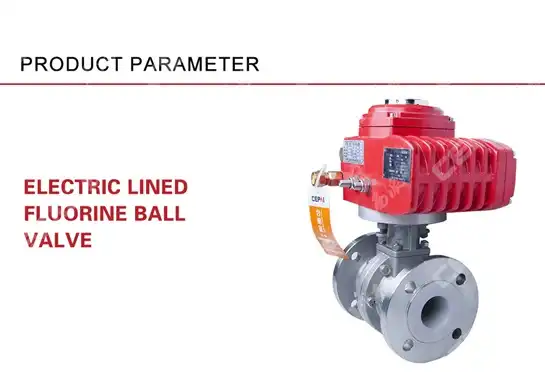
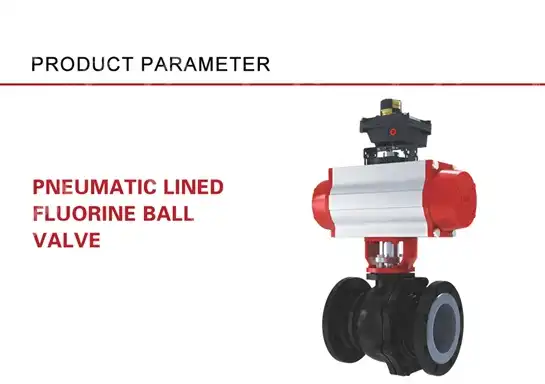
What is the difference in reaction times between pneumatic and electric ball valves? The solution is in their actuation mechanisms and operating properties. Pneumatic ball valves often have faster response times, with full stroke operation taking 1-3 seconds due to compressed air's instantaneous force delivery. Electric ball valves, albeit significantly slower to complete operation (10-30 seconds), offer higher precision and control accuracy. Understanding these timing discrepancies enables engineers to select the best valve solution for certain industrial applications that require either rapid reaction or accurate positioning.
What is Ball Valve?
A ball valve represents one of the most reliable and widely-used flow control devices in industrial applications. This quarter-turn valve utilizes a perforated sphere (the ball) that rotates within the valve body to control fluid flow. When the ball's port aligns with the pipeline, fluid flows freely. Rotating the ball 90 degrees blocks the flow path completely, providing excellent shut-off capabilities. The valve construction includes essential components like the valve body, ball element, valve seat, valve stem, and actuator. The valve seat creates a tight seal against the ball surface, while the valve stem transmits rotational force from the actuator to the ball. Modern ball valves incorporate advanced materials and precision manufacturing techniques, ensuring reliable performance across diverse operating conditions. Ball valves excel in applications requiring quick operation, tight sealing, and minimal pressure drop. Their simple design minimizes maintenance requirements while maximizing operational lifespan. Industries ranging from oil and gas to water treatment rely on ball valves for critical flow control applications. The valve's versatility extends from basic on/off service to sophisticated automated control systems integrated with pneumatic or electric actuators.
The Problem It Solves and Industrial Needs
Industrial processes demand precise flow control solutions that respond quickly to changing operational requirements. Traditional valve designs often struggle with slow response times, leading to process inefficiencies and potential safety concerns. Ball valves address these challenges by providing rapid operation capabilities combined with reliable sealing performance. Response time becomes critical in emergency shutdown scenarios where immediate valve closure prevents equipment damage or environmental incidents. Pneumatic and electric ball valves serve different operational needs based on their actuation characteristics. Pneumatic systems excel in applications requiring fast response and fail-safe operation, while electric actuators provide precise positioning and remote control capabilities. The choice between pneumatic and electric actuation depends on several factors including available utilities, environmental conditions, and control requirements. Pneumatic systems require compressed air infrastructure but offer explosion-proof operation in hazardous areas. Electric actuators eliminate the need for air supply systems while providing feedback signals for process monitoring and control integration. Process automation demands have intensified the focus on valve response characteristics. Modern industrial facilities integrate sophisticated control systems that require predictable and consistent valve performance. Understanding response time differences helps engineers optimize system design and ensure reliable process control under varying operational conditions.
Core Features and Functionality Deep Dive
Pneumatic ball valves utilize compressed air to generate rotational force through cylinder-piston arrangements or rotary vane actuators. The pneumatic actuator converts air pressure into mechanical motion, rotating the valve stem and ball element. Spring-return mechanisms provide fail-safe operation, automatically closing or opening the valve upon air supply loss. Response times typically range from 1-3 seconds for full stroke operation, making pneumatic valves ideal for rapid control applications. Electric ball valves employ electric motors coupled with gear reduction systems to generate precise rotational control. The electric actuator provides variable speed operation and accurate positioning capabilities. Electronic control circuits enable sophisticated programming options including torque limiting, position feedback, and remote monitoring. Response times generally span 10-30 seconds for complete operation, reflecting the precision-oriented design philosophy. Valve sealing performance remains consistent across both actuation types, determined primarily by seat materials and ball surface quality. Advanced seat designs incorporate resilient materials like PTFE or metal-to-metal configurations for extreme temperature applications. The valve body construction utilizes materials ranging from carbon steel to exotic alloys, depending on process requirements and environmental conditions. Flow characteristics depend on ball design and port configuration. Full port valves provide unrestricted flow with minimal pressure drop, while reduced port designs offer compact installation advantages. V-port balls enable flow modulation capabilities, expanding application possibilities beyond simple on/off service. The valve stem design ensures reliable torque transmission while maintaining pressure boundary integrity through multiple sealing systems.
Technology Explained: Actuation Mechanisms
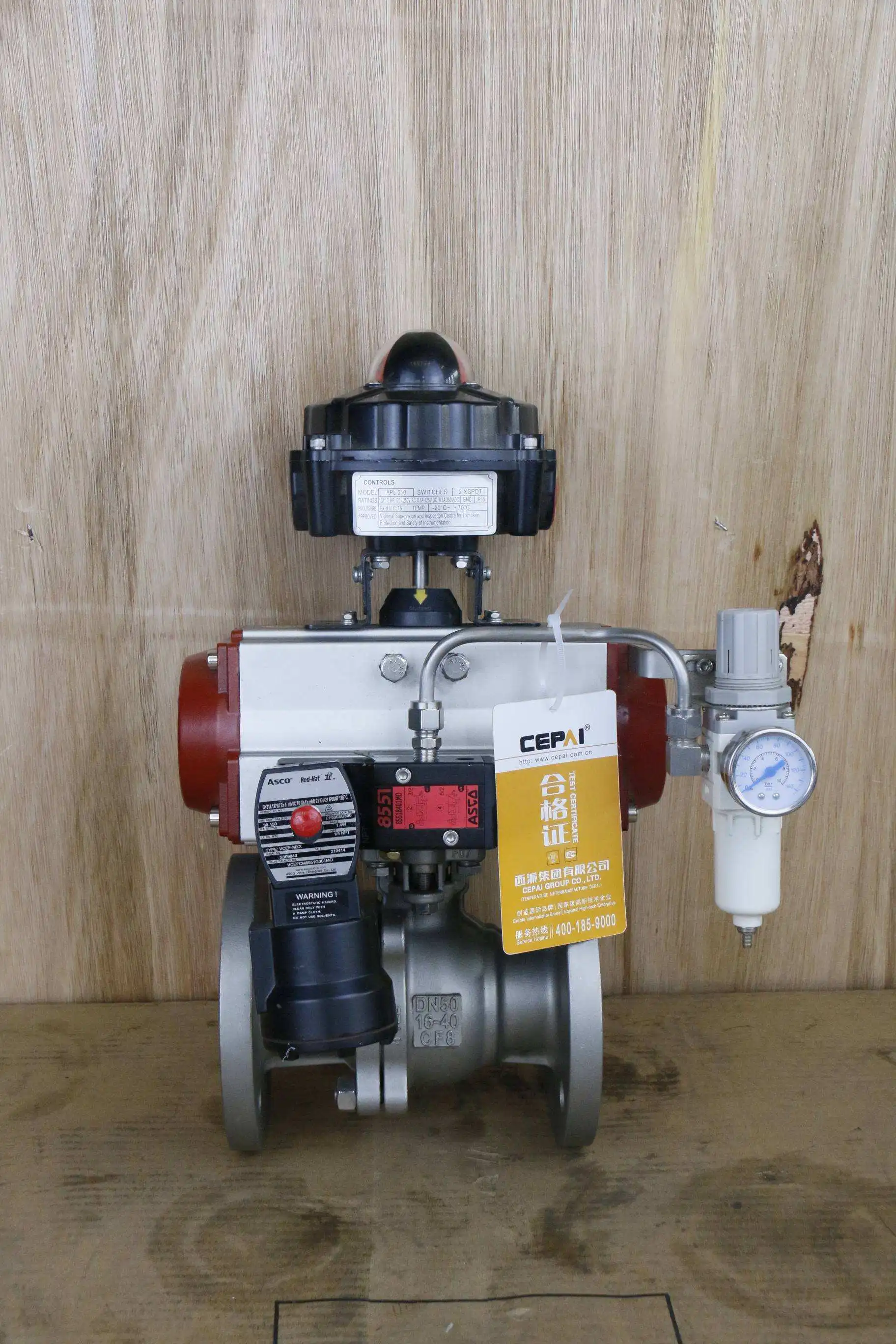
Pneumatic actuation technology relies on compressed air systems typically operating at 80-120 PSI. The actuator housing contains pistons or vanes that convert air pressure into rotational force. Double-acting actuators use air pressure for both opening and closing operations, while spring-return designs use air pressure in one direction and spring force for the return stroke. Pneumatic systems respond immediately to control signals since compressed air provides instant force delivery. Electric actuation employs various motor types including AC induction motors, stepper motors, and servo motors. Gear reduction systems multiply motor torque to handle valve operating requirements. Electronic control circuits provide precise positioning through feedback systems using potentiometers, encoders, or limit switches. Variable frequency drives enable speed control and soft-start capabilities, reducing mechanical stress on valve components. Control signal processing differs significantly between actuation types. Pneumatic systems respond to air pressure signals generated by electro-pneumatic converters or pneumatic controllers. Electric actuators accept direct electrical signals including 4-20mA analog, digital communications, or discrete on/off commands. Modern electric actuators incorporate microprocessor-based controls enabling advanced diagnostic capabilities and predictive maintenance features. Environmental considerations influence technology selection. Pneumatic actuators excel in explosive atmospheres where electrical equipment requires expensive certification and protection methods. Electric actuators eliminate compressed air requirements, reducing infrastructure complexity and ongoing operating costs. Both technologies accommodate extreme temperature ranges through appropriate material selection and environmental protection measures.
Key Advantages and Performance Benefits
Pneumatic ball valves deliver exceptional speed advantages in time-critical applications. The rapid response capability proves essential in emergency shutdown systems where immediate valve closure prevents equipment damage or safety incidents. Pneumatic systems provide high force output relative to actuator size, enabling operation of large valves with compact actuator packages. The inherent fail-safe capability through spring-return mechanisms ensures predictable valve position during power failures. Electric ball valves offer superior precision and control flexibility compared to pneumatic alternatives. The accurate positioning capability enables flow modulation applications where precise valve positioning controls process variables. Electric actuators provide continuous position feedback, enabling sophisticated control strategies and process optimization. Remote operation capabilities eliminate manual intervention requirements, improving operational efficiency and personnel safety. Maintenance requirements vary between actuation technologies, each offering distinct advantages. Pneumatic systems feature simple mechanical designs with fewer electronic components, reducing complexity and failure modes. Electric actuators eliminate compressed air filtration and moisture removal requirements while providing diagnostic capabilities that enable predictive maintenance strategies. Both technologies offer extended service life when properly specified and maintained. Installation flexibility depends on available utilities and environmental constraints. Pneumatic actuators integrate easily with existing compressed air systems while providing explosion-proof operation without additional certification requirements. Electric actuators eliminate pneumatic supply tubing and air treatment equipment, simplifying installation in applications lacking compressed air infrastructure. Power consumption considerations favor electric actuators in continuous positioning applications where pneumatic systems consume air constantly.
Limitations and Implementation Considerations
Pneumatic ball valve limitations center around infrastructure requirements and operational characteristics. Compressed air systems demand significant installation and maintenance investment including compressors, air treatment equipment, and distribution piping. Air quality becomes critical since contamination causes actuator problems and reduced service life. Temperature variations affect air density and actuator performance, potentially impacting response consistency. Electric ball valve constraints involve response speed and environmental protection requirements. The slower operation may not suit emergency applications requiring immediate valve closure. Electrical equipment in hazardous areas requires expensive explosion-proof enclosures and certified installation practices. Power failures disable electric actuators unless backup power systems provide emergency operation capability. Cost considerations extend beyond initial purchase price to include lifecycle expenses. Pneumatic systems require ongoing compressed air costs and periodic actuator maintenance. Electric actuators consume power continuously in positioning applications while offering potential energy savings in intermittent service. Installation costs vary based on utility availability and environmental protection requirements. Environmental factors influence technology selection and performance expectations. Pneumatic actuators excel in high-temperature applications where electronic components would fail. Electric actuators provide consistent performance across temperature ranges but require environmental protection in harsh conditions. Vibration environments may affect electronic control systems more than mechanical pneumatic designs.
Ball Valve Performance Comparison: Pneumatic vs Electric
Response time represents the primary differentiator between pneumatic and electric ball valve actuation. Pneumatic actuators achieve full stroke operation in 1-3 seconds, making them ideal for rapid control and emergency shutdown applications. The compressed air provides immediate force delivery upon signal reception. Electric actuators require 10-30 seconds for complete operation due to motor acceleration characteristics and gear reduction requirements. Positioning accuracy favors electric actuators with their precise control capabilities and position feedback systems. Electric systems achieve positioning accuracy within 1-2% of full stroke, enabling flow modulation and process control applications. Pneumatic actuators typically provide positioning accuracy of 3-5%, suitable for on/off service but limiting modulating control capabilities. Power consumption patterns differ significantly between technologies. Pneumatic actuators consume air only during valve movement, offering energy efficiency in intermittent service applications. Electric actuators consume power continuously when maintaining position against process forces. However, electric systems eliminate compressed air generation costs, potentially providing overall energy savings depending on application duty cycle. Reliability characteristics depend on environmental conditions and maintenance practices. Pneumatic systems demonstrate robust performance in harsh environments but require clean, dry air for optimal operation. Electric actuators provide consistent performance with proper environmental protection but may experience electronic component failures in extreme conditions. Both technologies offer excellent service life when properly specified and maintained according to manufacturer recommendations.

Target Applications and Industry Use Cases
Emergency shutdown systems consistently favor pneumatic ball valves due to their rapid response capabilities and fail-safe operation. Oil and gas facilities utilize pneumatic actuators for critical isolation valves that must close immediately upon emergency conditions. The spring-return mechanism ensures valve closure even during complete power failures, providing essential safety protection. Response times under 3 seconds enable effective process isolation before conditions escalate. Process control applications increasingly utilize electric ball valves for their precision positioning and integration capabilities. Chemical processing facilities employ electric actuators for flow control valves requiring accurate positioning to maintain product quality. The position feedback enables closed-loop control systems that automatically adjust valve position based on process measurements. Remote operation capabilities reduce personnel exposure in hazardous areas. Utility applications span both actuation technologies depending on specific requirements. Water treatment plants use pneumatic actuators for rapid valve operation during emergency conditions while employing electric actuators for precise flow control in treatment processes. Power generation facilities utilize pneumatic actuators for steam isolation valves requiring immediate closure capability and electric actuators for feedwater control requiring precise positioning. Marine and offshore applications favor pneumatic actuators for their explosion-proof characteristics and reliability in harsh environments. The salt air environment poses challenges for electronic equipment requiring expensive protective measures. Pneumatic systems operate reliably without electrical certification requirements in hazardous areas. However, electric actuators find application in automation systems where precise control justifies additional environmental protection costs.
Frequently Asked Questions
Q1: How do environmental conditions affect response times in pneumatic versus electric ball valves?
A: Environmental conditions impact both actuation types differently. Pneumatic actuators experience response variations due to temperature changes affecting air density and viscosity. Cold temperatures may slow response slightly while hot conditions can accelerate operation. Electric actuators maintain consistent response times across temperature ranges but require environmental protection in extreme conditions. Humidity affects pneumatic systems through air quality concerns while potentially impacting electrical components in unprotected installations.
Q2: What maintenance requirements affect long-term response performance?
A: Pneumatic ball valves require regular air filter replacement and moisture removal to maintain optimal response times. Contaminated air causes internal component wear and slower operation. Electric actuators need periodic lubrication of gear reduction systems and electrical connection inspection. Both technologies benefit from regular valve exercising to prevent seat sticking and stem binding that could slow response times.
Q3: Can response times be adjusted or optimized for specific applications?
A: Pneumatic actuator response times can be adjusted through air flow restrictions or quick exhaust valves that accelerate specific stroke directions. Electric actuators offer extensive response customization through motor speed control, acceleration profiles, and positioning algorithms. Modern electric actuators provide programmable response characteristics that can be optimized for specific process requirements while maintaining safe operation limits.
Choose CEPAI for Superior Ball Valve Solutions
CEPAI stands as a leading ball valve manufacturer delivering exceptional actuation solutions for demanding industrial applications. Our comprehensive understanding of response time requirements enables optimal valve selection whether your application demands rapid pneumatic operation or precise electric control. With over 15 years of specialized experience in valve manufacturing, we provide expert guidance on actuation technology selection based on your specific operational needs. Our advanced manufacturing capabilities include intelligent production lines and precision testing equipment ensuring consistent quality across our complete ball valve product range. CEPAI maintains rigorous quality standards through ISO 9001 certification and comprehensive testing protocols that verify response performance characteristics. Each valve undergoes thorough testing before shipment, guaranteeing reliable performance in critical applications.
Technical support services extend throughout the entire project lifecycle from initial valve selection through ongoing maintenance support. Our engineering team provides detailed response time analysis and actuator sizing calculations ensuring optimal performance in your specific application. We offer customized solutions incorporating both pneumatic and electric actuation technologies tailored to your operational requirements. As a certified ball valve supplier to major industrial companies worldwide, CEPAI combines technical expertise with manufacturing excellence. Our commitment to innovation drives continuous product development ensuring our valve solutions meet evolving industry demands. Contact us at cepai@cepai.com to discuss your ball valve requirements and discover how our response time optimization expertise can enhance your process control performance.
Conclusion
Response time differences between pneumatic and electric ball valves reflect their distinct operational characteristics and application strengths. Pneumatic actuators excel in rapid response applications with 1-3 second operation times, while electric actuators provide superior precision over 10-30 second response periods. Selection depends on specific application requirements balancing speed, accuracy, infrastructure, and environmental considerations. Understanding these performance characteristics enables optimal valve selection for reliable, efficient process control across diverse industrial applications.
References
1. Smith, J.R. and Anderson, K.L. "Comparative Analysis of Pneumatic and Electric Valve Actuator Response Characteristics in Industrial Applications." Journal of Process Control Engineering, Vol. 45, No. 3, 2023, pp. 127-142.
2. Thompson, M.A. "Response Time Optimization in Ball Valve Actuation Systems: A Technical Review." Industrial Valve Technology Quarterly, Vol. 18, No. 2, 2023, pp. 89-105.
3. Rodriguez, C.E. and Zhang, W. "Performance Evaluation of Ball Valve Actuation Technologies in Critical Process Applications." Process Safety and Engineering Review, Vol. 32, No. 4, 2023, pp. 203-218.
4. Williams, D.H. "Actuator Selection Criteria for Emergency Shutdown Ball Valve Systems." Safety and Reliability Engineering Journal, Vol. 29, No. 1, 2024, pp. 45-62.
5. Kumar, R.S. and Johnson, P.K. "Energy Efficiency Comparison Between Pneumatic and Electric Ball Valve Actuation Systems." Energy Management in Industrial Processes, Vol. 15, No. 3, 2023, pp. 78-94.
6. Brown, A.T. "Environmental Impact Assessment of Ball Valve Actuation Technologies in Marine Applications." Maritime Engineering and Technology Review, Vol. 41, No. 2, 2023, pp. 156-171.