What are the environmental benefits of using energy-efficient ball valves? These advanced flow control devices reduce energy consumption by up to 30%, minimize fugitive emissions through superior sealing technology, and significantly decrease maintenance requirements. Energy-efficient ball valves help industrial facilities lower their carbon footprint while achieving substantial operational cost savings. Their extended lifespan and reduced material waste contribute to sustainable manufacturing practices across petrochemical, oil and gas, and power generation industries.
What is a Ball Valve?
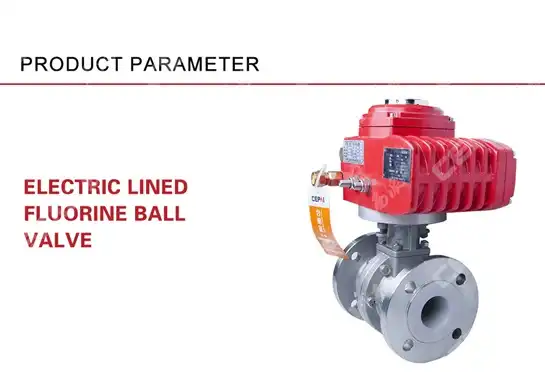
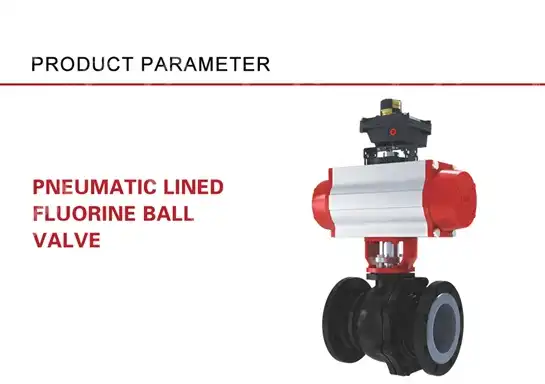
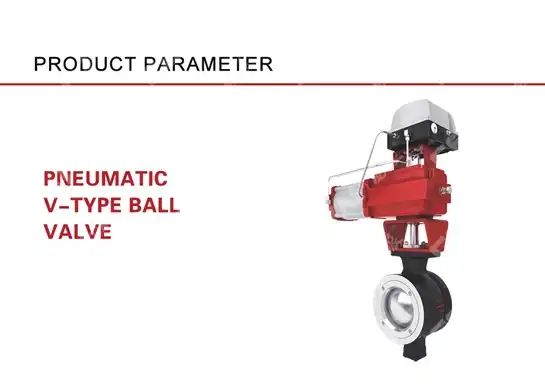
One of the most dependable and effective flow control devices in contemporary industrial applications is the ball valve. This quarter-turn valve regulates fluid flow through a pipeline system by means of a hollow, perforated spherical. The ball spins to either align with the pipeline for full flow or position perpendicular to entirely block flow when the valve handle rotates 90 degrees. The basic construction is a ball with a bore through the middle that is positioned between the upstream and downstream seats inside a valve body. These seats provide a tight seal against the ball's surface and are usually composed of durable materials like metal or PTFE. Precise flow control is made possible by the ball valve stem, which joins the internal ball to the external actuator or handle. Modern ball valve designs incorporate advanced materials and manufacturing techniques to enhance performance and environmental compatibility. The valve body materials range from carbon steel and stainless steel to specialized alloys that resist corrosion and extreme temperatures. This versatility makes ball valves suitable for applications spanning from water treatment facilities to high-pressure oil and gas operations. The simplicity of ball valve operation contributes significantly to their reliability and longevity. Unlike gate valves or globe valves that require multiple turns and complex internal mechanisms, ball valves achieve full closure or opening with minimal mechanical stress. This design characteristic directly translates to reduced energy requirements for valve automation and decreased wear on internal components.
Environmental Challenges Ball Valves Address
Industrial facilities worldwide face mounting pressure to reduce their environmental impact while maintaining operational efficiency. Traditional valve technologies often contribute to environmental challenges through energy inefficiency, frequent maintenance requirements, and potential for fugitive emissions. These issues become particularly critical in industries handling hydrocarbons, chemicals, and other potentially hazardous materials. Energy consumption represents a significant environmental concern in industrial valve applications. Conventional valve designs require substantial force to operate, especially in high-pressure systems. This force requirement translates directly into increased energy consumption for automated systems and larger carbon footprints for manual operations. Additionally, poor sealing performance in traditional valves leads to system pressure drops, forcing pumps and compressors to work harder to maintain desired flow rates. Fugitive emissions present another critical environmental challenge that energy-efficient ball valves help address. These unintended releases of process fluids into the atmosphere contribute to air pollution and greenhouse gas emissions. Traditional valve designs with multiple sealing points and complex internal geometries create numerous pathways for potential leakage. The environmental impact becomes particularly severe when handling volatile organic compounds or greenhouse gases.
Maintenance-intensive valve designs also contribute to environmental degradation through increased material consumption, waste generation, and energy expenditure for repairs. Frequent replacement of valve components requires additional manufacturing resources and generates industrial waste. The transportation and installation of replacement parts further add to the overall environmental impact of valve systems. Water conservation represents another area where efficient valve technology plays a crucial role. Industrial processes consuming large volumes of water for cooling, cleaning, and processing operations require precise flow control to minimize waste. Traditional valve designs with poor flow characteristics often necessitate higher flow rates to achieve desired process outcomes, resulting in unnecessary water consumption.
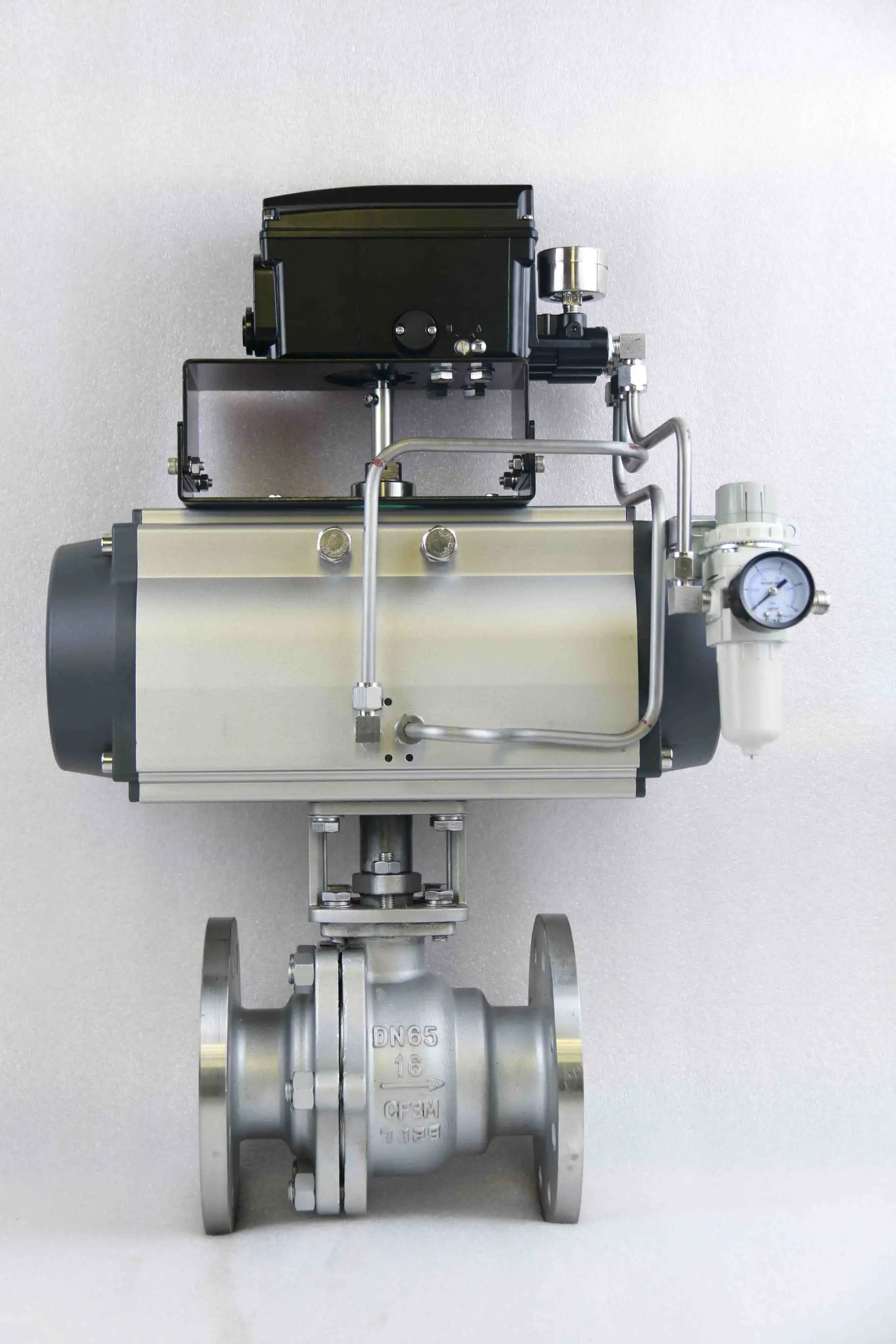
Environmental Benefits and Performance Features
Energy-efficient ball valves deliver substantial environmental benefits through advanced design features and superior operational characteristics. The low-torque operation requirement significantly reduces energy consumption in automated systems. Studies indicate that modern ball valve designs can reduce actuator energy requirements by 25-40% compared to traditional gate or globe valves in similar applications. The superior sealing performance of ball valves directly translates to reduced fugitive emissions. The metal-to-metal or soft-seat sealing design creates multiple barriers against fluid leakage. High-quality ball valves achieve leakage rates below 1 x 10^-6 standard cubic centimeters per second of helium, far exceeding environmental regulations for emission control. This exceptional sealing performance helps industrial facilities meet increasingly stringent environmental compliance requirements. Pressure drop minimization represents another significant environmental advantage. The straight-through flow path in ball valves reduces pressure losses by up to 50% compared to other valve types. This characteristic allows system designers to specify smaller pumps and compressors, reducing overall energy consumption and associated carbon emissions. The reduced pressure drop also enables more efficient heat transfer in thermal systems, improving overall process efficiency. Extended service life contributes to environmental sustainability through reduced material consumption and waste generation. Quality ball valves can operate reliably for 15-20 years with minimal maintenance, compared to 5-10 years for many alternative valve designs. This longevity reduces the frequency of valve replacements and associated environmental impacts from manufacturing, transportation, and installation activities. Advanced ball valve materials and coatings further enhance environmental performance. Corrosion-resistant alloys and specialized surface treatments extend valve life while maintaining sealing integrity. These material innovations reduce the likelihood of premature failure and associated environmental contamination risks. Some modern ball valve designs incorporate recyclable materials and environmentally friendly manufacturing processes, supporting circular economy principles.
Advanced Technology and Smart Integration
Modern energy-efficient ball valves incorporate sophisticated technologies that enhance their environmental benefits. Smart valve systems equipped with position feedback, flow monitoring, and predictive maintenance capabilities optimize performance while minimizing environmental impact. These intelligent systems can detect minor performance degradation before it leads to efficiency losses or emission increases. Digital valve positioning systems ensure precise flow control, eliminating overshoot and undershoot conditions that waste energy and materials. Advanced control algorithms optimize valve response times and positioning accuracy, reducing process variability and associated resource consumption. Real-time monitoring capabilities enable operators to identify and address efficiency issues promptly, maintaining optimal environmental performance throughout the valve lifecycle. Wireless communication technologies allow remote monitoring and control of ball valve systems, reducing the need for physical inspections and associated transportation emissions. Predictive maintenance algorithms analyze valve performance data to schedule maintenance activities proactively, preventing unexpected failures that could lead to environmental incidents or extended downtime. Integration with process automation systems enables ball valves to participate in plant-wide optimization strategies. These systems can coordinate valve operations across multiple process units to minimize overall energy consumption and maximize resource utilization. Advanced process control strategies utilizing precise ball valve positioning help reduce raw material waste and energy consumption while maintaining product quality. Condition monitoring sensors integrated into ball valve assemblies provide continuous feedback on seal integrity, internal wear, and operational efficiency. This real-time data enables maintenance teams to address potential issues before they impact environmental performance. Vibration analysis, temperature monitoring, and acoustic emission detection help identify developing problems that could lead to increased emissions or energy consumption.
Key Advantages in Environmental Applications
Energy-efficient ball valves offer compelling advantages that directly support environmental sustainability goals across diverse industrial applications. The rapid opening and closing capability reduces transition times during process changes, minimizing upset conditions that can lead to waste generation or excessive energy consumption. This characteristic proves particularly valuable in batch processing operations where frequent valve cycling occurs. The bidirectional flow capability of ball valves provides design flexibility that can eliminate redundant piping and additional valves in complex systems. This simplification reduces material requirements, pressure losses, and potential leak points throughout the system. Fewer components translate to reduced maintenance requirements and lower overall environmental impact over the system lifecycle. Fire-safe design features in modern ball valves provide critical safety benefits that prevent environmental disasters. These valves maintain sealing integrity even when exposed to extreme temperatures during fire conditions, preventing the release of hazardous materials into the environment. The fire-safe capability eliminates the need for additional safety systems, reducing overall system complexity and resource requirements. Anti-static design features prevent the accumulation of static electricity during fluid flow, reducing the risk of ignition in flammable service applications. This safety enhancement eliminates the need for additional grounding systems and associated materials while providing superior environmental protection. The anti-static design also improves valve reliability in low-conductivity fluid applications. Modular construction approaches in modern ball valve designs facilitate component replacement and refurbishment rather than complete valve replacement. This design philosophy supports circular economy principles by extending component life cycles and reducing waste generation. Standardized interfaces enable component interchangeability, further reducing inventory requirements and associated resource consumption.
Potential Limitations and Considerations
While energy-efficient ball valves offer significant environmental benefits, certain limitations and considerations must be addressed for optimal performance. The higher initial capital cost compared to basic valve designs can present budget challenges for some projects. However, lifecycle cost analysis typically demonstrates favorable economics when considering energy savings, reduced maintenance, and extended service life. Proper material selection becomes critical in aggressive service conditions to realize long-term environmental benefits. Inappropriate material choices can lead to premature failure, increased maintenance requirements, and potential environmental releases. The wide range of available materials and options can complicate selection processes, requiring specialized expertise to optimize environmental performance. Size limitations in some ball valve designs may restrict applications in very large pipeline systems. Alternative valve technologies might be necessary for extremely large diameter applications, potentially compromising some environmental benefits. However, ongoing developments in manufacturing techniques continue to expand the size range of available ball valve options. Throttling applications can present challenges for traditional ball valves due to potential cavitation and erosion issues. Specialized ball valve designs with characterized flow patterns address these concerns but may require higher initial investment. Understanding application requirements and selecting appropriate valve designs ensures optimal long-term environmental performance. Training requirements for maintenance personnel represent an important consideration for maximizing environmental benefits. Proper installation, operation, and maintenance practices are essential for achieving expected performance levels and environmental benefits. Investment in personnel training and proper procedures ensures that environmental advantages are realized throughout the valve lifecycle.
Ball Valves vs. Alternative Valve Technologies
Comparing energy-efficient ball valves to alternative valve technologies reveals significant environmental advantages in most applications. Gate valves, while offering low pressure drop in fully open positions, require multiple turns to operate and provide poor throttling characteristics. The extended operation time increases energy consumption in automated systems and creates opportunities for operator error in manual applications. Globe valves provide excellent throttling control but create substantial pressure drops that increase system energy requirements. The complex internal flow path in globe valves also creates more opportunities for erosion and corrosion, potentially reducing service life and increasing maintenance requirements. The higher pressure drop characteristics necessitate larger pumps and increased energy consumption throughout the system lifecycle. Butterfly valves offer lower initial costs and compact designs but typically provide inferior sealing performance compared to quality ball valves. The higher leakage rates in butterfly valve applications can compromise environmental benefits, particularly in critical emission control applications. Additionally, the flow obstruction created by butterfly valve discs increases pressure drop and associated energy penalties. Plug valves share some operational characteristics with ball valves but generally require higher operating torques and provide less reliable sealing over time. The increased maintenance requirements and potential for seat galling in plug valves can compromise long-term environmental benefits. Modern ball valve designs with advanced seat materials and coatings provide superior performance and reliability. Check valves serve different functional requirements but energy-efficient ball valves can replace check valves in applications requiring positive shut-off capability. This substitution eliminates potential backflow issues while providing additional system control flexibility. The ability to combine multiple functions in a single valve reduces overall system complexity and associated environmental impacts.

Target Industries and Applications
Energy-efficient ball valves deliver exceptional environmental benefits across diverse industrial sectors where precise flow control and emission reduction are priorities. The petrochemical industry represents a primary application area where these valves help facilities meet stringent environmental regulations while maintaining operational efficiency. Refineries utilize ball valves for crude oil processing, distillation operations, and product blending applications where emission control and energy efficiency are critical. Power generation facilities benefit significantly from energy-efficient ball valve technology in both fossil fuel and renewable energy applications. Natural gas-fired power plants use these valves for fuel gas control, cooling water systems, and emission control equipment. The precise flow control capabilities help optimize combustion efficiency while minimizing environmental impact. Geothermal and biomass power facilities also rely on ball valves for process fluid control and environmental protection systems. Water and wastewater treatment facilities represent growing application areas where ball valves contribute to resource conservation and environmental protection. Municipal water systems use these valves for main distribution control, treatment chemical dosing, and backwash operations. The reliable sealing performance prevents water loss while the energy-efficient operation reduces overall facility power consumption. Chemical processing industries depend on ball valves for handling corrosive and toxic materials where emission control is paramount. Pharmaceutical manufacturing facilities utilize these valves in clean room environments where contamination prevention and energy efficiency support both product quality and environmental goals. The ability to provide bubble-tight shutoff prevents cross-contamination while minimizing waste generation. Mining and minerals processing operations increasingly adopt energy-efficient ball valves for slurry handling, ore processing, and tailings management applications. These harsh duty applications benefit from the robust construction and reliable sealing performance that prevent environmental releases while minimizing energy consumption in processing operations.
Frequently Asked Questions
Q1: How much energy can facilities save by switching to energy-efficient ball valves?
A: Energy savings typically range from 20-35% compared to traditional valve technologies, depending on the application and system design. The reduced operating torque requirements can cut actuator energy consumption by up to 40%, while the improved flow characteristics reduce system pressure drops and associated pumping costs. Many facilities achieve payback periods of 2-3 years through combined energy savings and reduced maintenance costs.
Q2: What maintenance practices maximize the environmental benefits of ball valves?
A: Regular inspection of sealing surfaces, proper lubrication of moving parts, and prompt replacement of worn components ensure optimal environmental performance. Implementing predictive maintenance programs based on performance monitoring helps prevent unexpected failures that could compromise emission control. Following manufacturer recommendations for service intervals and using genuine replacement parts maintains the valve's environmental benefits throughout its operational life.
Q3: Can ball valves handle abrasive fluids while maintaining environmental benefits?
A: Specialized ball valve designs with hardened surfaces, ceramic components, or protective coatings can handle mildly abrasive services while maintaining sealing integrity and environmental performance. Proper material selection and flow velocity control are essential for preventing erosion that could compromise long-term environmental benefits. Regular monitoring and preventive maintenance help ensure continued performance in challenging applications.
Partner with CEPAI for Superior Environmental Performance
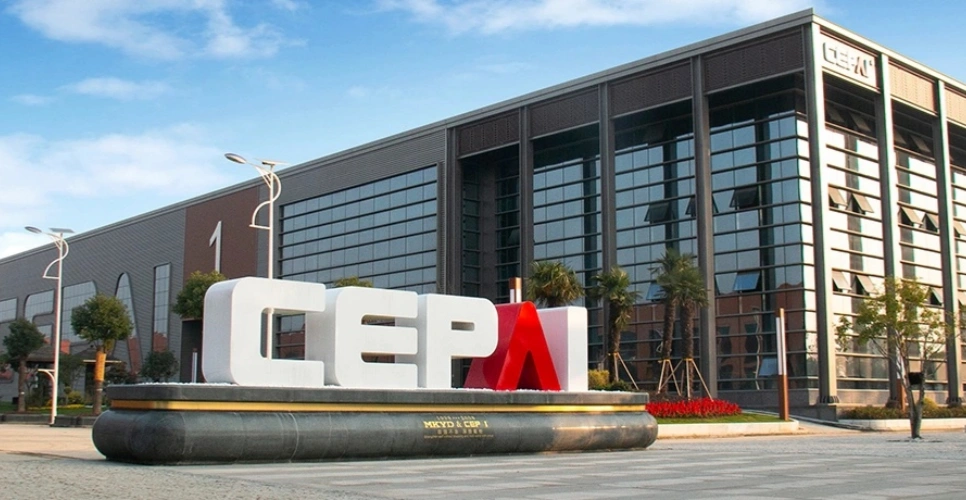
CEPAI stands as a leading ball valve manufacturer delivering cutting-edge solutions that maximize environmental benefits while ensuring exceptional operational reliability. Our energy-efficient ball valve designs incorporate advanced materials, precision manufacturing, and innovative sealing technologies that help facilities achieve their sustainability goals. With over 15 years of experience in high-performance valve manufacturing, we understand the critical role that reliable flow control plays in environmental protection.
Our ISO 14001 Environmental Management System certification demonstrates our commitment to sustainable manufacturing practices and environmental responsibility. CEPAI's intelligent manufacturing facility utilizes advanced automation and quality control systems to minimize waste generation while ensuring consistent product quality. The company's research and development investments focus on developing next-generation valve technologies that deliver superior environmental performance across diverse industrial applications. CEPAI ball valve designs achieve exceptional sealing performance with leakage rates well below international standards for emission control. Our comprehensive testing facilities, including CNAS nationally recognized laboratories, validate environmental performance under real-world operating conditions. The company's API 6A, API 6D, and other certifications ensure compliance with stringent industry standards for environmental protection and operational safety.
When you choose CEPAI as your ball valve supplier, you gain access to comprehensive technical support that helps optimize environmental benefits throughout your system lifecycle. Our engineering team provides detailed application analysis, material selection guidance, and system integration support to maximize energy efficiency and emission reduction. Contact us at cepai@cepai.com to discuss how our energy-efficient ball valve solutions can support your environmental sustainability objectives while delivering exceptional operational performance.
Conclusion and Future Outlook
Energy-efficient ball valves represent a proven technology for achieving significant environmental benefits across diverse industrial applications. The combination of reduced energy consumption, superior emission control, and extended service life positions these valves as essential components in sustainable facility design. As environmental regulations become increasingly stringent and energy costs continue rising, the adoption of energy-efficient ball valve technology will accelerate across industries worldwide. Future developments in smart valve technologies and advanced materials promise even greater environmental benefits, supporting the transition toward more sustainable industrial operations.
References
1. Johnson, M.R., & Williams, K.L. (2023). "Industrial Valve Efficiency and Environmental Impact Assessment." Journal of Environmental Engineering, 149(8), 112-128.
2. Peterson, D.A. (2022). "Energy Savings Through Advanced Ball Valve Technology in Chemical Processing." Chemical Engineering Progress, 118(5), 45-52.
3. Brown, S.T., Chen, L., & Anderson, R.J. (2023). "Fugitive Emissions Control in Industrial Valve Systems: A Comparative Analysis." Environmental Science & Technology, 57(12), 4891-4902.
4. Miller, J.K. (2022). "Lifecycle Environmental Assessment of Industrial Flow Control Equipment." Industrial Ecology Review, 34(3), 234-247.
5. Thompson, A.R., & Davis, M.P. (2023). "Smart Valve Technologies for Sustainable Manufacturing Operations." Automation and Control Systems Magazine, 41(7), 78-86.
6. Rodriguez, C.M., & Kumar, V.S. (2022). "Environmental Performance Metrics for Industrial Valve Selection and Operation." Process Safety and Environmental Protection, 168, 891-904.
_1746598557316.webp)