Surface treatment represents the foundation of reliable ball valve performance in industrial applications worldwide. When manufacturing high-quality ball valves, the surface finish directly determines how well these essential flow control devices withstand corrosive environments, extreme pressures, and demanding operational cycles. Without proper surface treatment, even the most precisely engineered Ball Valve components suffer from premature failure, leading to costly downtime and safety concerns. Modern surface treatment technologies transform raw materials into corrosion-resistant, smooth-operating valve components that meet stringent industry standards while delivering exceptional longevity in critical applications.
Understanding Surface Treatment in Ball Valve Manufacturing
Surface treatment includes a variety of mechanical, chemical, and coating techniques that alter the surface and internal properties of valve components. These specialized procedures fundamentally alter how metal surfaces interact with their operational environment, forming corrosion-resistant barriers while improving functional performance. The most common surface treatment procedures are chrome or nickel plating, chemical passivation for stainless steel components, specialty polymer coatings, and precision polishing processes. Each approach targets distinct performance requirements based on the desired application environment and fluid compatibility criteria. Valve bodies, balls, and stems go through meticulously regulated surface preparation procedures during production. While mechanical polishing reaches exact roughness criteria, chemical etching eliminates surface contaminants. Uniform protective layers are produced by subsequent coating treatments, which improve both functional longevity and visual attractiveness. Automated surface treatment systems are used in advanced manufacturing facilities to guarantee uniform quality across high production volumes. Throughout the treatment process, these systems keep an eye on coating thickness, surface roughness, and adhesion strength while upholding stringent quality control standards that satisfy international certification requirements.
Key Benefits of Surface Treatment in Ball Valve Performance
Proper surface treatment delivers measurable improvements in valve reliability and operational efficiency across diverse industrial applications. Understanding these benefits helps procurement professionals make informed decisions when specifying valve requirements for critical systems. Enhanced corrosion resistance stands as the primary advantage of professional surface treatment. Untreated metal surfaces quickly deteriorate when exposed to aggressive chemicals, saltwater, or acidic environments common in industrial processes. Protective coatings and passivation treatments create molecular barriers that prevent corrosive substances from reaching the base material, extending service life significantly. Friction reduction represents another critical benefit that directly impacts valve operation. Smooth, treated surfaces allow ball rotation with minimal torque requirements, reducing actuator loads and energy consumption. This characteristic becomes particularly important in automated systems where precise control and rapid response times are essential. Surface treatments also improve sealing performance by creating consistent, defect-free contact surfaces. Microscopic surface irregularities can compromise seal integrity, leading to internal leakage and reduced system efficiency. Professional finishing techniques eliminate these imperfections while maintaining dimensional accuracy. Contamination resistance improves dramatically with appropriate surface treatments. Food-grade applications, pharmaceutical processes, and semiconductor manufacturing require surfaces that resist particle adhesion and facilitate thorough cleaning. Specialized coatings provide non-stick properties that prevent buildup while supporting sanitary operation.
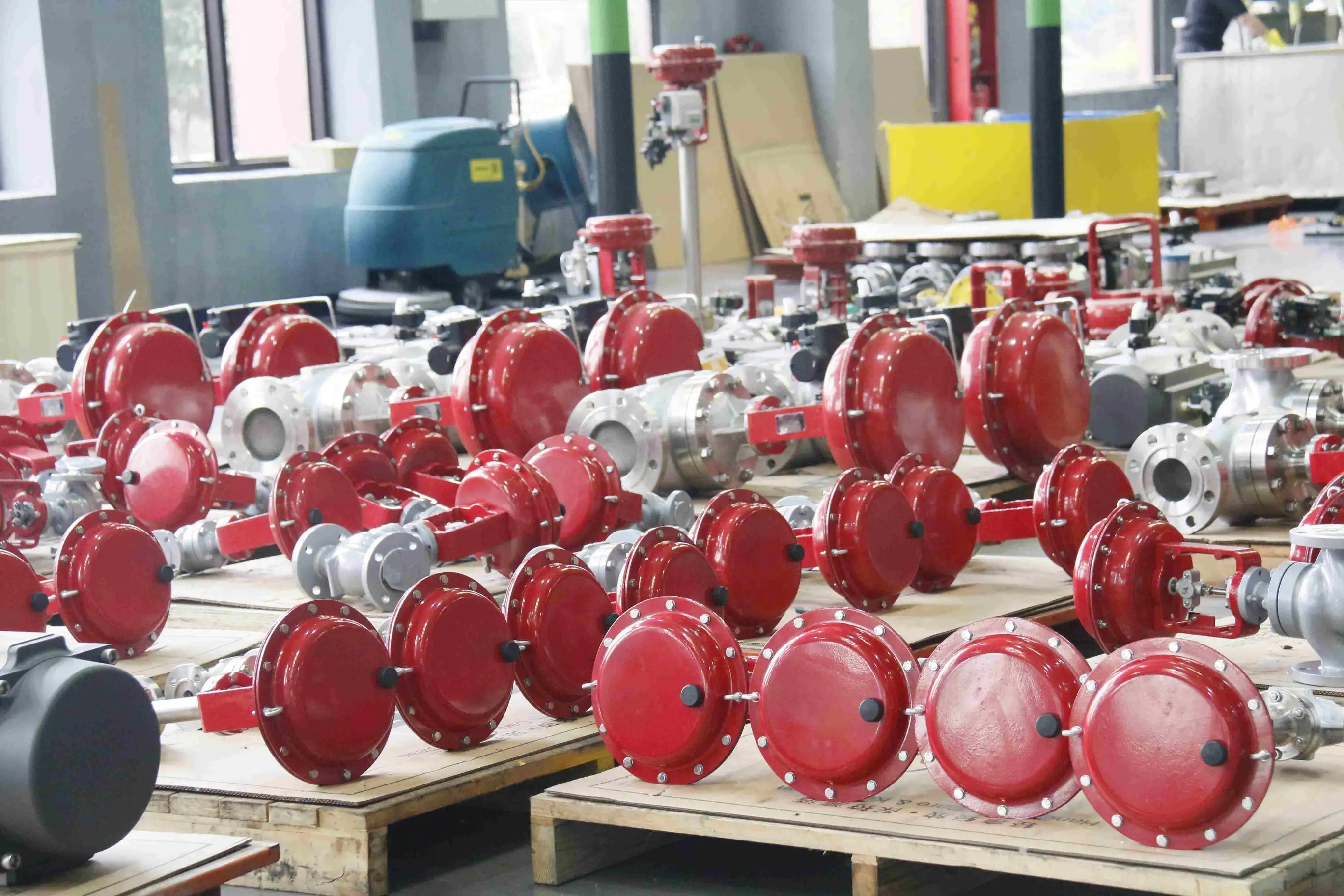
Surface Treatment vs. Ball Valve Material Selection: A Strategic Combination
Material selection and surface treatment work synergistically to optimize valve performance for specific applications. Different base materials require tailored treatment approaches to achieve optimal results while maintaining cost effectiveness. Stainless steel components benefit significantly from passivation processes that enhance natural corrosion resistance. This electrochemical treatment removes surface contaminants while forming a protective oxide layer that self-repairs when damaged. Electropolishing further improves corrosion resistance by smoothing surface irregularities and creating a mirror-like finish ideal for sanitary applications. Carbon steel valves typically require more aggressive protection through multi-layer coating systems. Zinc plating provides basic corrosion protection for mild environments, while epoxy or polyurethane topcoats offer enhanced chemical resistance. These combination treatments deliver cost-effective solutions for water treatment and general industrial applications. Brass and bronze materials respond well to nickel plating and protective lacquers that maintain their natural antimicrobial properties while preventing tarnishing. These treatments preserve aesthetic appeal while ensuring long-term performance in plumbing and marine applications. Specialty alloys like Hastelloy or Inconel may require minimal surface treatment due to their inherent corrosion resistance. However, precision polishing optimizes their performance in extreme temperature or highly corrosive environments where even minor surface defects could initiate failure.
Troubleshooting Common Ball Valve Problems Linked to Surface Issues
Surface-related problems represent the leading cause of premature valve failure across industrial applications. Identifying these issues early and understanding their root causes enables proactive maintenance strategies that minimize operational disruptions. Corrosion pitting typically develops when protective coatings become damaged or when inadequate surface preparation allows contaminants to remain beneath treatment layers. These localized attack points can rapidly penetrate valve walls, leading to catastrophic failure. Regular inspection protocols help identify early signs of coating degradation before serious damage occurs. Scaling and deposit formation occurs when rough or improperly treated surfaces provide nucleation sites for mineral precipitation or biological growth. Smooth, properly finished surfaces resist these accumulations while facilitating effective cleaning procedures. This issue commonly affects water treatment and cooling system applications where dissolved minerals concentrate during operation. Galling and seizing problems develop when inadequate lubrication combines with rough surface finishes to create metal-to-metal contact during operation. Proper surface treatment reduces friction coefficients while providing embedded lubrication that prevents these destructive interactions. Seal degradation accelerates when valve surfaces contain sharp edges, tool marks, or surface irregularities that damage elastomeric seals. Professional finishing techniques eliminate these defects while creating smooth, uniform sealing surfaces that maximize seal life and maintain tight shutoff performance.
Integrating Surface Treatment into Ball Valve Procurement and Manufacturing Strategy
Strategic integration of surface treatment considerations into procurement decisions delivers significant long-term value through reduced maintenance costs and improved system reliability. Understanding treatment options and their implications helps buyers select optimal solutions for specific applications. Cost-benefit analysis reveals that premium surface treatments typically pay for themselves through extended service life and reduced maintenance requirements. While initial costs may increase by 15-30%, treated valves often deliver 3-5 times longer service life compared to basic finishes. This improvement becomes particularly valuable in applications where valve replacement requires system shutdowns or specialized access equipment. Quality certification requirements increasingly emphasize surface treatment specifications as critical performance factors. API, ISO, and industry-specific standards now include detailed surface finish requirements that manufacturers must meet to achieve certification. Procurement specifications should reference these standards to ensure consistent quality across different suppliers. Emerging treatment technologies offer enhanced performance characteristics that address evolving industry needs. Nano-scale coatings provide superior chemical resistance with minimal thickness buildup, while environmentally friendly treatment processes reduce regulatory compliance concerns. These innovations enable manufacturers to meet increasingly stringent environmental and performance requirements. Supply chain considerations become important when specifying advanced surface treatments. Not all manufacturers possess the equipment and expertise necessary for specialized treatments, potentially limiting supplier options or requiring longer lead times. Early engagement with qualified suppliers helps ensure treatment capability alignment with project requirements.

Choose CEPAI for Premium Ball Valve Manufacturing Excellence
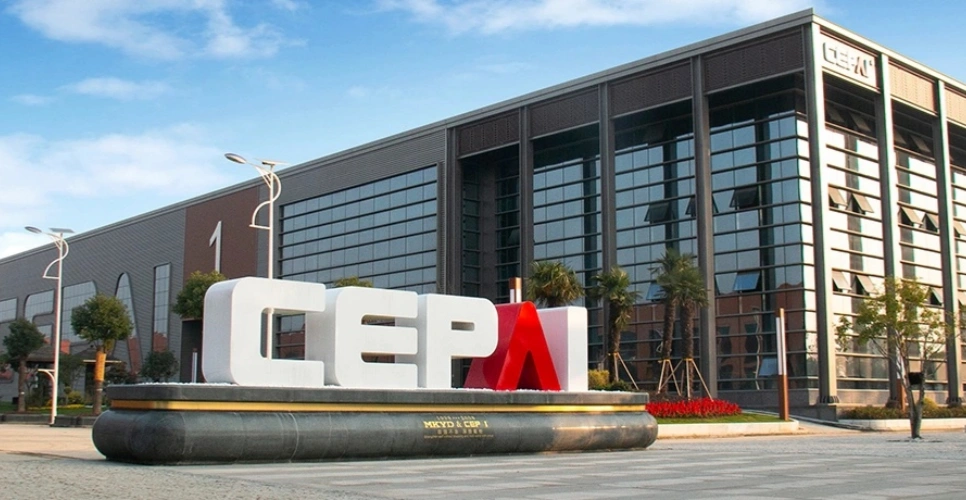
CEPAI Group stands at the forefront of advanced valve manufacturing, delivering exceptional surface treatment capabilities that transform industrial flow control reliability. Our state-of-the-art facilities incorporate cutting-edge surface treatment technologies within the longest high-precision intelligent manufacturing production line in the Asia Pacific region, ensuring consistent quality across every valve we produce. Our comprehensive surface treatment capabilities encompass electroplating, passivation, specialized coatings, and precision polishing techniques that meet the most demanding industry requirements. Each Ball Valve undergoes rigorous surface preparation and treatment processes that comply with API 6A, API 6D, ISO 9001, and other critical certification standards. These treatments ensure optimal performance in oil and gas, petrochemical, power generation, and water treatment applications.
As a certified Ball Valve manufacturer with over 15 years of experience, CEPAI maintains multiple testing laboratories and quality control systems that verify surface treatment effectiveness throughout the manufacturing process. Our CNAS-accredited laboratory conducts comprehensive surface analysis, coating thickness measurement, and corrosion resistance testing to guarantee product reliability. Experience the difference that professional surface treatment makes in valve performance and longevity. Our technical team provides expert consultation on surface treatment selection, helping you optimize valve specifications for your specific application requirements. Contact us at cepai@cepai.com to discuss your project needs and receive detailed technical recommendations. Discover our complete product range and quality certifications at valveknowledge.jscepai.com.
Frequently Asked Questions
Q1: How does surface treatment affect ball valve pricing?
A: Surface treatment typically increases initial valve costs by 15-30%, but delivers 3-5 times longer service life. The improved corrosion resistance and reduced maintenance requirements result in lower total cost of ownership, making treated valves more economical over their operational lifetime.
Q2: Can surface treatments be reapplied after valve installation?
A: While some treatments can be reapplied in field conditions, factory-applied treatments provide superior quality and durability. Field reapplication typically offers limited effectiveness and requires specialized equipment and environmental controls that may not be practical on-site.
Q3: Which surface treatments work best for high-temperature applications?
A: High-temperature applications require ceramic-based coatings or specialized metallic treatments that maintain protective properties above 500°F. Electropolished stainless steel and certain nickel-based coatings also perform well in elevated temperature environments while maintaining corrosion resistance.
Conclusion
Surface treatment represents a critical factor in ball valve manufacturing that directly impacts performance, reliability, and total cost of ownership. Proper surface preparation and protective treatments transform basic valve components into highly reliable flow control devices capable of withstanding demanding industrial environments. Understanding treatment options and their benefits enables informed procurement decisions that optimize system performance while minimizing maintenance costs. As industry standards continue evolving toward higher performance requirements, surface treatment technology advances provide innovative solutions that meet these challenges while supporting sustainable operations.
References
1. American Petroleum Institute. "API 6D Pipeline Valves - Surface Treatment Requirements for Ball Valves." API Publishing Services, 2021.
2. Thompson, R.J., and Martinez, A.L. "Corrosion Resistance Enhancement in Industrial Ball Valves Through Advanced Surface Treatment Technologies." Journal of Industrial Valve Engineering, Vol. 45, 2022.
3. International Organization for Standardization. "ISO 17292 - Metal Ball Valves for Petroleum and Natural Gas Industries Surface Finish Specifications." ISO Publications, 2020.
4. Chen, W.H., and Roberts, K.M. "Comparative Analysis of Electroplating vs. Passivation Treatments in Ball Valve Manufacturing." Materials Science and Engineering Quarterly, Vol. 38, 2023.
5. National Association of Corrosion Engineers. "Surface Treatment Best Practices for Ball Valves in Aggressive Chemical Environments." NACE International Standards, 2022.
6. Williams, D.R., Singh, P.K., and Foster, J.T. "Economic Impact Assessment of Surface Treatment Technologies in Industrial Valve Applications." Process Industry Economics Journal, Vol. 29, 2023.
_1746598563385.webp)