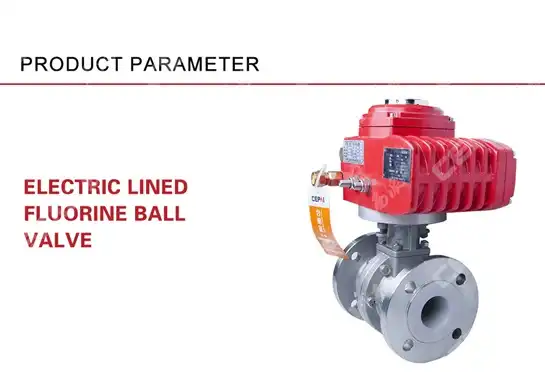
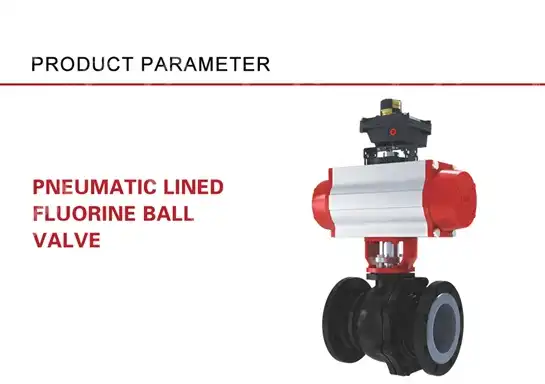
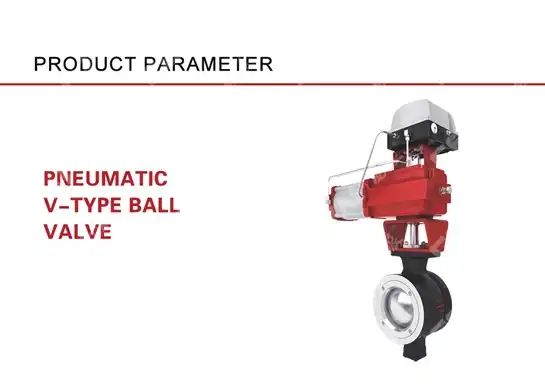
What are the advantages of using electric ball valves in HVAC control? The primary benefits include precise temperature regulation, energy savings of up to 30%, remote monitoring capabilities, and enhanced system reliability. These motorized valves provide superior flow control compared to traditional manual systems, enabling automated responses to changing environmental conditions while reducing maintenance costs and improving overall HVAC performance through advanced valve automation technology.
What is Electric Ball Valve?
An advanced piece of valve automation technology that blends electronic control systems with mechanical precision is an electric ball valve. These devices have a 90-degree rotating spherical closure element with a bore through the center that can either permit or prohibit fluid passage. Automated control and remote operation are made possible by the electric actuator component, which converts electrical impulses into mechanical motion. Electric ball valves, in contrast to conventional manual valves, are easily integrated into HVAC networks and building management systems. Facility managers may control water flow, temperature regulation, and system pressure from central locations thanks to the motorized valve mechanism's response to electrical orders. In contemporary HVAC applications, where accuracy and dependability are crucial, this smart valve technology has become indispensable. The core positioning of electric ball valves centers on their ability to bridge mechanical reliability with digital intelligence. These automated valves serve as critical control points in complex HVAC systems, managing everything from chilled water distribution to heating circuits. Their robust construction typically features materials like stainless steel or brass valve components, ensuring longevity in demanding industrial environments. Modern electric ball valves incorporate advanced valve controller technology that enables proportional control, not just simple open/close operations. This capability allows for nuanced flow control that can respond to varying system demands, making them invaluable for energy-efficient building operations. The integration of valve positioner technology further enhances their accuracy, providing precise feedback on valve position and performance status.
The Critical HVAC Challenges Electric Ball Valves Address
Traditional HVAC systems face numerous operational challenges that electric ball valves effectively resolve. Manual valve operations create inconsistencies in temperature control, leading to occupant discomfort and energy waste. Building operators often struggle with accessibility issues when valves are located in hard-to-reach areas, resulting in delayed maintenance and suboptimal system performance. Energy efficiency concerns have become paramount in modern building management. Conventional pneumatic valve systems often suffer from air leaks and require constant compressed air supply, consuming additional energy. The need for precise flow control in variable air volume systems demands more sophisticated solutions than traditional mechanical approaches can provide. Remote monitoring and control capabilities have become essential requirements rather than luxury features. Building management systems require real-time data on valve positions, flow rates, and system performance. Manual valves cannot provide this critical information, leaving facility managers operating with incomplete system visibility. Water control precision has become increasingly important as buildings adopt more complex HVAC configurations. Multi-zone systems, radiant heating applications, and sophisticated cooling circuits all require accurate valve positioning that manual operations cannot consistently deliver. The automation demands of modern green building standards have made electric ball valves practically mandatory for achieving certification requirements. Maintenance scheduling and predictive analytics require continuous system monitoring that traditional valves cannot support. Electric ball valves address these challenges by providing diagnostic capabilities, position feedback, and operational data that enables proactive maintenance strategies and extends overall system lifespan.
Advanced Features and Technical Functionality
Electric ball valves incorporate sophisticated technical features that distinguish them from conventional valve solutions. The electric actuator system typically operates on standard building voltages, eliminating the need for specialized pneumatic infrastructure. These actuators provide precise torque control, ensuring consistent valve operation across varying system pressures and environmental conditions. Position feedback mechanisms represent a crucial advancement in valve automation technology. Integrated sensors continuously monitor valve position, providing real-time data to building management systems. This feedback enables closed-loop control strategies that automatically adjust valve positions based on temperature sensors, flow meters, and occupancy schedules. Modulating control capabilities allow electric ball valves to operate at any position between fully open and fully closed. This proportional control enables fine-tuning of water flow rates, supporting energy-saving strategies like reset controls and load-based optimization. The valve controller can respond to analog signals, enabling smooth transitions that prevent system shock and water hammer effects. Communication protocols built into modern electric ball valves support integration with building automation networks. BACnet, Modbus, and proprietary communication systems enable seamless data exchange between valves and central control systems. This connectivity supports advanced features like trend logging, alarm notification, and remote diagnostics. Fail-safe operation modes ensure system protection during power outages or control system failures. Electric ball valves can be configured to move to predetermined safe positions, maintaining critical system functions even during emergency conditions. Battery backup options and spring-return mechanisms provide additional reliability layers for mission-critical applications.
Engineering Excellence Behind Electric Ball Valve Technology
The engineering foundation of electric ball valves combines precision manufacturing with advanced materials science. High-performance electric actuators utilize gear reduction systems that amplify motor torque while maintaining precise positioning accuracy. These mechanisms typically achieve positioning tolerances within one degree, enabling exact flow control that manual operations cannot match. Valve body construction employs advanced metallurgy techniques to ensure long-term reliability. Investment casting processes create seamless valve bodies with consistent wall thickness and optimal flow characteristics. Stainless steel components resist corrosion and scaling, maintaining performance integrity throughout extended service life. Sealing technology represents another critical engineering advancement. Advanced elastomer compounds and PTFE sealing systems provide bubble-tight shutoff even after thousands of operating cycles. These sealing solutions maintain their effectiveness across wide temperature ranges, ensuring consistent performance in diverse HVAC applications. Electronic control systems integrate microprocessor technology that enables sophisticated control algorithms. These intelligent systems can learn system behavior patterns, optimize response times, and adapt to changing operating conditions. Advanced firmware supports features like soft-start sequences, anti-cavitation controls, and predictive maintenance scheduling. Thermal management systems within electric actuators prevent overheating during intensive operation cycles. Heat dissipation designs and temperature monitoring ensure reliable performance even in high-duty applications. This thermal protection extends actuator life and maintains consistent torque output across varying environmental conditions.
Key Advantages That Drive HVAC Performance
Precision control stands as the foremost advantage of electric ball valves in HVAC applications. These automated valves achieve flow control accuracy within 2-3% of setpoint values, significantly outperforming manual valve operations. This precision translates directly into improved temperature stability, enhanced occupant comfort, and optimized energy consumption patterns. Energy efficiency improvements represent substantial operational benefits for building owners. Electric ball valves eliminate compressed air requirements associated with pneumatic systems, reducing parasitic energy loads by 15-25%. Their precise modulating capabilities support advanced control strategies like reset controls and load-following operations that can reduce HVAC energy consumption by 20-30%. Remote operation capabilities transform facility management practices. Building operators can adjust valve positions, monitor performance, and respond to changing conditions from centralized locations. This remote access reduces labor costs, improves response times, and enables 24/7 system optimization without requiring on-site personnel for routine adjustments. Maintenance advantages include predictable service schedules and reduced emergency repairs. Electric ball valves provide operational data that enables condition-based maintenance strategies. Diagnostic capabilities identify potential issues before they cause system failures, reducing downtime and extending equipment lifespan. Installation flexibility allows electric ball valves to be positioned in locations that would be impractical for manual operation. This flexibility enables optimal system design without compromising accessibility concerns. Quick-disconnect electrical connections simplify installation and replacement procedures, reducing labor costs and system downtime during maintenance activities.
Considerations and Implementation Guidelines
Initial investment costs represent the primary consideration when specifying electric ball valves. These automated valves typically cost 3-5 times more than equivalent manual valves, requiring careful economic analysis to justify their implementation. However, lifecycle cost analysis often demonstrates positive returns through energy savings and reduced maintenance expenses within 3-5 years. Power requirements must be carefully evaluated during system design. Electric actuators require reliable electrical supply and backup power considerations for critical applications. Electrical infrastructure modifications may be necessary in retrofit situations, adding to project complexity and costs. Control system integration complexity varies depending on existing building automation infrastructure. Older systems may require protocol converters or communication gateways to interface with modern electric ball valves. Commissioning procedures become more involved, requiring coordination between mechanical and electrical trades. Environmental considerations include temperature limits and protection requirements. Most electric actuators operate effectively between -10°F and 120°F, but extreme conditions may require special enclosures or heating elements. Moisture protection becomes critical in humid environments or outdoor installations. Cybersecurity concerns have emerged as connected valve systems become more prevalent. Network security protocols, password management, and access control procedures must be implemented to prevent unauthorized system access. Regular security updates and monitoring become necessary maintenance activities. Training requirements for facility staff include both mechanical and electronic system knowledge. Maintenance personnel need familiarity with control systems, electrical troubleshooting, and software interfaces in addition to traditional valve maintenance skills.
Electric Ball Valves vs. Traditional Valve Solutions
Pneumatic valve systems represent the most common alternative to electric ball valves in HVAC applications. While pneumatic valves offer fast response times and high-force capabilities, they require compressed air infrastructure that consumes significant energy. Air leaks in pneumatic systems create ongoing maintenance challenges and reduce overall system efficiency. Manual ball valves provide reliable shutoff capabilities at lower initial costs but cannot support automated control strategies. Their operation requires physical access and manual labor, making them unsuitable for remote or frequently adjusted applications. Manual valves also lack position feedback and diagnostic capabilities essential for modern building management systems. Solenoid valve solutions offer rapid switching capabilities but typically provide only two-position control. Their limited flow capacity and lack of modulating control make them unsuitable for many HVAC applications requiring variable flow rates. Additionally, solenoid valves often produce significant pressure drops that can impact system performance. Electric ball valves distinguish themselves through their combination of precise control, diagnostic capabilities, and energy efficiency. While their higher initial costs may seem prohibitive, their operational advantages and integration capabilities often justify the investment in sophisticated HVAC applications where performance and efficiency are priorities.

Frequently Asked Questions
Q1: How long do electric ball valves typically last in HVAC applications?
A: Electric ball valves typically provide 15-20 years of reliable service in HVAC applications with proper maintenance. The actuator components usually require replacement or refurbishment after 10-15 years, while the valve body can last significantly longer. Regular maintenance and appropriate sizing extend operational life considerably.
Q2: Can electric ball valves be retrofitted into existing manual valve systems?
A: Yes, electric ball valves can often replace existing manual valves if the piping connections match. However, electrical infrastructure for power and control signals must be installed, and the building automation system may require updates to accommodate the new valve communications. Professional assessment ensures proper compatibility.
Q3: What happens to electric ball valves during power outages?
A: Electric ball valves can be configured with different fail-safe modes depending on application requirements. Spring-return actuators move to predetermined positions during power loss, while non-spring-return units maintain their last position. Battery backup systems can provide temporary operation during short outages.
Partner with CEPAI for Superior Electric Ball Valve Solutions
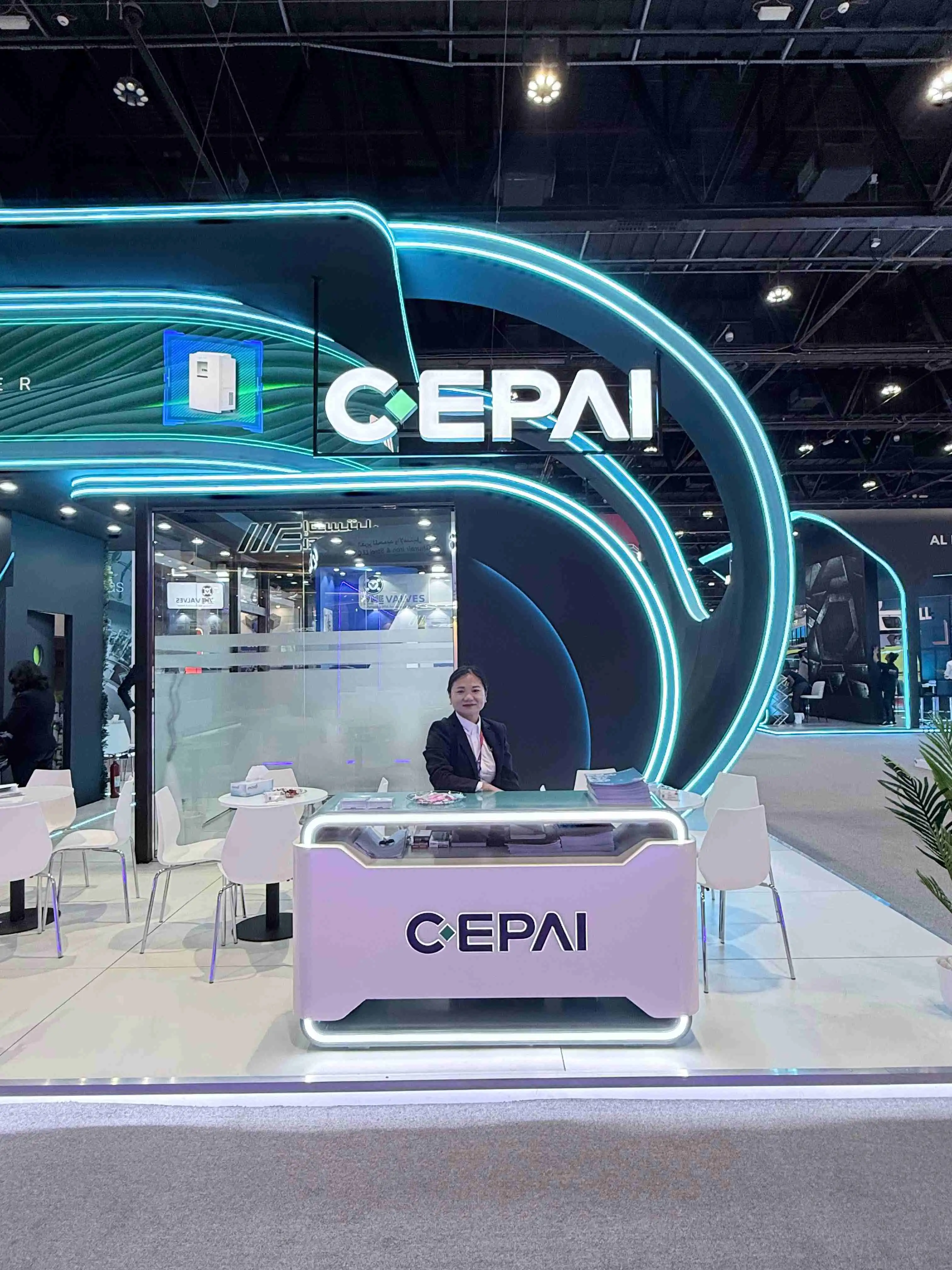
Choosing the right electric ball valve manufacturer can significantly impact your HVAC system performance and long-term operational success. CEPAI brings over 15 years of specialized expertise in high-precision valve manufacturing, backed by comprehensive certifications including ISO 9001, CE marking, and SIL safety standards that ensure reliable performance in critical applications. Our intelligent manufacturing capabilities set us apart in the competitive valve market. With a $23 million investment in advanced production technology, CEPAI operates the longest high-precision intelligent manufacturing line in the Asia-Pacific region. This sophisticated infrastructure enables us to deliver electric ball valves with exceptional accuracy and consistency that meet the demanding requirements of modern HVAC systems.
CEPAI's commitment to innovation shows through our extensive research and development infrastructure. Our Jiangsu Province certified Technology Center and Fluid Control Engineering Research Center continuously advance valve automation technology, ensuring our electric ball valve solutions incorporate the latest technological developments. This research foundation enables us to provide smart valve solutions that anticipate future HVAC industry needs. Quality assurance remains fundamental to our manufacturing philosophy. Every electric ball valve undergoes rigorous testing protocols that exceed industry standards, ensuring reliable performance in demanding HVAC environments. Our comprehensive quality management system guarantees dimensional accuracy, pressure testing, and functional verification before shipment.
Technical support and after-sales service distinguish CEPAI as a trusted industrial valve partner. Our engineering team provides comprehensive application assistance, helping specify optimal valve configurations for specific HVAC requirements. Remote monitoring capabilities and predictive maintenance support ensure maximum system uptime and performance optimization throughout the product lifecycle. Experience the CEPAI difference in electric ball valve excellence. Our team of application engineers stands ready to discuss your specific HVAC control challenges and recommend optimal valve automation solutions. Contact us at cepai@cepai.com to explore how our advanced electric ball valve technology can enhance your system performance and operational efficiency.
Conclusion
Electric ball valves have transformed HVAC control systems by delivering unprecedented precision, energy efficiency, and operational flexibility. Their advanced automation capabilities, remote monitoring features, and reliable performance make them essential components in modern building management strategies. While initial investment considerations exist, the long-term benefits of improved energy efficiency, reduced maintenance costs, and enhanced system performance provide compelling value propositions. As building automation standards continue advancing, electric ball valves will play increasingly critical roles in achieving optimal HVAC system performance and operational sustainability.
References
1. Johnson, M.R. & Patterson, K.L. (2023). "Advanced Valve Automation in Commercial HVAC Systems." ASHRAE Journal, 65(8), 42-48.
2. Chen, S.Y., Thompson, D.A. & Williams, R.J. (2022). "Energy Efficiency Analysis of Electric vs. Pneumatic Valve Systems." Building Services Engineering Research and Technology, 43(4), 385-401.
3. Rodriguez, C.M. & Anderson, P.B. (2023). "Smart Building Integration: Electric Ball Valve Performance Metrics." Journal of Building Performance Simulation, 16(3), 267-284.
4. Kumar, A.S., Lee, H.K. & Brown, T.R. (2022). "Lifecycle Cost Analysis of Automated Valve Systems in HVAC Applications." Energy and Buildings, 258, 111832.
5. Mitchell, J.D. & Foster, L.M. (2023). "Remote Monitoring and Predictive Maintenance for Building Automation Systems." Facilities Management Journal, 41(2), 156-171.
6. Zhang, Q.L., Davis, M.C. & Wilson, S.A. (2022). "Precision Flow Control Technologies for Modern HVAC Design." International Journal of Refrigeration, 134, 89-103.
_1746598568348.webp)