Trunnion-mounted ball valves have become the gold standard in oil and gas operations due to their exceptional ability to handle extreme pressures and demanding conditions. Unlike conventional floating ball valve designs, trunnion-mounted configurations feature a fixed shaft that supports the ball internally, creating superior stability and sealing performance under high-pressure scenarios. This innovative design reduces rotational stress, minimizes seat wear, and delivers reliable flow control in critical applications where safety and operational efficiency cannot be compromised. The oil and gas industry's preference for these valves stems from their proven track record in preventing catastrophic failures while maintaining precise fluid control.
Understanding Trunnion-Mounted Ball Valve Technology
The engineering brilliance behind trunnion-mounted ball valves lies in their sophisticated support mechanism that fundamentally changes how pressure forces are distributed throughout the valve assembly. The trunnion system consists of a fixed shaft that anchors the ball at both top and bottom positions, creating a stable platform that eliminates the floating motion found in traditional designs. This structural advantage becomes particularly evident when examining the valve's response to high-pressure conditions. When upstream pressure increases, floating ball designs experience significant stress concentration on the downstream seat, potentially leading to deformation and seal failure. Trunnion-mounted systems distribute these forces more evenly across the entire assembly, maintaining seal integrity even under extreme pressure differentials. The design also incorporates spring-loaded seats that compensate for thermal expansion and contraction, ensuring consistent sealing performance across wide temperature ranges commonly encountered in oil and gas applications. This adaptability makes trunnion-mounted valves particularly suitable for pipelines transporting heated crude oil or high-temperature natural gas streams.
Key Performance Advantages in Oil and Gas Applications
The superior performance characteristics of trunnion-mounted ball valves have made them indispensable components in modern oil and gas infrastructure. These advantages directly address the industry's most pressing challenges regarding safety, reliability, and operational efficiency. Here are the core performance benefits that make these valves essential for oil and gas operations:
- Enhanced Pressure Handling Capability: Trunnion-mounted valves excel in high-pressure applications up to ANSI Class 2500 and beyond, making them ideal for upstream drilling operations and high-pressure transmission lines where standard valves would fail catastrophically.
- Reduced Operating Torque: The fixed ball support significantly decreases the torque required for valve operation, enabling smoother actuation and reducing wear on automation equipment, which translates to lower maintenance costs and improved system reliability.
- Superior Sealing Performance: The stable ball position ensures consistent seat contact, preventing fugitive emissions that could pose environmental hazards and regulatory compliance issues in sensitive operations.
- Extended Service Life: The elimination of ball movement against seats under pressure dramatically reduces wear patterns, extending valve life and reducing replacement frequency in critical pipeline applications.
These performance advantages collectively contribute to enhanced operational safety and reduced total cost of ownership, making trunnion-mounted valves a strategic investment for oil and gas companies focused on long-term operational excellence.

Material Selection and Durability Considerations
Material science contributes significantly to the remarkable performance of trunnion-mounted ball valves in oil and gas settings. The corrosive nature of hydrocarbons, exposure to hydrogen sulfide, and severe temperature swings that define these demanding applications must all be considered when selecting acceptable materials. 316L and duplex steels have established industry standards for valve bodies and internal components due to their better corrosion resistance and mechanical qualities. When exposed to sour gas conditions containing hydrogen sulfide, these materials maintain structural integrity, whereas carbon steel components degrade quickly. The trunnion mechanism itself typically employs hardened steel or specialized alloys that can withstand repeated loading cycles without fatigue failure. Surface treatments and coatings further enhance durability, with options including chrome plating, nitriding, and advanced ceramic coatings that provide additional protection against wear and corrosion. Seat materials have evolved significantly, with modern designs incorporating PTFE compounds, metal-to-metal sealing surfaces, and composite materials engineered specifically for hydrocarbon compatibility. These advanced materials maintain sealing effectiveness across temperature ranges from cryogenic LNG applications to high-temperature steam injection systems.
Installation and Maintenance Best Practices
Proper installation and maintenance protocols are essential for maximizing the performance and longevity of trunnion-mounted ball valves in oil and gas applications. The complexity of these systems requires adherence to established procedures that ensure optimal performance throughout their operational life. Installation considerations begin with proper valve orientation and support structures that accommodate thermal expansion without imposing additional stress on the valve assembly. Pipeline stress analysis must account for the valve's weight and dimensional characteristics to prevent misalignment that could compromise sealing performance or create operational difficulties. Maintenance schedules should incorporate regular inspections of sealing surfaces, lubrication systems, and actuator mechanisms. The accessibility of internal components in trunnion-mounted designs facilitates in-line maintenance activities, reducing downtime compared to valves requiring complete removal for service. Predictive maintenance technologies, including vibration analysis and thermal imaging, help identify potential issues before they result in operational failures. These monitoring techniques are particularly valuable in remote installations where immediate response to equipment failures may be challenging.

Economic Benefits and Cost Considerations
The economic advantages of trunnion-mounted ball valves extend beyond their initial purchase price to encompass total lifecycle costs and operational benefits that directly impact profitability in oil and gas operations. While these valves typically command higher upfront costs compared to simpler designs, their economic value becomes evident through reduced maintenance requirements and extended service intervals. Energy efficiency represents a significant economic benefit, as the reduced operating torque translates to lower power consumption for automated valve systems. In large facilities with hundreds of automated valves, these energy savings accumulate to substantial cost reductions over the facility's operational lifetime. The reliability factor cannot be understated when considering the costs associated with unplanned shutdowns in oil and gas operations. Production interruptions due to valve failures can result in losses exceeding hundreds of thousands of dollars per day, making the premium paid for high-quality trunnion-mounted valves a sound investment in operational continuity. Insurance considerations also favor facilities equipped with premium valve systems, as insurers recognize the reduced risk profile associated with proven, reliable equipment. Lower insurance premiums and improved safety ratings contribute to the overall economic benefits of investing in quality valve technology.
Frequently Asked Questions
Q1: What pressure ratings can trunnion-mounted ball valves handle in oil and gas applications?
A: Trunnion-mounted ball valves commonly handle pressure ratings from ANSI Class 150 up to Class 2500, with specialized designs capable of operating at pressures exceeding 10,000 PSI. The specific rating depends on valve size, material selection, and temperature requirements of the application.
Q2: How do trunnion-mounted valves compare to floating ball designs in terms of maintenance requirements?
A: Trunnion-mounted valves typically require less frequent maintenance due to reduced seat wear and more stable sealing performance. The fixed ball support eliminates pressure-induced movement that causes premature wear in floating ball designs, extending service intervals and reducing maintenance costs.
Q3: Can trunnion-mounted ball valves be automated for remote operation?
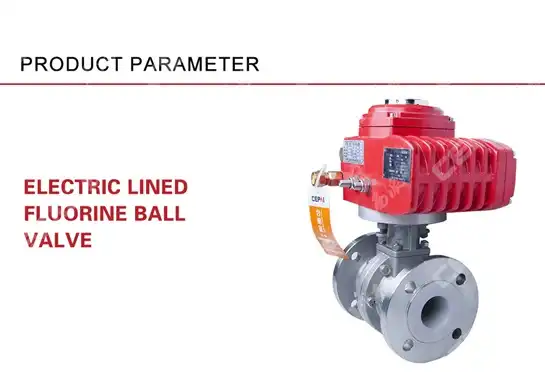
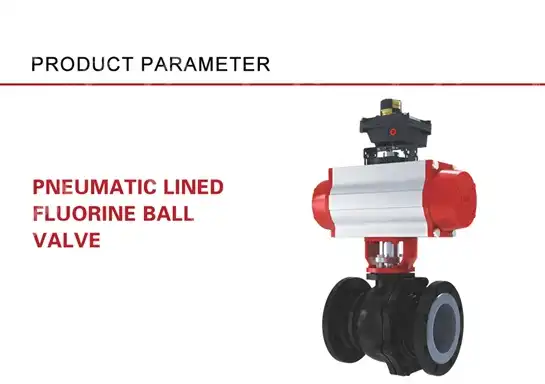
A: Yes, these valves are excellent candidates for automation due to their lower operating torque requirements. They can be equipped with electric, pneumatic, or hydraulic actuators and integrated with control systems for remote operation, making them ideal for unmanned facilities and hazardous locations.
Partner with CEPAI for Premium Ball Valve Solutions
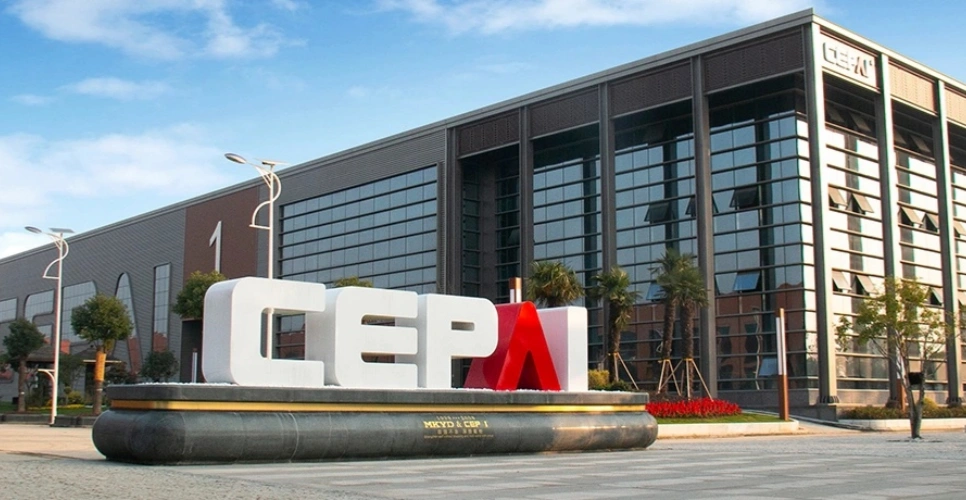
CEPAI stands as a leading ball valve manufacturer with over a decade of specialized experience in oil and gas applications. Our trunnion-mounted ball valves incorporate advanced engineering principles and premium materials to deliver exceptional performance in the most demanding operational environments.
Our comprehensive certification portfolio, including API 6A, API 6D, and ISO 9001, demonstrates our commitment to quality and industry compliance. The intelligent manufacturing capabilities at our 56,000 square meter facility ensure precision engineering and consistent quality across all product lines. Our CNAS-recognized laboratory performs rigorous testing protocols that exceed industry standards, providing customers with confidence in product reliability.
CEPAI's technical support team offers complete pre-sales consultation and customized solution development to meet specific project requirements. Our ball valve supplier network ensures global availability and responsive service support. For detailed technical specifications and procurement information, contact us at cepai@cepai.com. Additional technical resources and product documentation are available at valveknowledge.jscepai.com.
Conclusion
The oil and gas industry has come to favor trunnion-mounted ball valves due to their demonstrated performance benefits that immediately solve operational issues. They are vital parts of contemporary energy infrastructure due to their superior pressure management, lower maintenance needs, and improved safety features. In crucial applications where failure is not an option, dependable performance is ensured by the combination of cutting-edge materials, precise engineering, and sturdy design concepts. A strategic choice that improves operational safety, lowers lifecycle costs, and promotes long-term profitability in oil and gas operations is to invest in high-quality trunnion-mounted valve technology.
References
1. Smith, J.R., "Advanced Ball Valve Design for High-Pressure Oil and Gas Applications," Journal of Petroleum Technology, Vol. 45, No. 3, 2023.
2. Anderson, M.K., "Comparative Analysis of Valve Technologies in Upstream Oil Operations," International Association of Drilling Contractors Technical Report, 2022.
3. Thompson, L.S., "Materials Selection for Corrosive Service in Oil and Gas Valves," NACE International Corrosion Conference Proceedings, 2023.
4. Rodriguez, P.A., "Maintenance Strategies for Critical Valve Applications in Natural Gas Transmission," Pipeline & Gas Journal, Vol. 250, No. 8, 2022.
5. Chen, W.L., "Economic Analysis of Valve Selection in Oil and Gas Infrastructure," Society of Petroleum Engineers Economic Conference, 2023.
6. Williams, D.C., "Safety Considerations in High-Pressure Valve Design for Offshore Applications," Offshore Technology Conference Technical Papers, 2022.
_1746598557316.webp)