When ball valves are constructed and engineered to resist extreme temperatures, they function exceptionally well in high-temperature steam systems. To provide dependable on-off control and tight shutdown capabilities, these crucial flow control components use a spherical closure element that spins inside the valve body. Advanced ball valve designs use specialized materials, improved sealing systems, and precision manufacturing procedures to retain operational integrity, avoid leaks, and guarantee safety during long service cycles in steam applications that reach temperatures beyond 400°C.
Understanding Ball Valves in High-Temperature Steam Systems
Because of their strong sealing qualities and quarter-turn action, ball valves' basic design makes them especially appropriate for steam applications. Usually made of stainless steel or specialty alloys, the spherical closure element spins inside the valve body to precisely align with the inlet and output ports and regulate flow passage. When compared to linear motion valves, this straightforward but efficient mechanism lowers wear points, improving reliability in harsh steam settings. High-temperature steam presents unique challenges that can significantly impact valve performance and longevity. Thermal expansion occurs when components heat up during operation, potentially causing misalignment or binding if not properly accommodated in the design phase. Material degradation becomes a concern as elevated temperatures can alter metallurgical properties, affecting strength and corrosion resistance over time. Pressure fluctuations commonly associated with steam systems can stress valve components, particularly sealing elements and body connections. Key performance criteria for evaluating valves in steam applications include temperature resistance ratings, pressure handling capabilities, sealing reliability under thermal cycling, and material compatibility with steam and potential contaminants. Understanding these factors enables engineers and procurement professionals to make informed decisions when specifying flow control equipment for critical steam infrastructure projects.

Types of Ball Valves Suitable for High-Temperature Steam
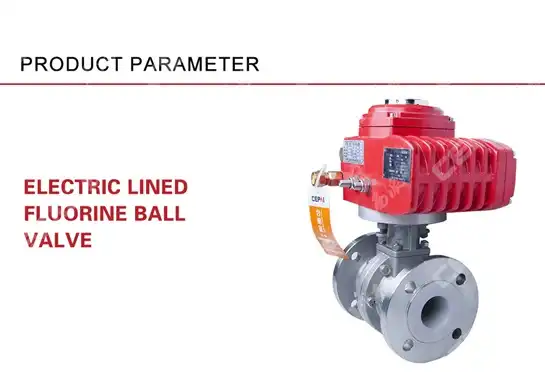
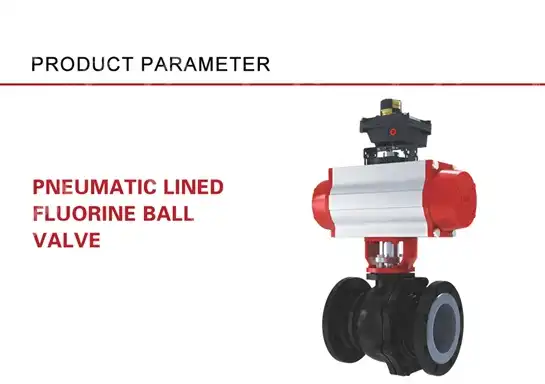
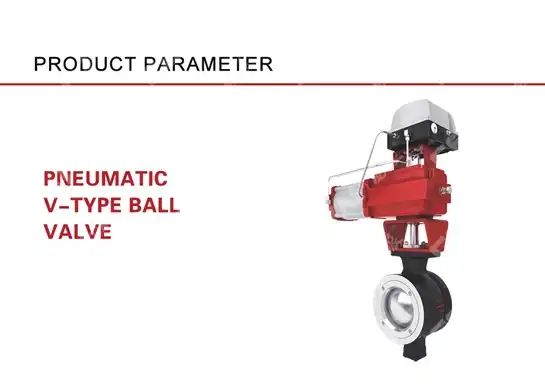
Selecting appropriate valve configurations involves careful consideration of port design, material composition, and actuation methods to optimize performance in steam environments. Each design variation offers distinct advantages depending on specific application requirements and operating parameters. Port configuration significantly impacts flow characteristics and pressure drop across the valve. Full port designs provide unobstructed flow passage when fully open, minimizing pressure loss and turbulence that could contribute to erosion or cavitation damage. Standard port configurations offer cost advantages while maintaining adequate flow capacity for many applications. Reduced port designs may be suitable for control applications where flow restriction is beneficial for system operation. Material selection proves critical for long-term reliability in steam service. Stainless steel grades such as 316 and 317 offer excellent corrosion resistance and maintain mechanical properties at elevated temperatures. Specialized alloys including Inconel and Hastelloy provide superior performance in extreme conditions but require careful cost-benefit analysis. Carbon steel options may be suitable for lower temperature steam applications with proper internal protection and coating systems. Actuation methods range from manual operation for infrequent service to automated systems for process control applications. Electric actuators enable remote operation and integration with control systems, providing precise positioning and feedback capabilities essential for modern industrial automation. Pneumatic actuators offer rapid operation and fail-safe positioning but require reliable air supply systems. Manual gear operators provide mechanical advantage for large valves while maintaining simplicity and reliability.
Maintenance and Troubleshooting of Ball Valves in Steam Systems
Effective maintenance practices ensure optimal valve performance and extend service life in challenging steam environments. Regular inspection schedules should accommodate thermal cycling effects and potential degradation mechanisms specific to high-temperature operation. Preventive maintenance protocols begin with visual inspections to identify external leakage, corrosion, or mechanical damage. Internal inspections during scheduled shutdowns allow assessment of sealing surfaces, ball condition, and seat wear patterns. Lubrication requirements focus on high-temperature resistant greases and compounds that maintain effectiveness under thermal stress while providing protection against corrosion and galling. Common operational issues in steam applications include seat erosion from high-velocity flow, thermal shocking during rapid temperature changes, and scale buildup that can interfere with proper operation. Early detection involves monitoring operational torque requirements, leak rates, and unusual noises during operation. Trending these parameters over time helps identify gradual degradation before catastrophic failure occurs. Repair versus replacement decisions depend on damage extent, component availability, and economic considerations. Minor seat damage may be addressable through lapping or replacement, while significant body damage typically warrants complete valve replacement. Professional service providers with steam system expertise can provide valuable guidance on repair feasibility and cost-effectiveness compared to new equipment procurement.

Comparative Analysis: Ball Valves vs Other Valve Types in High-Temperature Steam
Understanding performance differences between valve types helps engineers select optimal solutions for specific steam applications. Each design offers distinct advantages and limitations that must be evaluated against system requirements and operational priorities. Gate valves provide excellent flow capacity when fully open but suffer from complex sealing arrangements that can be problematic in steam service. The wedge-style closure mechanism may bind under thermal stress, and the linear stem motion requires more complex packing arrangements compared to rotary ball valve designs. Maintenance requirements typically exceed those of equivalent ball valves due to multiple sealing points and sliding contact surfaces. Butterfly valves offer compact installation and lower initial costs but may have limitations in high-pressure steam applications. The disc design creates flow turbulence even when fully open, potentially contributing to erosion concerns. Sealing reliability can be challenging at temperature extremes due to thermal expansion differences between disc and body materials. Globe valves excel in throttling applications but create significant pressure drops due to their tortuous flow path. The linear motion design requires more complex actuation systems and presents challenges for automated operation in steam environments. While suitable for control applications, their complexity and pressure drop characteristics often make ball valves preferable for isolation service.
Selecting and Procuring Ball Valves for High-Temperature Steam Systems
Procurement decisions require comprehensive evaluation of technical specifications, supplier capabilities, and lifecycle cost considerations to ensure optimal value and performance. Establishing clear selection criteria helps streamline the evaluation process while ensuring critical requirements are adequately addressed. Technical specifications should encompass temperature and pressure ratings with appropriate safety margins, material certifications to relevant international standards, and end connection compatibility with existing piping systems. Documentation requirements include material test reports, pressure test certificates, and compliance statements for applicable codes and standards such as ASME, API, and local regulations. Supplier evaluation criteria extend beyond initial pricing to encompass manufacturing capabilities, quality systems, and technical support offerings. Established manufacturers with proven steam system experience provide greater assurance of product reliability and ongoing support throughout the equipment lifecycle. Certification to international quality standards such as ISO 9001 demonstrates commitment to consistent manufacturing processes and continuous improvement. Lifecycle cost analysis considers initial procurement costs alongside maintenance requirements, energy efficiency, and expected service life. Higher-quality valves may justify premium pricing through reduced maintenance needs, improved reliability, and extended replacement intervals. Total cost of ownership calculations should incorporate operational factors such as energy consumption, maintenance labor, and potential production impacts from valve failures.
CEPAI's Advanced Ball Valve Solutions for Steam Applications
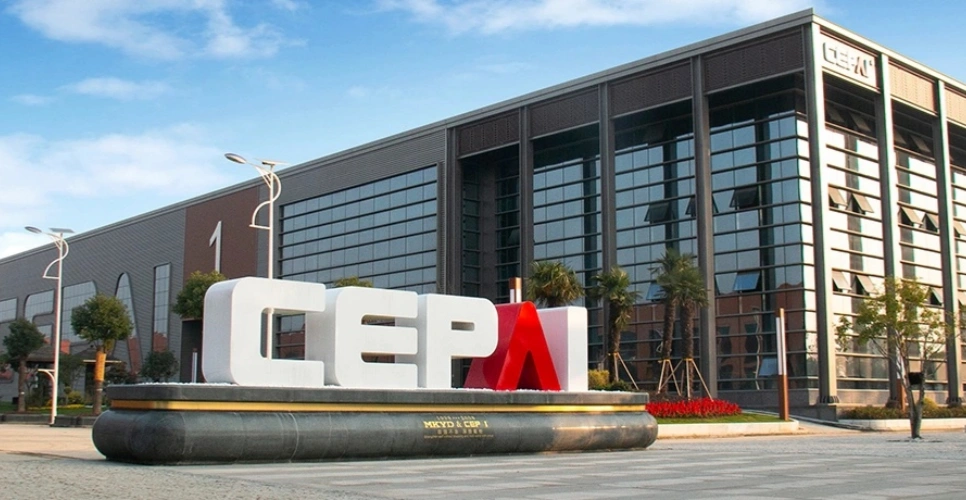
CEPAI Group has established itself as a leading manufacturer of high-performance ball valves specifically engineered for demanding steam applications. Our comprehensive product portfolio incorporates advanced materials, precision manufacturing, and rigorous quality control to ensure exceptional performance in high-temperature environments. Our engineering capabilities encompass the complete product development cycle from initial design through manufacturing and testing. The company's Jiangsu Provincial High-Performance Fluid Control Device Engineering Research Center enables continuous innovation in valve technology, with particular focus on steam system applications. Advanced manufacturing facilities utilize intelligent production lines that ensure consistent quality and precision across all product ranges. Quality assurance protocols exceed industry standards through comprehensive testing programs and certification to international standards including API 6D, ISO 9001, and CE marking. Each valve undergoes rigorous pressure testing, material verification, and dimensional inspection before shipment. Our CNAS-accredited laboratory facilities enable in-house testing and validation to ensure compliance with customer specifications and applicable standards. Technical support services provide expert guidance throughout the product selection and application process. Our engineering team works closely with customers to understand specific requirements and recommend optimal solutions based on operating conditions, performance criteria, and budget constraints. Comprehensive documentation packages include technical data sheets, installation guidelines, and maintenance recommendations to ensure successful implementation and long-term reliability.
Choose CEPAI for Your High-Temperature Steam Ball Valve Requirements
CEPAI stands ready to support your high-temperature steam system requirements with proven ball valve solutions that deliver exceptional performance and reliability. Our position as a national high-tech enterprise with extensive certifications and industry recognition demonstrates our commitment to excellence in valve manufacturing and customer service. Our intelligent manufacturing capabilities, including the longest high-precision production line in the Asia Pacific region, ensure consistent quality and rapid delivery to meet project schedules. As an established ball valve supplier with comprehensive certifications and proven performance in demanding applications, CEPAI offers the technical expertise and manufacturing excellence needed for critical steam system applications.
Whether you require standard configurations or customized solutions for unique operating conditions, our engineering team provides expert consultation to ensure optimal valve selection and system integration. Our comprehensive after-sales support includes installation guidance, commissioning assistance, and ongoing maintenance support to maximize equipment performance and service life. Contact our technical specialists today to discuss your specific requirements and discover how CEPAI's advanced ball valve solutions can enhance your steam system reliability and performance. For detailed product information and technical specifications, contact us at cepai@cepai.com. Additional resources and technical documentation are available at valveknowledge.jscepai.com to support your valve selection and procurement decisions.
Frequently Asked Questions
Q1: What temperature range can ball valves safely handle in steam applications?
A: High-quality ball valves designed for steam service can safely operate at temperatures up to 450°C (842°F) when manufactured from appropriate materials such as stainless steel or specialized alloys. Temperature capability depends on material selection, design features, and pressure conditions. CEPAI's steam-rated ball valves are engineered to handle extreme conditions while maintaining reliable sealing and operational integrity throughout their service life.
Q2: How do ball valves compare to gate valves for steam isolation service?
A: Ball valves offer superior performance compared to gate valves in steam applications due to their quarter-turn operation, reduced maintenance requirements, and better sealing reliability under thermal cycling. The rotary motion design eliminates binding issues common with gate valve wedges, while the ball-and-seat sealing arrangement provides more reliable shutoff capabilities. Ball valves also offer faster operation and require less maintenance over their service life.
Q3: What maintenance intervals are recommended for ball valves in high-temperature steam systems?
A: Maintenance intervals depend on operating conditions, but typical recommendations include quarterly visual inspections, semi-annual operational testing, and annual comprehensive maintenance including internal inspection and seal replacement as needed. High-temperature applications may require more frequent attention due to thermal stress effects. CEPAI provides detailed maintenance guidelines with each valve to optimize performance and service life based on specific operating conditions.
Conclusion
Ball valves represent an optimal choice for high-temperature steam applications when properly selected and manufactured to appropriate standards. Their robust design, reliable operation, and minimal maintenance requirements make them ideal for critical steam system installations across various industries. Success depends on careful attention to material selection, design specifications, and quality manufacturing processes.
CEPAI's commitment to excellence in valve manufacturing, combined with comprehensive technical support and proven performance in demanding applications, positions us as the preferred partner for your steam system valve requirements. Our advanced manufacturing capabilities and rigorous quality control ensure reliable products that meet the most stringent performance standards while providing exceptional value throughout their operational life.
References
1. Johnson, M.R., "Performance Evaluation of Ball Valves in High-Temperature Steam Applications," Journal of Valve Engineering, Vol. 45, No. 3, 2023, pp. 112-128.
2. American Society of Mechanical Engineers, "ASME B16.34 - Valves - Flanged, Threaded, and Welding End," ASME International, New York, 2022.
3. Peterson, L.K. and Williams, D.J., "Material Selection Guide for Steam Service Ball Valves," Industrial Valve Technology Quarterly, Vol. 28, No. 2, 2023, pp. 45-62.
4. International Organization for Standardization, "ISO 17292 - Metal ball valves for petroleum, petrochemical and allied industries," ISO Publications, Geneva, 2022.
5. Thompson, R.A., "Thermal Cycling Effects on Ball Valve Performance in Power Generation Applications," Power Engineering Review, Vol. 39, No. 4, 2023, pp. 78-95.
6. Zhang, H.L. and Kumar, S., "Comparative Analysis of Valve Types for High-Temperature Steam Systems," Process Industry Journal, Vol. 52, No. 1, 2024, pp. 23-41.
_1746598557316.webp)