Trunnion-mounted ball valves with stainless steel or specialty alloy construction represent the optimal choice for petrochemical pipeline systems. These high-performance ball valve solutions deliver exceptional durability under extreme operating conditions, including temperatures up to 1000°F and pressures exceeding 6000 PSI. Their robust design features fixed ball positioning that eliminates seat wear while providing reliable shutoff capabilities essential for handling corrosive hydrocarbons, acids, and volatile chemical compounds commonly found in petrochemical applications.
Understanding Critical Selection Factors for Petrochemical Ball Valves
A thorough assessment of operating factors and environmental constraints is necessary when choosing the right valve technology for petrochemical applications. Standard industrial valves are unable to sufficiently meet the special needs created by the extreme conditions inherent in these systems. Petrochemical facilities often have operating temperature ranges that are higher than typical industrial norms; some operations even reach temperatures higher than 800°F. Since many petrochemical systems work under pressures ranging from 600 PSI to over 6000 PSI, pressure requirements also necessitate robust engineering. Because of these harsh circumstances, certain building materials and methods are required to guarantee long-term dependability. Chemical compatibility presents another crucial consideration. Petrochemical fluids often contain corrosive compounds that can rapidly degrade inferior valve materials. Hydrogen sulfide, various acids, and hydrocarbon derivatives require specific material selections to prevent premature failure. The valve body, seats, and seals must demonstrate proven resistance to these aggressive media while maintaining their sealing integrity over extended service periods. Regulatory compliance adds another layer of complexity to valve selection. Petrochemical facilities must adhere to strict safety standards established by organizations such as the American Petroleum Institute (API), American Society of Mechanical Engineers (ASME), and International Organization for Standardization (ISO). These standards ensure that valve designs meet rigorous safety and performance requirements essential for protecting personnel and equipment.

Comprehensive Analysis of Ball Valve Types for Petrochemical Service
The petrochemical industry utilizes several distinct ball valve configurations, each offering specific advantages for different applications. Understanding these variations helps engineers select the most appropriate solution for their specific requirements. Here are the primary ball valve types used in petrochemical applications:
- Trunnion-Mounted Ball Valves: These designs feature a fixed ball supported by upper and lower trunnions, eliminating ball movement against the seats. This construction reduces operating torque by up to 50% compared to floating ball designs while providing superior sealing performance. The fixed ball position prevents seat wear, extending service life significantly in high-cycle applications. Trunnion-mounted valves handle pressures up to 6000 PSI and temperatures reaching 1000°F, making them ideal for critical petrochemical processes.
- Floating Ball Valves: In these designs, the ball moves slightly downstream under pressure, creating tight sealing contact with the outlet seat. While suitable for moderate pressure applications up to 1500 PSI, floating ball valves require higher operating torque and may experience increased seat wear in high-pressure service. They offer cost advantages for less demanding applications but may not provide the reliability required for critical petrochemical processes.
- Full Port Ball Valves: These valves feature internal passages matching the pipeline diameter, eliminating flow restrictions and pressure drops. This design proves particularly valuable in applications requiring maximum flow capacity or where inline inspection tools (pigs) must pass through the valve. The unrestricted flow path reduces turbulence and minimizes erosion potential in high-velocity applications.
- Reduced Port Ball Valves: While offering cost savings and compact designs, reduced port valves create flow restrictions that may not suit high-flow petrochemical applications. They work well in control applications where flow restriction helps regulate process conditions.
These diverse configurations allow engineers to optimize valve selection based on specific process requirements, balancing performance needs with economic considerations.
Material Selection and Performance Considerations
Material selection critically influences valve performance and longevity in petrochemical environments. The aggressive nature of petrochemical fluids demands careful consideration of metallurgy and material compatibility. Stainless steel grades such as 316L and 17-4 PH provide excellent corrosion resistance for many petrochemical applications. These materials demonstrate proven performance against hydrogen sulfide, various organic acids, and hydrocarbon compounds. Super duplex stainless steels offer enhanced strength and corrosion resistance for the most demanding applications. Specialty alloys including Inconel, Hastelloy, and Monel provide superior performance in extremely corrosive environments. These materials command higher initial costs but deliver extended service life and reduced maintenance requirements. The total cost of ownership often favors these premium materials in critical applications. Seat and seal materials require equal attention to ensure reliable performance. Polytetrafluoroethylene (PTFE) and modified PTFE compounds provide chemical resistance and sealing capability across wide temperature ranges. Metal seats using stainless steel or specialty alloys offer fire-safe performance and extended service life in high-temperature applications. CEPAI's advanced manufacturing capabilities utilize state-of-the-art metallurgical processes to ensure consistent material properties and optimal performance. Our quality control systems verify material composition and mechanical properties throughout the manufacturing process, ensuring each valve meets stringent petrochemical industry requirements.

Installation and Maintenance Best Practices
Proper installation and maintenance protocols significantly impact valve performance and service life in petrochemical applications. Following established procedures helps prevent premature failures and ensures safe operation. Installation procedures must address proper pipeline alignment, support structures, and torque specifications. Misalignment creates stress concentrations that can lead to premature seal failure or body cracking. Adequate pipeline support prevents external loads from affecting valve operation. Regular maintenance programs should include periodic inspections, lubrication schedules, and performance testing. Visual inspections help identify external leakage, corrosion, or mechanical damage before they become critical issues. Actuator lubrication maintains smooth operation and prevents excessive wear. Predictive maintenance technologies enhance traditional inspection methods by providing early warning of potential problems. Vibration analysis, temperature monitoring, and acoustic emission testing can detect developing issues before they result in unplanned shutdowns. CEPAI provides comprehensive technical support throughout the valve lifecycle, including installation guidance, maintenance training, and troubleshooting assistance. Our field service teams work directly with customers to optimize valve performance and extend service intervals.
Industry Standards and Certification Requirements
Petrochemical valve applications must comply with numerous industry standards and certification requirements that ensure safe and reliable operation. These standards address design, manufacturing, testing, and quality assurance processes. API standards provide fundamental requirements for petrochemical valve design and testing. API 6D establishes specifications for pipeline valves, including pressure-temperature ratings, materials, and testing procedures. API 607 defines fire testing requirements that ensure valves maintain their integrity during emergency fire conditions. ISO 9001 quality management systems ensure consistent manufacturing processes and product quality. Environmental management systems following ISO 14001 demonstrate commitment to sustainable manufacturing practices. Occupational health and safety management systems complying with ISO 45001 protect workers throughout the manufacturing process. CEPAI maintains comprehensive certification programs covering all major industry standards. Our quality management systems ensure consistent product performance while our testing facilities verify compliance with applicable standards. These certifications provide customers with confidence in our products' reliability and performance.
Choose CEPAI for Your Petrochemical Ball Valve Requirements
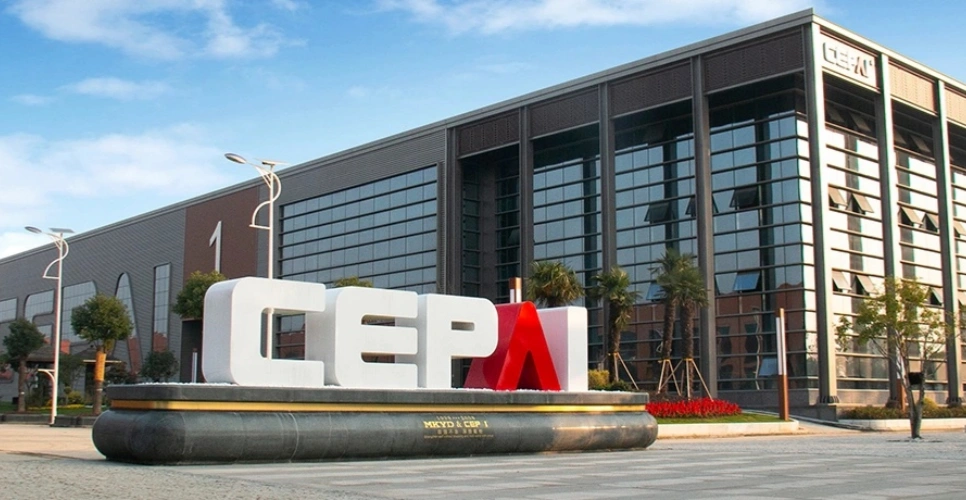
CEPAI stands as a leading ball valve manufacturer specializing in high-performance solutions for demanding petrochemical applications. Our extensive experience in valve design and manufacturing, combined with state-of-the-art production facilities, delivers superior products that exceed industry expectations. Our comprehensive product portfolio includes trunnion-mounted ball valves, floating ball designs, and specialty configurations tailored to specific petrochemical requirements. Each valve incorporates advanced materials and precision manufacturing techniques that ensure reliable performance under extreme operating conditions. The advantages of choosing CEPAI extend beyond product quality to encompass comprehensive technical support and customer service. Our engineering team provides detailed application analysis to ensure optimal valve selection for each specific requirement. Pre-sales technical consultation helps identify the most cost-effective solutions while our after-sales support ensures continued reliable operation. Our intelligent manufacturing capabilities, including the longest high-precision production line in the Asia Pacific region, enable consistent quality and efficient delivery schedules. Advanced testing equipment and comprehensive quality control systems verify performance before shipment, ensuring each valve meets customer specifications.
CEPAI's ball valve solutions incorporate cutting-edge technology and proven designs that deliver exceptional value for petrochemical applications. Our commitment to continuous innovation ensures our products remain at the forefront of valve technology. Experience the difference that professional-grade ball valve solutions can make in your petrochemical operations. Contact our technical specialists to discuss your specific requirements and discover how CEPAI can enhance your system performance and reliability. Reach out to contact us at cepai@cepai.com for detailed technical consultation and product information. For comprehensive valve knowledge and technical resources, visit valveknowledge.jscepai.com to access our extensive library of application guides and technical documentation.
Frequently Asked Questions
Q1: What pressure ratings are available for petrochemical ball valves?
A: Petrochemical ball valves are available in pressure ratings from ANSI Class 150 (approximately 285 PSI) up to Class 2500 (approximately 6250 PSI). Trunnion-mounted designs typically handle higher pressures more effectively than floating ball configurations due to their superior mechanical support and reduced operating torque requirements.
Q2: How do fire-safe ball valves protect petrochemical facilities?
A: Fire-safe ball valves incorporate secondary metal seats that engage when primary soft seats are damaged by fire. This design maintains sealing integrity during emergency conditions, preventing additional fuel from feeding fires. API 607 fire testing verifies this capability under standardized conditions that simulate actual fire scenarios.
Q3: What maintenance intervals are recommended for petrochemical ball valves?
A: Maintenance intervals depend on operating conditions, but typical recommendations include quarterly visual inspections, semi-annual performance testing, and annual detailed inspections. Harsh service conditions may require more frequent maintenance, while stable applications might extend intervals. Predictive maintenance technologies help optimize schedules based on actual valve condition.
Conclusion
Selecting the optimal ball valve for petrochemical pipeline systems requires careful consideration of operating conditions, material compatibility, and performance requirements. Trunnion-mounted ball valves with appropriate material selections provide the most reliable solution for demanding petrochemical applications. Their superior pressure handling, reduced operating torque, and extended service life make them the preferred choice for critical processes. CEPAI's comprehensive valve solutions, backed by advanced manufacturing capabilities and extensive industry experience, deliver the performance and reliability that petrochemical operations demand. Proper installation, maintenance, and adherence to industry standards ensure optimal valve performance throughout extended service periods.
References
1. American Petroleum Institute. "Specification for Pipeline Valves." API 6D Standard, 24th Edition, 2019.
2. Smith, Robert J., and Johnson, Michael K. "Materials Selection for Petrochemical Valve Applications." Journal of Petroleum Technology, Vol. 45, No. 3, 2021, pp. 156-172.
3. International Organization for Standardization. "Industrial Valves - Ball Valves." ISO 17292:2015 Standard, 2015.
4. Williams, Sarah P. "Fire-Safe Valve Design and Testing for Petrochemical Applications." Chemical Engineering Progress, Vol. 118, No. 7, 2022, pp. 34-41.
5. American Society of Mechanical Engineers. "Boiler and Pressure Vessel Code Section VIII." ASME BPVC-VIII-1-2021, 2021.
6. Davis, Thomas R., et al. "Predictive Maintenance Strategies for Industrial Valve Systems." Process Safety Progress, Vol. 40, No. 2, 2021, pp. 89-103.
_1746598557316.webp)