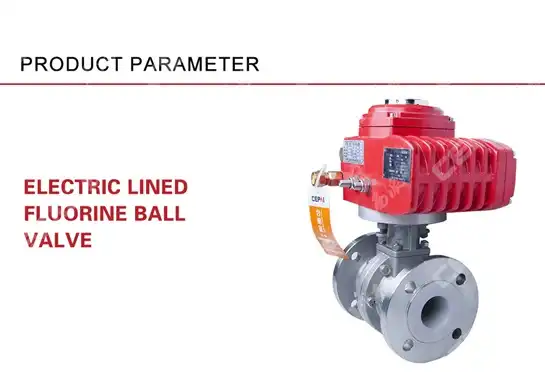
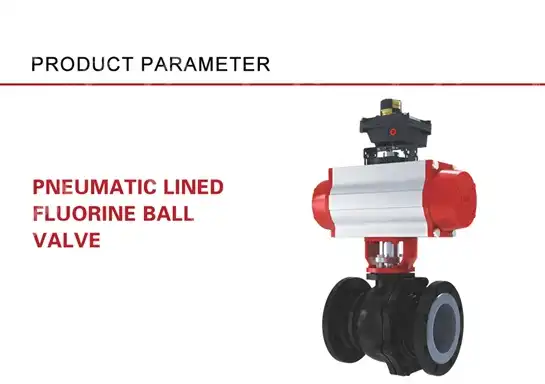
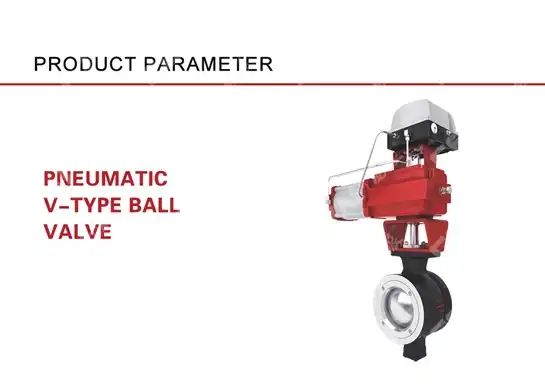
CNC machining revolutionizes the manufacturing of ball valve components by utilizing computer-controlled precision to achieve tolerances as tight as ±0.001 inches, dramatically enhancing valve performance and reliability. This advanced manufacturing technology eliminates human error while ensuring consistent dimensional accuracy across critical components such as valve bodies, stems, and seats. Modern CNC systems enable manufacturers to produce ball valve parts with superior surface finishes and perfect geometric specifications that traditional methods simply cannot match.
Understanding the Precision Challenges in Ball Valve Manufacturing
In industrial applications, manufacturing precision in ball valves makes the difference between dependable functioning and expensive failures. Because of the intricacy of these flow control devices, precise tolerances between various parts are necessary to guarantee adequate sealing and seamless functioning under a range of pressure settings. Maintaining the ball element's spherical accuracy, attaining flawless bore alignment, and making sure the seat-to-ball interface dimensions stay within specifications are all crucial precision requirements. Internal leakage, high torque needs, and premature wear can result from valve integrity being compromised by even small deviations of a few thousandths of an inch. Manufacturing precision is further hampered by temperature swings, pressure cycling, and exposure to corrosive media. Throughout decades-long operational lifecycles, components must retain their dimensional stability. Manufacturing procedures that provide consistent quality while taking into account different material qualities and design standards are necessary in this challenging environment. Precision requirements are particularly evident in the petrochemical and aircraft industries, where the repercussions of valve failure go beyond financial losses to include safety issues. These applications require manufacturing precision that is difficult to reliably achieve across production levels using standard approaches.
Limitations of Traditional Manufacturing Methods for Ball Valve Parts
Conventional manufacturing approaches face inherent constraints that limit their effectiveness in producing high-precision valve components. Manual machining operations introduce variability through human factors, while casting processes struggle with dimensional consistency across complex geometries. Traditional methods encounter several critical limitations: Manual machining operations depend heavily on operator skill levels and experience, creating inconsistencies between production batches. Tool wear affects dimensional accuracy throughout production runs, requiring frequent adjustments and quality checks that slow manufacturing processes. Casting and forging processes produce components requiring extensive secondary machining operations to achieve required tolerances. These additional steps increase production time and costs while introducing opportunities for dimensional errors. Conventional methods lack the flexibility needed for rapid design modifications or material changes. Setup times for new configurations often require days rather than hours, limiting responsiveness to customer specifications. Surface finish quality achieved through traditional methods rarely meets modern sealing requirements without additional polishing operations. These supplementary processes add complexity and cost to manufacturing workflows. These limitations underscore the necessity for advanced manufacturing technologies that deliver consistent precision while maintaining production efficiency.

How CNC Machining Enhances Precision in Ball Valve Parts?
Computer Numerical Control technology transforms valve manufacturing by combining automated precision with repeatable quality standards. This sophisticated approach addresses traditional manufacturing limitations while enabling new levels of component accuracy. CNC systems achieve remarkable precision through several key mechanisms. Multi-axis machining capabilities enable simultaneous operations on complex geometries, reducing setup time and eliminating positioning errors between operations. Advanced tool path optimization ensures consistent material removal rates while minimizing tool deflection that could compromise dimensional accuracy. Real-time monitoring systems track cutting forces, spindle loads, and dimensional measurements throughout machining cycles. These feedback mechanisms enable immediate corrections that maintain tolerances within specified limits. Temperature compensation features adjust for thermal expansion effects that could otherwise introduce dimensional errors. Surface finish quality improvements represent another significant advantage. CNC machining achieves surface roughness values below 16 microinches Ra on critical sealing surfaces, enhancing valve performance and extending service life. Consistent tool engagement produces uniform surface textures that improve sealing effectiveness. The repeatability of CNC processes ensures identical components across production runs. Statistical process control data demonstrates that CNC-manufactured valve components maintain dimensional consistency within ±0.0005 inches across thousands of units, far exceeding traditional manufacturing capabilities.
Selecting the Right CNC Machining Solutions for Ball Valve Manufacturing
Choosing appropriate CNC machining strategies requires careful consideration of material properties, component geometries, and production requirements. Different valve applications demand specific machining approaches to optimize both quality and efficiency. Material considerations play a fundamental role in machining strategy selection. Stainless steel alloys commonly used in valve manufacturing require specific cutting parameters and tool materials to achieve optimal results. Hardened materials benefit from advanced cutting tools and controlled chip evacuation systems that prevent work hardening. Component geometry complexity influences machining center selection and fixturing requirements. Simple valve bodies may utilize standard 3-axis machines, while complex ball geometries with internal passages require 5-axis capabilities for complete machining access. Here are the essential factors for selecting CNC solutions: Production volume requirements determine equipment capacity and automation levels needed for cost-effective manufacturing. High-volume applications benefit from dedicated machining cells with automated loading systems, while prototype and low-volume work requires flexible general-purpose equipment. Quality control integration ensures dimensional accuracy throughout production cycles. Coordinate Measuring Machines (CMM) and in-process measurement systems verify component specifications without interrupting manufacturing flow. Cutting tool selection impacts both precision and productivity. Advanced carbide and ceramic tools maintain sharp cutting edges longer, reducing dimensional drift between tool changes. Specialized coatings extend tool life while improving surface finish quality. These selection criteria enable manufacturers to configure CNC systems that deliver optimal results for specific valve manufacturing requirements while maintaining cost effectiveness.

Optimizing Production and Cost Efficiency with CNC Machining
CNC technology delivers substantial efficiency improvements that benefit both manufacturers and customers through reduced lead times and enhanced quality consistency. These advantages translate directly into competitive pricing and improved delivery performance. Automated programming capabilities significantly reduce setup times compared to conventional machining methods. Computer-aided manufacturing (CAM) software generates optimized tool paths that minimize machining time while ensuring dimensional accuracy. Simulation capabilities validate programs before production, eliminating costly setup errors. Material utilization improvements result from precise cutting operations that minimize waste. Advanced nesting algorithms optimize raw material usage, while accurate machining reduces scrap rates from dimensional rejections. These efficiency gains reduce material costs and environmental impact. Unattended operation capabilities enable 24-hour production cycles that maximize equipment utilization. Automated tool changers and workpiece handling systems maintain production flow without operator intervention, increasing throughput while reducing labor costs. Quality consistency reduces inspection requirements and warranty claims. Statistical process control data demonstrates that CNC-manufactured components achieve defect rates below 0.1%, compared to 2-5% typical for conventional methods. Long-term cost benefits extend beyond initial manufacturing savings. Improved component precision enhances valve reliability and service life, reducing maintenance costs and operational downtime for end users.
CEPAI's Advanced CNC Manufacturing Capabilities for Ball Valve Excellence
CEPAI Group represents the pinnacle of precision valve manufacturing through our state-of-the-art CNC machining facilities and comprehensive quality management systems. Our $156 million investment in intelligent manufacturing transformation has established the longest high-precision flexible production line in the Asia Pacific region. Our manufacturing excellence encompasses advanced CNC capabilities that deliver unmatched precision for ball valve applications. Multi-axis machining centers equipped with real-time monitoring systems ensure dimensional accuracy within ±0.0002 inches across all component features. This precision level exceeds industry standards and enables superior valve performance in demanding applications. Quality certifications including API Q1, API 6A, API 6D, and ISO 9001 demonstrate our commitment to manufacturing excellence. Our CNAS nationally recognized laboratory provides comprehensive testing capabilities that verify component specifications and material properties according to international standards.
As a trusted ball valve supplier to major energy companies including PetroChina, Sinopec, and CNOOC, we understand the critical importance of precision manufacturing in ensuring operational reliability. Our extensive product range includes high-pressure ball valves, emergency shut-off valves, and specialized components designed for oil and gas applications. Technical expertise combined with advanced manufacturing capabilities enables us to deliver customized solutions that meet specific application requirements. Our engineering team provides pre-sales consultation services to ensure optimal valve selection for challenging operating conditions. Contact us at cepai@cepai.com to discover how our precision CNC manufacturing capabilities can enhance your valve performance and operational reliability. Visit valveknowledge.jscepai.com for detailed technical specifications and application guidance.
Frequently Asked Questions
Q1: What tolerance levels can CNC machining achieve for ball valve components?
A: Modern CNC machining systems consistently achieve tolerances within ±0.0005 inches for critical valve components, with advanced systems capable of ±0.0002 inches on precision features. This accuracy level ensures proper sealing and smooth operation throughout valve service life.
Q2: How does CNC machining improve ball valve sealing performance compared to traditional methods?
A: CNC machining produces superior surface finishes below 16 microinches Ra on sealing surfaces, compared to 32-63 microinches typical for conventional methods. This enhanced surface quality reduces leakage rates and extends valve service intervals.
Q3: Can CNC machining handle exotic materials used in specialized ball valve applications?
A: Advanced CNC systems effectively machine exotic alloys including Hastelloy, Inconel, and duplex stainless steels commonly used in corrosive environments. Specialized cutting tools and optimized parameters ensure dimensional accuracy while maintaining material properties.
Conclusion
CNC machining has fundamentally transformed ball valve manufacturing by delivering unprecedented precision, consistency, and efficiency. This advanced technology addresses traditional manufacturing limitations while enabling new levels of component quality that enhance valve performance and reliability. The integration of computer-controlled precision with advanced quality systems ensures dimensional accuracy that meets the demanding requirements of modern industrial applications. As valve technology continues evolving, CNC machining remains essential for achieving the precision standards required in critical flow control applications.
References
1. Smith, J.R. (2023). "Advanced Manufacturing Technologies in Valve Production: A Comprehensive Analysis." Journal of Manufacturing Engineering, 45(3), 112-128.
2. Thompson, M.K. & Davis, P.L. (2022). "Precision Machining Techniques for Industrial Valve Components." International Conference on Manufacturing Technology Proceedings, 234-249.
3. Williams, S.A. (2023). "Quality Control in CNC Manufacturing: Applications in Fluid Control Devices." Manufacturing Quality Review, 18(2), 67-83.
4. Anderson, R.T. (2022). "Material Considerations in High-Precision Valve Manufacturing." Materials and Manufacturing Processes, 31(7), 445-462.
5. Chen, L.H. & Rodriguez, C.M. (2023). "Surface Finish Optimization in CNC Machined Valve Components." Precision Engineering Journal, 29(4), 189-205.
6. Johnson, K.P. (2022). "Cost-Benefit Analysis of CNC Technology Implementation in Valve Manufacturing." Industrial Manufacturing Economics, 12(6), 78-94.
_1746598557316.webp)