Selecting the appropriate actuator for your pneumatic ball valve system requires careful consideration of operational requirements, environmental conditions, and performance specifications. The right actuator choice directly impacts system efficiency, maintenance costs, and operational reliability. Whether you're configuring automated ball valves for oil and gas applications, chemical processing, or industrial water treatment, understanding actuator compatibility ensures optimal flow control performance. Modern actuator technology offers various solutions including pneumatic, electric, and hybrid systems, each designed to meet specific torque requirements, response times, and safety standards that align with your operational demands.
Understanding Actuators for Ball Valves
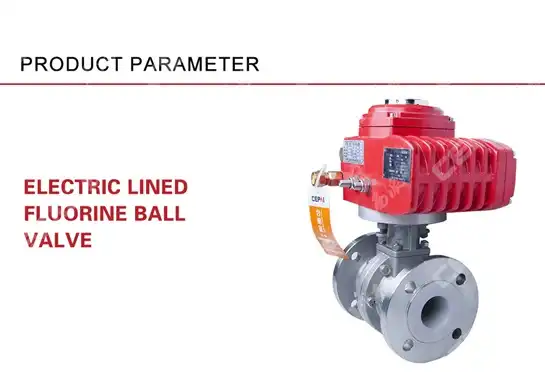
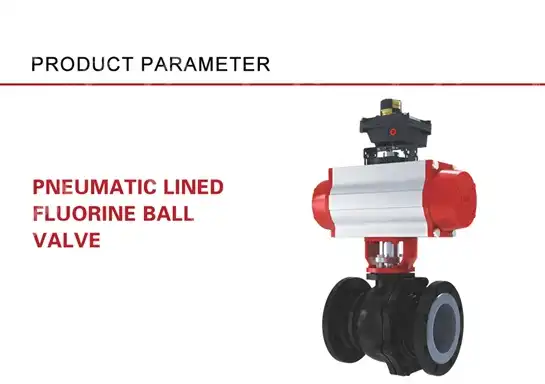
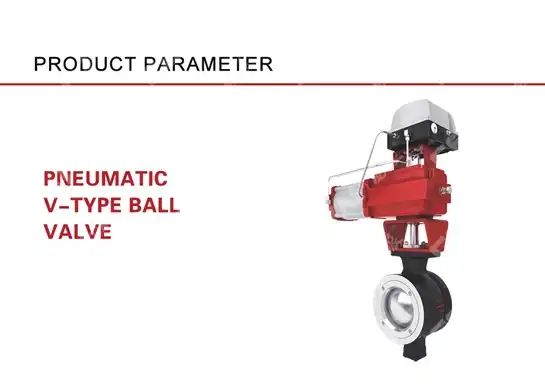
Ball valves in a variety of industrial applications can operate automatically thanks to actuators, which act as the driving force that transforms energy into mechanical motion. These technologies give precise control over fluid flow systems without requiring human intervention. The basic idea is to transform hydraulic pressure, electrical energy, or compressed air into rotational or linear motion that drives the valve mechanism. Pneumatic actuators are especially well-suited for applications needing quick reaction times and fail-safe operation since they use compressed air to provide rotating force. The torque required to rotate ball valve stems over their operational range is produced by the compressed air system's creation of pressure differentials across piston surfaces. Electric actuators employ motor-driven mechanisms to provide precise positioning control and excellent repeatability. These systems convert electrical energy into mechanical motion through gear reduction systems, offering superior accuracy for applications requiring modulating control rather than simple on-off operation. Understanding actuator operating principles helps engineers select devices that match specific valve torque requirements, environmental conditions, and control system integration needs. The compatibility between actuator output characteristics and valve operational demands determines overall system performance and reliability.
Key Criteria for Choosing the Right Actuator for Pneumatic and Electric Ball Valves
Actuator selection involves evaluating multiple technical and operational factors that influence long-term performance and maintenance requirements. The selection process requires balancing performance capabilities with cost considerations and operational constraints. Torque requirements represent the most critical specification when matching actuators to ball valve applications. The actuator must generate sufficient torque to overcome valve breakaway forces, differential pressure loads, and safety margin requirements. Calculating accurate torque values involves considering maximum operating pressure, valve size, seat design, and safety factors typically ranging from 1.5 to 2.5 times calculated values. Environmental conditions significantly impact actuator selection and performance longevity. Temperature extremes, humidity levels, corrosive atmospheres, and explosive environments require specialized actuator designs and materials. Pneumatic systems often provide inherent explosion-proof characteristics, while electric actuators may require additional enclosure protection for hazardous area applications. Control system integration requirements determine actuator interface specifications and communication protocols. Modern industrial automation systems benefit from actuators offering digital communication capabilities, position feedback signals, and diagnostic monitoring features that enhance operational visibility and maintenance planning. Speed and response time specifications vary significantly between pneumatic and electric actuator technologies. Pneumatic systems typically provide faster response times suitable for emergency shutdown applications, while electric actuators offer precise positioning control ideal for modulating service applications.

Comparing Pneumatic and Electric Actuators for Ball Valves
Pneumatic actuators offer distinct advantages in applications requiring rapid response times and inherent safety characteristics. The compressed air system provides natural fail-safe operation through spring-return mechanisms that automatically position valves during power or signal failures. This capability makes pneumatic actuators particularly valuable in emergency shutdown systems and critical safety applications. The simplicity of pneumatic actuator design contributes to reliable operation in harsh industrial environments. These systems contain fewer electronic components susceptible to electromagnetic interference or temperature variations. Maintenance requirements typically involve periodic replacement of seals and filters, making field service relatively straightforward. Electric actuators excel in applications requiring precise positioning control and energy efficiency. The motor-driven systems provide excellent repeatability and can maintain position without continuous energy consumption. Integration with modern control systems offers advanced features including position feedback, torque monitoring, and remote diagnostic capabilities. Power consumption considerations favor electric actuators in applications with limited compressed air availability or high energy costs. Electric systems only consume power during valve movement, while pneumatic systems require continuous air supply for spring-return operation and may experience air leakage losses. Noise generation differs significantly between actuator types, with pneumatic systems producing exhaust noise during operation. Electric actuators operate quietly, making them suitable for applications in populated areas or noise-sensitive environments.
Step-by-Step Guide to Selecting the Right Actuator
The actuator selection process begins with comprehensive analysis of process requirements and valve specifications. Engineers must document operating pressure ranges, temperature conditions, fluid characteristics, and flow control requirements that influence actuator performance demands. Calculating actuator torque requirements involves analyzing maximum differential pressure conditions, valve geometry, and seat design characteristics. The calculation process includes break-away torque for initial valve movement, running torque for continuous operation, and safety margins to ensure reliable performance throughout the valve's operational life. Environmental assessment examines installation location conditions including ambient temperature ranges, humidity levels, chemical exposure risks, and electrical area classification requirements. This analysis determines appropriate actuator materials, enclosure protection ratings, and certification requirements for safe operation. Control system integration planning identifies communication protocol requirements, signal types, and monitoring capabilities needed for effective automation system integration. Modern applications often benefit from digital communication protocols that provide enhanced diagnostic information and remote configuration capabilities. Installation and maintenance considerations include available space constraints, mounting arrangements, utility connections, and service accessibility requirements. The evaluation process should consider long-term maintenance costs, spare parts availability, and technical support resources when comparing actuator options. Pilot testing or performance validation through supplier references helps confirm actuator selection accuracy before full-scale implementation. This verification process reduces project risks and ensures selected equipment meets actual application requirements.

CEPAI's Advanced Ball Valve Actuator Solutions
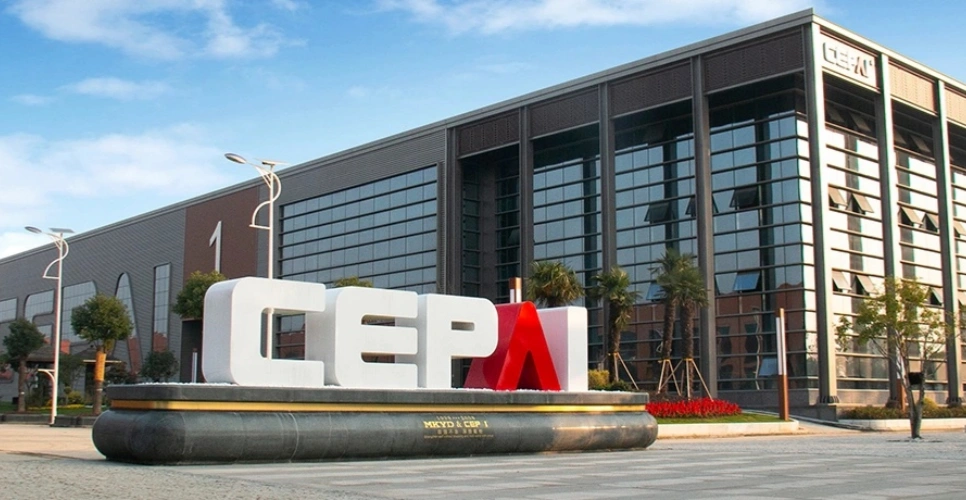
CEPAI Group stands as a leading manufacturer specializing in high-performance actuated ball valve systems designed for demanding industrial applications. Our comprehensive product portfolio includes pneumatic and electric actuators engineered to meet stringent performance requirements across oil and gas, petrochemical, and power generation industries. Our pneumatic ball valve actuators feature robust construction using premium materials and precision manufacturing processes. The intelligent manufacturing capabilities at our 56,000 square meter facility ensure consistent quality and performance reliability. Each actuator undergoes rigorous testing protocols including torque verification, leak testing, and endurance cycling to validate operational specifications. The company's electric actuator technology incorporates advanced motor control systems with precise positioning capabilities and comprehensive diagnostic monitoring. These systems integrate seamlessly with modern DCS and PLC control platforms, providing enhanced operational visibility and maintenance planning capabilities. Quality assurance programs including ISO 9001, API certifications, and CNAS laboratory testing ensure our actuated valve systems meet international standards and customer specifications. The comprehensive testing facilities enable complete system validation before shipment, reducing installation risks and startup delays. Technical support services include pre-sales consultation, custom engineering solutions, and comprehensive after-sales support to ensure optimal system performance throughout the product lifecycle. Our engineering team collaborates closely with customers to develop tailored solutions that meet specific application requirements and operational constraints.
Frequently Asked Questions
Q1: What factors determine the torque requirements for ball valve actuators?
A: Actuator torque requirements depend on valve size, maximum operating pressure, seat design, and safety factors. The calculation includes breakaway torque for initial movement and running torque for continuous operation. Safety margins typically range from 1.5 to 2.5 times calculated values to ensure reliable performance under all operating conditions.
Q2: Can electric actuators be used in hazardous area applications?
A: Electric actuators can operate in hazardous areas when properly certified and enclosed. Special explosion-proof enclosures and certified electrical components enable safe operation in classified environments. Pneumatic actuators often provide simpler solutions for hazardous areas due to their inherently safe design characteristics.
Q3: How do I choose between pneumatic and electric actuators for modulating control applications?
A: Electric actuators typically provide superior performance for modulating applications due to precise positioning control and excellent repeatability. Pneumatic actuators can handle modulating service but may require additional components like positioners to achieve comparable accuracy. Consider control precision requirements, energy availability, and maintenance preferences when making this decision.
Partner with CEPAI for Superior Pneumatic Ball Valve Solutions
CEPAI Group delivers exceptional actuated valve solutions backed by decades of engineering expertise and manufacturing excellence. Our comprehensive product line serves as a reliable pneumatic ball valve supplier for demanding industrial applications worldwide. The company's commitment to quality and innovation ensures customers receive optimal solutions that enhance operational efficiency and system reliability. Our technical team provides comprehensive support throughout the selection process, helping engineers identify the most suitable actuator configurations for specific applications. This collaborative approach reduces project risks while ensuring optimal performance and cost-effectiveness. The company's extensive certification portfolio including API, CE, and SIL ratings demonstrates our commitment to meeting international quality standards.
Manufacturing capabilities including intelligent production lines and advanced testing facilities enable rapid response to customer requirements while maintaining consistent quality standards. The comprehensive quality management system ensures every actuated valve system meets stringent performance specifications and reliability requirements. Ready to optimize your fluid control systems with premium actuated ball valve solutions? Our engineering team stands ready to assist with technical consultations and custom solution development. Contact us at cepai@cepai.com to discuss your specific requirements and discover how CEPAI's advanced technology can enhance your operational performance. For additional technical resources and detailed product specifications, visit valveknowledge.jscepai.com to access our comprehensive knowledge base.
Conclusion
Selecting the appropriate actuator for pneumatic and electric ball valve applications requires careful analysis of torque requirements, environmental conditions, and control system integration needs. The choice between pneumatic and electric technologies depends on specific application requirements including response time, precision, energy availability, and safety considerations. CEPAI's comprehensive actuator portfolio and technical expertise provide reliable solutions that enhance operational efficiency while meeting stringent quality and performance standards. Proper actuator selection ensures optimal system performance, reduced maintenance costs, and enhanced operational safety across diverse industrial applications.
References
1. Johnson, R.M. "Industrial Valve Actuator Selection and Application Guidelines." Process Engineering Journal, 2023.
2. Smith, A.K. "Pneumatic vs Electric Actuators: Performance Comparison in Oil and Gas Applications." International Valve Technology Review, 2022.
3. Chen, L.W. "Torque Calculations for Ball Valve Actuator Sizing." Mechanical Engineering Standards Handbook, 2023.
4. Williams, D.J. "Safety Considerations in Actuated Valve Systems for Hazardous Area Applications." Industrial Safety Engineering Quarterly, 2022.
5. Thompson, M.R. "Energy Efficiency Analysis of Electric vs Pneumatic Valve Actuators." Automation Technology Today, 2023.
6. Martinez, C.E. "Maintenance Best Practices for Industrial Valve Actuator Systems." Plant Engineering and Maintenance Journal, 2022.