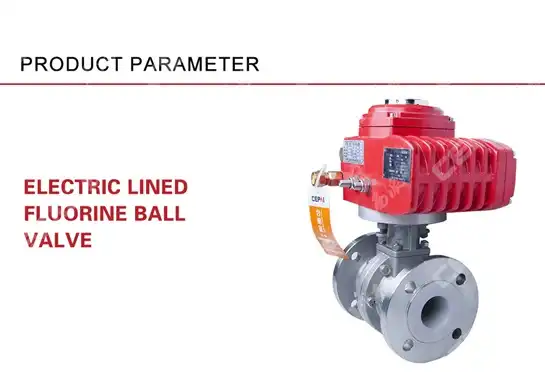
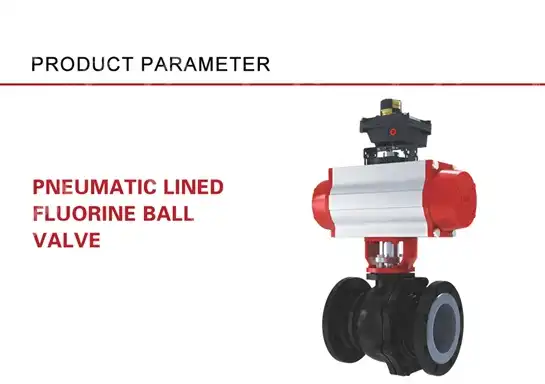
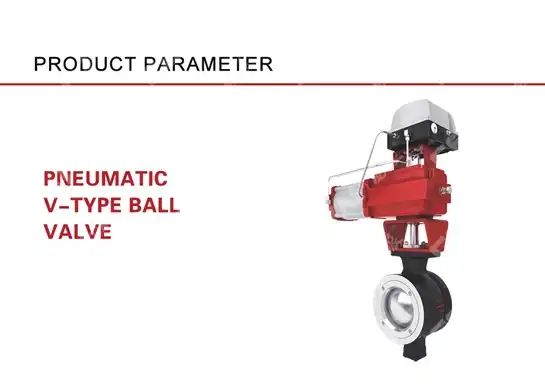
Smart actuators integrate with electric ball valve systems through sophisticated electronic interfaces that enable precise positioning, real-time feedback, and automated control capabilities. These advanced automation components connect to the valve shaft through mechanical coupling systems while utilizing communication protocols like Modbus, HART, or Profibus to interface with control networks. Modern Electric Ball Valve systems equipped with smart actuators can provide continuous position feedback, torque monitoring, and diagnostic data that transforms traditional on-off valve operations into intelligent fluid control solutions capable of remote monitoring and predictive maintenance.
Understanding Electric Ball Valve Systems and Smart Actuators
Electric ball valve systems are a cornerstone technology in industrial automation, using a revolving sphere with a bore to control fluid flow with extreme precision. Because of their dependable sealing qualities and longevity under harsh operating conditions, these tough control devices have received extensive usage in the petrochemical, water treatment, and industrial industries. The essential design includes a spherical closure piece that rotates 90 degrees to attain complete open or closed states. When combined with electric actuators, these valves can function remotely and without physical intervention, ensuring consistent performance in dangerous or inaccessible situations. Traditional electric actuators provide basic positioning control, however smart actuators take functionality to new heights. Smart actuators distinguish themselves through embedded microprocessors, advanced sensor arrays, and communication interfaces that enable two-way data exchange with supervisory control systems. Unlike conventional actuators that simply receive open-close commands, intelligent variants continuously monitor valve position, operating torque, and environmental conditions while providing detailed diagnostic information to maintenance teams. These sophisticated devices incorporate position feedback sensors, temperature monitoring, and vibration analysis capabilities that support predictive maintenance strategies. The integration creates intelligent valve assemblies capable of self-diagnostics, adaptive control, and seamless integration with Industrial Internet of Things (IIoT) platforms.
Technical Integration: How Smart Actuators Work with Electric Ball Valves
The technical integration process requires careful attention to mechanical compatibility, electrical interfaces, and communication protocols. Smart actuators connect to valve stems through precision-machined coupling assemblies that ensure accurate torque transmission and eliminate backlash that could compromise positioning accuracy. Mounting configurations vary based on valve size and application requirements, with options including direct-mount designs for compact installations and bracket-mounted systems for larger valves. The mechanical interface must accommodate thermal expansion, vibration, and operational stresses while maintaining precise alignment between actuator and valve components. Here are the essential technical considerations for successful integration:
- Torque Matching: Smart actuators must provide sufficient torque to overcome valve breakaway forces, fluid pressure differentials, and seat friction under all operating conditions. Proper torque calculation prevents premature actuator failure and ensures reliable valve operation throughout the service life.
- Communication Protocols: Modern smart actuators support multiple digital communication standards including Modbus RTU, Foundation Fieldbus, and HART protocols that enable seamless integration with distributed control systems and plant-wide automation networks.
- Power Supply Requirements: Integration requires compatible electrical supply voltages and current ratings, with many smart actuators offering universal input capabilities that accommodate various international power standards and reduce installation complexity.
- Environmental Protection: Proper enclosure ratings ensure reliable operation in corrosive, explosive, or extreme temperature environments common in industrial applications, with many smart actuators featuring IP67 or NEMA 4X protection levels.
These technical specifications work together to create robust valve automation systems capable of precise control and extended operational reliability. The integration process benefits from comprehensive documentation and professional engineering support to optimize performance parameters. Advanced smart actuators incorporate fail-safe mechanisms that automatically position valves to predetermined safe states during power failures or communication interruptions. This capability proves essential in critical applications where valve position directly impacts process safety and equipment protection.

Benefits and Challenges of Using Smart Actuators in Electric Ball Valve Systems
Smart actuator integration delivers substantial operational advantages that justify investment costs through improved efficiency, reduced maintenance requirements, and enhanced process control capabilities. These intelligent systems provide continuous monitoring that enables proactive maintenance scheduling and prevents unexpected failures that could disrupt production operations. The primary benefits include enhanced positioning accuracy with repeatability tolerances often exceeding ±0.1 degrees, real-time diagnostic capabilities that identify developing problems before catastrophic failures occur, and energy optimization features that reduce operating costs through intelligent power management algorithms. Remote monitoring capabilities allow operators to track valve performance from centralized control rooms, reducing the need for field inspections and enabling rapid response to changing process conditions. Smart actuators can automatically adjust control parameters based on process feedback, maintaining optimal performance as operating conditions evolve. However, implementing smart actuator technology presents certain challenges that require careful planning and execution. Integration complexity increases with sophisticated communication networks and software configuration requirements that demand specialized technical expertise during installation and commissioning phases. Initial capital costs typically exceed traditional actuator solutions, though total cost of ownership calculations generally favor smart actuators due to reduced maintenance expenses, improved energy efficiency, and extended service life. Compatibility concerns may arise when retrofitting existing valve installations, particularly with older valve designs that lack standardized mounting interfaces. Training requirements increase for maintenance personnel who must understand digital communication protocols, software configuration procedures, and advanced diagnostic techniques. Organizations must invest in skill development to fully realize the benefits of intelligent valve automation systems.
Comparing Smart Electric Ball Valve Actuators with Traditional Alternatives
Smart electric actuators offer significant advantages over pneumatic and manual valve operations, particularly in applications requiring precise control, remote operation, and comprehensive monitoring capabilities. Performance comparisons reveal distinct operational benefits that influence technology selection decisions across various industrial sectors. Pneumatic actuators require compressed air systems that consume significant energy and introduce potential reliability issues through air quality contamination, pressure fluctuations, and leak development. Smart electric actuators eliminate these concerns while providing superior positioning accuracy and control responsiveness that pneumatic systems cannot match. Energy consumption analysis demonstrates that smart electric actuators consume power only during positioning movements, whereas pneumatic systems continuously consume compressed air to maintain valve position. This difference results in substantial energy savings over the operational lifetime, particularly for valves that operate infrequently or maintain fixed positions for extended periods. Manual valve operation presents safety risks in hazardous environments and limits operational flexibility when valves are installed in remote or difficult-to-access locations. Smart actuated ball valves enable safe remote operation while providing precise control that human operators cannot consistently achieve. Response time comparisons show smart electric actuators can achieve full stroke positioning in seconds with precise intermediate positioning capabilities, while manual operations depend on operator availability and may require significant time for complex multi-valve sequences. The automation enables rapid process adjustments that improve product quality and operational efficiency. Maintenance requirements differ significantly between technologies, with smart actuators providing continuous self-monitoring that predicts component wear and schedules maintenance during planned outages. Traditional manual valves require periodic inspections that may not identify developing problems until failures occur, potentially causing unexpected production disruptions.

Practical Guidance for Procurement: Sourcing Smart Actuated Electric Ball Valves
Successful procurement requires comprehensive evaluation of supplier capabilities, product specifications, and long-term support commitments that ensure reliable valve performance throughout the operational lifecycle. Quality manufacturers demonstrate expertise through extensive certification portfolios, proven track records, and comprehensive technical support services. Vendor qualification should emphasize manufacturing capabilities, quality management systems, and international compliance certifications that validate product reliability and performance standards. Established manufacturers typically maintain ISO 9001 quality systems, API certifications, and industry-specific approvals that demonstrate commitment to excellence. Product selection criteria must address specific application requirements including pressure ratings, temperature limits, flow characteristics, and control accuracy specifications. Smart actuator features vary significantly between manufacturers, with advanced models offering enhanced diagnostic capabilities, communication options, and integration flexibility that justify premium pricing. Here are critical procurement considerations for smart actuated valve systems:
- Certification Requirements: Verify compliance with relevant industry standards including API, ANSI, and IEC specifications that govern valve design, actuator performance, and safety system integration for specific applications and geographic markets.
- Technical Support: Evaluate manufacturer capabilities for application engineering, installation assistance, commissioning support, and ongoing technical consultation that ensures optimal system performance and rapid problem resolution.
- Delivery Capabilities: Assess production capacity, inventory management, and logistics networks that support project schedules, particularly for large-scale installations requiring coordinated deliveries and staged implementations.
- Warranty Coverage: Compare warranty terms, service coverage, and replacement part availability that protect long-term investments and minimize lifecycle costs through comprehensive manufacturer support programs.
These procurement factors contribute to successful project outcomes and long-term operational satisfaction. Professional manufacturers provide detailed documentation, application guidance, and training programs that support successful implementation and optimize system performance. Cost considerations should encompass total ownership expenses including initial purchase price, installation costs, training requirements, and ongoing maintenance expenses. Smart actuated valve systems typically demonstrate favorable return on investment through operational efficiency improvements, reduced maintenance costs, and enhanced process control capabilities.
CEPAI Smart Actuated Electric Ball Valve Solutions
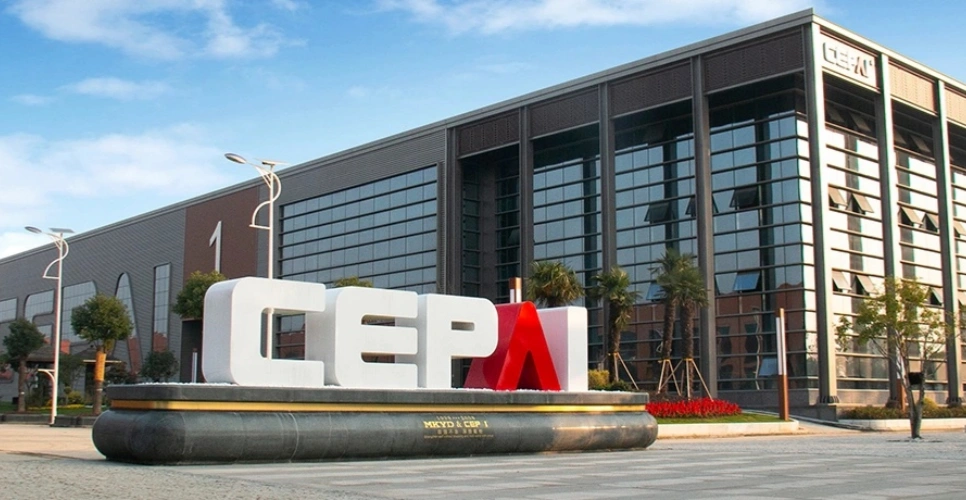
CEPAI Group specializes in advanced smart actuated valve systems that combine precision engineering with cutting-edge automation technology to deliver exceptional performance in demanding industrial applications. Our comprehensive product portfolio encompasses a complete range of electric ball valves integrated with intelligent actuators designed for seamless automation integration. Our manufacturing capabilities include state-of-the-art production facilities utilizing advanced CNC machining centers, automated assembly systems, and comprehensive testing equipment that ensures consistent quality and reliability. The 156-million-yuan investment in intelligent manufacturing has established the longest high-precision production line in the Asia Pacific region, demonstrating our commitment to technological excellence. Quality assurance programs include extensive material analysis, dimensional verification, and performance testing that validate product specifications and operational reliability. Our ISO 9001, ISO 14001, and ISO 45001 certifications, along with API qualifications and SIL certifications, demonstrate adherence to international quality standards and safety requirements. Technical innovation drives our product development through dedicated research centers including the Jiangsu Province Fluid Control Engineering Technology Research Center and High-Performance Fluid Control Device Engineering Research Center. These facilities support continuous improvement and advanced technology development that maintains our competitive advantage.
Customization capabilities enable tailored solutions for specific application requirements, including specialized materials, unique mounting configurations, and custom control algorithms that optimize performance for particular operating conditions. Our engineering team collaborates with customers to develop optimal valve automation solutions that meet exact specifications. Global service support includes technical consultation, installation assistance, commissioning support, and comprehensive training programs that ensure successful system implementation and long-term operational success. Remote monitoring capabilities enable proactive support and rapid problem resolution that minimizes operational disruptions.
Frequently Asked Questions
Q1: What maintenance advantages do smart actuators provide for electric ball valve systems?
A: Smart actuators continuously monitor operational parameters including torque, position, temperature, and vibration levels that enable predictive maintenance strategies. This monitoring capability identifies developing problems before failures occur, allowing maintenance scheduling during planned outages rather than emergency repairs that disrupt production operations.
Q2: Can smart actuators be retrofitted to existing electric ball valve installations?
A: Many smart actuators feature standardized mounting interfaces that enable retrofitting to existing valve installations. However, successful retrofitting requires verification of mechanical compatibility, electrical supply requirements, and communication network capabilities to ensure proper integration and optimal performance.
Q3: What communication protocols do smart actuators typically support for system integration?
A: Modern smart actuators commonly support Modbus RTU, HART, Foundation Fieldbus, and Profibus communication protocols that enable integration with various control systems. Many advanced models offer multiple protocol options that provide flexibility for different automation architectures and future system upgrades.
Partner with CEPAI for Advanced Electric Ball Valve Solutions
CEPAI delivers comprehensive smart actuated valve solutions that transform industrial fluid control through advanced automation technology and precision engineering. Our extensive experience serving major clients including PetroChina, Sinopec, and CNOOC demonstrates proven capabilities in demanding applications across petrochemical, power generation, and manufacturing sectors. Smart actuated systems from CEPAI combine exceptional durability with high-precision control performance that optimizes process efficiency and reduces operational costs. Our investment in research and development, supported by multiple engineering research centers and CNAS-accredited laboratories, ensures continuous innovation and technological advancement.
As a leading Electric Ball Valve manufacturer, we provide comprehensive technical consultation, customized solutions, and global logistics support that streamline procurement and ensure project success. Our quality management systems and extensive certifications validate product reliability and performance standards that meet international requirements. Experience the advantages of intelligent valve automation through CEPAI's advanced smart actuated systems. Our technical experts provide personalized consultation, detailed product specifications, and competitive pricing that delivers exceptional value for critical applications. Contact us at cepai@cepai.com to discuss your automation requirements and discover how our solutions can enhance your operational efficiency. Explore our complete valve automation portfolio and technical resources at valveknowledge.jscepai.com for comprehensive information about smart actuated valve systems and application guidance that supports informed decision-making for your automation projects.
Conclusion
Smart actuator integration with electric ball valve systems represents a significant advancement in industrial automation that delivers enhanced control precision, operational efficiency, and maintenance optimization. The technology combines mechanical reliability with intelligent monitoring capabilities that transform traditional valve operations into sophisticated control elements capable of autonomous operation and predictive maintenance.
Successful implementation requires careful attention to technical specifications, supplier qualifications, and integration requirements that ensure optimal performance and long-term reliability. The investment in smart actuated valve systems typically demonstrates favorable returns through reduced operational costs, improved process control, and enhanced safety capabilities that justify the initial capital expenditure.
References
1. Industrial Automation and Control Systems Institute. "Smart Actuator Technologies in Fluid Control Applications." Process Control Engineering Journal, 2023.
2. International Society of Automation. "Integration Protocols for Intelligent Valve Actuators in Industrial Networks." Automation Standards Publication, 2022.
3. American Petroleum Institute. "Recommended Practices for Smart Actuator Implementation in Oil and Gas Operations." API Technical Report 1847, 2023.
4. Process Industries Association. "Predictive Maintenance Strategies for Automated Valve Systems." Industrial Maintenance Technology Review, 2022.
5. International Electrotechnical Commission. "Safety Requirements for Smart Actuators in Process Control Applications." IEC Technical Standard 61508-2, 2023.
6. Valve Manufacturers Association. "Performance Comparison Study: Smart Electric vs. Traditional Pneumatic Actuators." VMA Research Publication 157, 2022.
_1746598557316.webp)