Valve manufacturers design ball valves for high-temperature environments through a comprehensive approach that prioritizes material selection, innovative sealing technologies, and specialized manufacturing processes. The design process begins with selecting heat-resistant alloys such as stainless steel grades 316 and 321, or high-performance materials like Inconel and Hastelloy that maintain structural integrity under extreme thermal conditions. Engineers incorporate advanced seat materials including graphite, PEEK, or metal-to-metal sealing configurations to ensure reliable performance. The Ball Valve design also features thermal expansion compensation mechanisms, enhanced body geometries, and specialized coatings that prevent galling and oxidation at elevated temperatures.
Understanding the Challenges of High-Temperature Ball Valve Applications
The performance and durability of valves can be greatly impacted by the special operational problems that high temperatures provide. During the design phase, manufacturers must handle a number of key concerns that arise when typical valve components are exposed to increased temperatures. For high-temperature valve applications, thermal expansion continues to be the biggest obstacle. Metallic components expand at varying rates as temperatures rise, which may result in binding, leakage, or total operational failure. Because uneven expansion might result in gaps that jeopardize sealing integrity, the ball and seat interface becomes more vulnerable. Material degradation poses another serious concern in high-heat environments. Standard elastomeric seals and soft seat materials begin deteriorating rapidly when exposed to temperatures exceeding their design limits. This degradation manifests as hardening, cracking, or complete disintegration of sealing elements, leading to internal leakage and reduced flow control accuracy. Oxidation and corrosion accelerate dramatically at elevated temperatures, particularly in the presence of moisture or corrosive media. These chemical reactions can cause surface roughening, dimensional changes, and weakening of critical valve components. The stem and packing area becomes especially susceptible to these effects, potentially resulting in external leakage or stem seizure. Understanding these thermal-related failure modes enables engineers to develop targeted solutions that maintain operational reliability in demanding industrial applications such as petrochemical processing, power generation, and high-temperature manufacturing processes.
Key Design Principles for Ball Valves in High-Temperature Conditions
Successful high-temperature valve design relies on fundamental engineering principles that address thermal challenges while maintaining operational performance. These design strategies form the foundation for reliable valve operation in extreme heat conditions. Material selection represents the cornerstone of high-temperature valve design. Engineers prioritize alloys with excellent thermal stability and resistance to temperature-induced stress. Stainless steel grades such as 316L and 321 offer superior performance in moderate high-temperature applications, while exotic materials like Inconel 625 and Hastelloy C-276 excel in extreme conditions exceeding 800°F. Seat design innovations play a crucial role in maintaining sealing integrity under thermal stress. Traditional soft seats give way to specialized configurations that can withstand heat exposure. Here are the primary seat design approaches for high-temperature service:
Metal-to-metal sealing systems eliminate elastomeric components entirely, relying on precisely machined surfaces that maintain contact under thermal expansion. These configurations typically feature hard-faced ball and seat surfaces with controlled surface finish specifications that ensure reliable sealing while accommodating thermal growth. Spring-energized seals combine metallic flexibility with positive sealing force, maintaining contact pressure as temperatures fluctuate. The spring mechanism compensates for thermal expansion differences between components while providing consistent sealing performance throughout the operating temperature range. Graphite seat materials offer excellent thermal stability and self-lubricating properties that prevent galling under high-temperature conditions. These carbon-based materials maintain flexibility while resisting oxidation and chemical attack in demanding service environments. These advanced sealing technologies enable valve manufacturers to deliver solutions that maintain tight shutoff capabilities while withstanding the thermal stresses inherent in high-temperature applications. Structural design modifications accommodate thermal expansion through careful engineering of component interfaces and clearances. Floating ball configurations allow the ball to move slightly within the valve body, maintaining seat contact as thermal expansion occurs. Trunnion-mounted designs provide mechanical support while enabling controlled thermal movement through precision-engineered clearances.
Comparing Ball Valve Types for High-Temperature Applications
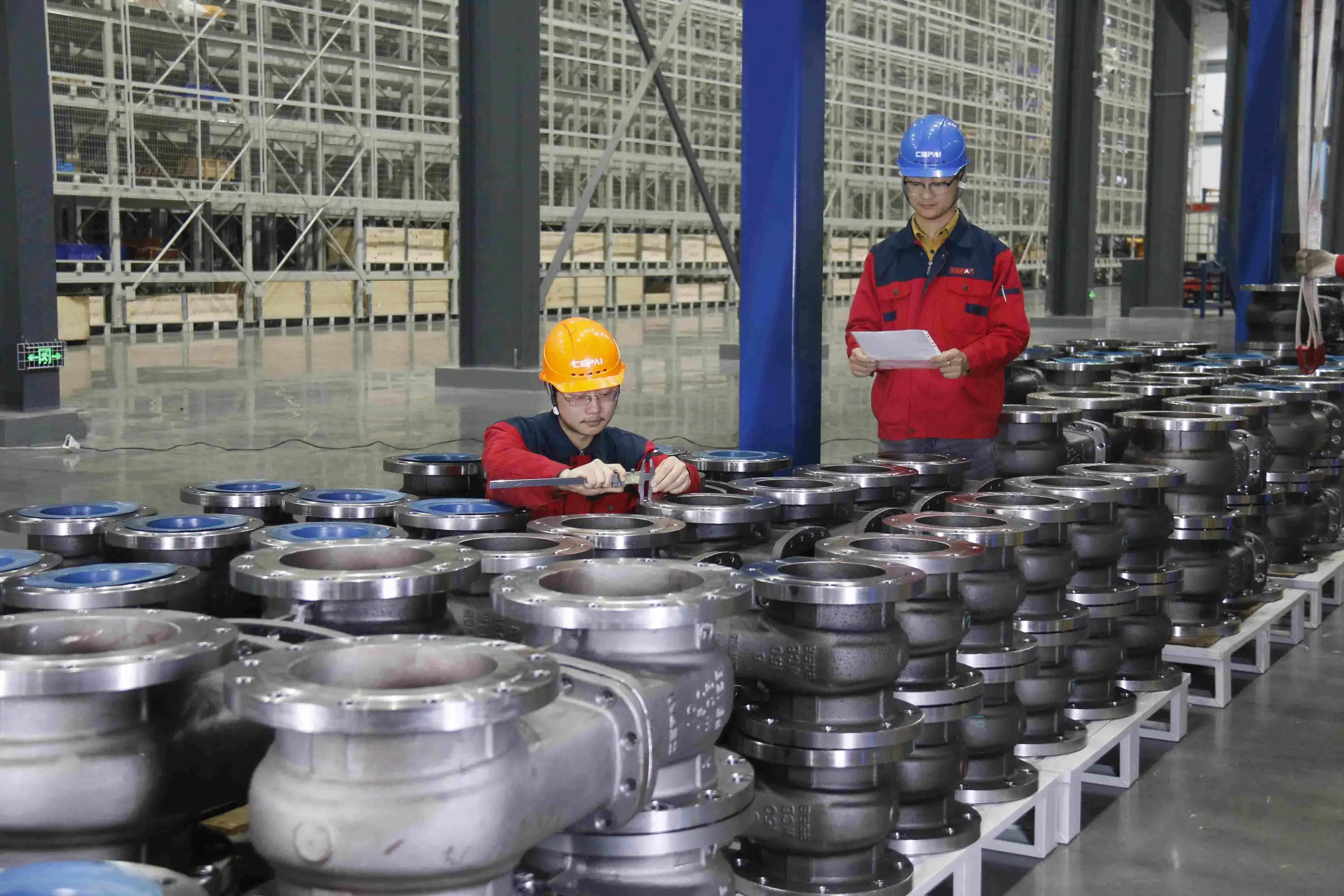
Different ball valve configurations offer distinct advantages when operating in high-temperature environments. Understanding these differences enables proper selection for specific application requirements. Floating ball designs provide excellent sealing performance in moderate high-temperature applications through their self-centering mechanism. As line pressure increases, the ball moves downstream against the outlet seat, creating positive sealing force. This configuration works effectively in temperatures up to 450°F with appropriate material selection, making it suitable for many industrial heating and process applications. Trunnion-mounted ball valves excel in high-pressure, high-temperature service where floating designs reach their operational limits. The mechanical support provided by upper and lower trunnions reduces stress on seat materials while enabling larger valve sizes to operate reliably. These designs typically handle temperatures exceeding 600°F while maintaining precise flow control and reliable sealing. Full port configurations minimize pressure drop and turbulence, reducing the risk of erosion and cavitation that can be exacerbated at high temperatures. The unrestricted flow path prevents localized heating that might occur in reduced port designs, contributing to overall system thermal management. Three-piece body construction facilitates maintenance and allows for thermal expansion accommodation through segmented design. The separable body components can expand independently while maintaining structural integrity and sealing performance. This design also enables field servicing without complete valve removal, reducing maintenance downtime in critical high-temperature systems. Side-entry ball valves offer superior access for maintenance and repair in high-temperature installations. The removable side plate allows inspection and replacement of internal components without disturbing pipeline connections, which proves particularly valuable in high-temperature systems where thermal cycling may accelerate component wear.
Case Studies: Successful High-Temperature Ball Valve Designs in Industry
Real-world applications demonstrate the effectiveness of specialized high-temperature valve designs across various industrial sectors. These case studies illustrate how proper engineering approaches deliver reliable performance in demanding thermal environments. A major petrochemical facility successfully implemented custom stainless steel ball valves with graphite seats in their high-temperature cracking unit. Operating at sustained temperatures of 750°F, these valves maintained tight shutoff capabilities for over three years without requiring seat replacement. The graphite seat material provided excellent thermal stability while the 316SS body construction resisted oxidation and thermal stress cracking. Power generation applications showcase the reliability of trunnion-mounted designs in steam service. A combined-cycle power plant installed specialty ball valves with spring-energized metal seats in their superheated steam lines operating at 900°F and 1200 PSI. The valves demonstrated exceptional cycling performance, completing over 50,000 operation cycles while maintaining leak-tight sealing and precise flow control. The food processing industry presents unique high-temperature challenges combining sanitary requirements with thermal performance. A large-scale food sterilization facility deployed sanitary ball valves featuring PEEK seats and 316L electropolished surfaces for steam sterilization processes at 275°F. These valves met both FDA compliance requirements and thermal performance specifications while providing reliable service in frequent thermal cycling applications. Chemical manufacturing operations require valves that withstand both high temperatures and aggressive media. A specialty chemical producer installed Hastelloy ball valves with metal-to-metal seats in their reactor temperature control systems. Operating at 650°F with corrosive process media, these valves maintained operational integrity for over two years while providing precise temperature control through modulating service capability.
Maintenance Tips and Procurement Considerations for High-Temperature Ball Valves
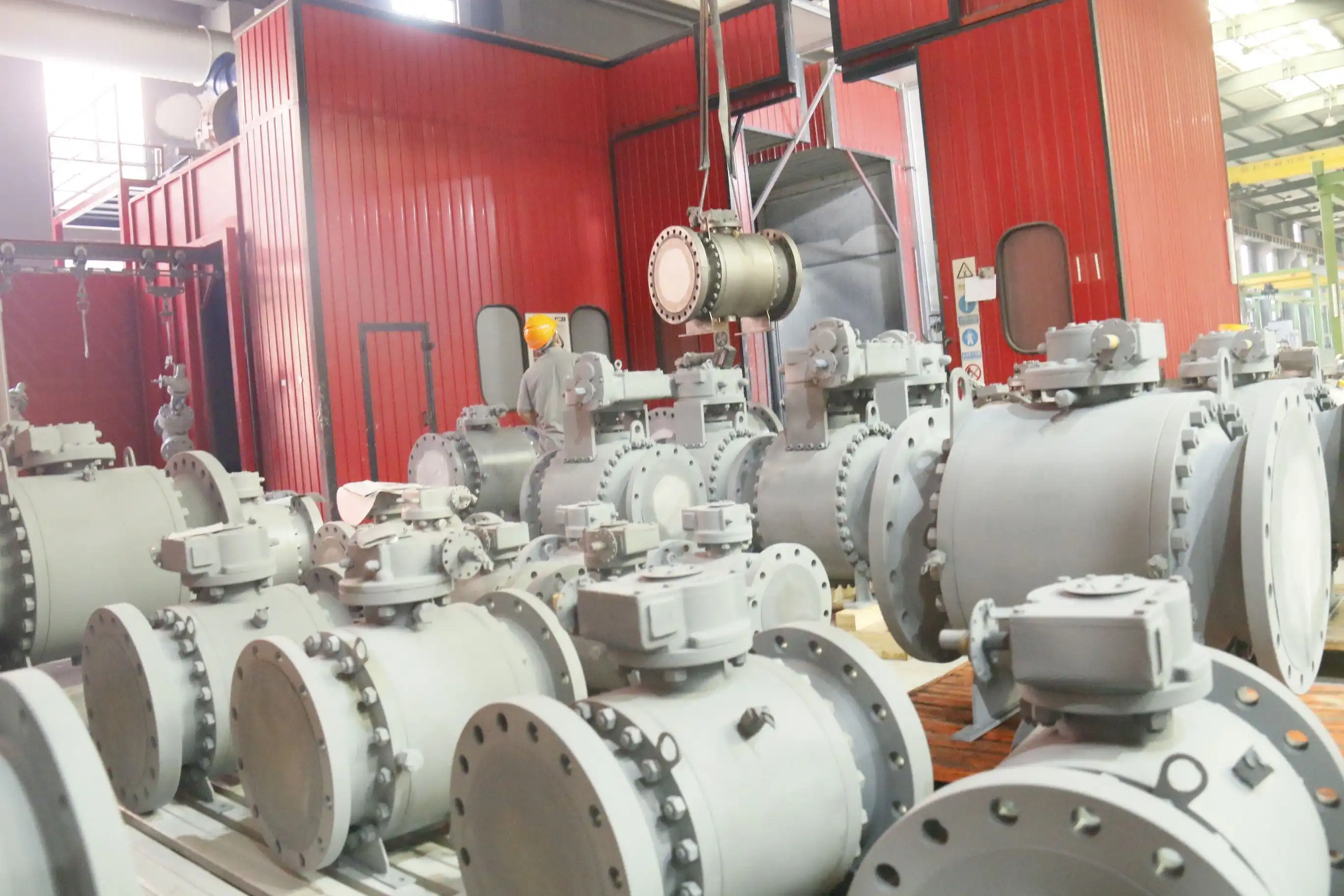
Proper maintenance practices and informed procurement decisions directly impact the performance and longevity of high-temperature valve installations. These considerations help ensure optimal return on investment while maintaining operational reliability. Regular thermal cycling inspection programs identify potential issues before they result in valve failure. Operators should monitor for signs of seat wear, stem packing deterioration, and body distortion that may indicate thermal stress beyond design limits. Implementing predictive maintenance techniques such as thermal imaging and vibration analysis helps detect developing problems in high-temperature valve applications. Lubrication requirements change significantly in high-temperature service. Standard lubricants break down rapidly at elevated temperatures, requiring specialized high-temperature greases or dry lubricants such as molybdenum disulfide. Proper lubrication prevents galling and seizure while extending component life in thermal cycling applications.
When procuring high-temperature ball valves, emphasis should be placed on manufacturer certifications and proven thermal performance data. Suppliers should provide comprehensive material certifications, thermal cycle testing results, and application-specific performance validation. Quality management systems such as ISO 9001 and industry-specific certifications like API 6D ensure consistent manufacturing standards. Engineering support capabilities become crucial when specifying high-temperature valves for critical applications. Manufacturers with dedicated thermal analysis capabilities and application engineering expertise can provide customized solutions that meet specific performance requirements. This technical support proves invaluable during both initial specification and ongoing operational optimization. Total cost of ownership considerations extend beyond initial purchase price to include maintenance frequency, spare parts availability, and operational reliability. High-quality valves with proven thermal performance typically deliver lower lifecycle costs through reduced maintenance requirements and extended service intervals, justifying higher initial investment costs.
Frequently Asked Questions
Q1: What temperature range defines high-temperature service for ball valves?
A: High-temperature service typically begins around 400°F where standard elastomeric seals start degrading. Extreme high-temperature applications can exceed 1000°F, requiring specialized materials and design approaches. Most industrial high-temperature applications fall between 450°F and 800°F, where material selection and seat design become critical factors.
Q2: How do metal-to-metal seats perform compared to soft seats in high-temperature applications?
A: Metal-to-metal seats provide superior temperature resistance and longevity but may have slightly higher leakage rates compared to soft seats under normal conditions. They excel in temperatures above 450°F where soft seats would fail rapidly. The trade-off involves accepting minor leakage for reliable long-term performance in extreme thermal conditions.
Q3: What maintenance intervals are recommended for high-temperature ball valves?
A: Maintenance intervals depend on operating temperature, cycling frequency, and media characteristics. Generally, valves in continuous high-temperature service require inspection every 6-12 months, while thermal cycling applications may need quarterly attention. Predictive maintenance techniques can optimize these intervals based on actual valve condition.
Partner with CEPAI for Superior High-Temperature Ball Valve Solutions
Industrial facilities requiring reliable high-temperature valve performance benefit from partnering with experienced manufacturers who understand the complexities of thermal valve design. CEPAI Group combines advanced engineering capabilities with proven manufacturing excellence to deliver Ball Valve solutions that exceed performance expectations in demanding thermal environments. Our comprehensive approach to high-temperature valve design incorporates cutting-edge materials science, precision manufacturing, and rigorous quality control processes. With ISO 9001, API 6D, and numerous other industry certifications, CEPAI maintains the quality standards essential for critical high-temperature applications. Our engineering team provides dedicated technical support throughout the specification, installation, and maintenance phases, ensuring optimal valve performance.
CEPAI's intelligent manufacturing capabilities include advanced thermal testing facilities and material analysis laboratories that validate performance before delivery. Our extensive product range encompasses standard and custom high-temperature configurations designed for petrochemical, power generation, and industrial process applications. Whether you need a reliable Ball Valve supplier for ongoing projects or specialized engineering support for challenging applications, CEPAI delivers solutions that combine technical excellence with competitive value.
Take advantage of our comprehensive pre-sales technical consultation services and custom solution capabilities. Contact us at cepai@cepai.com to discuss your high-temperature valve requirements with our application engineering specialists. Visit valveknowledge.jscepai.com for detailed technical resources and product specifications that support informed procurement decisions.
Conclusion
High-temperature ball valve design requires sophisticated engineering approaches that address thermal expansion, material degradation, and sealing challenges inherent in extreme heat environments. Successful designs incorporate advanced materials, specialized sealing technologies, and structural modifications that maintain reliable performance throughout demanding thermal cycling operations. The selection between floating and trunnion-mounted configurations, combined with appropriate seat materials and body designs, determines long-term operational success. Proper maintenance practices and informed procurement decisions ensure optimal performance while minimizing lifecycle costs. Industrial facilities benefit from partnering with experienced manufacturers who provide comprehensive technical support and proven high-temperature valve solutions.
References
1. Smith, J.R., "Advanced Materials for High-Temperature Valve Applications," Industrial Valve Technology Journal, Vol. 45, No. 3, 2023, pp. 78-92.
2. Anderson, M.K. and Thompson, L.S., "Thermal Stress Analysis in Ball Valve Design," Proceedings of the International Valve Engineering Conference, 2022, pp. 156-171.
3. Williams, P.D., "Metal-to-Metal Sealing Systems for Extreme Temperature Service," High-Performance Valves Quarterly, Vol. 28, No. 2, 2023, pp. 34-48.
4. Chen, H.L., "Failure Analysis of High-Temperature Ball Valves in Petrochemical Applications," Process Safety and Materials Engineering, Vol. 67, 2022, pp. 203-218.
5. Rodriguez, C.M., "Comparative Study of Seat Materials in High-Temperature Ball Valve Service," Materials Science for Industrial Applications, Vol. 15, No. 4, 2023, pp. 89-105.
6. Kumar, S.P. and Johnson, R.T., "Thermal Expansion Compensation Techniques in Industrial Valve Design," Mechanical Engineering Research Annual, Vol. 52, 2022, pp. 267-281.
_1746598568348.webp)