When dealing with corrosive fluids in industrial applications, selecting the appropriate sealing materials for Ball Valve systems becomes critical for operational success. The most suitable sealing materials for corrosive fluid applications include PTFE (Polytetrafluoroethylene), PEEK (Polyether Ether Ketone), specialized elastomers like EPDM, and advanced metal seals. Each material offers distinct advantages depending on the specific corrosive environment, temperature range, and pressure requirements. Understanding these material properties ensures optimal valve performance, reduced maintenance costs, and enhanced safety in challenging chemical processing environments.
Understanding Corrosive Fluids and Their Impact on Ball Valve Sealing
Corrosive fluids present unique challenges that can significantly compromise valve sealing integrity if not properly addressed. These aggressive chemicals attack conventional sealing materials through various mechanisms, creating potential safety hazards and operational disruptions.
What Constitutes Corrosive Fluids in Industrial Applications?
Corrosive fluids encompass a broad spectrum of chemicals commonly encountered in industrial processes. Strong acids like hydrochloric acid, sulfuric acid, and nitric acid represent one category, while caustic solutions including sodium hydroxide and potassium hydroxide form another significant group. Organic solvents, chlorinated compounds, and oxidizing agents also fall under this classification. These fluids exhibit aggressive properties characterized by low or high pH values, reactive chemical structures, and the ability to break down molecular bonds in conventional materials. The chemical characteristics that make these fluids corrosive include ionic strength, oxidation potential, and molecular reactivity. Temperature amplifies these effects, accelerating chemical reactions and increasing the rate of material degradation. Understanding fluid properties such as concentration, operating temperature, and chemical compatibility becomes essential for proper seal selection.
Common Issues Caused by Incompatible Sealing Materials
Predictable failure patterns result from the use of improper sealing materials in corrosive environments. The sealing ingredient may enlarge, split, harden, or completely dissolve as a result of seal degradation. Internal leaks, exterior fugitive emissions, and possible safety accidents are the outcomes of these failures. The operational ramifications go beyond the immediate expenses of replacing seals. Production schedules are disrupted by unplanned downtime, and contamination concerns jeopardize environmental compliance and product quality. Specialized safety procedures are frequently needed for emergency repairs in corrosive services, which raises both direct costs and indirect operating effects.
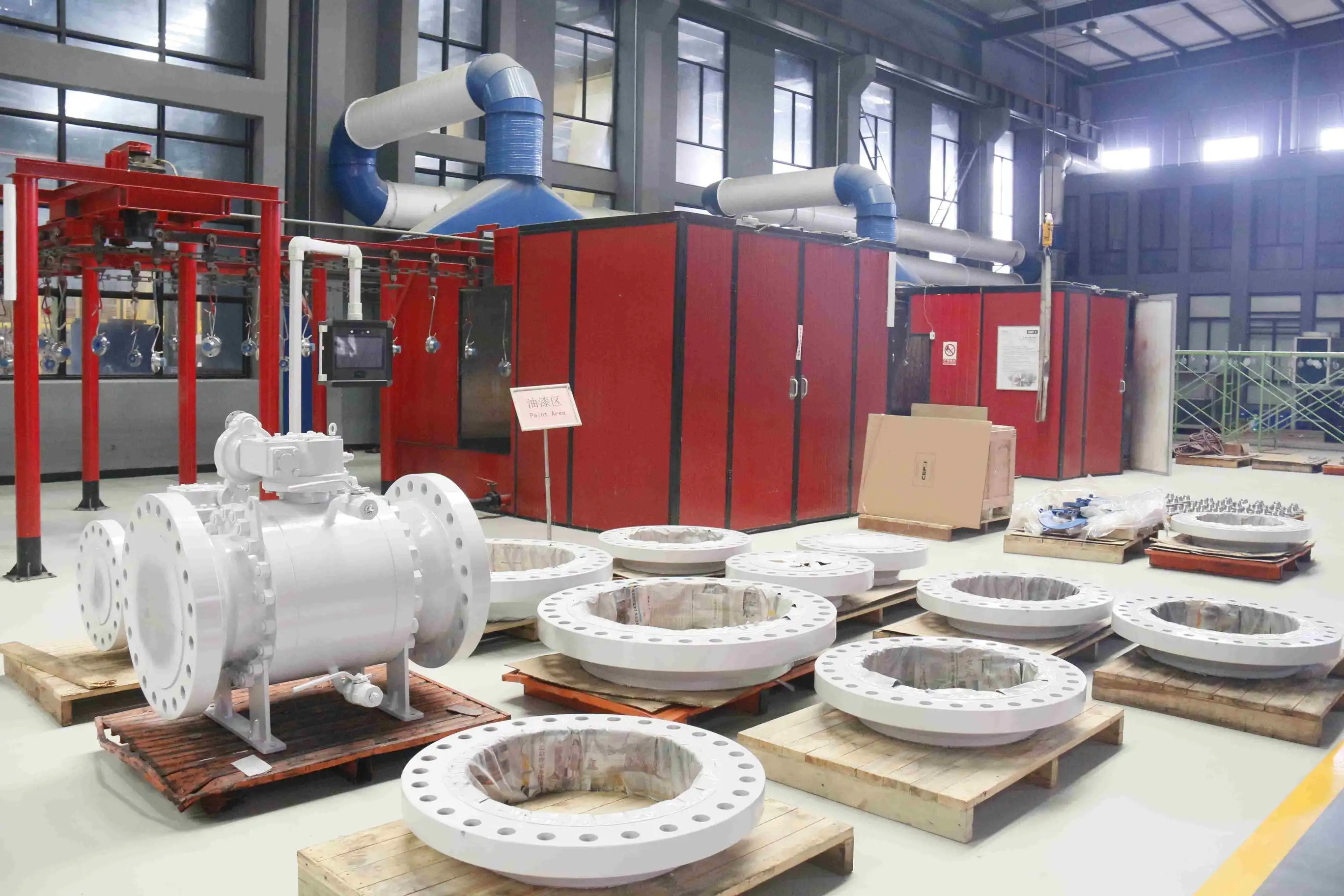
Key Sealing Materials for Corrosive Fluid Ball Valves: Properties and Suitability
Modern industrial applications demand sealing materials that combine chemical resistance with mechanical performance. The following materials represent proven solutions for corrosive service applications, each offering specific advantages for different operating conditions.
PTFE (Polytetrafluoroethylene) - The Industry Standard
PTFE remains the benchmark sealing material for corrosive applications due to its exceptional chemical inertness. This fluoropolymer resists virtually all chemicals except molten alkali metals and elemental fluorine at elevated temperatures. PTFE maintains its sealing properties across a temperature range from -200°C to 260°C, making it suitable for diverse industrial processes. The material's low friction coefficient and non-stick properties contribute to smooth valve operation and reduced torque requirements. However, PTFE exhibits limitations under high-pressure applications where cold flow and creep become concerns. Modified PTFE formulations incorporating fillers like glass fiber or carbon address these mechanical limitations while preserving chemical resistance.
PEEK (Polyether Ether Ketone) - High Performance under Harsh Conditions
PEEK offers superior mechanical strength compared to PTFE while maintaining excellent chemical resistance. This engineering thermoplastic withstands temperatures up to 250°C continuously and demonstrates exceptional resistance to hydrolysis, making it ideal for steam and hot water applications. PEEK seals exhibit minimal creep and maintain dimensional stability under high-pressure conditions. The material's resistance to organic solvents, acids, and bases makes it particularly valuable in chemical processing environments. PEEK's ability to maintain sealing force under thermal cycling conditions ensures consistent performance throughout extended service intervals.
EPDM (Ethylene Propylene Diene Monomer) and Other Elastomers
Elastomeric sealing materials provide cost-effective solutions for specific corrosive applications. EPDM demonstrates excellent resistance to acids, alkalis, and polar solvents while maintaining elasticity across a wide temperature range. This synthetic rubber performs well in applications involving dilute acids, caustic solutions, and steam service. Specialized elastomers like Kalrez (perfluoroelastomer) and Chemraz offer enhanced chemical resistance for aggressive environments. These materials combine the sealing characteristics of elastomers with chemical resistance approaching that of PTFE, though at significantly higher costs.
Metal Seals and Composite Seals
Metal sealing systems provide solutions for extreme temperature and pressure applications where polymer materials reach their limits. Inconel, Hastelloy, and other superalloys offer excellent corrosion resistance combined with mechanical strength. Metal seals typically require higher seating forces and precision machining but provide reliable service in demanding applications. Composite sealing systems combine multiple materials to optimize performance characteristics. Metal-clad polymer seals utilize a metallic outer shell to contain a softer sealing element, providing both chemical resistance and reliable sealing contact.
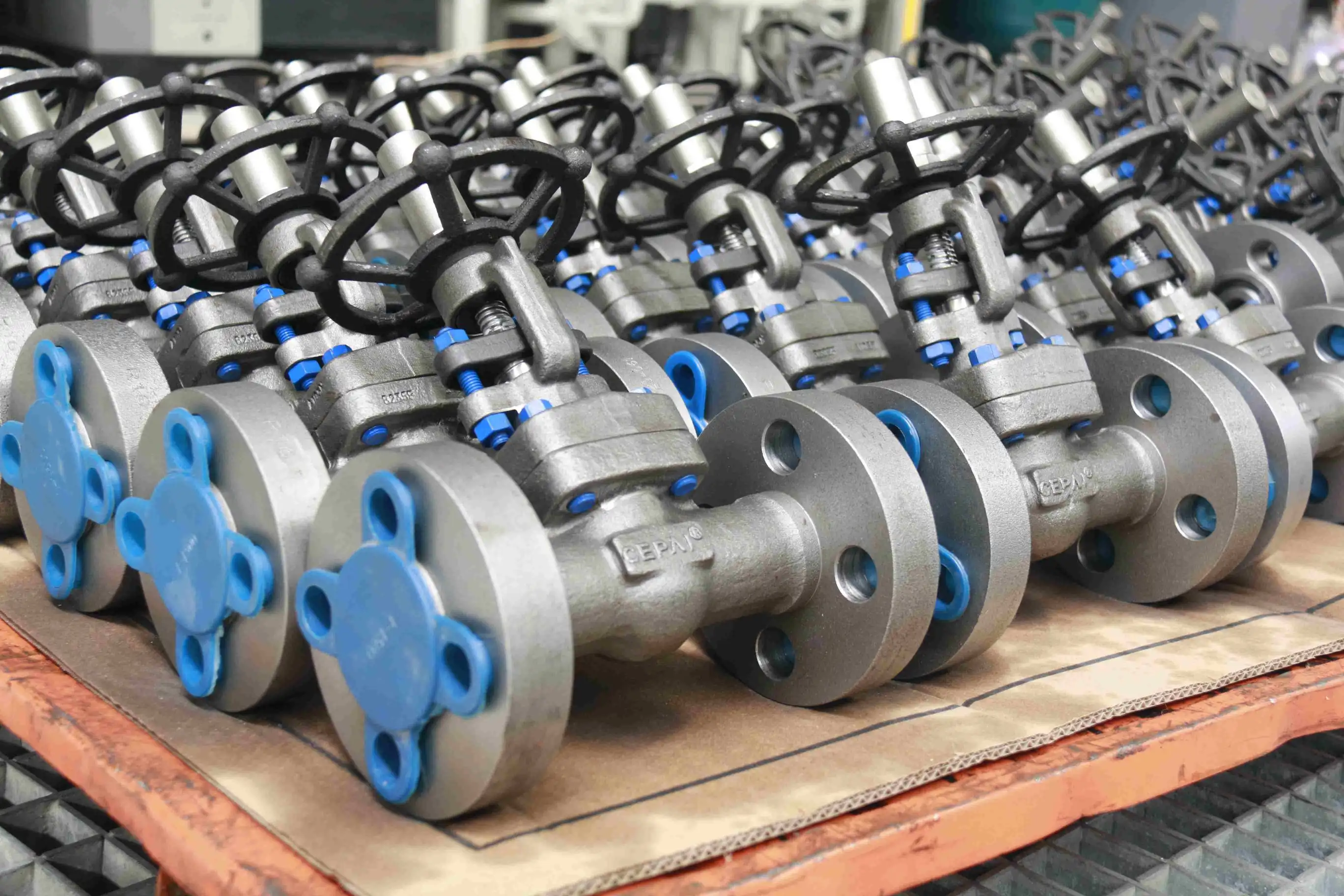
Comparative Analysis: Choosing the Right Sealing Material for Your Application
Selecting optimal sealing materials requires systematic evaluation of operating conditions, chemical compatibility, and economic considerations. This analysis framework helps engineering teams make informed decisions based on specific application requirements.
Compatibility Matrix: Sealing Materials vs Typical Corrosive Fluids
Chemical compatibility represents the primary selection criterion for corrosive service applications. PTFE demonstrates universal compatibility with acids, bases, and most organic solvents, making it the preferred choice for multi-service applications. PEEK offers similar chemical resistance with enhanced mechanical properties but at higher material costs. Elastomeric materials require more careful selection based on specific chemical exposures. EPDM performs well with inorganic acids and bases but shows limited compatibility with hydrocarbon solvents. Fluoroelastomers provide broader chemical resistance but may not be suitable for high-temperature steam applications. Temperature compatibility often determines material selection as much as chemical resistance. While PTFE maintains chemical inertness across its temperature range, mechanical properties change significantly with temperature variations. PEEK provides more consistent mechanical performance but has lower maximum temperature limits than some PTFE formulations.
Long-Term Durability and Maintenance Considerations
Service life expectations vary significantly among sealing materials and operating conditions. PTFE seals in mild corrosive service may operate for several years, while the same material in aggressive high-temperature applications may require annual replacement. Understanding these service intervals enables proper maintenance planning and cost analysis. Seal inspection and replacement procedures impact total ownership costs. Materials that provide visual indication of degradation allow for condition-based maintenance, while others require time-based replacement schedules. Remote monitoring capabilities integrated with modern valve systems can provide early warning of seal degradation.
Cost vs. Performance Trade-Offs for Procurement Decisions
Material costs represent only one component of total ownership expenses. Premium sealing materials with higher initial costs often provide superior service life and reduced maintenance requirements. This analysis becomes particularly important for critical service applications where unplanned downtime carries significant operational costs. Procurement strategies should consider material availability, lead times, and supplier qualification requirements. Specialized sealing materials may require longer procurement cycles and more limited supplier options compared to standard materials.
Installation, Testing, and Maintenance Tips for Sealing Materials in Corrosive Fluid Ball Valves
Proper installation and maintenance practices directly impact sealing system performance and service life. Following established procedures ensures that high-quality sealing materials deliver their intended performance benefits.
Proper Installation Guidelines to Prevent Early Seal Failure
Installation procedures must account for material-specific characteristics and handling requirements. PTFE seals require careful handling to prevent nicks or cuts that could compromise sealing integrity. Proper torque values ensure adequate seating without over-compression that could lead to material extrusion. Surface finish requirements become critical for optimal seal performance. Sealing surfaces should meet specified roughness standards and be free from scratches, tool marks, or corrosion products. Chemical cleaning may be necessary to remove manufacturing residues that could interfere with seal function.
Leak Detection and Troubleshooting Techniques
Early detection of seal degradation allows for proactive maintenance before catastrophic failure occurs. Visual inspection methods, pressure testing, and fugitive emission monitoring provide different approaches to seal condition assessment. Understanding normal wear patterns helps distinguish between acceptable aging and abnormal degradation requiring immediate attention. Diagnostic techniques should account for the specific failure modes associated with different sealing materials. PTFE seals may exhibit cold flow or extrusion, while elastomeric materials might show swelling or hardening. Recognizing these patterns enables targeted corrective actions.
Routine Maintenance Practices to Maximize Seal Longevity
Preventive maintenance programs should include regular inspection intervals based on operating severity and material characteristics. Documentation of seal condition, replacement intervals, and failure modes builds institutional knowledge that improves future material selection and maintenance planning. Spare parts inventory management becomes crucial for critical applications. Maintaining appropriate stock levels of qualified sealing materials ensures rapid response to maintenance needs while avoiding excessive inventory costs for slow-moving items.
Trust CEPAI for Superior Ball Valve Sealing Solutions
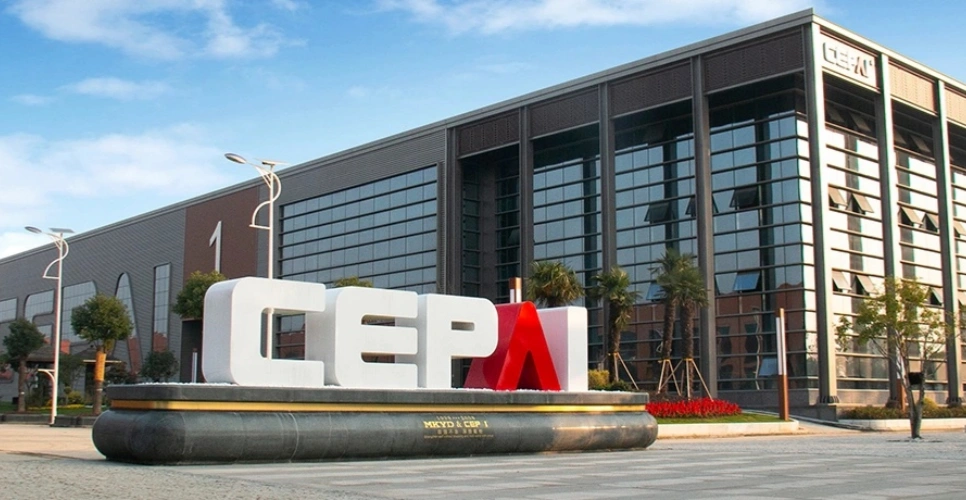
CEPAI Group stands as your trusted Ball Valve manufacturer, combining decades of engineering expertise with cutting-edge intelligent manufacturing capabilities. Our comprehensive range of sealing materials undergoes rigorous testing in our CNAS-certified laboratories, ensuring optimal performance in the most challenging corrosive environments. With API certifications including API6A, API6D, and ISO quality management systems, we deliver sealing solutions that meet global industry standards.
Our engineering team provides pre-sales technical consultation to help you select the optimal sealing materials for your specific application requirements. Whether you need PTFE seals for general chemical service or specialized PEEK solutions for high-temperature applications, our customized approach ensures perfect compatibility with your operational needs. As a qualified supplier to major energy companies including PetroChina, Sinopec, and CNOOC, we understand the critical importance of reliable sealing performance in corrosive service applications.
Experience the advantage of working with a Ball Valve supplier that combines advanced materials science with intelligent manufacturing processes. Our 56,000 square meter facility features the longest high-precision intelligent manufacturing flexible production line in the Asia Pacific region, ensuring consistent quality and rapid delivery. Contact us at cepai@cepai.com to discuss your sealing material requirements and discover how our expertise can enhance your valve performance. For additional technical resources and detailed specifications, please visit valveknowledge.jscepai.com.
Frequently Asked Questions
Q1: What is the most chemically resistant sealing material for aggressive acidic fluids?
A: PTFE (Polytetrafluoroethylene) offers the broadest chemical resistance for acidic applications, maintaining integrity across virtually all acid concentrations and temperatures within its operating range. For applications requiring enhanced mechanical properties, PEEK provides excellent acid resistance combined with superior strength characteristics.
Q2: Can metal seals completely eliminate leakage in high-pressure corrosive fluid applications?
A: Metal seals provide excellent performance in high-pressure corrosive applications but require precise surface finishes and proper installation torques. While they offer superior mechanical strength compared to polymer seals, complete elimination of leakage depends on proper valve design, installation practices, and maintenance procedures.
Q3: How often should seals in corrosive fluid ball valves be inspected and replaced under normal industrial conditions?
A: Inspection frequency depends on fluid aggressiveness, operating temperature, and cycling frequency. Typical inspection intervals range from quarterly for severe service to annually for mild corrosive applications. Replacement schedules should be based on actual condition assessment rather than fixed time intervals when possible.
Conclusion
Selecting appropriate sealing materials for corrosive fluid ball valves requires careful consideration of chemical compatibility, operating conditions, and performance requirements. PTFE remains the industry standard for broad chemical resistance, while PEEK offers enhanced mechanical properties for demanding applications. Proper material selection, combined with correct installation and maintenance practices, ensures reliable valve performance and extended service life in challenging corrosive environments.
References
1. American Society of Mechanical Engineers. "Guidelines for Pressure Boundary Bolted Flange Joint Assembly." ASME PCC-1-2019.
2. Fluid Sealing Association. "Corrosion Resistance Guide for Elastomeric Sealing Materials in Chemical Processing." FSA Technical Handbook, 2021.
3. International Organization for Standardization. "Industrial Valves - Metallic Valves for Use in Flanged Pipe Systems." ISO 5752:2021.
4. National Association of Corrosion Engineers. "Materials Selection and Design for Corrosive Environments." NACE Publication 3T199, 2020.
5. Valve Manufacturers Association. "Sealing Technology for Industrial Valves in Aggressive Media." VMA Standards Publication VMA-ST-2022.
6. Chemical Processing Magazine. "Advanced Materials for Extreme Service Valve Applications." Technical Review Series, Volume 84, Issue 12, 2023.
_1746598557316.webp)