Stainless steel castings have emerged as the material of choice for oil and gas ball valve construction due to their exceptional corrosion resistance, superior mechanical properties, and long-term durability. Unlike traditional materials that deteriorate rapidly in harsh petroleum environments, stainless steel maintains its structural integrity when exposed to hydrogen sulfide, saltwater, and aggressive hydrocarbons. The casting process enables manufacturers to create complex internal geometries that enhance flow control while maintaining the precise tolerances required for reliable sealing. This combination of material excellence and manufacturing precision makes stainless steel cast ball valves indispensable for upstream drilling operations, midstream pipeline networks, and downstream refining facilities.
Understanding Ball Valves and Their Critical Role in Oil & Gas Operations
Ball valves serve as essential flow control devices throughout the petroleum industry, utilizing a spherical disc with a bore through its center to regulate fluid movement. When the valve operates, a quarter-turn rotation aligns or misaligns the bore with the pipeline, providing rapid on-off control that minimizes pressure drops and ensures tight shutoff capabilities. In oil and gas applications, these valves encounter extreme operating conditions that test material limits. Wellhead installations may experience pressures exceeding 15,000 PSI while handling corrosive fluids containing hydrogen sulfide, carbon dioxide, and chlorides. Pipeline networks require valves that maintain seal integrity across temperature fluctuations ranging from arctic conditions to desert heat. Refinery systems demand components that resist chemical attack from various hydrocarbon fractions and processing chemicals. The demanding nature of petroleum operations necessitates valve materials that deliver consistent performance without frequent maintenance interventions. Valve failures in these environments result in production shutdowns, environmental risks, and significant financial losses, making material selection a critical engineering decision.
Superior Advantages of Stainless Steel Castings in Petroleum Ball Valves
The preference for stainless steel castings in oil and gas ball valves stems from multiple performance advantages that address the unique challenges of petroleum applications. These benefits encompass corrosion resistance, mechanical strength, manufacturing precision, and economic value. Here are the core advantages that make stainless steel castings the optimal choice for demanding petroleum environments:
- Exceptional Corrosion Resistance: Chromium content creates a passive oxide layer that protects against sulfide stress cracking, chloride-induced corrosion, and acid attack from sour gas environments. This protective barrier maintains valve integrity in harsh conditions where carbon steel components would rapidly deteriorate.
- High-Temperature Stability: Stainless steel retains mechanical properties at elevated temperatures encountered in steam injection, thermal recovery operations, and high-pressure gas processing. The material maintains strength and dimensional stability across wide temperature ranges without becoming brittle or losing ductility.
- Precision Casting Capabilities: The casting process enables complex internal flow passages, integrated seat designs, and intricate geometries that optimize flow characteristics. This manufacturing flexibility allows engineers to create valves with superior flow coefficients and reduced pressure losses compared to machined alternatives.
- Extended Service Life: Resistance to wear, erosion, and chemical attack translates to longer replacement intervals and reduced maintenance requirements. Field studies demonstrate that stainless steel cast valves often operate reliably for decades in applications where other materials require frequent replacement.
These advantages collectively contribute to enhanced operational reliability and reduced total cost of ownership, making stainless steel castings the preferred solution for critical petroleum applications where failure is not an option.
Material Comparison: Stainless Steel Castings Versus Alternative Options
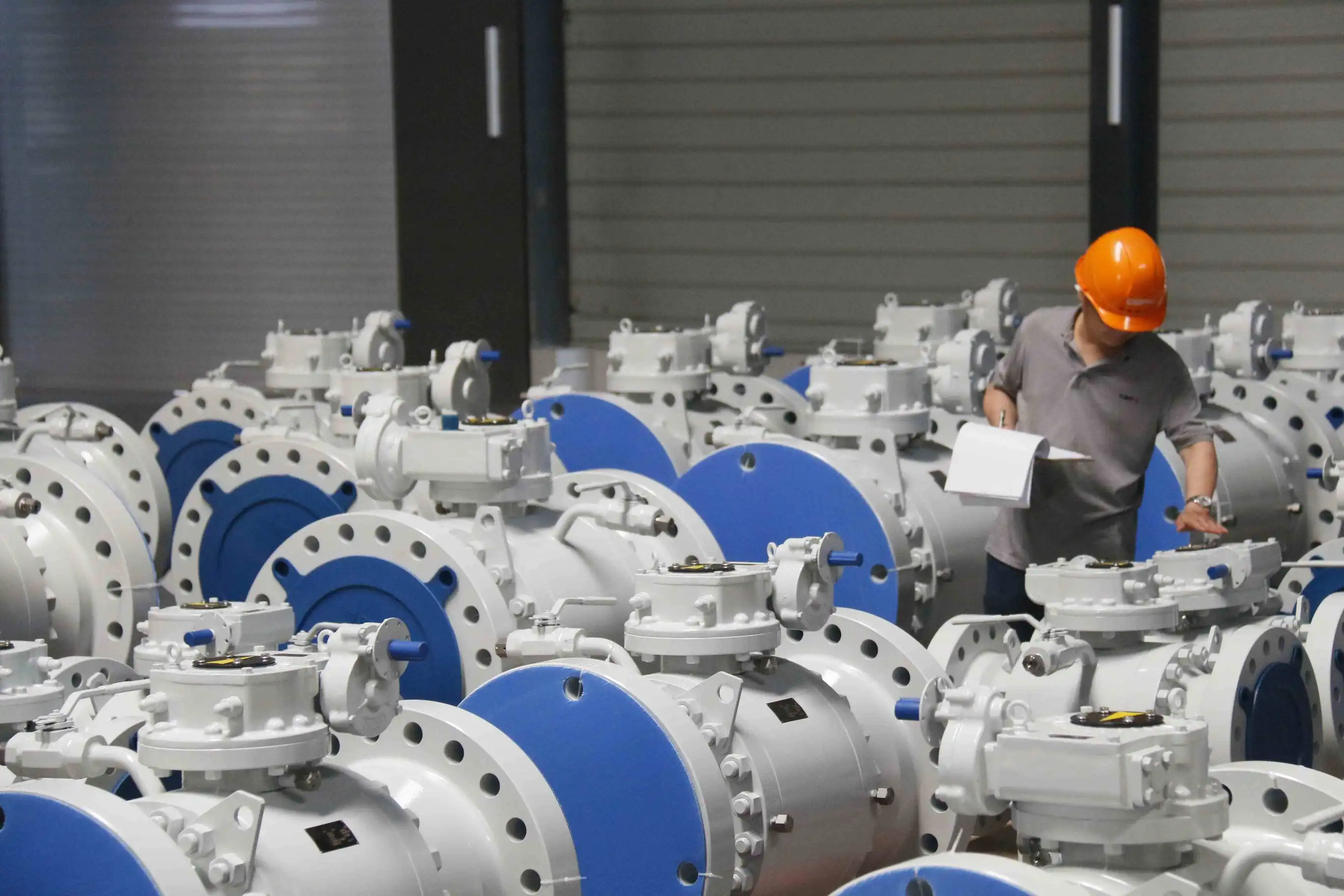
When evaluating materials for oil and gas ball valves, engineers must consider how different options perform under specific operating conditions. Stainless steel castings consistently outperform alternative materials in key areas that matter most for petroleum applications. Carbon steel, while offering lower initial costs, lacks the corrosion resistance necessary for sour gas environments and saltwater exposure. The material requires protective coatings that add complexity and maintenance requirements while still providing inferior long-term performance compared to stainless steel's inherent resistance properties. Brass and bronze alloys demonstrate good corrosion resistance in mild environments but suffer from dezincification and stress corrosion cracking when exposed to aggressive petroleum fluids. These materials also have pressure limitations that restrict their use in high-pressure applications common throughout the oil and gas industry. Forged stainless steel components offer excellent mechanical properties but limit design flexibility compared to castings. The forging process restricts internal geometries and requires extensive machining to achieve complex flow passages, increasing manufacturing costs and time-to-market for specialized valve designs. Exotic alloys like Hastelloy and Inconel provide superior corrosion resistance but come with substantially higher material costs that may not be justified except in the most severe service conditions. Stainless steel castings deliver an optimal balance of performance and cost-effectiveness for the majority of oil and gas applications.
Installation Best Practices and Maintenance Strategies
Proper installation procedures maximize the performance benefits of stainless steel cast ball valves while preventing common issues that can compromise operation. Understanding these practices helps ensure optimal valve performance throughout the service life. During installation, technicians must verify proper pipe alignment to prevent stress loading on valve bodies. Stainless steel's strength handles normal operational stresses, but excessive installation loads can cause premature seal failure or actuator binding. Using appropriate gaskets and torque specifications prevents over-compression that could damage seating surfaces. Pipeline cleaning before valve installation removes debris that could interfere with ball rotation or damage sealing surfaces. Welding procedures require careful heat management to prevent sensitization of stainless steel, which could reduce corrosion resistance in critical areas. Maintenance schedules for stainless steel ball valves typically extend longer than those for conventional materials due to superior durability. Regular inspection focuses on actuator lubrication, packing adjustment, and verification of proper seating. The inherent corrosion resistance of stainless steel reduces the frequency of internal inspections while maintaining operational confidence. Preventive maintenance includes monitoring for external corrosion at dissimilar metal connections and ensuring cathodic protection systems function properly where applicable. These practices help realize the full service life potential of stainless steel valve investments.
Real-World Applications Across Oil & Gas Operations
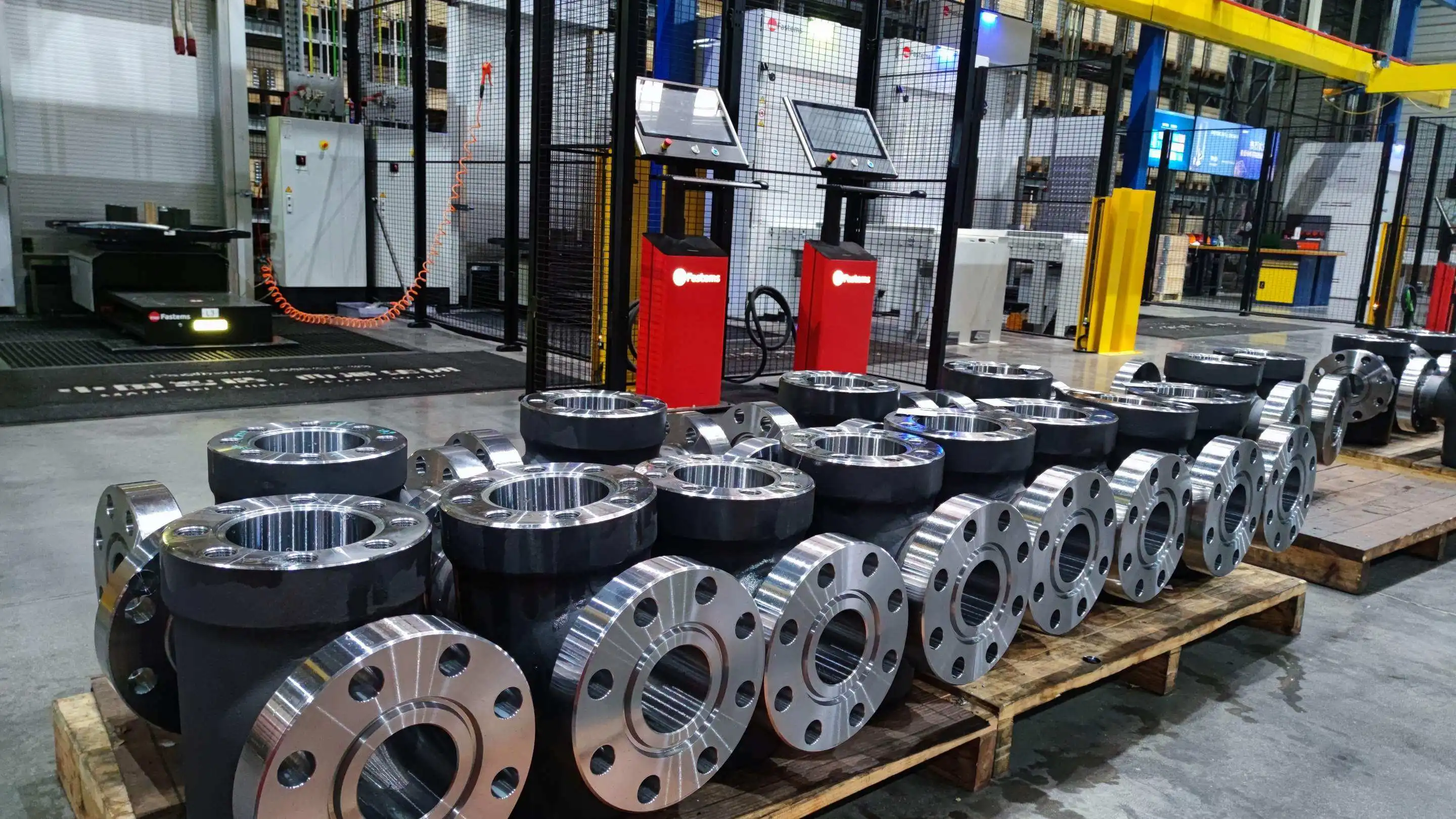
Stainless steel cast ball valves demonstrate proven performance across diverse oil and gas applications, from wellhead installations to refinery process units. Understanding these applications helps illustrate why material selection matters for operational success. Upstream operations utilize these valves in Christmas tree assemblies where reliability under pressure is paramount. Offshore platforms particularly benefit from stainless steel's saltwater resistance, reducing maintenance requirements in remote locations where service access is costly and challenging. Midstream pipeline networks use stainless steel ball valves in pump stations, metering runs, and isolation points where long-term dependability reduces operational downtime. The material's resistance to internal corrosion ensures flow capacity over long service periods, sustaining pipeline efficiency. Downstream refineries incorporate these valves into process units that handle corrosive feedstocks and products. Fluid catalytic cracking machines, hydroprocessing systems, and sulfur recovery plants all create highly aggressive situations in which stainless steel's chemical resistance is crucial. Natural gas processing facilities rely on stainless steel valves for amine treating systems, dehydration units, and product fractionation where moisture and acid gases challenge conventional materials. The combination of pressure capability and corrosion resistance makes stainless steel castings ideal for these demanding services.
CEPAI's Advanced Ball Valve Solutions for Oil & Gas Excellence
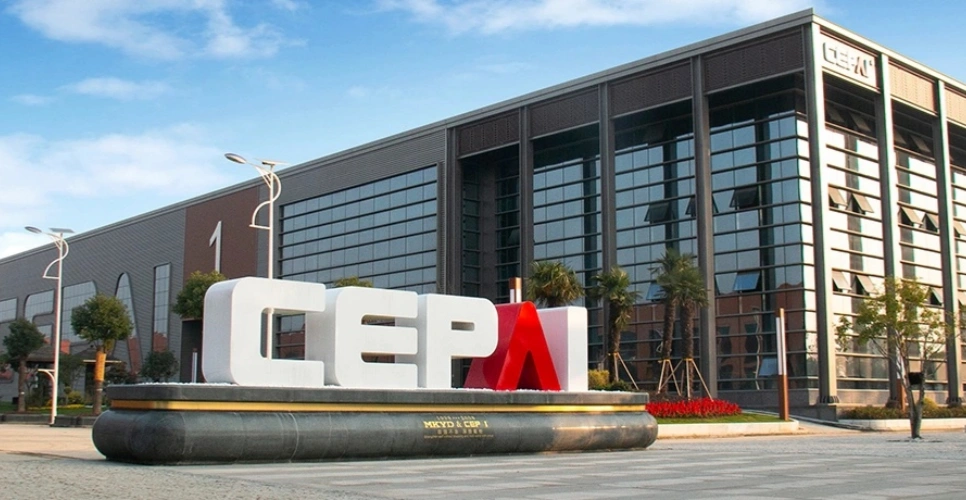
CEPAI Group stands as a leading ball valve manufacturer specializing in high-performance stainless steel cast valves designed specifically for oil and gas applications. Our comprehensive expertise in fluid control technology, combined with advanced manufacturing capabilities, delivers solutions that exceed industry expectations for reliability and performance. Our intelligent manufacturing facility utilizes precision casting techniques to produce ball valves that meet the most demanding petroleum industry requirements. With API 6A, API 6D, and multiple international certifications, CEPAI valves demonstrate proven compliance with global standards while incorporating innovative design features that enhance operational performance.
The advantages of partnering with CEPAI extend beyond product quality to encompass comprehensive technical support throughout the project lifecycle. Our engineering team provides application-specific valve selection guidance, customization capabilities for unique operating conditions, and ongoing technical assistance to ensure optimal performance. This integrated approach helps customers achieve operational excellence while minimizing total cost of ownership. Our ball valve product range covers applications from wellhead control to pipeline isolation, with pressure ratings up to 20,000 PSI and temperature capabilities extending to extreme service conditions. Each valve undergoes rigorous testing protocols that verify performance under simulated field conditions before shipment.
When you need a reliable ball valve supplier that understands the critical nature of oil and gas operations, CEPAI delivers the expertise and product quality that keeps your operations running smoothly. Contact us at cepai@cepai.com to discuss your specific requirements and discover how our advanced stainless steel cast ball valves can enhance your operational reliability. Visit valveknowledge.jscepai.com for detailed technical specifications and application guidance.
Frequently Asked Questions
Q1: Why choose stainless steel castings over forged stainless steel for ball valves?
A: Stainless steel castings offer superior design flexibility, allowing complex internal geometries that optimize flow characteristics while maintaining excellent strength properties. The casting process enables manufacturers to create integrated features like flow passages and seat designs that would require extensive machining in forged components, resulting in better performance and lower manufacturing costs.
Q2: How do stainless steel ball valves perform under high-pressure and high-temperature conditions typical in oil and gas operations?
A: Stainless steel maintains excellent mechanical properties at elevated temperatures and pressures common in petroleum applications. The material retains strength up to 1200°F while resisting deformation under pressures exceeding 15,000 PSI. The chromium content provides ongoing corrosion protection even under these extreme conditions, ensuring reliable long-term performance.
Q3: What maintenance schedule should be followed for stainless steel cast ball valves in petroleum service?
A: Maintenance intervals for stainless steel ball valves typically extend 2-3 times longer than conventional materials due to superior corrosion resistance. Recommended schedules include quarterly external inspections, annual actuator lubrication, and comprehensive internal inspection every 3-5 years depending on service severity. This reduced maintenance frequency significantly lowers operational costs while maintaining reliability.
Conclusion
Stainless steel castings represent the optimal material choice for oil and gas ball valves due to their exceptional corrosion resistance, mechanical durability, and manufacturing versatility. The combination of superior performance characteristics and extended service life delivers significant value for petroleum operations where reliability is essential. As the industry continues advancing toward more challenging environments and demanding applications, stainless steel cast ball valves provide the foundation for operational excellence and long-term success. The proven track record across upstream, midstream, and downstream applications demonstrates why leading operators consistently choose stainless steel solutions for their most critical valve applications.
References
1. American Petroleum Institute. "API Specification 6A: Specification for Wellhead and Christmas Tree Equipment." 21st Edition, American Petroleum Institute, 2019.
2. Davis, J.R. "Stainless Steels: Properties and Selection." ASM International Handbook Committee, Materials Park, Ohio, 2018.
3. NACE International. "Materials Requirements: Sulfide Stress Cracking Resistant Metallic Materials for Oilfield Equipment." NACE MR0175/ISO 15156, Houston, Texas, 2020.
4. Smith, Robert A. "Valve Selection and Service Guide for the Oil and Gas Industries." Gulf Professional Publishing, 2017.
5. International Association of Oil & Gas Producers. "Corrosion Management Guidelines for Offshore Production Systems." Report No. 482, London, 2019.
6. Thompson, Michael K. "Advanced Materials for Petroleum Industry Applications: Performance and Cost Analysis." Energy Materials Research Institute, 2021.
_1746598557316.webp)