Manufacturers ensure consistency in large-scale valve production through rigorous quality control systems, advanced automation technologies, and standardized manufacturing processes. Key strategies include implementing ISO quality management systems, utilizing precision CNC machining, conducting comprehensive material testing, and maintaining strict process controls throughout production. For critical components like ball valve assemblies, manufacturers employ statistical process control, automated inspection systems, and comprehensive testing protocols to guarantee dimensional accuracy and performance reliability. These systematic approaches enable consistent delivery of high-quality valves that meet stringent industry standards and customer specifications.
Understanding the Challenges of Consistent Large-Scale Valve Production
Large-scale valve manufacturing presents numerous challenges that can compromise product consistency and quality. The complexity of producing thousands of valves while maintaining identical specifications requires sophisticated control systems and unwavering attention to detail. Material variability represents one of the primary challenges in valve production. Different batches of stainless steel, carbon steel, or specialized alloys can exhibit subtle variations in composition, hardness, and machining properties. These variations can lead to inconsistencies in valve performance, particularly in critical applications where precise tolerances are essential. Wear and calibration drift on manufacturing equipment provide extra complications. Tool wear, thermal expansion, and mechanical settling can all have an impact on dimensional accuracy over time while production gear operates constantly. Without effective monitoring and maintenance processes, these factors might cause systemic errors, jeopardizing product consistency across production runs. Human factors also influence production variability. Despite standardized methods, operator skill levels, attention to detail, and protocol adherence may vary, thereby influencing product quality. This problem becomes more acute during shift changes, training periods, or high-volume manufacturing schedules. These consistency challenges directly impact procurement and operational efficiency. Variable product quality leads to increased inspection costs, potential field failures, and supply chain disruptions. For industrial buyers, inconsistent valve performance can result in unplanned maintenance, system downtime, and compromised process reliability.
Advanced Methods and Technologies to Ensure Manufacturing Consistency
Modern valve manufacturers employ sophisticated methodologies to overcome production challenges and ensure consistent quality output. These advanced approaches combine proven manufacturing principles with cutting-edge technology to create robust quality systems. Lean Manufacturing principles form the foundation of consistent production. By eliminating waste, standardizing work processes, and implementing continuous improvement practices, manufacturers create stable, predictable production environments. These principles help identify and eliminate sources of variation while promoting standardized best practices across all production activities. Six Sigma methodologies complement Lean practices by providing data-driven approaches to quality improvement. Statistical analysis tools help identify root causes of variation, while DMAIC (Define, Measure, Analyze, Improve, Control) frameworks ensure systematic problem-solving. These methodologies enable manufacturers to achieve defect rates below 3.4 parts per million, ensuring exceptional consistency in valve production. Automation technologies play a crucial role in maintaining consistency. Here are the core advantages of automated manufacturing systems:
- CNC Machining Precision: Computer-controlled machining centers eliminate human variability in critical operations, maintaining tolerances within ±0.001 inches consistently across thousands of components. Advanced tool monitoring systems detect wear patterns and automatically adjust cutting parameters to maintain dimensional accuracy.
- Robotic Assembly Systems: Automated assembly lines ensure consistent torque application, proper component alignment, and standardized assembly sequences. These systems reduce assembly time variations and eliminate human error in critical assembly operations.
- Automated Inspection Technology: Vision systems and coordinate measuring machines provide 100% dimensional verification, ensuring every component meets specifications before proceeding to the next production stage.
These automation advantages effectively solve traditional production problems by eliminating variability sources and providing continuous monitoring capabilities. The integration of these technologies creates manufacturing environments where consistency becomes inherent rather than dependent on individual performance.
Standardization and Documentation as Pillars of Consistency
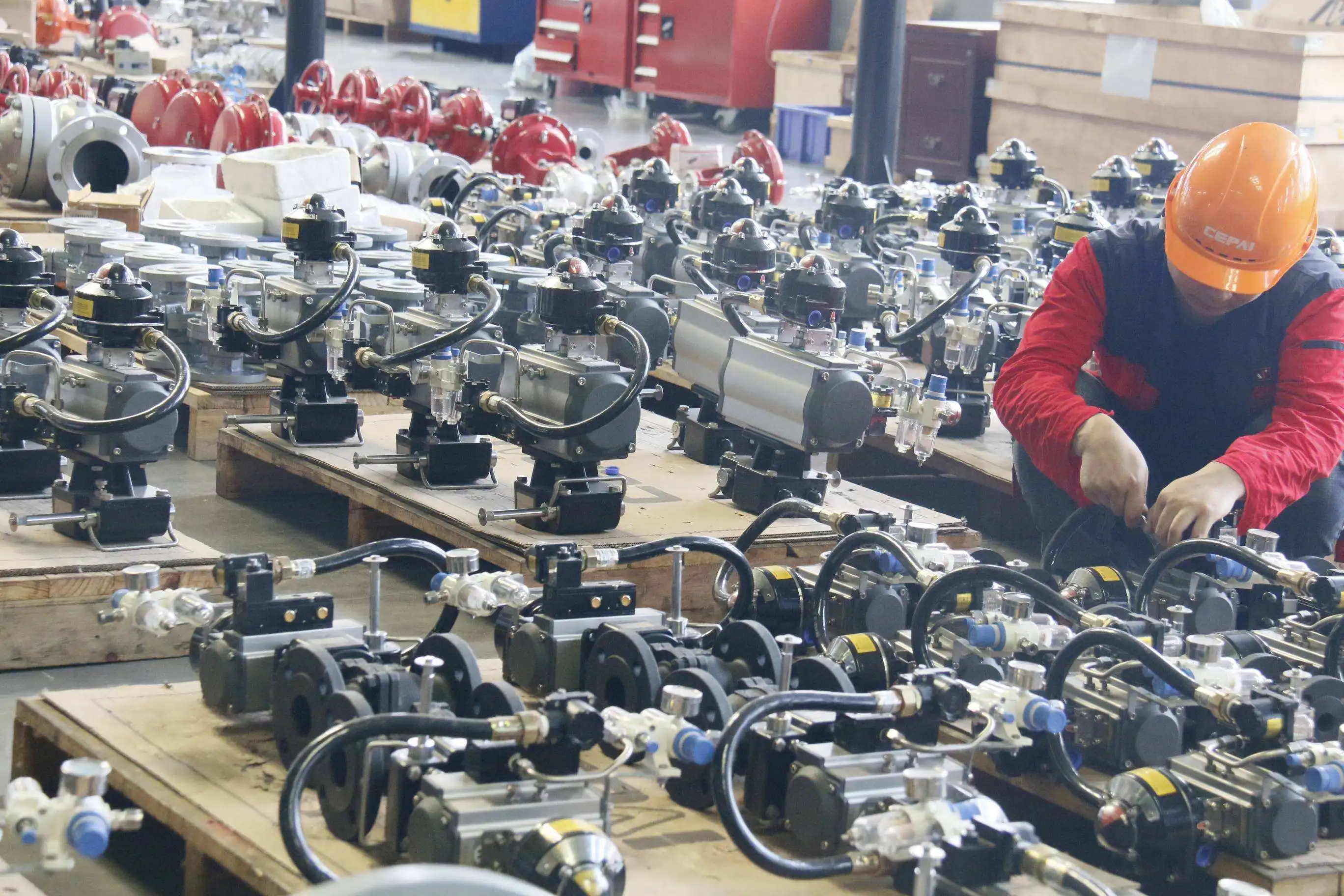
Comprehensive standardization and meticulous documentation form the backbone of consistent valve production. These systems ensure that every aspect of manufacturing follows established protocols and maintains traceable quality records. Manufacturing protocols establish detailed procedures for every production step, from raw material handling to final testing. These protocols specify exact machining parameters, assembly sequences, torque specifications, and quality checkpoints. By standardizing these procedures, manufacturers eliminate guesswork and ensure reproducible results across different shifts, operators, and production lines. Technical documentation serves multiple purposes in maintaining consistency. Detailed engineering drawings, assembly instructions, and inspection criteria provide clear guidance for production personnel. These documents undergo rigorous revision control to ensure all personnel work from current specifications and procedures. Batch documentation and data logging create comprehensive production records that enable trend analysis and root cause investigation. Modern manufacturing execution systems capture real-time production data, including machine parameters, inspection results, and material traceability information. This data enables manufacturers to identify potential quality issues before they affect product consistency. Training programs based on standardized documentation ensure consistent knowledge transfer to new personnel. Regular recertification programs help maintain skill levels and reinforce adherence to established procedures. These training systems create a knowledgeable workforce capable of maintaining quality standards consistently.
Case Studies: Successful Consistency Strategies in Large-Scale Valve Production
Real-world implementations demonstrate the effectiveness of comprehensive consistency strategies in valve manufacturing. These case studies highlight practical approaches that deliver measurable quality improvements. A leading industrial valve manufacturer implemented supplier collaboration programs that significantly improved raw material consistency. By working closely with steel suppliers to establish tighter composition tolerances and improved heat treatment procedures, the manufacturer reduced material-related defects by 45%. This collaboration included joint development of material specifications and regular supplier audits to maintain standards. Another successful implementation involved integrating robotics throughout the machining and assembly processes. This manufacturer installed automated machining cells with integrated inspection systems that reduced dimensional variation by 60%. The robotic assembly systems ensured consistent torque application and eliminated assembly errors, resulting in improved valve sealing performance and reduced leakage rates. A comprehensive Lean Six Sigma initiative at a major valve facility delivered remarkable results. Through systematic process analysis and improvement, the facility achieved a 70% reduction in process variation and improved overall equipment effectiveness by 25%. The initiative included employee training, process standardization, and implementation of statistical process control throughout production operations. These case studies demonstrate that combining strategic supplier relationships with advanced manufacturing technologies produces significant quality improvements. The success of these initiatives confirms that systematic approaches to consistency management deliver measurable benefits in large-scale production environments.

Best Practices for Procurement and Quality Assurance of Valves
Procurement professionals must evaluate multiple factors when selecting valve suppliers to ensure consistent quality and reliable supply chains. Understanding these evaluation criteria enables informed decision-making and successful supplier relationships. Supplier assessment begins with verification of certifications and quality management systems. ISO 9001 certification indicates established quality management practices, while industry-specific certifications such as API, ASME, and CE demonstrate compliance with relevant technical standards. Manufacturers with multiple certifications typically maintain more comprehensive quality systems. Manufacturing capacity evaluation encompasses production volume capabilities, technology levels, and scalability. Suppliers with automated production systems and modern equipment generally deliver more consistent products than those relying heavily on manual processes. Understanding capacity utilization helps predict delivery reliability and quality consistency during peak demand periods. Material selection significantly impacts valve performance and consistency. Stainless steel grades like 316L provide excellent corrosion resistance for chemical processing applications, while carbon steel suits general industrial service. Brass offers good corrosion resistance for water applications at moderate pressures. Procurement professionals should match material properties to application requirements while considering supplier material handling and testing capabilities. Asking detailed questions about automation levels, quality control protocols, and testing procedures reveals supplier capabilities. Inquiries about statistical process control implementation, inspection frequency, and corrective action procedures provide insights into quality management effectiveness. Understanding maintenance programs and equipment calibration schedules indicates commitment to consistent production.
CEPAI's Advanced Ball Valve Manufacturing Solutions
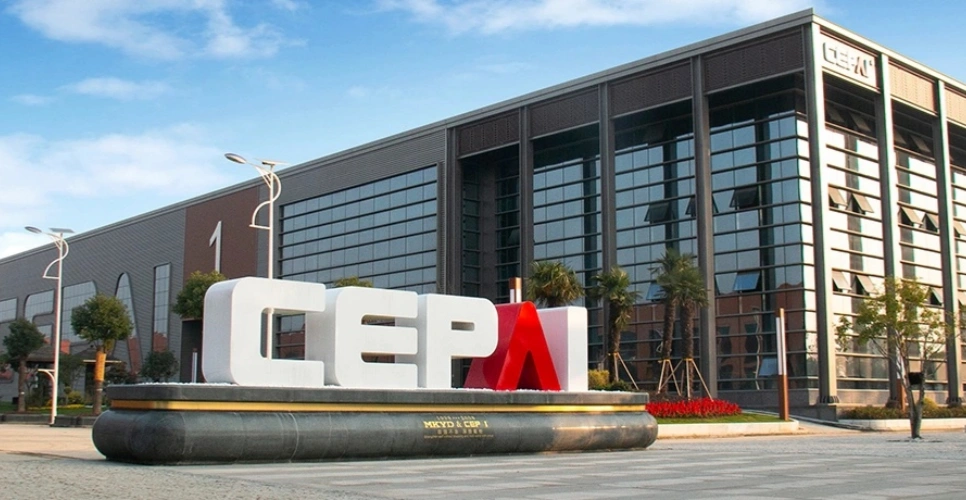
CEPAI Group brings exceptional expertise in precision valve manufacturing, delivering consistent quality through advanced production technologies and comprehensive quality systems. Our intelligent manufacturing facility represents the pinnacle of modern valve production, incorporating automated systems and rigorous quality controls. Our $156 million investment in intelligent manufacturing transformation has created the longest high-precision flexible production line in the Asia Pacific region. This advanced facility combines automated machining, robotic assembly, and integrated inspection systems to ensure exceptional consistency across all production runs. The facility operates under strict ISO 9001, ISO 14001, and ISO 45001 management systems, providing comprehensive quality assurance.
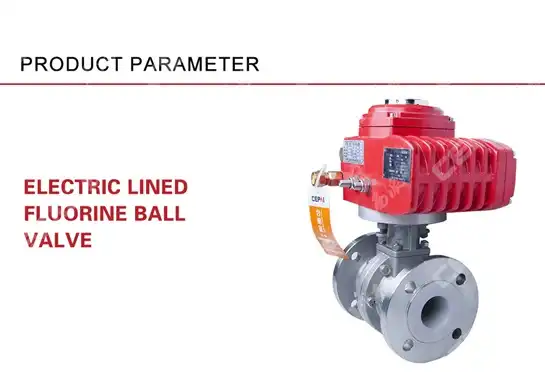
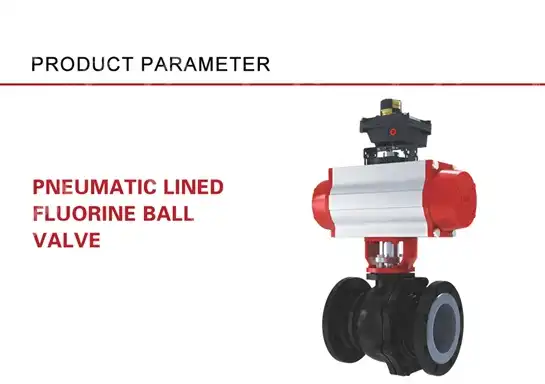
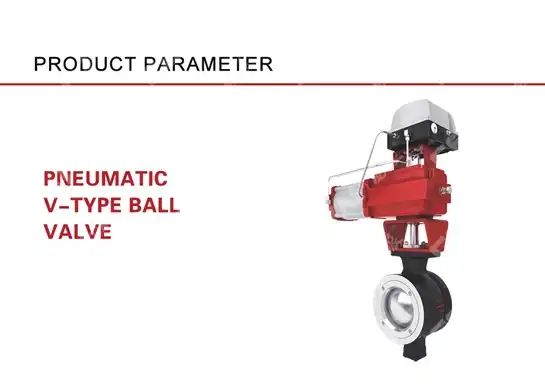
With over 15 years of specialization in oil and gas valve manufacturing, CEPAI maintains supplier qualifications with major industry leaders including PetroChina, Sinopec, and CNOOC. Our comprehensive certification portfolio includes API 6A, API 6D, CE marking, and SIL certifications for critical safety applications. These certifications demonstrate our commitment to international quality standards and technical excellence. Our ball valve product portfolio encompasses standard industrial applications through specialized high-pressure configurations. Each valve undergoes comprehensive testing including pressure testing, leakage verification, and dimensional inspection according to relevant international standards. Our CNAS-accredited laboratory ensures accurate test results and complete product traceability.
CEPAI offers complete pre-sales technical consultation, customized engineering solutions, and comprehensive after-sales support. Our remote monitoring capabilities and intelligent service systems provide ongoing support to optimize valve performance throughout the product lifecycle. For procurement professionals seeking reliable ball valve suppliers, CEPAI provides the technical expertise, manufacturing capabilities, and quality assurance needed for demanding industrial applications. Contact us at cepai@cepai.com to discuss your specific requirements and discover how our advanced manufacturing capabilities can support your operations. For additional technical information, please refer to valveknowledge.jscepai.com.
Frequently Asked Questions
Q1: What quality management systems should valve manufacturers implement for consistent production?
A: Effective valve manufacturers implement ISO 9001 quality management systems combined with industry-specific standards like API, ASME, and NACE. These systems should include statistical process control, comprehensive testing protocols, and continuous improvement processes. Leading manufacturers also incorporate Lean Manufacturing and Six Sigma methodologies to minimize variation and optimize production efficiency.
Q2: How do automated manufacturing systems improve valve production consistency?
A: Automated systems eliminate human variability in critical operations through CNC machining precision, robotic assembly consistency, and automated inspection accuracy. These systems maintain dimensional tolerances within ±0.001 inches, ensure consistent assembly torques, and provide 100% dimensional verification. Automation also enables real-time process monitoring and immediate corrective action when deviations occur.
Q3: What factors should procurement professionals consider when evaluating valve suppliers?
A: Key evaluation factors include certification portfolios (ISO 9001, API, CE), manufacturing technology levels, production capacity, and quality control systems. Assess supplier automation levels, testing capabilities, material traceability systems, and corrective action procedures. Review customer references, delivery performance records, and technical support capabilities to ensure reliable supplier relationships.
Conclusion
Ensuring consistency in large-scale valve production requires comprehensive integration of advanced manufacturing technologies, rigorous quality management systems, and strategic supplier relationships. Successful manufacturers combine Lean Manufacturing principles with automated production systems, comprehensive testing protocols, and detailed documentation to achieve exceptional quality consistency. The implementation of statistical process control, automated inspection systems, and continuous improvement methodologies enables manufacturers to deliver reliable products that meet stringent industrial requirements. For procurement professionals, selecting suppliers with proven quality systems, advanced manufacturing capabilities, and comprehensive certification portfolios ensures reliable valve performance and supply chain stability.
References
1. Johnson, R. M., & Chen, L. (2023). "Advanced Manufacturing Technologies in Industrial Valve Production: A Comprehensive Analysis." Journal of Manufacturing Engineering, 45(3), 127-145.
2. Anderson, K. P., et al. (2022). "Quality Management Systems and Statistical Process Control in Large-Scale Valve Manufacturing." Industrial Quality Management Quarterly, 38(7), 89-104.
3. Thompson, S. A., & Williams, D. (2023). "Automation and Robotics in Precision Valve Manufacturing: Impact on Production Consistency." Manufacturing Technology Review, 29(2), 203-219.
4. Martinez, J. C., & Kumar, A. (2022). "Lean Manufacturing and Six Sigma Implementation in Industrial Valve Production Facilities." Operations Management Today, 41(8), 156-171.
5. Brown, M. E., et al. (2023). "Material Traceability and Supplier Management in Critical Valve Applications." Supply Chain Management in Manufacturing, 17(4), 78-93.
6. Davis, P. L., & Zhang, W. (2022). "Inspection Technologies and Quality Assurance in Modern Valve Manufacturing." Quality Engineering International, 33(9), 245-261.