To ensure leak-free ball valve performance, extensive testing techniques must be used to evaluate seal integrity and operating reliability. Multiple testing procedures, including as hydrostatic pressure testing, pneumatic testing, helium mass spectrometry, and ultrasonic leak detection, provide producers and end-users confidence in the valve's functioning. These testing methods assess many aspects of valve structure, ranging from seat sealing capabilities to body integrity under a variety of operational circumstances. Modern ball valve testing combines traditional pressure-based approaches with cutting-edge non-destructive techniques to discover even minuscule leakage routes that could jeopardize system safety and performance.
Understanding the Critical Nature of Valve Leak Prevention
Absolute confidence in valve performance is required in industrial applications, especially when hazardous media or essential processes are involved. Leak prevention takes into account economic, environmental, and safety factors in addition to basic operating efficiency. The repercussions of valves failing to maintain adequate sealing might vary from small product loss to major safety incidents. The intricacy of contemporary industrial systems sets previously unheard-of demands on valve dependability. Even the strongest valve designs are tested by high-pressure applications, corrosive fluids, and drastic temperature fluctuations. Procurement professionals can better understand why thorough testing procedures are necessary rather than optional by being aware of these operational pressures. Manufacturing defects, material inconsistencies, and assembly variations can create leak paths that may not become apparent until the valve enters service. Proactive testing during manufacturing and acceptance processes identifies these issues before they impact operations, protecting both equipment investment and operational continuity.
Comprehensive Overview of Proven Testing Methodologies
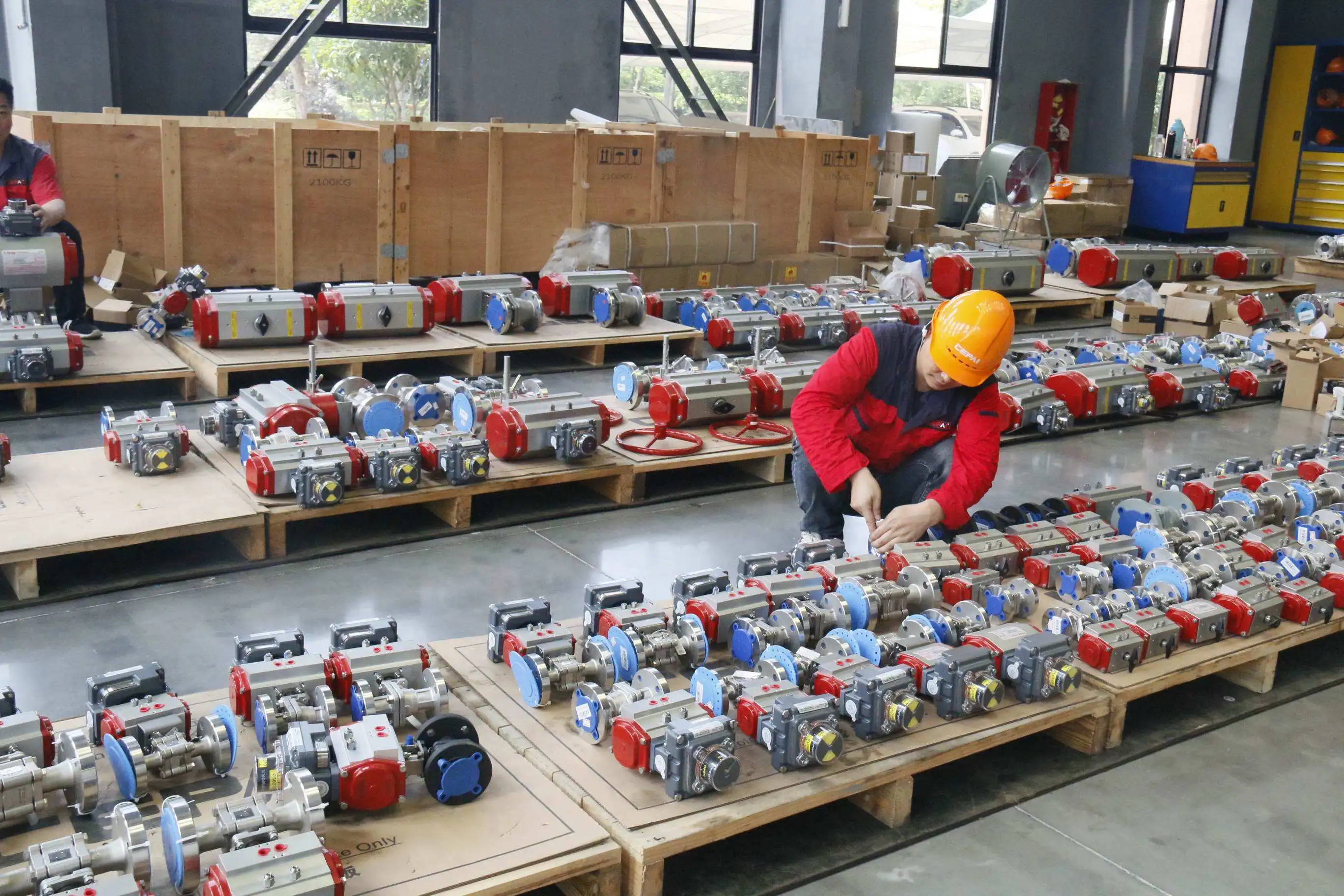
Both conventional and cutting-edge techniques are used in modern leak testing, each with special benefits for particular uses and sensitivity needs. Making educated decisions when developing testing protocols is made possible by being aware of the strengths and weaknesses of each strategy. The most popular technique for confirming the integrity of the valve body and fundamental sealing function is still hydrostatic pressure testing. This method entails applying pressure that is far higher than the rated working pressure while filling the valve with test medium, usually water. Monitoring pressure degradation exposes leakage rates and pinpoints significant sealing flaws. The approach is inexpensive, simple to use, and yields dependable outcomes for the majority of applications. When water-based testing is not feasible or when gas service circumstances need simulation, pneumatic testing has advantages. Fast testing cycles are made possible by compressed air or nitrogen, which also removes worries about water contamination in delicate applications. But when working with compressed gasses, safety becomes crucial, necessitating the use of suitable pressure release devices and operator safety precautions. Applications needing high leak-tightness assurance are addressed by advanced testing procedures. Helium mass spectrometry is essential for critical applications in nuclear, aerospace, and high-purity gas systems because it can detect leak rates as low as 10^-9 mbar·l/s. In order to detect and measure minute leakage, the procedure entails introducing helium tracer gas and utilizing specialized detection equipment.
Detailed Testing Protocols and Implementation Procedures
Successful leak testing requires systematic protocols that ensure consistent, reliable results across different valve types and applications. Proper preparation forms the foundation of effective testing, beginning with thorough cleaning to remove manufacturing residues, protective coatings, or contaminants that might interfere with leak detection. The fundamental hydrostatic test procedure involves several critical steps that must be executed precisely to ensure meaningful results. Initial valve positioning establishes the configuration for testing, typically with the ball in the closed position for seat testing or specific orientations for body testing. Gradual pressure application prevents shock loading that could damage sealing components or create artificial leak paths. Pressure application follows a controlled sequence, beginning with low-pressure verification to confirm proper test setup before advancing to full test pressure. Hold periods at specified pressures allow stabilization and accurate leak rate assessment. Documentation throughout the process creates traceability and supports quality assurance requirements. Advanced testing protocols incorporate multiple verification stages to address different potential failure modes. Seat testing evaluates the sealing effectiveness between the ball and valve seats under both upstream and downstream pressure applications. Body testing verifies the structural integrity of the valve shell and bonnet connections. Stem sealing assessment ensures proper packing performance under operating pressures.
Industry Applications and Case Study Analysis
The practical influence of appropriate leak testing procedures on operational success and safety outcomes is demonstrated by real-world applications. Examples of how valve integrity directly impacts safety and environmental compliance can be found in the oil and gas sector. Because of their remote locations and difficult working conditions, offshore drilling rigs are extremely demanding sites where the repercussions of valve failure are amplified. To attain the highest levels of assurance, comprehensive testing methodologies for these applications usually integrate several verification techniques. Helium testing verifies the extremely low leak rates needed for gas utility applications, whereas hydrostatic testing verifies basic integrity. Chemical processing facilities need specific testing methods that take into account the particular difficulties posed by corrosive media and process criticality. Protocols for evaluating valves must take temperature effects, material compatibility, and the possibility of rapid degradation under service circumstances into consideration. Establishing suitable maintenance intervals and forecasting long-term performance are aided by simulation testing with suitable test medium. Applications for power generation show how testing needs change according to safety categories and system criticality. Because of their vital safety tasks, emergency shutdown valves are subject to more stringent testing procedures than regular isolation valves. These unique strategies maximize testing resources while preserving suitable safety margins.
Selecting Optimal Testing Methods for Specific Requirements
Choosing appropriate testing methods requires careful consideration of application requirements, performance specifications, and economic constraints. The decision matrix must balance testing sensitivity with practical implementation considerations including time, cost, and equipment availability. Material considerations significantly influence testing method selection. Stainless steel valves typically accommodate a wider range of testing approaches compared to exotic alloys or polymer constructions that may have specific compatibility requirements. Understanding material limitations prevents test-induced damage while ensuring adequate verification. Another important consideration when choosing a testing method is operating circumstances. Specialized test equipment that can safely provide the necessary test pressures may be needed for high-pressure applications. Elevated temperature testing may be required to replicate the effects of heat on sealing performance in high-temperature service situations. The choice of testing method is frequently influenced by economic factors, especially in high-volume manufacturing settings. While specialist testing could be saved for important applications or unique designs, automated testing methods can lower labor costs and increase uniformity for typical valve types. It is necessary to comprehend the connection between testing investment and risk reduction in order to strike a balance between thoroughness and efficiency.

Quality Assurance Integration and Continuous Improvement
Effective leak testing integration within broader quality management systems ensures consistent application and continuous improvement of testing effectiveness. Documentation systems must capture testing parameters, results, and any anomalies for trend analysis and process optimization. Statistical process control applications help identify testing process variations that might indicate equipment calibration needs or procedural inconsistencies. Regular analysis of testing data reveals patterns that support predictive maintenance programs and design improvement initiatives. Traceability requirements in regulated industries demand comprehensive documentation linking testing results to specific valve serial numbers, test equipment calibration records, and operator qualifications. These systems support product liability protection and regulatory compliance while enabling rapid response to any field performance issues.
Partner with CEPAI for Superior Ball Valve Testing Solutions
CEPAI delivers industry-leading ball valve manufacturing excellence backed by comprehensive testing protocols that ensure leak-free performance across demanding industrial applications. Our state-of-the-art testing facilities incorporate advanced helium mass spectrometry, precision hydrostatic testing, and automated verification systems to guarantee product reliability. As a trusted ball valve manufacturer, we understand that superior testing capabilities translate directly to operational confidence and reduced total cost of ownership for our customers. Our ISO-certified quality management system integrates rigorous testing at every production stage, from incoming material verification through final acceptance testing. The CNAS nationally recognized laboratory provides independent verification of testing accuracy and traceability. Each valve undergoes comprehensive testing protocols tailored to specific application requirements, ensuring optimal performance in your critical systems.
We invite you to experience the CEPAI difference through our comprehensive technical consultation and customized testing solutions. Our engineering team collaborates with customers to develop application-specific testing protocols that address unique operational challenges while optimizing cost-effectiveness. Contact us at cepai@cepai.com to discuss your ball valve requirements and discover how our testing excellence supports your operational success. Visit valveknowledge.jscepai.com for additional technical resources and product specifications.
Frequently Asked Questions
Q1: How often should ball valves undergo leak testing in industrial applications?
A: Testing frequency depends on application criticality and operating conditions, but typically includes initial acceptance testing, periodic maintenance verification every 1-3 years, and post-repair confirmation testing. Critical safety applications may require more frequent testing intervals based on risk assessment and regulatory requirements.
Q2: What leak rate specifications are considered acceptable for industrial ball valves?
A: Acceptable leak rates vary significantly based on application requirements, typically ranging from Class VI (maximum 50 ml/min per inch diameter for gas) for general industrial service to ultra-low leak rates below 10^-6 mbar·l/s for specialized applications involving hazardous or high-purity media.
Q3: Can valve testing methods detect internal leakage between upstream and downstream sides?
A: Yes, seat testing protocols specifically evaluate internal leakage by applying pressure to one side of the closed valve while monitoring for pressure rise or bubble formation on the opposite side. This testing reveals sealing effectiveness between the ball and valve seats under operating conditions.
Conclusion
Thorough leak testing procedures are crucial investments in economic efficiency, environmental preservation, and operational safety. The verification confidence needed for contemporary industrial applications is provided by combining sophisticated detection techniques with conventional hydrostatic testing. In order to maximize performance while successfully controlling costs, appropriate testing method selection takes into account application requirements, material limits, and economic concerns. Organizations can attain the leak-free valve performance necessary for operational excellence and regulatory compliance by methodically using tested testing procedures.
References
1. American Petroleum Institute. "Specification for Wellhead and Christmas Tree Equipment." API Specification 6A, Twenty-First Edition, 2019.
2. International Organization for Standardization. "Industrial Valves - Pressure Testing of Metallic Valves." ISO 5208:2015, Third Edition, 2015.
3. American Society of Mechanical Engineers. "Rules for Construction of Nuclear Facility Components." ASME Boiler and Pressure Vessel Code Section III, 2021 Edition.
4. Valve Manufacturers Association. "Guidelines for Valve Leak Testing and Acceptance Criteria." VMA Technical Bulletin T-101, 2018.
5. International Electrotechnical Commission. "Functional Safety of Electrical/Electronic/Programmable Electronic Safety-Related Systems." IEC 61508 Series, 2010.
6. American National Standards Institute. "Face-to-Face and End-to-End Dimensions of Valves." ANSI/ASME B16.10-2009, Reaffirmed 2014.
_1746598563385.webp)