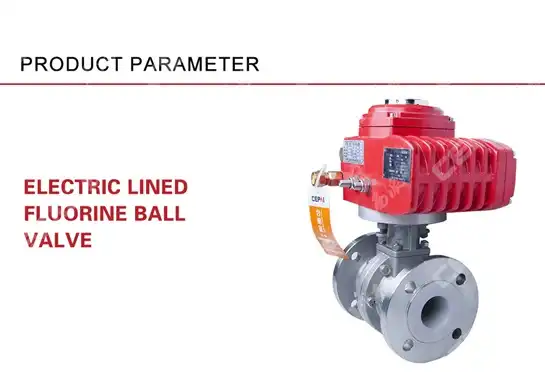
By providing previously unheard-of levels of accuracy, automation, and safety that conventional valve systems cannot match, smart electric ball valves transform process control in chemical plants. These clever devices combine sophisticated sensors, real-time monitoring, and smooth integration into digital control systems with the dependable flow control of traditional Electric Ball Valve technology. Automated emergency shutdowns and predictive maintenance capabilities improve safety procedures, decrease operational downtime, and increase flow regulation accuracy for chemical processing facilities. These valves become essential parts of Industry 4.0 manufacturing environments when IoT connectivity and data analytics are integrated, allowing operators to maintain ideal process conditions while reducing operational hazards and human intervention.
Understanding Smart Electric Ball Valves in Chemical Processing
An electric ball valve's basic operation involves a motorized actuator that rotates a perforated ball inside the valve body to regulate fluid flow. Electric actuators offer accurate torque control and stable, repeatable positioning that is unaffected by changes in the air supply or the environment, in contrast to manual or pneumatic alternatives. Through embedded intelligence, smart electric ball valves improve this fundamental functioning and become advanced process control tools. Throughout their operation, these sophisticated systems use a variety of sensor technologies to continuously monitor vital data. Important intelligence characteristics set smart valves apart from their traditional counterparts: Position feedback sensors enable closed-loop control techniques and guarantee precise flow control by confirming valve location in real-time. Temperature monitoring capabilities identify unusual operating circumstances that may point to equipment faults or process abnormalities. Before they cause expensive equipment failures or unscheduled maintenance shutdowns, vibration analysis sensors detect possible mechanical problems. SCADA networks and distributed control systems can be seamlessly integrated with communication protocols as Foundation Fieldbus, Modbus, and HART. Operators may remotely monitor valve performance, modify operating parameters, and get immediate alerts about any abnormalities or maintenance needs thanks to this connectivity. Chemical plants benefit significantly from these intelligent capabilities, particularly when handling corrosive chemicals, high-temperature processes, or hazardous materials where manual intervention poses safety risks. The ability to maintain precise control over flow rates and pressures directly impacts product quality, energy efficiency, and regulatory compliance.

Process Control Benefits in Chemical Manufacturing
To maintain product quality while guaranteeing worker safety and environmental protection, chemical production activities require extraordinary accuracy and dependability. Through a number of operational benefits that have a direct impact on plant performance and profitability, smart electric ball valves meet these crucial needs. The primary advantage of smart electric valve technology is precise flow control. Conventional manual valves introduce variability that may jeopardize product consistency since they rely on operator skill and experience to achieve targeted flow rates. By maintaining precise positioning with repeatability tolerances usually within ±0.1% of full scale, smart electric actuators eliminate this human aspect. In chemical processes, where small changes in reactant ratios can have a big impact on product yield and quality, this precision becomes very important. Smart valves with automated response capabilities can respond quickly to changes in the process without requiring human participation. Using feedback from temperature transmitters, pressure sensors, and flow meters, sophisticated control algorithms may modify valve positions in milliseconds. Even in the event of brief disruptions or equipment fluctuations, this quick reaction aids in maintaining ideal process conditions. Intelligent valve technology improves safety in ways that go beyond simple shutoff functions. Without interfering with regular operations, smart electric ball valves can perform partial stroke testing to confirm actuator performance. Depending on the type of alarm circumstance, emergency shutdown sequences can be set to react differently. This allows for progressive responses that minimize process disruption while upholding safety goals.
Optimized flow management eliminates pressure drops throughout the system and cuts down on needless pumping energy, which improves energy efficiency. In order to minimize energy consumption while preserving necessary process conditions, smart valves can take part in plant-wide optimization schemes that balance flow distribution. According to studies, smart valve networks can save energy use by 15–25% when compared to traditional control methods. Plant reliability management has advanced significantly with the use of predictive maintenance capabilities. Maintenance staff can spot emerging problems before they lead to equipment failures by continuously monitoring actuator performance data. This proactive strategy maximizes the use of maintenance resources, prolongs equipment life, and minimizes unscheduled downtime.
Comparing Smart Electric Ball Valves with Alternative Technologies
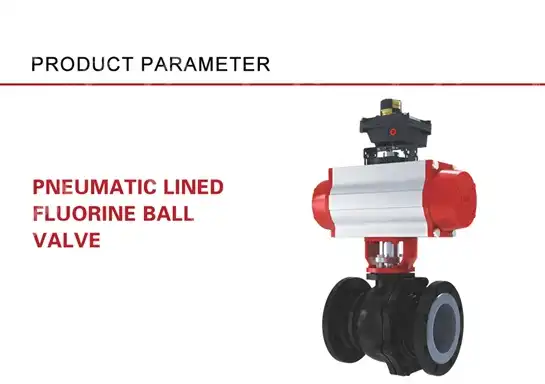
A thorough assessment of performance attributes, operational needs, and overall cost considerations is necessary when choosing the right valve technology. Although each technology has particular areas where it excels, smart electric ball valves offer clear advantages over pneumatic and manual equivalents. Because of its inherent safety features in explosive environments, pneumatic actuated valves have historically dominated chemical plant applications. Nevertheless, smart electric ball valves with the necessary certifications now offer improved control precision and diagnostic capabilities along with comparable safety performance. By doing away with the requirement for compressed air systems, electric actuators simplify infrastructure and allay worries about supply disruptions or air quality. Response time comparisons reveal significant differences between technologies. Pneumatic actuators typically require 3-10 seconds for full stroke operation, depending on air supply pressure and tubing length. Electric actuators can complete the same operation in 1-3 seconds while providing infinitely variable positioning throughout the stroke range. This improved response time enhances process control performance and enables more sophisticated control strategies. Maintenance requirements differ substantially between electric and pneumatic systems. Pneumatic actuators require regular attention to air filters, lubricators, and sealing systems that are exposed to potentially contaminated plant air. Electric actuators feature sealed designs that require minimal routine maintenance beyond periodic inspection and calibration verification.
Torque output characteristics favor electric actuators in applications requiring high seating forces or frequent operation. Electric motors develop maximum torque at startup, while pneumatic actuators may require oversizing to achieve equivalent performance. This torque advantage becomes particularly important when handling viscous fluids or operating in low-temperature conditions where valve components may bind. Total cost of ownership analysis must consider initial equipment costs, installation expenses, ongoing maintenance requirements, and energy consumption. While smart electric ball valves typically carry higher upfront costs than basic pneumatic alternatives, the elimination of compressed air infrastructure and reduced maintenance requirements often result in lower lifecycle costs over typical industrial timeframes of 10-15 years.

Practical Implementation Considerations for Chemical Plants
The integration issues and application-specific needs must be carefully considered for smart electric ball valve technology to be implemented successfully. The particular requirements of chemical processing environments have an impact on maintenance plans, control system integration, and material selection. When choosing valves for chemical service, material compatibility is the most important factor. Extreme temperatures, abrasive slurries, and corrosive chemicals can quickly break down inappropriate materials, causing contamination, leakage, or catastrophic failure. Chemical-specific smart electric ball valves usually have bodies made of duplex alloys, stainless steel, or unusual materials like Inconel or Hastelloy. Depending on the service circumstances, seal materials such as PTFE, PEEK, or specialty elastomers must be properly matched to process chemicals. Areas designated as hazardous because of volatile vapors or combustible dusts are required to have explosion-proof certifications. To guarantee safe operation in these settings, electric actuators need the proper certifications, such as Class I Division 1 or ATEX Zone 1. To keep certification valid, certain installation procedures, such as conduit sealing and grounding regulations, must be adhered to. Beyond simple wiring connections, control system integration entails a number of technological issues. The choice of communication protocol has an impact on the sophistication of control techniques that may be used and the quantity of diagnostic data that operators can access. The progressive transition from outdated 4-20mA systems to sophisticated digital networks is made possible by modern smart valves' simultaneous support of numerous protocols.
As smart valves connect to plant networks and possibly external monitoring systems, cybersecurity issues have grown in significance. While preserving operational connectivity, strong security measures like network segmentation, encryption, and access controls help shield vital infrastructure from cyberattacks. When choosing providers of smart electric ball valves, procurement teams should consider the following crucial factors: Throughout the project lifecycle, technical support skills guarantee effective implementation and continuous optimization. Prominent providers offer ongoing technical consulting throughout the equipment lifecycle, commissioning support at starting, and application engineering assistance throughout specification development. Instead than pressuring plants to accept conventional configurations that might not satisfy all requirements, customization flexibility enables valves to be tuned for particular applications. Performance in difficult situations can be greatly enhanced by custom actuator sizing, specialty materials, or unusual mounting configurations. Equipment dependability and regulatory compliance are guaranteed by quality certifications and testing records. Comprehensive factory testing, material certifications, and performance verification all contribute to the assurance that valves will fulfill specifications for the duration of their useful lives. Through increased performance and dependability, these factors directly affect long-term operational success and support the investment in cutting-edge valve technology.
Maintenance and Long-Term Optimization Strategies
Effective maintenance programs for smart electric ball valves leverage diagnostic capabilities to optimize reliability while minimizing operational disruption. The integration of condition monitoring technologies transforms maintenance from reactive to predictive, enabling more efficient resource allocation and improved equipment availability. Routine inspection procedures should focus on parameters that indicate developing problems before they affect performance. Actuator current signatures during operation can reveal mechanical binding, gear wear, or motor deterioration. Position feedback accuracy verification ensures that control system commands correspond to actual valve positions. Temperature monitoring identifies unusual friction or electrical issues that could lead to premature failure. In order to find patterns that anticipate equipment failures, predictive maintenance algorithms examine past performance data. In order to identify minute changes that can go unnoticed during normal inspections, machine learning systems can process many data streams at once. Instead of reacting to unforeseen problems, maintenance teams can plan interventions during scheduled outages thanks to their analytical skills. Programs for calibration verification guarantee accuracy throughout the valve's useful life. Because electric actuators are inherently stable, smart electric ball valves usually keep calibration longer than pneumatic equivalents. However, regular verification verifies continuous performance within allowable tolerances. Calibration checks can frequently be carried out using sophisticated diagnostic features without taking the valve out of operation.
Parts inventory optimization benefits from the diagnostic capabilities of smart valves that provide early warning of component wear or deterioration. Rather than maintaining extensive spare parts inventories for all installed equipment, maintenance teams can focus on items identified through condition monitoring as approaching replacement intervals. Training programs should address both technical aspects of smart valve operation and interpretation of diagnostic information. Maintenance technicians require understanding of communication protocols, software interfaces, and troubleshooting procedures that differ from traditional valve technologies. Investment in proper training ensures that organizations can fully utilize the capabilities of their smart valve investments.
Frequently Asked Questions
Q1: What makes a smart electric ball valve different from a standard electric ball valve?
A: Smart electric ball valves incorporate embedded sensors, communication capabilities, and diagnostic algorithms that enable remote monitoring, predictive maintenance, and integration with plant automation systems. Standard electric ball valves provide basic on/off or modulating control without these advanced intelligence features. The smart capabilities enable condition monitoring, performance optimization, and integration into Industry 4.0 manufacturing strategies.
Q2: How do smart electric ball valves improve safety in chemical plants?
A: These valves enhance safety through multiple mechanisms including automated emergency shutdown capabilities, continuous monitoring of operating parameters, and remote operation that reduces personnel exposure to hazardous environments. Diagnostic features can detect abnormal conditions before they become safety hazards, while fail-safe designs ensure safe valve positioning during power outages or system failures.
Q3: What is the typical return on investment for smart electric ball valve installations?
A: ROI varies by application but typically ranges from 18-36 months through combination of energy savings, reduced maintenance costs, improved process efficiency, and decreased downtime. Chemical plants often see additional benefits from improved product quality consistency and reduced waste generation that further enhance the economic justification for smart valve technology investments.
Partner with CEPAI for Advanced Electric Ball Valve Solutions
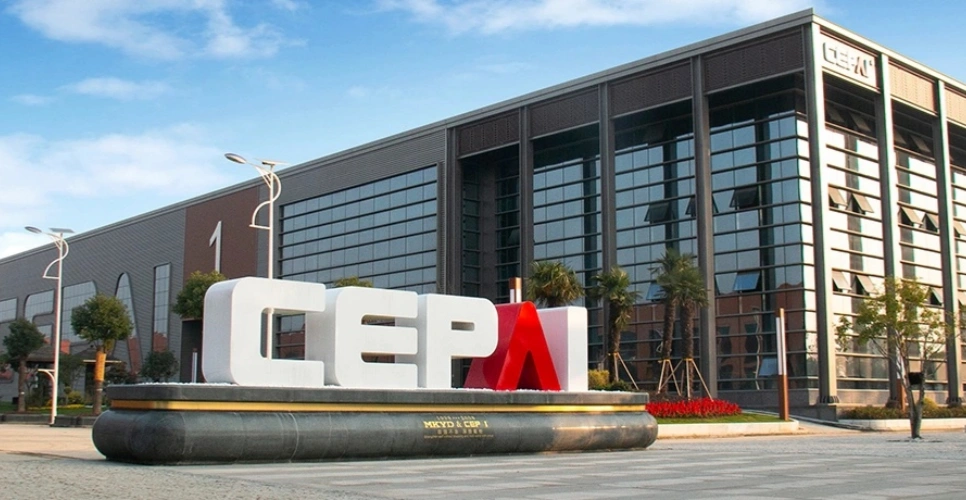
CEPAI Group stands as a leading Electric Ball Valve manufacturer with over 15 years of expertise in developing intelligent valve solutions for chemical processing applications. Our smart electric ball valves combine precision engineering with advanced automation capabilities to deliver the performance and reliability that modern chemical plants demand. Our comprehensive product portfolio includes specialized designs for corrosive chemical service, high-temperature applications, and hazardous area installations. Each valve undergoes rigorous testing in our CNAS-certified laboratory to ensure compliance with international standards including API, ISO, and CE requirements. The integration of IoT sensors and communication protocols enables seamless connection to your existing control systems while providing valuable operational insights.
CEPAI's intelligent manufacturing capabilities, including our state-of-the-art flexible production line spanning the Asia-Pacific region, ensure consistent quality and reliable delivery schedules. Our technical support team provides comprehensive application engineering, installation guidance, and ongoing optimization services to maximize the value of your valve investments. Chemical industry leaders including major petrochemical companies and engineering contractors trust CEPAI electric ball valve technology for critical applications worldwide. Our commitment to innovation, quality, and customer support has earned recognition as a national high-tech enterprise and specialized manufacturer in fluid control systems.
Ready to enhance your chemical plant's process control capabilities with cutting-edge smart electric ball valve technology? Our engineering team stands ready to evaluate your specific requirements and recommend optimal solutions that deliver measurable improvements in safety, efficiency, and reliability. Contact us at cepai@cepai.com to discuss your project requirements and discover how CEPAI's advanced valve solutions can transform your operations. Visit valveknowledge.jscepai.com for detailed technical resources and application guides.
Conclusion
Smart electric ball valves are a game-changer in chemical plant process control, offering advances in accuracy, safety, and efficiency that have a direct bearing on profitability and operational performance. These valves are positioned as crucial elements of contemporary industrial automation plans because to the integration of sophisticated diagnostics, remote monitoring, and predictive maintenance capabilities. Adopting this technology gives chemical processing plants a competitive edge through increased safety performance, lower energy usage, and better product quality. Smart electric ball valves offer the basis for sophisticated process optimization and data-driven decision making that will define the future of chemical manufacturing excellence as the sector continues to move toward digitalization and Industry 4.0 concepts.
References
1. Johnson, M.R., and Smith, K.L. "Advanced Valve Technologies for Chemical Process Industries." Chemical Engineering Progress, vol. 118, no. 3, 2022, pp. 45-52.
2. Anderson, P.J. "Smart Actuator Integration in Industrial Process Control Systems." Instrumentation & Control Systems, vol. 95, no. 7, 2022, pp. 28-34.
3. Williams, D.C., et al. "Energy Efficiency Improvements Through Intelligent Valve Control in Chemical Plants." Process Safety and Environmental Protection, vol. 159, 2022, pp. 892-901.
4. Chen, L.H., and Rodriguez, A.M. "Predictive Maintenance Strategies for Smart Industrial Valves." Maintenance & Asset Management, vol. 37, no. 4, 2023, pp. 18-25.
5. Thompson, R.K. "Digital Transformation in Chemical Process Industries: The Role of Smart Field Devices." Control Engineering, vol. 70, no. 2, 2023, pp. 56-63.
6. Baker, S.T., and Liu, Y.F. "Safety Enhancement Through Intelligent Valve Technologies in Hazardous Chemical Environments." Journal of Loss Prevention in Process Industries, vol. 81, 2023, pp. 104-112.
_1746598557316.webp)