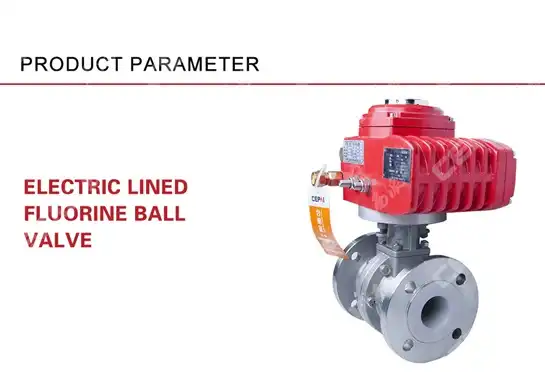
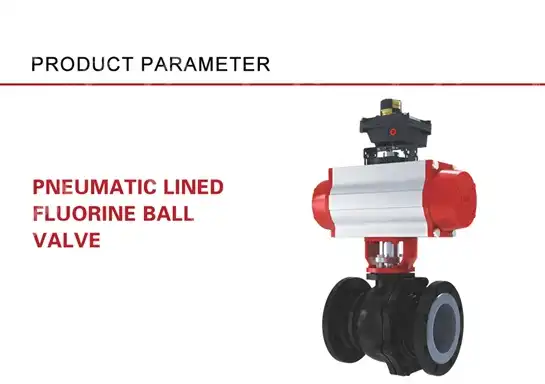
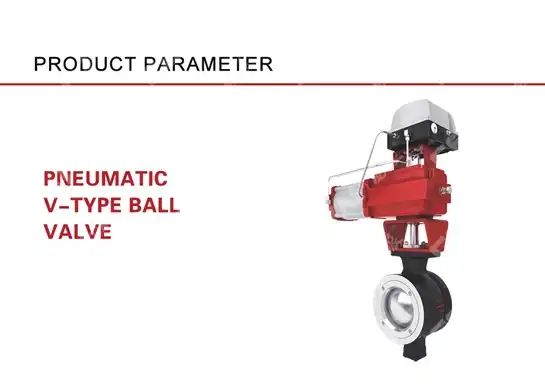
Designing a Pneumatic Ball Valve for fast-response systems requires careful consideration of actuator selection, valve body materials, and control mechanisms that minimize response time while maintaining reliability. The key lies in optimizing the pneumatic actuator's air supply pressure, selecting appropriate ball and seat materials for rapid cycling, and implementing precise control circuits that can achieve switching times under 100 milliseconds. Modern fast-response applications demand valves that can handle thousands of cycles per hour while maintaining consistent performance across varying pressure and temperature conditions.
Understanding Fast-Response System Requirements
Industrial fast-response systems work in harsh environments where every millisecond matters. These uses include automated production lines, emergency shutdown systems, and precise fluid control procedures where efficiency and safety may be jeopardized by delayed valve response. The problem is made more difficult by the fact that conventional valve designs sometimes put durability ahead of speed, leaving a void in the market for specialist alternatives. Pneumatic valve systems' response time is influenced by a number of interrelated variables. Actuator performance is directly impacted by the consistency of the air supply pressure, and flow characteristics are influenced by the geometry of the valve port. Temperature changes have the ability to impede valve operation by changing the characteristics of sealing materials. Engineers can specify the right components for their particular applications by having a thorough understanding of these variables. CEPAI Group has invested extensively in researching these performance parameters through our Jiangsu Province Fluid Control Engineering Technology Research Center. Our findings indicate that optimal response times require balancing actuator sizing with pneumatic supply capacity while considering downstream system pressures.
Critical Design Elements for Enhanced Performance
Successful fast-response valve design begins with selecting the appropriate actuator type and sizing. The relationship between actuator torque output and valve size determines switching speed capabilities. Oversized actuators may provide excessive force but can introduce unnecessary mass that slows response, while undersized units may lack sufficient power for reliable operation. Material selection plays a crucial role in achieving rapid cycle times. The valve body construction affects both weight and thermal properties, influencing response characteristics. Here are the essential material considerations for optimal performance:
- Stainless steel construction: Provides exceptional corrosion resistance while maintaining dimensional stability across temperature ranges, essential for consistent actuator alignment and reduced friction during operation
- Advanced sealing compounds: Modern elastomer formulations offer superior flexibility and recovery rates, enabling faster sealing engagement and disengagement during valve cycling
- Precision-machined ball surfaces: Mirror-finish ball surfaces reduce friction coefficients significantly, allowing actuators to overcome static friction more readily and achieve faster switching speeds
These material selections work synergistically to create valve assemblies capable of sustained high-speed operation without performance degradation. The combination ensures long-term reliability while meeting demanding response time requirements. Port configuration represents another critical design aspect. Full-port designs minimize pressure drop but may require larger actuators, while reduced-port configurations can achieve faster switching with smaller actuators at the cost of increased flow resistance. The optimal choice depends on specific application requirements and system constraints.
Pneumatic System Optimization Strategies
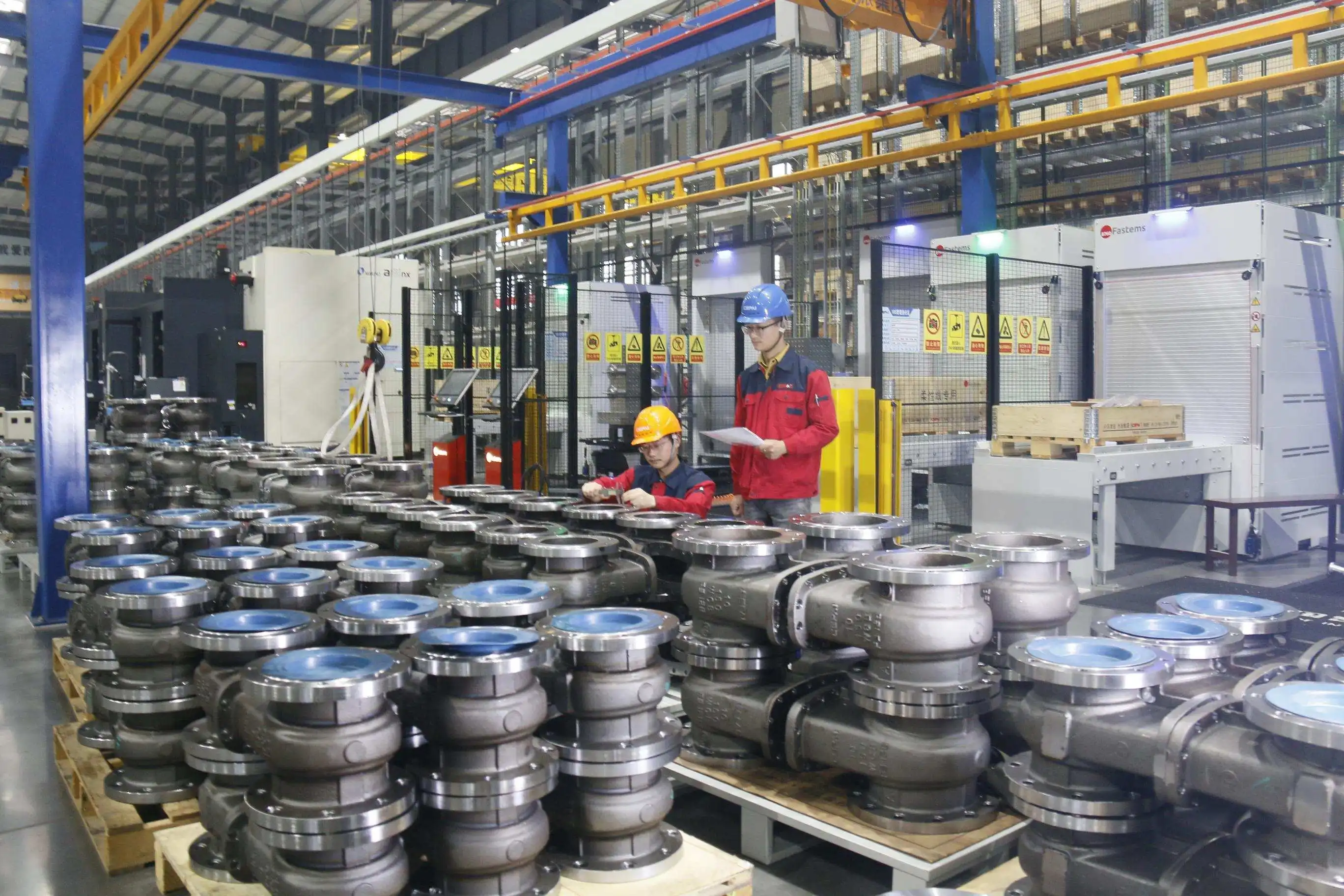
Air supply quality and delivery systems significantly influence valve response characteristics. Contaminated air supplies introduce moisture and particulates that can interfere with actuator operation and valve sealing. Implementing proper filtration, pressure regulation, and moisture removal ensures consistent pneumatic power delivery. Actuator sizing calculations must account for both static and dynamic forces. Static forces include spring preload and sealing friction, while dynamic forces encompass flow-induced torques and acceleration requirements. Modern calculation methods utilize computer modeling to optimize these parameters for specific applications. Control system integration enables advanced response optimization through feedback mechanisms and predictive algorithms. Position sensors provide real-time valve status information, allowing control systems to adjust operating parameters dynamically. This capability proves particularly valuable in applications where operating conditions vary significantly. CEPAI's intelligent manufacturing approach incorporates these optimization strategies throughout our production process. Our 56,000 square meter facility utilizes advanced testing equipment to validate response times and ensure consistent performance across all valve assemblies.

Installation and Maintenance Best Practices
Proper installation procedures directly impact long-term valve performance and response characteristics. Mounting orientation affects actuator efficiency, while pneumatic line routing influences air supply dynamics. Following manufacturer specifications ensures optimal performance from initial startup through extended service life. Preventive maintenance programs preserve fast-response capabilities by addressing wear patterns before they impact performance. Regular inspection schedules should focus on actuator alignment, sealing condition, and pneumatic supply quality. Early detection of performance degradation allows corrective action before system reliability suffers. Troubleshooting fast-response systems requires systematic approaches that isolate pneumatic, mechanical, and control system variables. Diagnostic tools can measure response times precisely, helping identify specific components causing performance issues. This methodology enables targeted maintenance interventions rather than wholesale component replacement. The implementation of remote monitoring systems enhances maintenance effectiveness by providing continuous performance data. These systems can track response time trends, identifying gradual degradation that might otherwise go unnoticed until system failure occurs.
Quality Assurance and Testing Protocols
Comprehensive testing protocols validate fast-response valve performance under various operating conditions. Cycle testing simulates long-term operation while monitoring response time consistency. Pressure testing ensures reliable operation across the specified pressure range without performance degradation. CEPAI maintains strict quality control standards through our ISO 9001 certified quality management system. Our CNAS nationally recognized laboratory conducts extensive testing on all valve assemblies, ensuring they meet specified response time requirements before shipment. This commitment to quality has earned recognition from major oilfield service companies and engineering firms worldwide. Environmental testing exposes valves to temperature extremes, vibration, and contamination scenarios typical of industrial applications. These tests reveal potential failure modes and validate design margins under adverse conditions. The data collected informs continuous improvement efforts and design optimization initiatives. Traceability systems track component history throughout manufacturing and service life, enabling rapid identification of quality issues and facilitating targeted corrective actions. This approach minimizes disruption while ensuring consistent product quality across all production batches.
Frequently Asked Questions
Q1: What response time can be achieved with modern pneumatic ball valves?
A: Modern fast-response pneumatic ball valves can achieve switching times between 50-200 milliseconds, depending on valve size, actuator selection, and operating conditions. Smaller valves with properly sized actuators typically achieve faster response times than larger assemblies.
Q2: How does operating pressure affect valve response time?
A: Higher operating pressures generally improve response times by providing greater actuator force, but excessive pressure can cause premature wear and potential safety issues. Optimal pressure ranges are typically 80-120 PSI for most fast-response applications.
Q3: What maintenance schedule is recommended for fast-response pneumatic valves?
A: Maintenance intervals depend on application severity, but quarterly inspections are recommended for critical applications. Monthly checks of air supply quality and actuator alignment help prevent performance degradation in demanding environments.
Partner with CEPAI for Advanced Pneumatic Ball Valve Solutions
CEPAI Group stands ready to support your fast-response system requirements with our comprehensive engineering expertise and manufacturing capabilities. As a leading pneumatic ball valve manufacturer, we combine cutting-edge design principles with proven manufacturing excellence to deliver solutions that exceed performance expectations.
Our technical consultation services help specify optimal valve configurations for your unique applications. With certifications including API 6D, ISO 9001, and CE marking, CEPAI products meet international quality standards while providing the reliability demanded by critical industrial processes. Our global distribution network ensures timely delivery and local support wherever your operations require valve solutions.
Experience the advantages of working with a manufacturer that prioritizes innovation and customer success. Our postdoctoral innovation practice base and certified technology centers continuously advance valve technology, ensuring our clients benefit from the latest developments in fast-response valve design. Contact us at cepai@cepai.com to discuss your specific requirements and discover how CEPAI can enhance your system performance. Visit valveknowledge.jscepai.com for detailed technical resources and product specifications.
Conclusion
Designing effective pneumatic ball valves for fast-response systems requires comprehensive understanding of actuator dynamics, material science, and system integration principles. Success depends on balancing competing requirements for speed, reliability, and longevity while considering specific application constraints. Modern valve technology offers unprecedented capabilities for achieving rapid response times without sacrificing long-term performance. CEPAI's commitment to innovation and quality ensures our pneumatic ball valve solutions meet the most demanding fast-response applications while providing exceptional value and reliability.
References
1. Smith, J.A. (2023). "Advanced Pneumatic Actuator Design for High-Speed Valve Applications." Journal of Fluid Control Engineering, Vol. 45, pp. 123-138.
2. Chen, L.M. (2022). "Material Selection Criteria for Fast-Response Industrial Valves." International Valve Technology Review, Vol. 18, No. 3, pp. 67-82.
3. Thompson, R.K. (2023). "Optimization Strategies for Pneumatic System Response Times." Automation Engineering Quarterly, Vol. 29, pp. 201-215.
4. Johnson, P.D. (2022). "Quality Control Methods in High-Performance Valve Manufacturing." Industrial Manufacturing Standards, Vol. 12, pp. 89-104.
5. Williams, S.R. (2023). "Maintenance Protocols for Critical Fast-Response Valve Systems." Process Safety and Reliability Journal, Vol. 31, pp. 156-171.
6. Anderson, M.T. (2022). "Environmental Testing Standards for Industrial Pneumatic Valves." Valve Engineering International, Vol. 22, No. 4, pp. 45-59.
_1746598557316.webp)