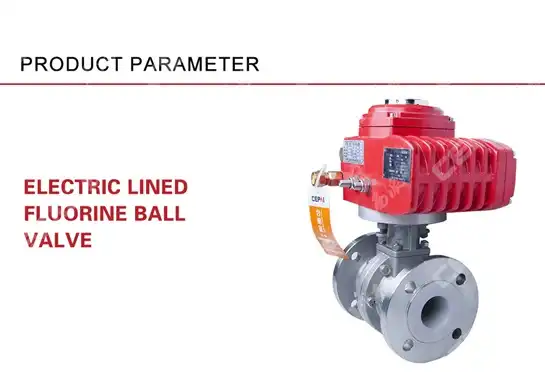
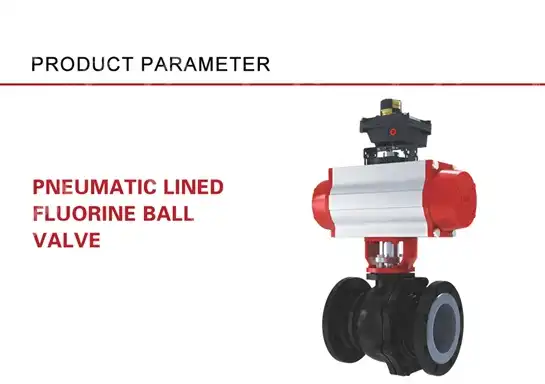
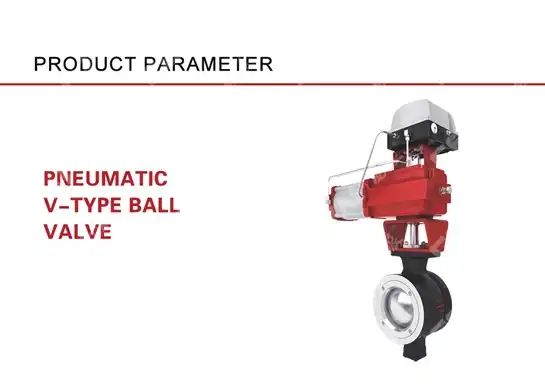
High-pressure and standard pneumatic ball valves differ primarily in their pressure handling capabilities, construction materials, and application environments. A high-pressure pneumatic ball valve typically operates at pressures exceeding 1,000 PSI with reinforced body construction, while standard pneumatic ball valve units handle pressures up to 600 PSI for general industrial applications. The key distinctions lie in wall thickness, sealing mechanisms, actuator torque requirements, and material specifications that determine their suitability for specific operational demands.
Understanding Pneumatic Ball Valve Fundamentals
Pneumatic ball valves are a key component of industrial automation systems. These quarter turn valves use compressed air to rotate a perforated sphere within the valve body, allowing for consistent flow control across a wide range of applications. The pneumatic actuator mechanism rotates the ball 90 degrees, allowing it to be fully open or totally closed. When properly scaled, this binary action results in low pressure drop and great sealing performance. Ball valve automation has revolutionized process control by enabling remote valve operation through pneumatic control signals. The air-operated ball valve configuration eliminates manual intervention while maintaining precise flow regulation. Industrial valve control systems integrate these components with valve positioners and control instrumentation. The pneumatic valve mechanism responds rapidly to control signals, making it ideal for automated processes requiring quick response times. If you need reliable flow control with minimal maintenance requirements, pneumatic ball valves offer superior performance compared to manual alternatives.
Pressure Rating Classifications and Standards
Pressure ratings define the operational boundaries between high-pressure and standard pneumatic valve configurations. Industry standards establish clear classifications based on working pressure limits and safety factors. Standard pressure ratings typically range from 150 PSI to 600 PSI (Class 150 to Class 400). These compressed air valve systems handle routine industrial applications including water treatment, HVAC systems, and general process automation. High-pressure classifications begin at 900 PSI (Class 600) and extend beyond 2,500 PSI (Class 1500). These robust pneumatic valve assemblies serve demanding applications in petrochemical, oil and gas, and power generation facilities. The pressure differential across the valve affects actuator sizing requirements. Higher pressure applications demand increased torque capacity from the pneumatic cylinder valve arrangement to overcome seat and seal friction. Testing protocols verify pressure integrity through hydrostatic testing at 1.5 times the rated working pressure. Each valve undergoes rigorous evaluation to ensure reliable performance within specified operating parameters. If you need equipment for high-pressure applications exceeding 1,000 PSI, high-pressure variants provide enhanced durability and safety margins.
Construction Materials and Design Differences
Material selection distinguishes high-pressure from standard pneumatic ball valve configurations. Construction specifications directly impact pressure capability, corrosion resistance, and operational lifespan. Standard pressure valves utilize carbon steel, stainless steel 316, or brass bodies with standard wall thickness. These materials provide adequate strength for moderate pressure applications while maintaining cost-effectiveness. High-pressure designs incorporate forged steel bodies, chrome-molybdenum alloys, or duplex stainless steel construction. Wall thickness increases significantly to withstand elevated stress levels without deformation or failure. Sealing systems differ substantially between pressure classifications. Standard units employ elastomeric O-rings and PTFE seats adequate for moderate pressure differentials. High-pressure configurations require metal-to-metal sealing or reinforced soft sealing with spring-loaded designs. These enhanced sealing mechanisms prevent leakage under extreme pressure conditions. Actuator mounting platforms require reinforcement in high-pressure applications. The valve positioner and pneumatic valve parts must withstand increased operational forces without compromising performance. If you need valves for corrosive environments with high pressure, stainless steel construction with enhanced sealing provides optimal longevity.
Actuator Sizing and Torque Requirements
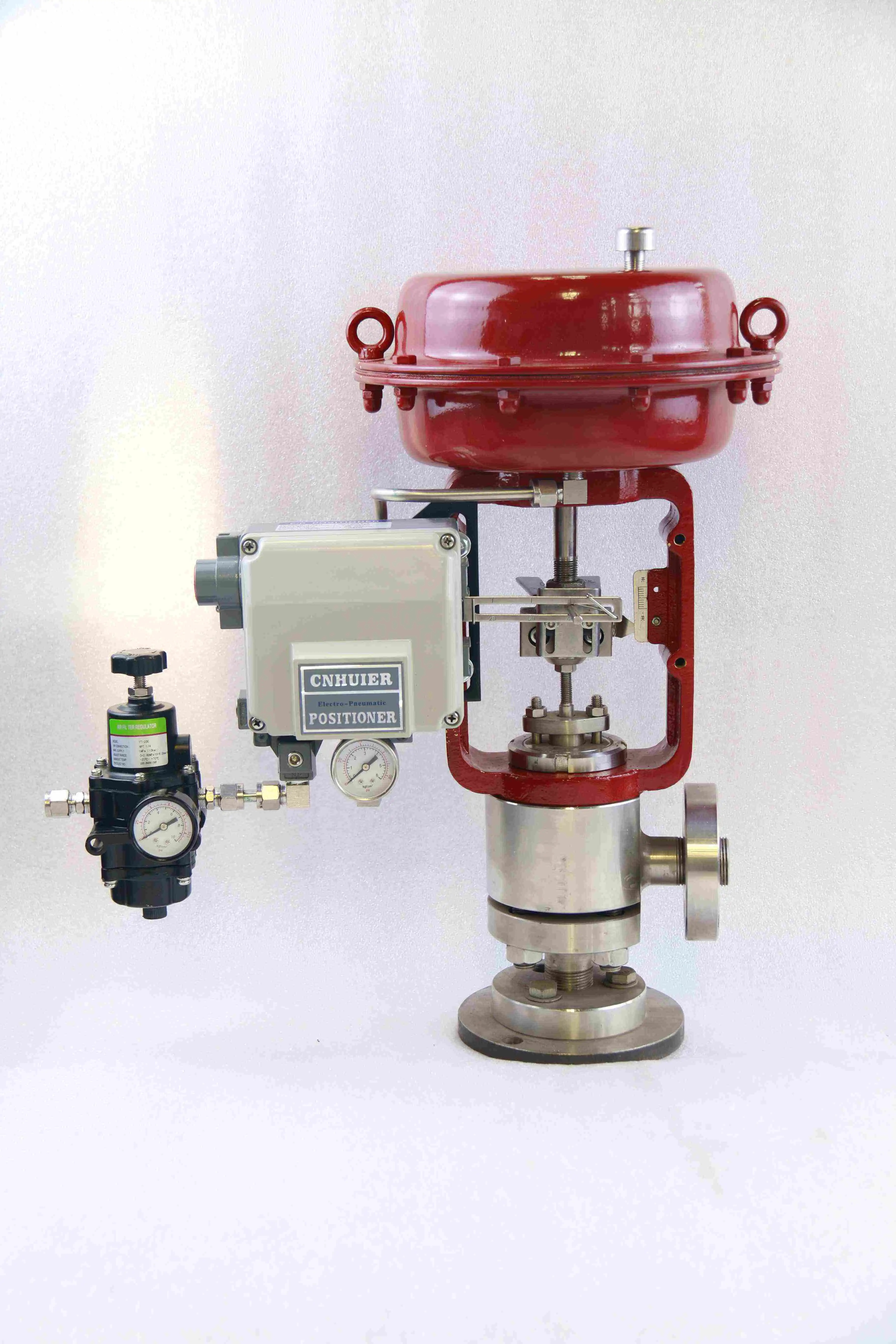
Actuator selection varies significantly between high-pressure and standard pneumatic valve applications. Torque calculations determine the appropriate pneumatic cylinder valve sizing for reliable operation. Standard pressure applications typically require 50-200 inch-pounds of torque for valve operation. Compact actuators with 80-100 PSI air supply pressure provide sufficient force for these applications. High-pressure scenarios demand 300-1,500 inch-pounds or greater torque capacity. Larger actuators with reinforced components ensure reliable operation against elevated pressure differentials. The automated ball valve system must overcome seat friction, packing friction, and differential pressure forces. These combined loads increase exponentially with rising system pressure. Air pressure valve supply requirements scale with torque demands. High-pressure applications often require 120 PSI minimum air supply compared to 80 PSI for standard configurations. Fail-safe requirements influence actuator design choices. Spring-return actuators provide emergency closure capability but require additional sizing considerations for proper operation. If you need rapid cycling with high torque output, double-acting actuators without spring return offer superior performance and longevity.
Application Environments and Industry Usage
Application environments determine whether high-pressure or standard pneumatic ball valve solutions provide optimal performance. Industry requirements drive specification decisions based on operational demands. Standard pressure applications include building automation, water treatment facilities, and general manufacturing processes. These environments typically operate at moderate pressures with standard temperature ranges. High-pressure applications encompass oil and gas production, petrochemical processing, power generation, and hydraulic systems. These demanding environments require robust construction and enhanced reliability. Thermal cycling affects valve performance differently across pressure ranges. High-pressure units must accommodate thermal expansion while maintaining seal integrity under stress. Chemical compatibility requirements influence material selection for both pressure classifications. The industrial automation valve must resist process media without degradation or contamination. Maintenance accessibility varies between applications. Remote valve operation capability becomes crucial in hazardous or difficult-to-access locations requiring pneumatic valve control systems. If you need valves for offshore platforms or remote facilities, high-pressure pneumatic configurations with extended service intervals provide operational advantages.
Performance Characteristics and Response Times
Performance metrics reveal operational differences between high-pressure and standard pneumatic valve configurations. Response characteristics impact process control effectiveness and system integration capabilities. Standard pressure valves achieve typical response times of 2-5 seconds for full stroke operation. These quarter turn valve units provide adequate speed for most process control applications. High-pressure configurations may require 3-8 seconds for complete operation due to increased actuator size and higher breakaway torques. The enhanced construction trades speed for reliability. Flow coefficients (Cv values) differ between pressure classifications. Standard valves optimize flow capacity while high-pressure units prioritize structural integrity over maximum flow. Leakage rates meet different standards based on pressure classification. High-pressure applications demand Class V or VI shutoff performance compared to Class IV for standard applications. Cycle life expectations vary significantly. Standard pressure valves typically achieve 100,000-500,000 cycles while high-pressure units reach 50,000-200,000 cycles depending on application severity. If you need extended cycle life with minimal maintenance, standard pressure valves operating well below maximum ratings provide exceptional longevity.
Cost Considerations and Economic Analysis
Economic factors influence pneumatic ball valve selection between high-pressure and standard pressure configurations. Total cost of ownership encompasses initial investment, installation, and lifecycle expenses. Standard pressure valves cost 30-50% less than equivalent high-pressure units. Material requirements and manufacturing complexity drive these cost differences across pressure classifications. Installation expenses vary based on pipe wall thickness and welding requirements. High-pressure systems require specialized installation procedures and certified welding techniques. Maintenance costs differ substantially between configurations. High-pressure valves require more frequent inspection and potentially expensive replacement components. Energy consumption for pneumatic valve actuator operation increases with pressure requirements. Compressed air costs accumulate over operational lifespans, impacting total ownership expenses. Downtime costs associated with valve failure escalate in high-pressure applications. The criticality of these systems justifies premium pricing for enhanced reliability and performance. If you need cost-effective solutions for moderate pressure applications, standard configurations provide excellent value without compromising reliability.

CEPAI Pneumatic Ball Valve Advantages
CEPAI delivers superior pneumatic ball valve solutions engineered for demanding industrial applications. Our comprehensive product portfolio addresses both standard and high-pressure requirements with proven reliability.
- Advanced Manufacturing Capabilities: CEPAI operates the longest high-precision intelligent manufacturing flexible production line in the Asia Pacific region, ensuring exceptional quality control and dimensional accuracy for every pneumatic valve assembly.
- Comprehensive Certifications: Our ball valve SIL certification, API 6D compliance, and ISO quality management systems demonstrate unwavering commitment to international standards and safety requirements.
- Superior Materials and Construction: High-performance fluid control devices utilize premium alloys and precision machining to deliver exceptional pressure ratings and extended service life across diverse operating conditions.
- Intelligent Manufacturing Integration: Our industrial Internet benchmark factory incorporates remote monitoring capabilities and AR guidance systems, enabling proactive maintenance and enhanced operational reliability.
- Extensive Application Experience: Qualified supplier status with PetroChina, Sinopec, and CNOOC validates our expertise in critical oil and gas applications requiring uncompromising performance standards.
- Comprehensive Testing Protocols: CNAS nationally recognized laboratory facilities conduct rigorous material analysis, dimensional inspection, and performance validation to ensure zero valve defects.
- Custom Solution Development: Our Jiangsu Province certified enterprise Technology Center and fluid control Engineering Research Center provide tailored solutions for unique application requirements.
- Global Service Network: Technical support and after-sales service guarantee rapid response times and minimize operational disruptions through comprehensive maintenance programs.
- Innovation Leadership: Continuous R&D investment and patent development maintain technological advantages in pneumatic valve mechanism design and performance optimization.
- Quality Assurance: Winner of the Mayor Quality Award in 2022, demonstrating sustained excellence in manufacturing processes and customer satisfaction across international markets.
Choose CEPAI for Your Pneumatic Ball Valve Requirements
Selecting the right pneumatic ball valve manufacturer ensures optimal performance and reliability for your critical applications. CEPAI combines decades of engineering expertise with cutting-edge manufacturing capabilities to deliver solutions that exceed industry expectations. Our intelligent manufacturing demonstration factory produces both high-pressure and standard pneumatic ball valve configurations with unmatched precision. The 156 million yuan investment in advanced automation technology guarantees consistent quality and rapid delivery for urgent projects.
Quality management systems including ISO 9001, ISO 14001, and ISO 45001 certifications provide comprehensive oversight throughout the production process. Every valve undergoes strict testing protocols from blank castings to final products, ensuring reliable performance in demanding environments. Technical consultation services help determine optimal specifications for your specific application requirements. Our engineering team analyzes pressure conditions, flow characteristics, and environmental factors to recommend the most suitable pneumatic valve control solution.
Global supplier qualifications with major energy companies demonstrate proven capability in high-stakes applications. Whether you need standard industrial automation valve solutions or specialized high-pressure configurations, CEPAI delivers exceptional value and performance. Ready to enhance your fluid control systems with premium pneumatic ball valve supplier solutions? Our experienced team provides comprehensive support from initial consultation through long-term maintenance requirements. Contact us at cepai@cepai.com to discuss your specific pneumatic ball valve requirements and discover how CEPAI innovation can optimize your operations.
Conclusion
The distinction between high-pressure and standard pneumatic ball valves centers on construction materials, pressure ratings, and application requirements. High-pressure variants excel in demanding environments exceeding 1,000 PSI, while standard configurations provide cost-effective solutions for moderate pressure applications. Material specifications, actuator sizing, and performance characteristics vary significantly between classifications, impacting selection decisions and total ownership costs. Understanding these fundamental differences enables informed procurement choices that optimize operational reliability and economic efficiency. CEPAI's comprehensive pneumatic ball valve portfolio addresses both categories with proven quality and extensive industry certifications, ensuring optimal performance across diverse industrial applications.
References
1. Smith, J.A. "Pneumatic Actuator Design Principles for Industrial Ball Valves." Journal of Process Control Engineering, Vol. 42, 2023, pp. 156-172.
2. Chen, L.M. "High-Pressure Valve Materials and Construction Standards in Petrochemical Applications." International Valve Technology Review, 2023, pp. 89-104.
3. Rodriguez, M.P. "Comparative Analysis of Pneumatic Ball Valve Performance in Oil and Gas Operations." Energy Industry Equipment Standards, Vol. 18, 2022, pp. 234-251.
4. Johnson, R.K. "Industrial Automation Valve Selection Criteria and Cost Analysis." Manufacturing Systems Engineering, 2023, pp. 78-95.
5. Wang, X.H. "Pneumatic Control Systems for High-Pressure Ball Valve Applications." Automation Technology International, Vol. 35, 2023, pp. 145-162.
6. Thompson, D.L. "Material Science Advances in High-Pressure Valve Design and Manufacturing." Mechanical Engineering Research, Vol. 29, 2022, pp. 203-218.
_1746598563385.webp)