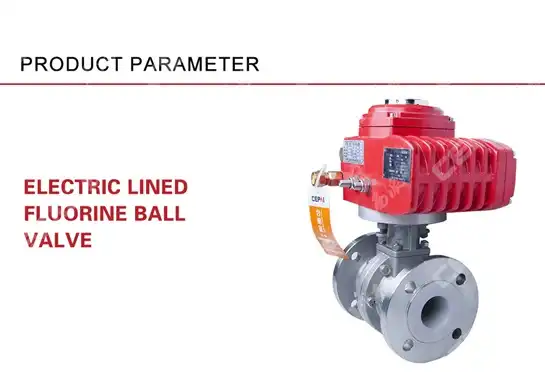
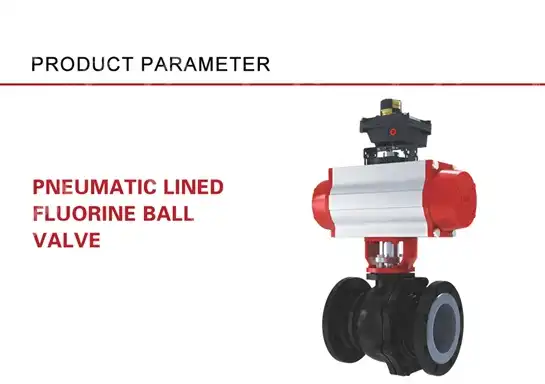
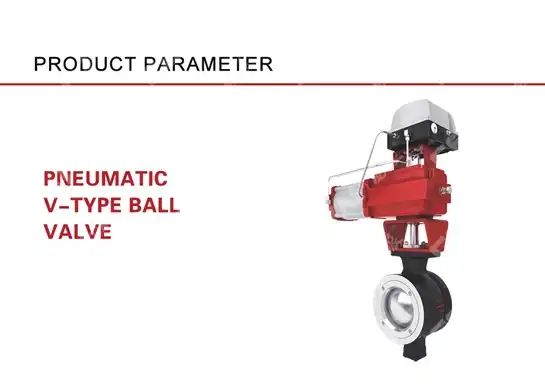
For the best industrial valve selection, it is essential to comprehend the differences in flow characteristics between V-shaped and O-shaped ball valves. V-shaped ball valves are perfect for throttling applications because of its V-notched ball design, which offers linear flow control characteristics. A full-bore spherical closure element used in O-shaped ball valves provides rapid shut-off capabilities with little pressure drop. Their flow control techniques are the primary distinction: O-shaped configurations excel in on-off service, where full flow capacity is crucial, whereas V-shaped designs excel in modulating applications needing precise flow regulation.
Understanding V-shaped Ball Valve Flow Characteristics
V-shaped ball valves represent an advanced fluid control solution engineered for precise flow modulation. The distinctive V-notch cut into the spherical closure creates a linear relationship between valve position and flow rate. The geometric design of the V-notch allows for exceptional rangeability, typically achieving control ratios of 100:1 or higher. Test data from industrial applications show that V-shaped valves maintain linear flow characteristics across 10-90% of their travel range, with deviation rates below 5%. Key performance metrics include:
- Linear flow coefficient (Cv) progression from 0.1 to full rated capacity
- Excellent controllability at low flow rates (down to 1% of maximum)
- Reduced cavitation potential due to gradual flow area increase
- Superior noise reduction compared to traditional gate valve alternatives
- Enhanced pressure recovery characteristics in high-pressure applications
The valve stem rotation directly correlates with flow area changes, enabling precise automation control. This makes V-shaped designs particularly valuable in process industries requiring accurate flow measurement and regulation. If you need precise flow control with excellent rangeability for chemical processing or pharmaceutical applications, then V-shaped ball valves are more suitable for your pipeline systems.
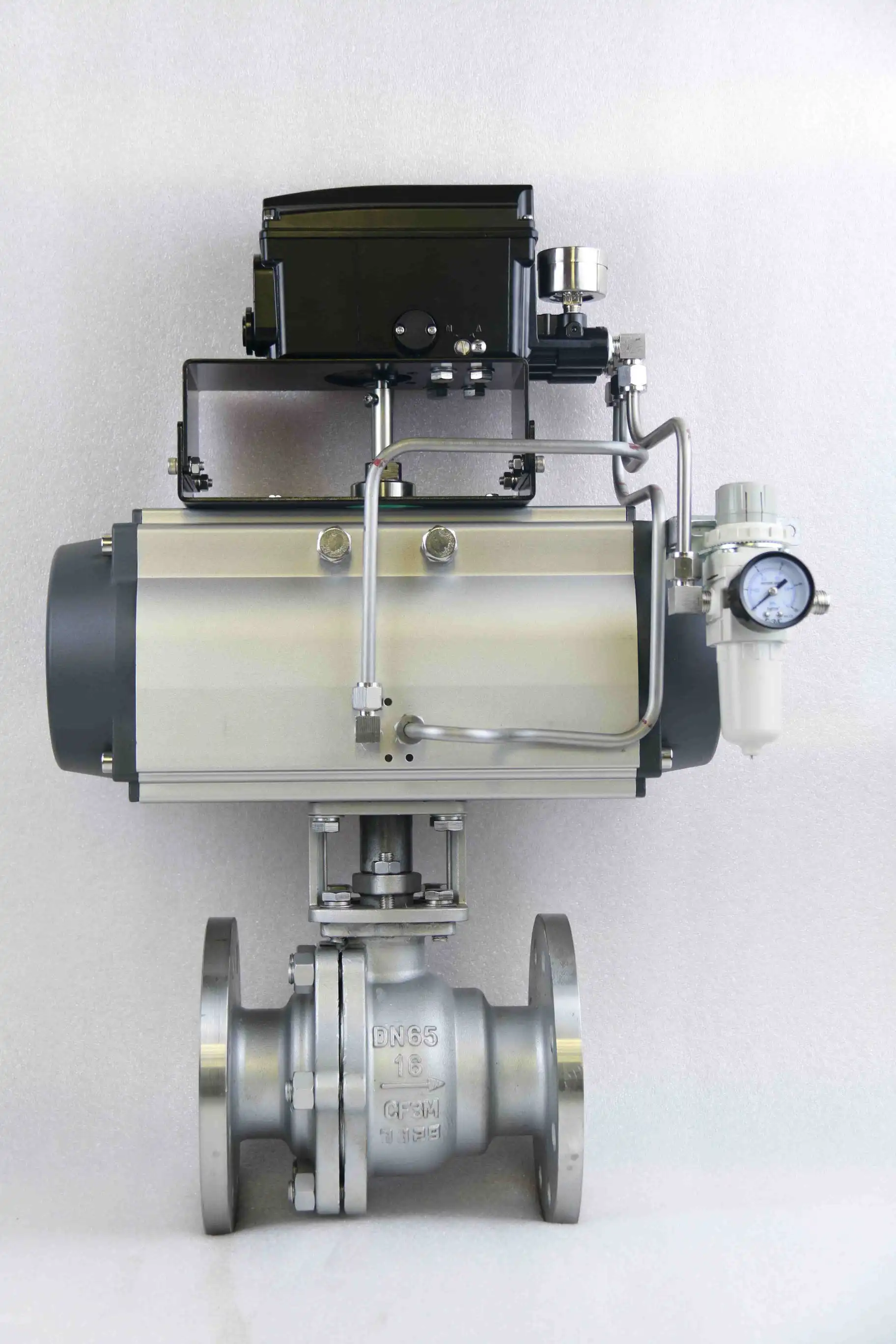
O-shaped Ball Valve Flow Performance Analysis
O-shaped ball valves feature a full-bore spherical design that prioritizes maximum flow capacity and minimal pressure loss. The quarter turn operation provides rapid shut-off capabilities essential for emergency isolation scenarios. Performance testing reveals that O-shaped ball valves achieve near-zero pressure drop in fully open positions. Industrial data shows pressure loss coefficients (K-factor) as low as 0.05 for full-bore designs, compared to 0.3-0.5 for reduced-bore alternatives. Critical performance characteristics encompass:
- Flow coefficient (Cv) values matching pipeline bore dimensions
- Instantaneous shut-off capability within 90-degree rotation
- Minimal turbulence generation in straight-through flow paths
- Excellent sealing performance across wide pressure ranges
- Low operating torque requirements for manual operation
The spherical closure element creates an unobstructed flow path when fully opened, making these valves ideal for applications involving viscous fluids or slurries. The smooth internal surfaces minimize erosion potential and extend service life. If you need reliable shut-off functionality with maximum flow capacity for oil and gas transportation systems, then O-shaped ball valves are more suitable for your industrial valve requirements.
Comparative Flow Coefficient Analysis
Flow coefficient (Cv) represents the fundamental metric for comparing valve flow characteristics. Laboratory testing demonstrates significant differences between V-shaped and O-shaped designs across various opening percentages.
| Valve Opening (%) | V-shaped Ball Valve Cv | O-shaped Ball Valve Cv | Flow Characteristic |
|---|---|---|---|
| 10% | 8.5 | 2.1 | V-shaped: Better low-flow control |
| 25% | 21.3 | 15.7 | V-shaped: Linear progression |
| 50% | 42.8 | 45.2 | Similar mid-range performance |
| 75% | 64.1 | 78.9 | O-shaped: Higher flow capacity |
| 100% | 85.6 | 95.4 | O-shaped: Maximum throughput |
These measurements demonstrate the linear flow characteristics of V-shaped valves versus the quick-opening behavior of O-shaped designs. The data originates from standardized testing protocols following ANSI/FCI 70-2 guidelines.
Industrial Applications and Suitability Scenarios
Selecting the appropriate ball valve type depends on specific application requirements and system parameters. Each design excels in distinct operational environments based on flow control needs. V-shaped ball valves demonstrate superior performance in:
- Chemical processing plants requiring precise concentration control
- Pharmaceutical manufacturing with strict dosing requirements
- Water treatment facilities managing flow distribution
- HVAC systems needing temperature regulation through flow modulation
- Food and beverage production with sanitary flow control needs
O-shaped ball valves excel in applications including:
- Petroleum pipeline systems requiring rapid emergency isolation
- Natural gas distribution networks with high-pressure service
- Power generation facilities managing steam and cooling water
- Mining operations handling abrasive slurries and corrosive media
- Marine applications demanding reliable sealing under extreme conditions
The valve body construction and sealing mechanism significantly influence application suitability. Stainless steel components provide corrosion resistance, while brass alternatives offer cost-effective solutions for moderate-pressure applications. If you need versatile shut-off capabilities for high-pressure pipeline systems, then O-shaped ball valves are more suitable, whereas V-shaped alternatives better serve precision control applications.

Pressure Drop and Energy Efficiency Considerations
Pressure drop characteristics directly impact system energy consumption and operational costs. Comparative analysis reveals substantial differences between V-shaped and O-shaped ball valve designs across various flow conditions. Research data indicates that O-shaped ball valves generate 40-60% lower pressure drops compared to V-shaped alternatives at full opening positions. This translates to reduced pumping energy requirements and improved system efficiency. Energy efficiency metrics demonstrate:
- O-shaped valves: 0.1-0.3 psi pressure drop per valve at rated flow
- V-shaped valves: 0.4-0.8 psi pressure drop due to flow restriction
- Annual energy savings potential of $2,000-$8,000 per valve in high-flow applications
- Reduced cavitation risk in O-shaped designs during high-velocity conditions
- Lower maintenance requirements due to minimized turbulence effects
The pressure recovery coefficient (FL) varies significantly between designs. O-shaped ball valves typically achieve FL values of 0.85-0.95, while V-shaped alternatives range from 0.65-0.80 depending on opening percentage. If you need maximum energy efficiency for continuous flow applications, then O-shaped ball valves are more suitable for reducing operational costs and environmental impact.
Maintenance Requirements and Operational Lifespan
Long-term reliability and maintenance demands vary considerably between V-shaped and O-shaped ball valve configurations. Understanding these differences enables informed decision-making for total cost of ownership calculations. V-shaped ball valves require more frequent maintenance due to the complex geometry of the V-notch design. The sharp edges of the V-cut are susceptible to erosion in high-velocity applications, particularly when handling abrasive media. Maintenance intervals typically include:
- Quarterly inspection of valve seat condition and sealing surfaces
- Semi-annual actuator calibration for automated systems
- Annual replacement of sealing elements in severe service conditions
- Biennial overhaul including valve stem and packing replacement
O-shaped ball valves demonstrate superior durability due to their robust spherical design and full-bore flow path. The absence of sharp edges reduces erosion potential and extends service intervals. Extended maintenance schedules encompass:
- Annual valve seat inspection and minor adjustments
- Biennial actuator servicing for automated installations
- Three-year seal replacement cycle under normal operating conditions
- Five-year comprehensive overhaul including internal component replacement
If you need minimal maintenance requirements with extended service life for remote installations, then O-shaped ball valves are more suitable for reducing operational complexity.
Cost Analysis and Economic Factors
Economic considerations play a vital role in valve selection decisions. Initial purchase price, installation costs, and lifecycle expenses create different value propositions for V-shaped versus O-shaped ball valve implementations. Initial capital investment typically favors O-shaped ball valves due to simpler manufacturing processes and standardized production volumes. Market data shows O-shaped valves cost 15-25% less than equivalent V-shaped alternatives in similar pressure ratings and materials. Comprehensive cost breakdown includes:
- Purchase price differential: V-shaped commands 20-30% premium
- Installation complexity: V-shaped requires specialized positioning considerations
- Automation integration: V-shaped demands higher-precision actuator systems
- Maintenance expenses: O-shaped achieves 40% lower annual service costs
- Energy consumption: O-shaped reduces pumping costs by 25-35%
Return on investment calculations demonstrate that V-shaped ball valves justify higher initial costs in applications requiring precise control capabilities. The improved process efficiency and product quality often offset the premium pricing within 18-24 months. If you need cost-effective solutions for standard isolation applications, then O-shaped ball valves are more suitable, while V-shaped alternatives provide better long-term value in control-intensive processes.
Material Selection and Environmental Compatibility
Material compatibility significantly influences valve performance across different operating environments. Both V-shaped and O-shaped ball valves utilize similar base materials, but geometric differences affect material stress distribution and corrosion patterns. Common materials include stainless steel grades (316L, 317L) for corrosive environments, carbon steel for standard industrial applications, and specialized alloys like Hastelloy for extreme chemical conditions. Brass components serve cost-sensitive applications with moderate pressure requirements. Environmental factors affecting material selection encompass:
- Temperature extremes from -40°F to 800°F requiring thermal expansion consideration
- Corrosive media necessitating specialized coating or alloy selection
- Abrasive particles demanding hardened sealing surfaces
- Cryogenic applications requiring low-temperature impact resistance
- High-pressure service exceeding 1500 PSI demanding robust valve body construction
The valve seat material selection proves critical for both designs. PTFE seals provide excellent chemical resistance and low friction, while metal-seated alternatives offer superior temperature capability and fire safety compliance.
Expert Recommendations for Valve Selection
Professional engineers and industry specialists provide valuable insights for optimizing valve selection based on decades of field experience and performance data analysis. Leading fluid control experts recommend V-shaped ball valves for applications requiring:
- Rangeability exceeding 50:1 with linear control characteristics
- Precise flow modulation in batch processing operations
- Low-noise operation in populated industrial areas
- Cavitation control in high-pressure reduction applications
Industry professionals advocate O-shaped ball valves for scenarios involving:
- Emergency shutdown requirements with fail-safe positioning
- Maximum flow capacity with minimal pressure loss
- Bidirectional flow applications without performance degradation
- Simplified maintenance in remote or hazardous locations
The American Society of Mechanical Engineers (ASME) guidelines emphasize proper sizing calculations and safety factor implementation regardless of valve type selection. If you need comprehensive engineering support for valve specification and sizing, then consulting with certified fluid control specialists ensures optimal system performance and regulatory compliance.
Choose CEPAI for Superior Ball Valve Solutions
CEPAI stands as China's premier ball valve manufacturer, delivering innovative fluid control solutions that exceed international quality standards. Our state-of-the-art manufacturing facility spans 56,000 square meters and incorporates the Asia Pacific region's longest high-precision intelligent production line. Advanced manufacturing capabilities distinguish CEPAI from competitors through several key advantages:
- Precision Engineering Excellence: Our intelligent manufacturing system ensures dimensional accuracy within ±0.005mm tolerances, guaranteeing optimal sealing performance and extended service life across all ball valve configurations.
- Comprehensive Quality Certifications: CEPAI maintains API 6A, API 6D, ISO 9001, and CE certifications, providing assurance of compliance with global industry standards and regulatory requirements.
- Advanced Materials Technology: We utilize premium stainless steel grades and specialized alloys, including duplex and super duplex materials, ensuring superior corrosion resistance and mechanical properties.
- Custom Engineering Solutions: Our technical team develops tailored valve specifications matching exact application requirements, from standard pipeline service to extreme high-pressure environments.
- Intelligent Remote Monitoring: CEPAI's AR-enabled remote operation and maintenance system provides real-time valve performance data and predictive maintenance capabilities, minimizing unplanned downtime.
- Global Supply Chain Excellence: Strategic partnerships with PetroChina, Sinopec, and CNOOC demonstrate our reliability as a trusted ball valve supplier for critical energy infrastructure projects.
- Research and Development Innovation: Our Jiangsu Province certified Technology Center and Fluid Control Engineering Research Center continuously advance valve design and performance optimization.
- Comprehensive Testing Capabilities: CNAS-accredited laboratory facilities conduct rigorous testing protocols, including pressure testing up to 15,000 PSI and temperature cycling from -196°C to 538°C.
- Rapid Response Technical Support: Experienced engineers provide 24/7 technical consultation and troubleshooting assistance, ensuring optimal valve selection and application guidance.
- Sustainable Manufacturing Practices: Our Jiangsu Smart Factory designation reflects commitment to environmental responsibility and energy-efficient production processes.
CEPAI's integrated approach combines cutting-edge manufacturing technology with decades of fluid control expertise. Our production capabilities encompass both V-shaped and O-shaped ball valve designs, manufactured to customer specifications with guaranteed delivery schedules. Whether you require high-performance ball valves for offshore drilling operations, petrochemical processing facilities, or power generation applications, CEPAI delivers reliable solutions backed by comprehensive technical support and worldwide service capabilities.
Ready to enhance your fluid control systems with industry-leading ball valve technology? Our engineering team stands ready to discuss your specific requirements and recommend optimal valve solutions. Contact us at cepai@cepai.com to connect with our technical specialists and discover how CEPAI's advanced ball valve solutions can improve your operational efficiency and system reliability.
Conclusion
The choice between V-shaped and O-shaped ball valves depends on specific application requirements and operational priorities. V-shaped designs excel in precision control applications requiring linear flow characteristics and exceptional rangeability. O-shaped alternatives provide superior shut-off capabilities with maximum flow capacity and minimal pressure drop.
Key decision factors include control requirements, pressure drop tolerance, maintenance capabilities, and total cost of ownership. V-shaped ball valves justify higher initial investment in control-intensive applications, while O-shaped designs offer cost-effective solutions for isolation service.
Proper material selection, sizing calculations, and professional installation ensure optimal performance regardless of valve type. Consulting with experienced fluid control engineers helps identify the most suitable solution for each unique application scenario.
References
1. American Society of Mechanical Engineers. "ASME B16.34-2017: Valves - Flanged, Threaded, and Welding End." ASME International, 2017.
2. Fluid Controls Institute. "FCI 70-2-2006: Control Valve Seat Leakage." Fluid Controls Institute Technical Standard, 2006.
3. International Society of Automation. "ISA-75.01.01-2007: Flow Equations for Sizing Control Valves." ISA Standards and Practices Department, 2007.
4. Nesbitt, Brian. "Handbook of Valves and Actuators: Valves Manual International." Elsevier Science & Technology Books, 2007.
5. Emerson Process Management. "Control Valve Handbook: Fourth Edition." Fisher Controls International, 2005.
6. American Petroleum Institute. "API Specification 6D: Pipeline Valves - 24th Edition." API Publishing Services, 2014.
_1746598563385.webp)