Sealing technologies fundamentally determine the operational longevity and performance reliability of ball valves across industrial applications. Advanced sealing systems prevent fluid leakage, resist chemical corrosion, and withstand extreme pressure conditions that would otherwise compromise valve integrity. The selection of appropriate sealing materials—whether elastomeric compounds, metal-to-metal configurations, or composite designs—directly influences maintenance intervals, replacement costs, and overall system uptime. Modern ball valve manufacturers integrate sophisticated sealing solutions that extend service life by addressing common failure modes such as thermal expansion, chemical degradation, and mechanical wear. Understanding these relationships enables engineers and procurement professionals to optimize valve selection for maximum operational efficiency.
Understanding Ball Valve Sealing Technologies
In order to regulate fluid flow and ensure leak-tight performance over the course of their service life, ball valves rely on exact sealing mechanisms. The sealing system is made up of several parts that cooperate to form barriers that prevent fluid escape and contaminant infiltration. Different material categories are used in modern sealing technologies, each of which is intended to solve particular operating issues. Polytetrafluoroethylene (PTFE), perfluoroelastomer (FFKM), and ethylene propylene diene monomer (EPDM) compounds are examples of soft sealing materials. Even at moderate pressure differentials, these materials can effectively create sealing barriers because they are highly resistant to chemicals and easily adapt to surface defects. Metal sealing systems employ precision-machined surfaces that create metal-to-metal contact under controlled compression. These configurations excel in high-temperature applications where polymer materials would degrade rapidly. Stellite overlays, tungsten carbide coatings, and specialized stainless steel alloys provide durable sealing surfaces that resist galling and erosion. Composite sealing solutions combine the advantages of both approaches. Spring-energized seals utilize metallic springs to maintain consistent sealing force while polymer jackets provide chemical compatibility. These hybrid designs adapt to thermal cycling and pressure fluctuations while maintaining reliable sealing performance across extended operating periods.
Key Factors Linking Sealing Technologies to Ball Valve Service Life
Several critical factors determine how sealing technology selection influences valve longevity and operational reliability. Understanding these relationships enables informed decision-making during valve specification and procurement processes. Temperature compatibility represents a primary consideration affecting seal performance and service life. Elastomeric seals typically operate effectively within temperature ranges of -40°C to 200°C, depending on material composition. Beyond these limits, thermal degradation accelerates, leading to hardening, cracking, and eventual seal failure. Metal sealing systems maintain integrity at temperatures exceeding 600°C but require precise surface finishing and controlled loading to achieve leak-tight performance. Chemical compatibility determines seal resistance to process media and environmental conditions. Fluorocarbon elastomers demonstrate exceptional resistance to aggressive chemicals, acids, and hydrocarbon solvents. However, these materials may swell or degrade when exposed to specific compounds such as hot water, steam, or certain organic bases. Material selection requires careful correlation between seal chemistry and anticipated fluid contact. Pressure cycling affects seal longevity through repeated compression and relaxation cycles. Soft seals may experience permanent deformation under high-pressure conditions, particularly when combined with elevated temperatures. Spring-energized designs maintain consistent sealing force throughout pressure variations, extending service intervals and reducing maintenance requirements. Surface finish quality influences sealing effectiveness and wear rates. Rough surfaces accelerate seal degradation through abrasive contact, while overly smooth finishes may reduce sealing efficiency. Optimal surface roughness values typically range between 0.4 to 1.6 micrometers Ra, depending on seal material and application requirements.
Comparative Analysis of Sealing Technologies Impact on Performance
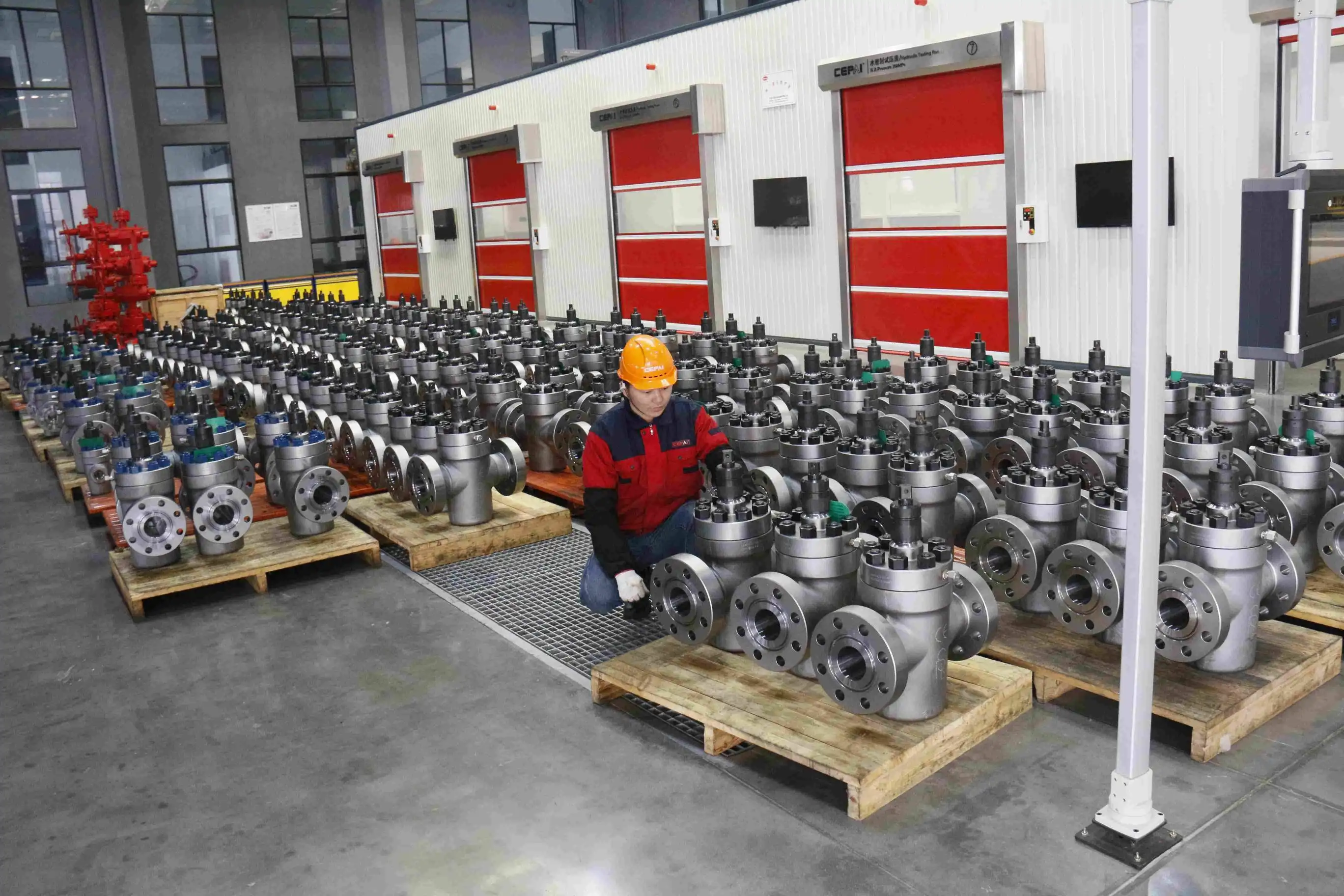
Different sealing approaches offer distinct performance characteristics that directly impact ball valve service life and operational costs. This comprehensive analysis examines how various technologies perform across critical parameters. Elastomeric sealing systems excel in low-to-moderate pressure applications with excellent chemical resistance and superior leak tightness. PTFE seals, widely used in chemical processing applications, maintain dimensional stability across broad temperature ranges while resisting virtually all industrial chemicals. However, these materials exhibit limitations under extreme temperatures and may require more frequent replacement in cycling applications. Here are the key performance advantages of elastomeric sealing systems:
- Excellent conformability to surface irregularities provides superior leak-tight performance even with moderate surface finish variations, reducing manufacturing tolerances and associated costs
- Broad chemical compatibility enables single seal designs to handle multiple process fluids, simplifying inventory management and maintenance procedures across diverse applications
- Lower actuation torque requirements reduce actuator sizing and energy consumption while extending actuator service life through reduced mechanical stress
- Cost-effective manufacturing and replacement cycles make elastomeric systems attractive for standard industrial applications where extreme conditions are not encountered
These advantages make elastomeric sealing particularly suitable for general industrial applications where chemical compatibility and leak tightness outweigh extreme temperature resistance. Metal sealing configurations demonstrate superior durability in harsh environments characterized by extreme temperatures, abrasive media, or fire-safe requirements. These systems maintain sealing integrity even when soft seals would fail catastrophically, providing critical safety margins in demanding applications. The primary advantages of metal sealing systems include:
- Exceptional temperature resistance enables operation in applications exceeding 600°C where polymer seals would decompose, extending service intervals in high-temperature processes
- Fire-safe certification compliance provides emergency shutoff capability even after soft seal destruction, meeting stringent safety regulations in petrochemical applications
- Resistance to radiation exposure makes metal seals suitable for nuclear applications where polymer degradation would compromise long-term reliability
- Minimal maintenance requirements in stable operating conditions reduce lifecycle costs despite higher initial investment in precision manufacturing
These characteristics position metal sealing systems as optimal solutions for critical safety applications and extreme operating environments.
How to Choose the Right Sealing Technology for Your Ball Valves?
Selecting appropriate sealing technology requires systematic evaluation of operating conditions, performance requirements, and economic considerations. This decision-making process directly impacts valve service life, maintenance costs, and operational reliability. Operating condition assessment begins with comprehensive analysis of process parameters. Temperature extremes, pressure ranges, and chemical composition define the operating envelope within which sealing systems must function reliably. Cyclic conditions, including thermal cycling frequency and pressure fluctuation amplitude, influence material fatigue and long-term durability. Performance requirements encompass leak rate specifications, actuation torque limitations, and service life expectations. Critical applications may require fire-safe certification, fugitive emission compliance, or specific industry approvals such as API 6D or ASME B16.34 standards. These requirements narrow material selection to qualified options with appropriate test certifications. Economic analysis considers initial procurement costs, installation expenses, and lifecycle maintenance requirements. While metal sealing systems typically require higher initial investment, extended service intervals may justify additional costs in demanding applications. Conversely, elastomeric seals offer lower entry costs with more frequent replacement cycles. Supplier evaluation encompasses technical expertise, manufacturing capabilities, and support services. Qualified valve manufacturers provide material selection guidance, application-specific testing, and comprehensive documentation supporting seal performance claims. Quality certifications including ISO 9001, API Q1, and industry-specific approvals demonstrate manufacturing competence and quality control systems.
CEPAI's Advanced Sealing Solutions for Extended Ball Valve Service Life
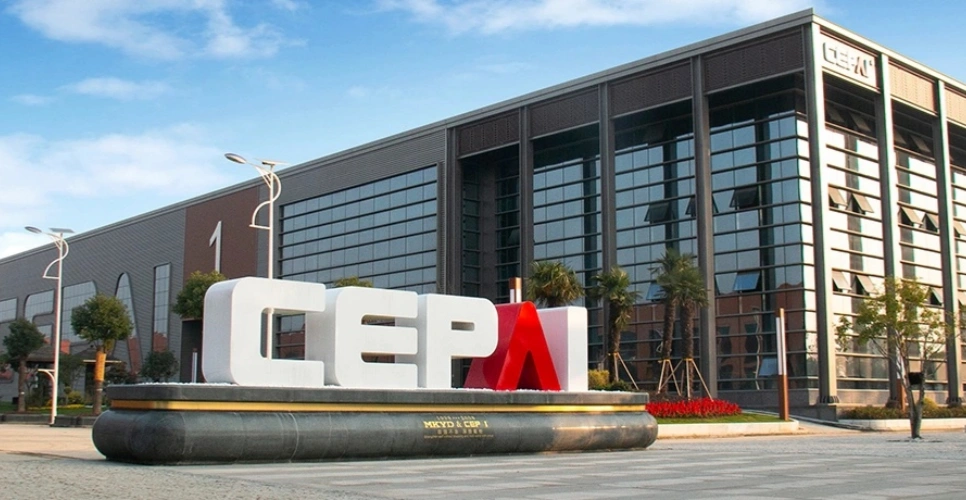
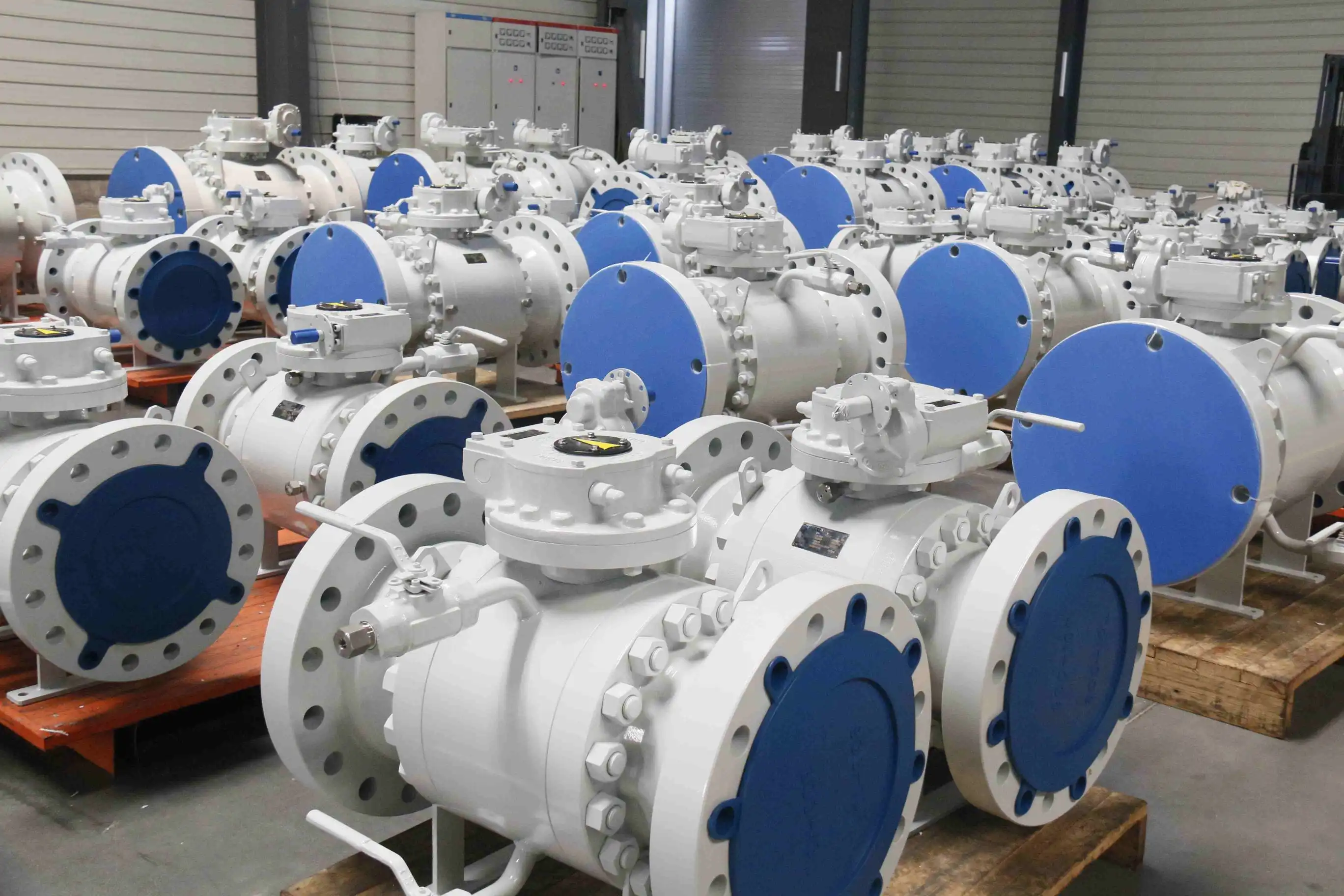
CEPAI Group stands as a leading ball valve manufacturer, delivering innovative sealing technologies that maximize operational reliability and extend service intervals across demanding industrial applications. Our comprehensive approach combines advanced materials science with precision manufacturing to create superior sealing solutions. Our intelligent manufacturing facility, featuring the longest high-precision flexible production line in the Asia-Pacific region, ensures consistent quality and dimensional accuracy critical for effective sealing performance. This $156 million investment in advanced manufacturing technology enables CEPAI to produce ball valves with exceptional sealing integrity and extended service life.
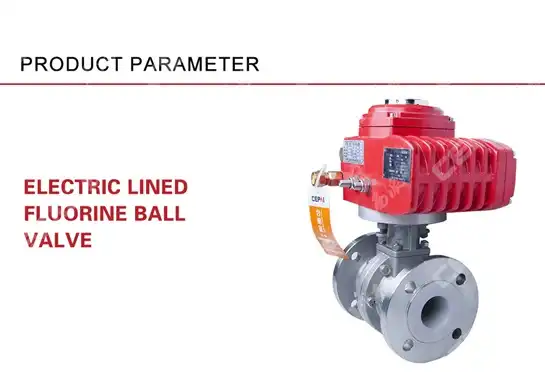
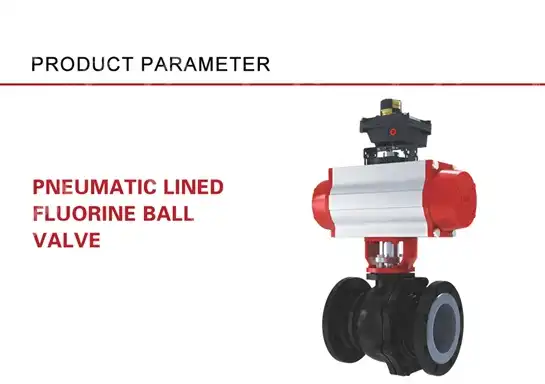
CEPAI's sealing technology portfolio encompasses multiple material options optimized for specific applications. Our PTFE sealing systems provide excellent chemical resistance for corrosive media handling, while metal-to-metal configurations ensure fire-safe performance in critical safety applications. Spring-energized seals combine the advantages of both approaches for challenging temperature cycling conditions. Quality assurance protocols throughout our manufacturing process guarantee sealing performance reliability. From incoming material verification through final testing, CEPAI implements comprehensive inspection procedures meeting international standards including API 6D, ISO 9001, and CE certification requirements. Our CNAS-accredited laboratory provides independent verification of sealing performance across diverse operating conditions.
Technical support services assist customers in selecting optimal sealing configurations for specific applications. Our engineering team provides application analysis, material compatibility assessment, and performance optimization recommendations. This consultative approach ensures proper sealing technology selection that maximizes ball valve service life while minimizing total cost of ownership. Whether you require standard elastomeric sealing for general industrial applications or specialized metal sealing for extreme conditions, CEPAI offers tailored solutions that enhance operational reliability and reduce maintenance costs. Our commitment to innovation drives continuous improvement in sealing technology performance and longevity. Contact us at cepai@cepai.com to discuss your specific sealing requirements and discover how our advanced ball valve solutions can optimize your operations. For comprehensive technical information and product specifications, visit valveknowledge.jscepai.com.
Frequently Asked Questions
Q1: How often should ball valve seals be replaced in typical industrial applications?
A: Seal replacement intervals depend on operating conditions, but elastomeric seals typically require replacement every 2-5 years in standard applications, while metal sealing systems may operate 10-15 years under stable conditions. Regular inspection programs help identify early wear indicators and optimize replacement timing.
Q2: Can upgrading sealing technology extend existing ball valve service life?
A: Yes, retrofitting advanced sealing materials or spring-energized designs can significantly extend valve service life. However, compatibility with existing valve bodies and operating conditions must be verified through proper engineering evaluation to ensure optimal performance.
Q3: What are the primary signs of seal degradation in ball valves?
A: Common indicators include external leakage, increased actuation torque, visible seal material deterioration, and process fluid contamination. Early detection through regular inspection programs enables proactive maintenance before catastrophic failure occurs.
Conclusion
Sealing technology selection fundamentally determines ball valve service life, operational reliability, and maintenance costs across industrial applications. Advanced materials and innovative designs enable extended service intervals while maintaining superior leak-tight performance. Understanding the relationship between sealing systems and valve longevity empowers informed procurement decisions that optimize total cost of ownership. CEPAI's commitment to sealing technology innovation and manufacturing excellence provides customers with reliable solutions that maximize operational efficiency and minimize downtime risks.
References
1. Smith, J.R., "Advanced Sealing Technologies in Industrial Valve Applications," Journal of Fluid Control Engineering, Vol. 45, No. 3, 2023, pp. 112-128.
2. Anderson, M.K., "Material Selection Criteria for High-Performance Ball Valve Sealing Systems," Proceedings of the International Valve Symposium, 2022, pp. 89-104.
3. Chen, L., "Predictive Maintenance Strategies for Industrial Ball Valve Sealing Systems," Industrial Maintenance Quarterly, Vol. 18, No. 2, 2023, pp. 45-62.
4. Rodriguez, C.A., "Temperature Effects on Elastomeric Seal Performance in Ball Valve Applications," Materials Science and Engineering Review, Vol. 67, 2023, pp. 234-251.
5. Thompson, R.D., "Fire-Safe Design Requirements for Metal Sealing Systems in Critical Applications," Safety Engineering International, Vol. 29, No. 4, 2022, pp. 78-95.
6. Wang, H., "Lifecycle Cost Analysis of Ball Valve Sealing Technologies in Chemical Processing," Chemical Engineering Economics, Vol. 41, No. 1, 2023, pp. 156-173.
_1746598563385.webp)