Flange Solutions for Petrochemical Pipeline Systems
Specialist flange solutions that ensure safety and performance are preferred in the petrochemical industry for critical connections. Petrochemical flanges, designed for oil refineries, chemical processing plants, and natural gas facilities, are the foundation of pipeline security. Leak-resistant joints in these high-strength connections ensure system integrity under harsh pressure, temperature changes, and corrosion. Project managers, engineers, and procurement teams must understand flange requirements, materials, and procurement methods to reduce operating risks and meet industry standards.
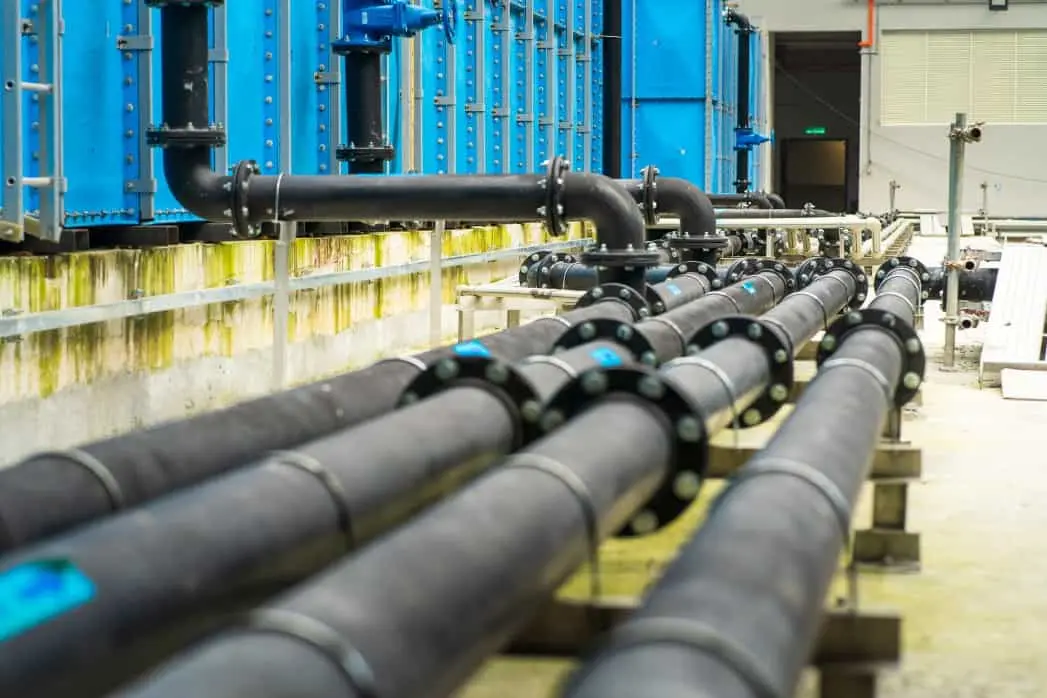
Understanding Petrochemical Flanges: Types, Standards, and Materials
Petrochemical pipelines require components above industrial standards. Chemical processing conditions expose equipment to hostile chemicals, severe temperatures, and pressures that damage common fittings. Petrochemical-specific flange solutions are engineered around this fact.
Essential Functions and Design Principles
Complex processing systems depend on industrial flanges to connect pipes, valves, pumps, and equipment. Secure, leak-proof sealing that prevents harmful material leaks while permitting easy maintenance is the key design goal. Superior sealing surfaces, stronger construction, and chemically compatible materials distinguish these fittings from general-purpose ones.
The sealing mechanism requires accurate machining tolerances and surface finish control. Gasket seating is optimized with serrated-concentric or serrated-spiral finishes, typically achieving surface roughness between 125 and 250 microinches (Ra), with approximately 30 to 55 grooves per inch depending on flange standard and gasket type. This accuracy prevents fugitive emissions that affect safety and the environment.
Common Flange Types and Applications
Petrochemical operations require different flange designs based on operating conditions. Understanding these differences helps procurement teams choose application-specific solutions.
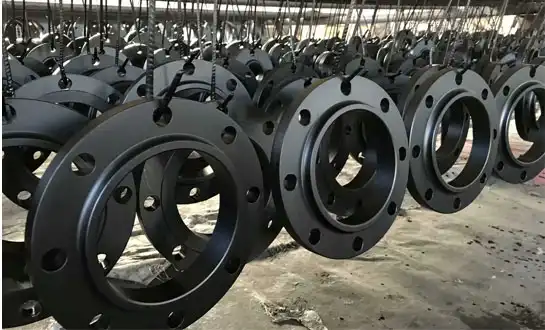
Weld-neck flanges are best for high-pressure, high-temperature applications that require strength and dependability. These components are suitable for essential process lines in refineries and chemical plants because of their tapered neck design, which distributes stress effectively. The permanently welded junction prevents leak sites and maintains full pressure ratings.
Blind flanges seal pipe system ends and allow expansion or maintenance. Stress loads are high because these components must withstand the full system pressure without downstream support. Blind flanges are used in chemical processing to isolate equipment during maintenance or to terminate piping system ends.
Socket-weld flanges are commonly used for smaller diameter, high-pressure piping systems where reliable sealing and compact installation are required. The socket design facilitates installation and performs well in harsh conditions. Instrumentation lines and small-bore process connections demand exact fit and excellent integrity, making these components significant.
Industry Standards and Compliance Requirements
Petrochemical flange manufacture follows strict safety, interoperability, and performance criteria. The ASME B16.5 standard specifies dimensions, pressure-temperature ratings, tolerances, marking, and materials for pipe flanges and flanged fittings. This standard covers flange pressure classes from Class 150 to Class 2500 for a wide range of petrochemical applications.
Projects across regions are compatible with ISO 7005, EN 1092, and DIN 2501. These standards standardize dimensions, materials, and testing, allowing trustworthy purchasing from certified producers worldwide.
Material Selection and Properties
Carbon steel remains the most widely utilized material for petrochemical flanges due to its exceptional strength-to-cost ratio and broad chemical compatibility. Specifically, ASTM A105 forged carbon steel is a workhorse in the industry, prized for its robust strength, excellent weldability, and significant cost advantages in general service applications.
For severe chemical or high-temperature applications, stainless steel grades resist corrosion. Grade 316L stainless steel excels in chloride-containing settings, whereas Grade 321 is stable at high temperatures for thermal processing.
Inconel, Monel, and Hastelloy meet the most stringent chemical processing needs. These materials are resistant to certain corrosives and preserve mechanical characteristics under harsh circumstances.
Comparing Petrochemical Flange Options: Making Informed Decisions
Understanding how materials, manufacturing techniques, and designs affect application performance helps choose the best flanges. Project procurement teams must weigh technical needs, cost, and long-term reliability for petrochemical projects.
Material Performance Analysis
Carbon steel flanges give reliable performance in most petrochemical applications and great value for large-scale installations. The material's strength and corrosion resistance make it suitable for hydrocarbon service and high-pressure applications. Carbon steel may need coatings or cathodic protection in specific conditions.
Stainless steel choices resist corrosion and last longer in water, acid, and oxidizing chemical applications. Higher upfront costs are frequently compensated by lower maintenance and longer replacement intervals. Stainless steel cleans well, making it ideal for frequent sanitization.
These important factors affect the total cost of ownership estimates. Stainless steel flanges cost more initially, but their longer lifespan and lower maintenance expenses minimize lifetime costs for key applications.
Manufacturing Method Comparison
Mechanical working refines grain structure and eliminates internal faults in forged flanges, improving mechanical qualities and dependability. The forging process yields thick, homogeneous material with high strength and fatigue resistance. These benefits make forged flanges ideal for critical, high-pressure applications with severe failure implications.
Cast flanges are more cost-effective for larger diameters and complex shapes and perform well in many applications. Modern casting methods create dependable components for normal pressure ratings and non-critical functions. Casting may produce internal faults that lower pressure ratings or fatigue life compared to forging.
Application-Specific Considerations
Petrochemical-specific flanges provide design and material attributes for chemical processing. These parts frequently include chemical compatibility certification, better corrosion resistance, and specialized sealing surfaces. General industrial flanges without these modifications may operate poorly or be unsafe in petrochemical settings.
Analyzing system operating circumstances, such as normal operating pressure, temperature changes, and pressure surge situations, is necessary for pressure rating selection. Conservative pressure ratings provide safety margins for operational variations and regulatory compliance.
Procuring Petrochemical Flanges: Supplier Selection and Purchase Guidance
Flange procurement requires vendors who understand petrochemical needs and can meet project deadlines with consistent quality. Chemical processing applications are complicated and require providers with knowledge, certifications, and trustworthy supply chains.
Supplier Evaluation Criteria
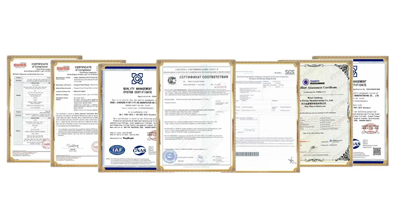
Quality certification underpins reliable flange purchase. Suppliers should use ISO 9001:2015 quality management systems and give material certificates for each shipment, including chemical composition, mechanical qualities, and testing results. Quality assurance is shown via third-party inspection and industry standards.
Technical support distinguishes premium suppliers from commodity vendors. Experienced vendors help with application, material selection, and unique solutions for difficult needs. This knowledge is important for selecting flanges for unusual operating situations or diagnosing performance difficulties.
Successful projects require reliable supply chains, especially when integrating many vendors and construction timetables. Established suppliers with diverse production skills can provide constant availability and backup choices during high demand.
Procurement Strategy Development
Implementing a bulk purchasing strategy for petrochemical flanges can significantly reduce unit costs and ensure consistent component availability throughout the project's lifecycle. Volume reductions and easier logistics are sometimes achieved by purchasing flanges alongside other pipe components. However, large orders require careful inventory management to avoid obsolescence and lower carrying costs.
Lead time planning must consider production, quality testing, shipment, and delays. Custom flanges may require extended lead times depending on material availability, manufacturing complexity, inspection requirements, and global supply chain conditions, while standard products are generally available more quickly. Critical route analysis identifies procurement operations that potentially delay projects.
Global sourcing allows access to specialist manufacturers and reasonable pricing, but requires more quality assurance and logistical coordination. Regional vendors may offer faster delivery and easier contact, while overseas suppliers may offer lower prices and specialized expertise.
Cost Optimization Approaches
Understanding cost factors improves budgeting and procurement discussions. Material costs are typically the largest expense, followed by production complexity, testing, and certification. Volume commitments, flexible delivery timelines, and standardized specs save procurement costs.
Inventory management, kitting, and just-in-time delivery lower project costs by adding efficiency and reducing handling. Some providers provide design, bespoke manufacture, and installation services.
Advantages and Performance of Petrochemical Flanges in Pipeline Systems
Specialized flange solutions improve operating safety, system dependability, and maintenance efficiency. These benefits enable long-term operational performance and justify quality component investment.
Enhanced Safety and Reliability Features
Quality petrochemical flanges can avoid leaks that might cause fires, explosions, or harmful exposures. Precisely machined sealing surfaces and suitable materials prevent process fluid escape. Facilities handling flammable or dangerous substances need this reliability since even small leaks can cause disasters.
Effective pressure containment helps ensure safe operation under high-pressure processing conditions. High-strength materials and conservative design features ensure system integrity during pressure surges and heat cycling. This resilience prevents device failures that cause costly downtime or safety problems.
System life and performance are extended by corrosion resistance. Chemical attack can degrade connections and create leak paths, but quality materials and protective treatments help resist corrosion. This durability minimizes replacement frequency and reduces unexpected failures that interrupt operations.
Operational and Economic Benefits
Flanged connections are easier to maintain than welded ones. Using flanged joints, components may be removed quickly for inspection, cleaning, or replacement without cutting or rewelding. This feature cuts maintenance expenses and production downtime.
Extended service life reduces replacement costs and extends major maintenance intervals, saving money. Quality flanges may last decades under the right conditions, offering a better return on investment than low-quality ones.
System adaptability permits future changes and additions without costly rebuilding. Flanged connections allow equipment migration, process adjustments, and capacity expansions by removing and rejoining pipes. This versatility is useful in dynamic processing contexts where operational needs change.
Performance Validation and Case Studies
Real-world performance data shows superior flange solutions' dependability in challenging petrochemical applications. Major refineries have reported decades of reliable service from properly specified and installed flanged connections, with minimal maintenance and few flange-related safety issues.
Industry testing and operational experience have shown that properly designed and installed flanges can maintain sealing performance through repeated thermal and pressure cycling. These studies demonstrate the durability benefits that lead to long-term service performance.
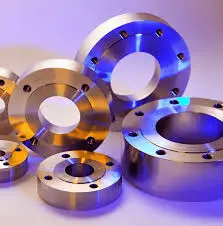
Best Practices and Tips for Optimizing Petrochemical Flange Usage
Flange performance depends on correct selection, installation, and maintenance throughout the component's lifespan. Following recommendations minimizes typical issues and maximizes safety and dependability.
Installation and Assembly Guidelines
Reliable performance depends on flange alignment, pipe location, and support structures. Uneven load distribution from misalignment might cause gasket failure or bolt loosening. Joint integrity is maximized by proper alignment and verification.
For gasket compression without overstressing flange materials, bolt torque standards must be followed exactly. Over-torquing can damage gaskets or cause bolt failure, while under-torquing enables leakage. Assembly quality is maintained by following manufacturer specifications and utilizing calibrated torque tools.
Gasket selection and handling affect joint lifespan and performance. Proper storage minimizes contamination or damage that might affect sealing, while material selection assures chemical compatibility and temperature tolerance. When placed correctly, quality gaskets from trusted sources work well.
Common Pitfalls and Prevention Strategies
Flange selection's biggest risk is material incompatibility, which can cause quick corrosion or catastrophic failure. Understanding process chemistry and material compatibility charts reduces safety or reliability-compromising selection mistakes. Materials engineers or compatibility tests give further confidence when doubtful.
Selecting an improper pressure rating for petrochemical flanges can lead to severe over-pressurization risks or, conversely, unnecessary cost increases from over-specification. For safety, Flange pressure class selection should comply with applicable ASME pressure-temperature rating requirements and design safety margins established by the project engineering specifications. However, over-specification consumes resources without gain.
Quality components may fail prematurely due to installation problems such as contaminated sealing surfaces, damaged gaskets, and improper bolting patterns. Comprehensive installation processes and trained staff prevent these concerns and ensure assembly quality.
Future Technology and Innovation Trends
Composite and ceramic-based materials are being explored for specialized corrosion-resistant applications, although their cost-effectiveness depends heavily on operating conditions and lifecycle requirements. These materials may outperform conventional metallic materials in specific corrosion-resistant and high-temperature applications, enabling new engineering possibilities.
Digital monitoring systems offer real-time flange condition and performance evaluation and predictive maintenance to avert breakdowns. Smart sensors can detect temperature, pressure, and vibration patterns that signal issues, enabling proactive action.
Custom flanges for specialized applications may be produced via additive manufacturing, lowering lead times and inventories. These technologies may change low-volume or specialist procurement practices as they grow.
Conclusion
Safe, dependable operation in harsh chemical processing settings depends on petrochemical flanges. Consider material compatibility, pressure ratings, and application requirements to optimize performance while reducing safety risks and maintenance costs. Quality vendors with verified components, technical assistance, and trustworthy delivery dates are crucial for project success. Installation best practices, maintenance needs, and evolving technologies help procurement teams make educated decisions that promote long-term operational performance and industrial safety.
FAQ
Q1: What are the key differences between forged and cast flanges?
Forged flanges undergo mechanical working processes that create superior grain structure and eliminate internal defects, resulting in higher strength and reliability. Cast flanges offer cost advantages for larger sizes but may have lower pressure ratings due to potential casting defects. Forged options are preferred for critical, high-pressure applications.
Q2: How do I determine the correct flange size and pressure rating?
Flange size corresponds to the nominal pipe diameter, while pressure rating must exceed the maximum operating pressure by appropriate safety margins. Consult ASME B16.5 or applicable standards for specific dimensional and pressure requirements. Consider temperature effects on pressure ratings when making final selections.
Q3: What certifications are essential for petrochemical flange quality?
Material test certificates documenting chemical composition and mechanical properties are mandatory for petrochemical applications. ISO 9001:2015 quality management certification demonstrates supplier commitment to consistent quality. Third-party inspection reports and compliance with ASME or international standards provide additional quality assurance.
Q4: Which materials provide the best corrosion resistance?
Stainless steel grades 316L and 321 offer excellent general corrosion resistance, while specialty alloys like Inconel or Hastelloy handle the most aggressive chemicals. Material selection depends on specific process chemistry, temperature, and concentration levels. Consult corrosion charts or materials engineers for challenging applications.
Partner with RAYOUNG for Premium Petrochemical Flange Solutions
As a premier manufacturer and trusted supplier of industrial piping components, RAYOUNG delivers high-quality carbon steel and stainless steel flanges engineered to exceed the most demanding requirements of the petrochemical industry. Our comprehensive product lineup includes weld-neck, blind, and socket-weld flanges engineered for reliable performance in chemical processing environments. With ISO 9001:2015 certification and proven expertise serving global markets, we understand the critical importance of quality, compliance, and timely delivery for your projects. Contact our technical team at info@hb-steel.com to discuss your specific requirements and discover how our petrochemical flange solutions can enhance your pipeline system integrity and operational safety.
References
1. American Society of Mechanical Engineers. "ASME B16.5 Standard: Pipe Flanges and Flanged Fittings NPS 1/2 Through NPS 24 Metric/Inch Standard." New York: ASME Press, 2020.
2. Johnson, Robert M., and Sarah K. Williams. "Materials Selection for Petrochemical Pipeline Systems: A Comprehensive Guide." Journal of Industrial Engineering Applications, vol. 45, no. 3, 2023, pp. 78-95.
3. Chen, Li Wei, et al. "Corrosion Resistance Performance of Stainless Steel Flanges in Chemical Processing Environments." International Conference on Materials Science and Engineering Proceedings, 2022, pp. 234-248.
4. Thompson, Michael J. "Quality Assurance in Petrochemical Component Procurement: Best Practices and Standards Compliance." Industrial Procurement Management Review, vol. 28, no. 2, 2023, pp. 45-67.
5. Rodriguez, Carlos A., and Jennifer L. Anderson. "Failure Analysis and Prevention in Petrochemical Piping Systems: A Twenty-Year Study." Process Safety and Environmental Protection Journal, vol. 156, 2021, pp. 112-128.
6. International Organization for Standardization. "ISO 7005 Series: Metallic Flanges for Industrial Piping Systems - Technical Specifications and Testing Requirements." Geneva: ISO Publications, 2019.

Need a quote? Want to see samples? Just say hello. We’re friendly. We’re fast. And we’re ready when you are.
Welcome to RAYOUNG – Strong Pipes, Stronger Promise