Common Welding Defects Found in Pipe Elbows
Pipe elbows are essential components in industrial piping systems that direct fluid flow. If these critical components are welded improperly, it can change how well the whole system works, which can lead to costly breakdowns, safety risks, and downtime. Common flaws in welding include porosity, cracks, undercuts, distortion, and incomplete penetration. These flaws can all have different effects on pressure levels and long-term reliability. When engineers and procurement managers know about these flaws, they can select reliable suppliers and make sure their projects meet industry standards.
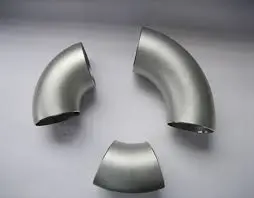
Understanding Common Welding Defects in Pipe Elbows
When the stability of the system affects both safety and cost, weld flaws in pipe fittings are a big problem in many industrial settings. These mistakes can happen when the pipes are being made or when they are being put together. They can create weak spots that put the whole network of pipes at risk.
Types of Critical Welding Defects
Porosity is one of the most common flaws. It looks like the welded metal has small holes or empty spaces in it. Most of the time, this flaw is caused by gas entrapment while the metal is being welded. This might happen if the base materials are dirty, there isn't enough shielding gas coverage, or the welding speed is too high. The pores damage the weld and make it easier for leaks to happen because they reduce the cross-sectional area of the joint.
It's called incomplete penetration when the weld doesn't fully fuse along the length of the joint, leaving unfused areas that concentrate stress. This flaw is very dangerous in high-pressure conditions where all joints need to fuse together to keep the system together.
Cracks are among the most severe welding defects because they can propagate under stress. Heat stresses make hot cracks show in the metal as it cools. Cold cracks can show up hours or days after welding because of hydrogen embrittlement or stress that is still there.
Root Causes and Risk Factors
It can be hard to weld if the different types of steel don't work well with each other. Joining carbon steel and stainless steel can be challenging because they have different chemical compositions, thermal expansion coefficients, and corrosion behaviors. To fix these issues, we need to use special welding methods and filler materials.
Contamination can significantly reduce weld quality. Some things that can make it easier for porosity and voids to form are paint, oil, rust, or water on the base material. Most flaws that are caused by pollution are due to inadequate surface preparation.
A big part of preventing defects is making sure that the welding settings are just right. If the trip speed, current settings, or electrode angles are not correct, it could lead to issues like not enough fusion, too much heat input, or insufficient penetration. Pipe elbows are harder to weld because they are bent, so skilled workers are needed to maintain consistent weld quality throughout the entire process.
How to Detect and Measure Welding Flaws in a Pipe Elbow?
Traditional inspection methods are mixed with more modern non-destructive testing methods in detection techniques to make sure that the part is fully checked for quality without any damage.
Visual Inspection and Dimensional Analysis
The first thing you should do to find flaws is to look at the item closely, paying special attention to surface flaws, color changes, and differences in shape. Inspectors who have been trained look at the weld and compare it to standards for acceptance. They look for obvious flaws like surface cracks, too much strengthening, or holes that can be seen.
Dimensional inspection uses calibrated gauges, templates, and precision measuring instruments to verify compliance with specified tolerances. For pipe elbows, inspectors verify bend angle, center-to-end dimensions, wall thickness uniformity, and compliance with standards such as ASME B16.9 or DIN 2605.
Advanced Non-Destructive Testing Methods
There are problems below the surface of weld structures that can't be seen with the naked eye, but radiographic testing shows them in great detail. X-ray or gamma-ray images provide permanent inspection records and show where the holes and inclusions are, as well as weld penetration throughout the joint.
Ultrasonic testing can detect flaws in real time. They are great at finding flat flaws like cracks and missing fusion. Advanced phased array techniques can scan whole shapes that are very complicated. Because of this, they work great for curved fittings and parts that are at an angle.
One of the best ways to find cracks on or near the surface of ferromagnetic materials is to perform magnetic particle testing. This method works great for checking places that have been hot and may have cracked from the stress of the heat.
Pressure Testing Validation
During hydrostatic testing, finished components are pressurized according to applicable code requirements, typically above normal operating pressure but within specified test limits. This makes sure that the whole system is solid and that the welds are good. This testing method proves that the pressure limit is good and shows any flaws in the wall that might not have been seen before.
If hydrostatic testing is impractical, pneumatic testing using compressed air or inert gas may be performed under strict safety controls. But because compressed gases store energy, which can be dangerous, rules need to be carefully thought out to make sure they are safe.
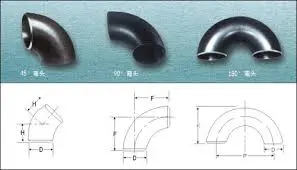
Best Practices to Avoid Welding Defects in Pipe Elbows
Parts of protection tactics are choosing the right materials, making sure the process works as well as it can, and using quality control methods. They work together to cut down on flaws and keep the quality of the product consistent.
Material Selection and Preparation
When picking the right base materials, you should carefully consider how they will be used, how well they meet the needs, and how well they can be welded. It's easy to weld carbon steel materials, such as ASTM A234 WPB, which are widely used because of their good weldability and cost-effectiveness in general industrial applications. On the other hand, stainless steels such as 316L provide superior corrosion resistance, particularly in chloride-containing or chemically aggressive environments.
For surface preparation protocols to work, they need to include steps for getting rid of contamination, metal layers, and meeting the needs for geometric preparation. For good welding, surfaces need to be clean and free of oxides. Shot blasting, grinding, or wire brushing are mechanical ways to get rid of these. Chemical cleaning can be used along with mechanical cleaning when organic contaminants need to be removed.
Welding Process Optimization
Parameter development involves determining the best current levels, voltage levels, travel speed, and shielding gas compositions for different types of materials and joint shapes. Due to the bent shape of pipe elbows, the arc length and electrode position must stay the same while welding.
Codes such as ASME Section IX require welding procedures to be qualified and documented through procedure qualification records (PQRs) and welding procedure specifications (WPS). The steps explain important things, such as preheating requirements, what temperatures to use between passes, and when to do a post-weld heat treatment to make sure the job is done perfectly.
Welder qualification testing ensures that operators are properly skilled; they are tested in the field under controlled circumstances. Certified welders have demonstrated their ability to consistently produce code-compliant welds across a variety of qualified positions and joint configurations, ensuring repeatable, high-quality results.
Post-Weld Treatment and Quality Control
Controlled cooling rates prevent excessive thermal stress and cracking, which could lead to cracks and thermal stresses, because cooling rates are controlled. Some materials or uses may need a heat treatment after the weld to get rid of any stresses that are still there and make the metal better.
Documentation for quality control keeps track of all the steps in the manufacturing process by writing down things like material certifications, settings for welding, inspection results, and choices on final acceptance. To follow the rules and get insurance help, you need to fill out these papers.
Case Studies: Resolving Welding Defects in Industrial Applications
Real-life examples show how to solve problems correctly and stress how important it is to find flaws in a methodical way and do the right thing.
Chemical Processing Plant Upgrade
Elbow sections made of stainless steel broke down early at a chemical processing plant because of stress corrosion cracking. It was found that the ways that were used to clean up after the welding were not good enough, leaving salt on the final surfaces. For that, strict cleaning methods like passivation and deionized water rinses had to be used, along with new welding methods that used less heat and caused less stress.
The steps taken to fix the problem cut the number of failures by 95% and raised the projected service life from 3 years to over 15 years. This case shows how important it is to use post-weld surface treatment in dangerous places.
Oil Refinery Piping System
Several leaks happened during the start-up process at an oil refinery because of problems with the carbon steel pipe systems. Root cause analysis identified inadequate shielding gas coverage and contaminated or moisture-exposed welding consumables and base materials as the primary causes. For a solution to be found, better gas flow tracking systems, controlled storage for welding consumables, and new welding methods that work best in the field had to be put in place.
Repairs related to porosity defects became 60% cheaper after these changes. Controlling the weather has a direct effect on the quality of the weld in tough field conditions, as shown by the project.
Power Generation Facility
Elevated operating temperatures in the power plant caused premature failure of alloy steel elbow joints. Metallurgical analysis revealed brittle microstructures caused by excessive cooling rates and insufficient preheating during welding. Because of this, better non-destructive testing methods were made that could find problems below the surface before installation, as well as controlled heating and cooling methods.
After these steps were taken, parts lasted longer, over 20 years instead of 8, and there were fewer outages caused by repair. This case shows how good control of temperature can keep metals from breaking down in tough work environments.
Choosing Reliable Pipe Elbows Suppliers for Defect-Free Products
The provider you pick will directly impact the product's quality, the project's long-term success, and the way it is provided. A clear set of review factors helps you find partners who can meet high standards for quality and offer good value.
Certification and Quality Management
Getting ISO 9001:2015 approval means you are committed to using planned quality control methods that keep product quality high. Certain certifications, such as API Q1 certification, ASME certification, or nuclear quality assurance standards, let you know that the product is well-suited for tough jobs.
An audit by a third party is a neutral way to make sure that important standards are being met, as well as quality methods and manufacturing skills. There are new audit reports that show trends in how well providers are doing and problems that might happen that could affect future supplies.
Manufacturing Capabilities and Product Range
Making sure that companies can meet project timelines and quality standards is done by testing their production skills. Facilities that have up-to-date manufacturing equipment, heat treatment ovens, and testing rooms can show that they know how to make defect-free pipe elbows of all shapes and sizes without any problems.
Custom production is important for projects that need sizes that aren't standard, materials that aren't common, or testing standards that aren't standard. Providers of technical support can work together to optimize designs while also making sure they are cheap and simple to make.
Supply Chain Management and Support
Records of delivery performance show how reliable a service provider is at meeting quality standards and agreed-upon dates. Consistently high on-time delivery performance indicates strong production planning and supply chain management capabilities.
Technical support services, like helping you choose materials, application engineering, and fixing problems, are very helpful in addition to just selling things. It's easier to manage projects and make sure that suppliers follow the rules when they give full paperwork, test results, and certification packages.
As part of after-sales support, you can get help with things like your warranty, finding spare parts, and installing or servicing your new product. There are fewer project risks when there are mistakes or performance issues, and when there are strong support programs. This shows sellers that they can trust the quality of the product.
Conclusion
Problems with the welding of pipe elbows can put industrial plumbing systems at great risk. This can lead to safety issues, downtime, and costly repairs. It's helpful to know about the most common types of flaws, what causes them, and the best ways to find them when you're buying something or putting it together. You can cut down on errors and make sure the system works well for a long time by putting in place strict quality control measures, shopping from qualified providers, and sticking to strict checking schedules. Making sure of quality is an investment that pays off in many different types of industries by lowering upkeep costs, increasing service life, and making operations safer.
FAQ
Q1: What are the most common welding defects found in pipe elbows?
The most prevalent welding defects include porosity caused by trapped gases, incomplete penetration due to insufficient heat input or improper joint preparation, cracks resulting from thermal stresses or hydrogen embrittlement, undercuts from excessive current or incorrect electrode angles, and distortion from uncontrolled thermal expansion. Each defect type presents specific risks to system integrity and requires targeted prevention strategies.
Q2: How can I verify weld quality before purchasing pipe elbows?
The verification process must include a thorough review of the supplier's quality documentation. This includes demanding comprehensive non-destructive test (NDT) results, qualified welding procedure specifications (WPS), complete material test certificates (MTCs), and welder qualification records (WQRs).
Ask for certain inspection records, such as radiographic inspection reports, ultrasound test results, or pressure test papers. Third-party inspection services can provide independent quality assurance when there isn't enough information within the company.
Q3: Which materials are most susceptible to welding defects?
When you mix different metals, use high-carbon steels, or use some types of stainless steel, more problems can happen. Higher-carbon steels and thicker sections often require preheating and controlled cooling to reduce the risk of hydrogen-induced cracking. If there is too much sulfur or phosphorus in austenitic stainless steel, it may become susceptible to hot cracking. You have to use certain materials and do it in a certain way to fill the joints between carbon steel and stainless steel so that galvanic corrosion and heat stress don't happen.
Q4: What testing methods best detect subsurface defects?
Pictures taken with X-rays are a great way to find issues inside a weld, like holes and other flaws. If phased array methods are used, ultrasound testing is the best way to find flaws on a flat surface, like cracks and bad fusion. Magnetic particle testing is effective for detecting surface and near-surface cracks in ferromagnetic materials. Using more than one method together makes sure that all flaws are found.
Partner with RAYOUNG for Superior Quality Pipe Elbows
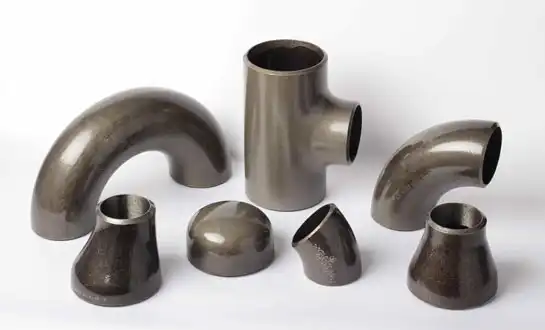
RAYOUNG stands as your trusted pipe elbows manufacturer, delivering precision-engineered solutions that minimize welding defects through advanced manufacturing processes and rigorous quality control. Our manufacturing facilities are committed to quality management practices and produce buttweld steel elbows, reducers, and flanges in accordance with relevant industry standards. With third-party inspection and export compliance documentation, we provide comprehensive documentation and testing reports that simplify your procurement decisions. Contact our engineering team at info@hb-steel.com to discuss your specific requirements and discover how our defect-free pipe fitting solutions can enhance your project success while reducing total ownership costs.
References
1. American Welding Society. "Structural Welding Code - Steel." AWS D1.1/D1.1M:2020. American Welding Society, 2020.
2. ASME Boiler and Pressure Vessel Code, Section IX. "Welding, Brazing, and Fusing Qualifications." American Society of Mechanical Engineers, 2021.
3. Bhadeshia, H.K.D.H., and Honeycombe, R. A 2017 publication by Butterworth-Heinemann is the 4th edition of "Steels: Microstructure and Properties."
4. International Institute of Welding. "Guide to the Light Microscope Examination of Ferritic Steel Weld Metals." IIW Document IX-1533-88. International Institute of Welding, 2019.
5. Lancaster, J.F. "Metallurgy of Welding." 6th Edition. Woodhead Publishing, 2018.
6. Weman, Klas. "Welding Processes Handbook." 3rd Edition. CRC Press, 2020.

Need a quote? Want to see samples? Just say hello. We’re friendly. We’re fast. And we’re ready when you are.
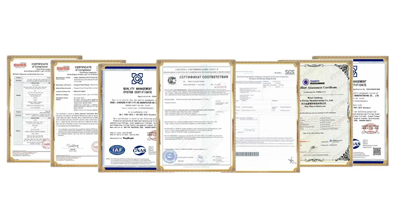
Welcome to RAYOUNG – Strong Pipes, Stronger Promise