RF vs RTJ Flanges: Selection Guide for Critical Applications
Picking between Raised Face (RF) and Ring Type Joint (RTJ) flanges is a very important choice that has a direct effect on the safety of the system, the costs of running it, and the success of the project. Extreme pressure uses (over 2,500 PSI) and high-temperature environments are great places for RTJ flanges. They use precision-machined grooves and metallic ring gaskets to make great metal-to-metal seals. When used in low-pressure situations, RF flanges work well, are cheaper, and are easier to install. When procurement workers understand these basic differences, they can lower project risks, make sure safety standards are met, and get the best total cost of ownership for a wide range of industrial uses.
Understanding RF and RTJ Flanges: Design and Functional Differences
The fundamental design philosophies of RF and RTJ flanges reflect their intended service environments and performance requirements. These differences significantly influence sealing effectiveness, pressure capabilities, and maintenance considerations across industrial applications.
Sealing Mechanism Comparison
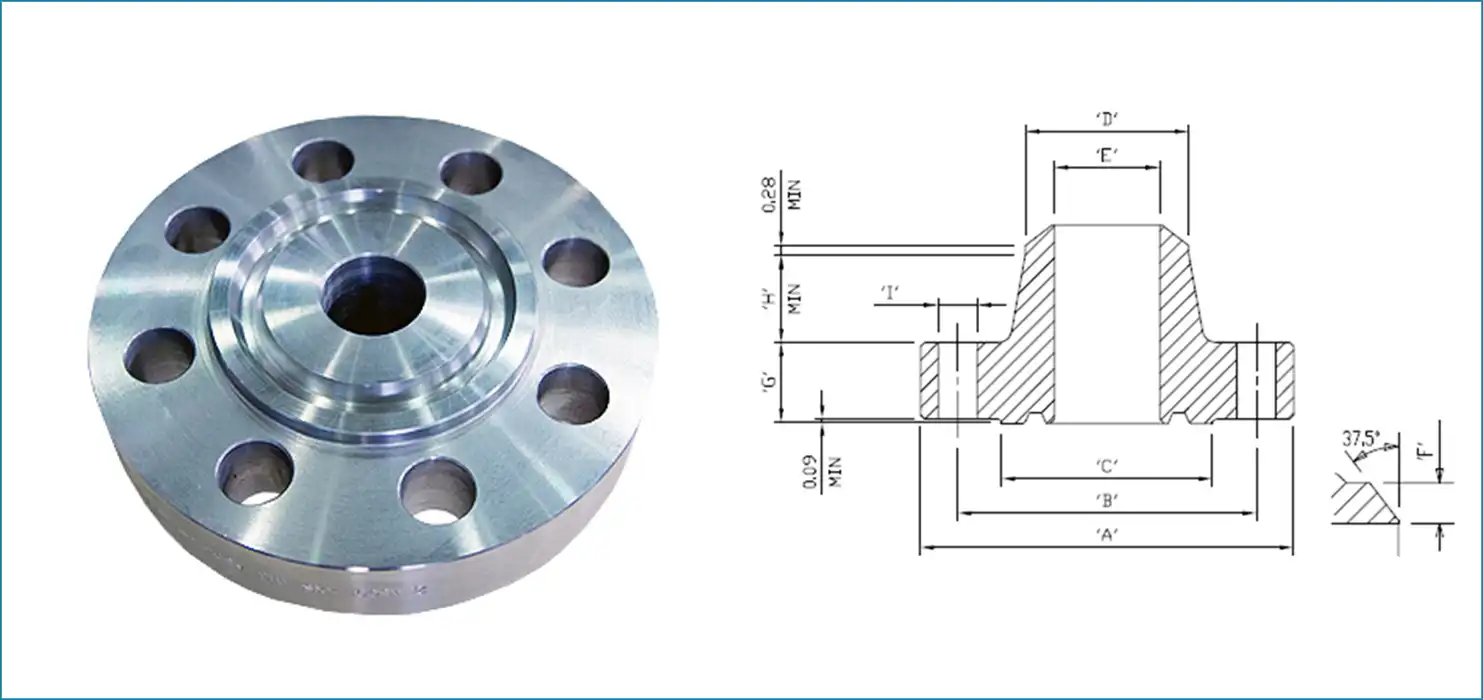
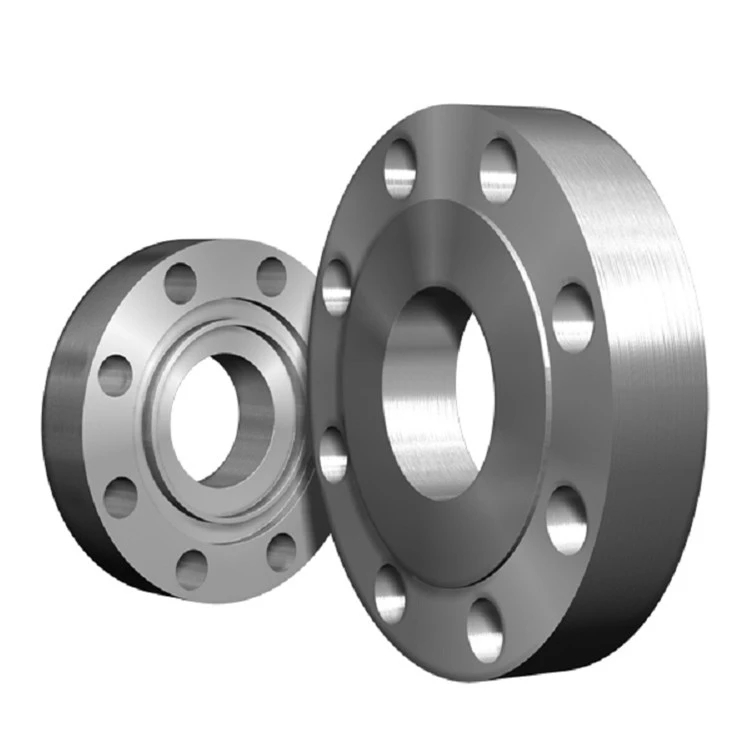
RF flanges have a circular face that is high and sticks out about 1/16 inch above the surface of the flange. This makes a small space where the seal can go. To seal, soft gaskets are pressed between the raised sides. These gaskets are generally made of spiral-wound, compressed fibre, or PTFE-based materials. This set-up works well for moderate pressure situations(ASME Class 150 to 900), since the displacement of the gasket seals well enough without the need for heavy bolt loads. RTJ flanges have grooves that are carefully machined to fit metallic ring gaskets. This is a very different way to seal. Because of the way the groove is shaped, the compressive forces are focused on the metal ring. This allows the metal ring to deform and seal against surface imperfections on the surface and firmly connect the two metals. This sealing method can handle very high pressures, exceeding 10,000 PSI in specialised or API-rated applications, and the seal stays in place even when the machine is under a lot of stress and the temperature changes.
Pressure Rating Analysis
Metrics for performance show that each type of flange has clear limits on how much it can be used. In most cases, RF flanges are used for jobs in ASME Classes 150 to 900. This means that they can handle working pressures of approximately 285 PSI to 2,220 PSI at room temperature. The gasket works best when it compresses instead of deforming because that's how it seals. RTJ flanges are often used for ASME Class 1500 and Class 2500 uses because they can handle higher pressures. They are also made in special ways that can handle API-rated pressures such as 10K and 15K PSI. The grooves and metal sealing part make it possible for these high pressures to stay in while still keeping the seal tight. Also, RTJ designs are more stable at high temperatures; they can work at temperatures exceeding 1,000°F, depending on material selection, while RF flanges can only handle temperatures up to 800°F.
Installation and Maintenance Considerations
There are a lot of different ways to place flanges, which change how much it costs and how long it takes to finish a job. It is easy to put together RF flanges because the seals are put in standard places and the bolts are tightened in standard ways. To replace the gasket during maintenance, you only need to clean the surface a little and use standard tools. But putting on an RTJ flange needs more care. You must meticulously inspect the grooves, ensure the ring gasket is properly seated, and strictly control the bolt torque sequences to guarantee the ring deforms correctly and forms a perfect seal. Surface finish standards are typically between 32 and 63 micro-inches, which means that checking and grinding must be done in a certain way. Strong sealing, on the other hand, generally means longer service intervals and fewer repairs that need to be done right away.
Comparing RTJ Flanges with Other Flange Types for Critical Applications
The industrial market offers various flange configurations, each optimised for specific operational requirements. Understanding how RTJ flanges compare with alternative designs enables informed selection decisions based on application demands and economic considerations.
Structural Performance Evaluation
Here are the core performance characteristics distinguishing RTJ flanges from conventional alternatives:
- Load-bearing capacity: RTJ designs withstand extreme bolt loads necessary for metallic ring compression, featuring reinforced hub sections and optimised bolt circle geometries that distribute stress effectively across the flange body
- Leak-tightness under stress: The metal-to-metal sealing mechanism maintains integrity during thermal expansion, vibration, and pressure fluctuations that commonly compromise soft gasket seals in conventional flanges
- Chemical compatibility: Metallic ring gaskets resist aggressive chemicals and solvents that degrade organic sealing materials, extending service life in corrosive environments typical of petrochemical processing
- Temperature cycling resistance: The monolithic sealing approach eliminates thermal degradation concerns associated with polymer-based gaskets, maintaining consistent performance through repeated heating and cooling cycles
These performance advantages directly address common failure modes encountered in high-stress industrial applications, reducing unplanned shutdowns and safety incidents.
Application-Specific Comparisons
Weld Neck flanges are very strong and can handle high pressures, but they need RF or RTJ face shapes to be sealed. Weld Neck RTJ flanges provide the highest level of pressure for important pipeline connections when they are joined with RTJ geometry. Slip-On flanges are easy to install and save money, but they can't handle high pressures because of how they're built. This means they can't be used for RTJ applications that need to hold extreme pressure. With full-face gasket contact, flat face flanges work well for low-pressure uses, but they can't handle the concentrated sealing forces needed for RTJ ring compression. The gasket compatibility requirements set RTJ uses apart even more. Oval and octagonal ring gaskets are used instead of traditional soft materials, which means that they need to be bought and managed in a special way.
How to Select and Install RTJ Flanges for Optimal Performance
Proper selection and installation procedures directly influence RTJ flange performance, service life, and safety outcomes. Understanding material considerations, installation techniques, and maintenance requirements enables successful implementation across demanding applications.
Material Selection Criteria
When picking the right material for RTJ flanges, you should think about what they will be used for, how they will behave around chemicals, and how strong they are. In general, carbon steel RTJ flanges work well with hydrocarbons because they are cheap and have been tried and shown to work in oil and gas environments. The temperature range and strength of a material depend on how much carbon is in it and how it is burned. To make a material tough enough for high-stress uses, it needs to be normalised and toughened first. Stainless steel grades allow for more uses in harsh settings. Austenitic types like 316L are especially good at resisting chemicals and working in cold temperatures. Duplex stainless steels are stronger and less likely to react with chloride when used abroad. For RTJ flanges operating in severely corrosive chemical environments, utilizing super-duplex stainless steels is highly recommended. Most of the time, you need to get mill test records, impact test results, and proof of strength to make sure the material is right for the job.
Installation Best Practices
Before the installation starts, the flange face is carefully checked for damage that could affect sealing performance. The groove shapes, surface finish, and lack of damage are also checked. To make sure the ring seal fits well, the groove depth is measured. The surface finish is checked to make sure it meets the standards, which are generally between 32 and 63 micro-inches. The right ring seal is chosen based on the groove type and the pressure that needs to be met. When the pressure is low, oval rings work best. When the pressure is high, octagonal rings work best for high-pressure applications. Chemical breakdown and galvanic rust can't happen if the process fluid and gasket materials are compatible. If you put the gasket in the right way, it will not be compressed unevenly or damaged during fitting, which could cause leaks. Certain torque patterns are used to make sure that the ring is compressed evenly and that no stress points form while the nuts are being put in place. When loads are spread out properly, cross-pattern tightening is used. Gradual application of torque helps prevent ring damage when they are compressed. To find the torque, you need to know what the ring is made of, how the groove is shaped, and the required seating stress. After that, you need to test the data in a controlled setting.
Maintenance and Inspection Protocols
Setting up regular inspections for RTJ flanges keeps them in good shape and prevents them from breaking down without warning, which could be dangerous and stop activities. During inspection, damage may be observed to the surface, rust, or wear patterns that could mean there are issues. Bolt tightness should be checked to ensure proper clamping force, and the ring gasket needs to be changed because it shows signs of wear. As part of routine maintenance, the torque is re-torqued on a regular basis to account for the effects of thermal cycling and gasket settling. When something has been used for a long time, the groove shape might need to be fixed with surface treatment. This means that it needs to be precisely machined to the original specifications. Keeping track of what was found during checks and repairs can help you figure out how reliable something is and how to improve service times.
Procurement Considerations for RTJ Flanges in B2B Markets
Successful RTJ flange procurement requires understanding market dynamics, supplier capabilities, and quality assurance requirements that influence project outcomes and total cost of ownership. Strategic sourcing approaches optimise cost, delivery, and performance across diverse industrial applications.
Supplier Qualification and Certification
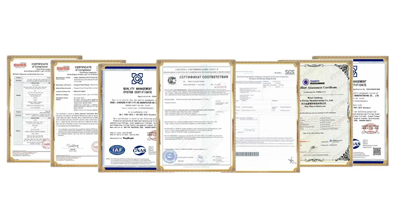
Quality assurance begins with supplier verification, emphasising manufacturing capabilities, quality systems, and industry certifications. ISO 9001:2015 certification indicates established quality management systems, while industry-specific certifications like API Q1 demonstrate specialised expertise in oil and gas applications. Supplier audits verify manufacturing processes, inspection procedures, and traceability systems essential for critical applications. Manufacturing capability assessment evaluates equipment precision, capacity, and technical expertise necessary for RTJ flange production. CNC machining centres with appropriate tolerances ensure groove geometry accuracy, while inspection equipment verifies dimensional compliance and surface finish requirements. Material sourcing practices influence quality consistency, with certified mill relationships ensuring traceable raw materials meeting specification requirements.
Customisation and Engineering Support
For RTJ flange uses, customisations that go beyond what's in the catalogue are common. This means that suppliers need to be able to do engineering work and have flexible production methods. Custom sizes can be made to fit different piping layouts and equipment connections, and special materials can be used in places where corrosion is a problem or where temperature needs to be controlled. Surface treatments like hard-facing or corrosion-resistant coats make things last longer in tough situations. Engineering support services are useful because they help with things like analysing the situation, suggesting materials, and putting things together. Comprehensive technical documentation, including assembly drawings, torque specifications, and maintenance instructions, is essential for the smooth and successful installation of RTJ flanges. Working together with suppliers during the planning process helps choose the best flanges and lowers the risk of procurement by finding problems early on.
Cost Analysis and Value Engineering
A procurement cost analysis looks at more than just the original purchase price. It also looks at the total cost of ownership. When compared to RF options, RTJ flanges usually cost more, but the extra money is usually worth it because they require less upkeep, last longer between service visits, and are more reliable. These benefits can be measured using life-cycle cost modelling, which helps people make smart purchasing decisions. Bulk ordering methods take advantage of buying in bulk while keeping inventory costs and lead times under control. Partnering with suppliers lets you plan delivery schedules that meet project deadlines and cut down on the amount of storage space you need. Value engineering can help cut costs without sacrificing efficiency by replacing materials, improving designs, or making the manufacturing process better.
Case Studies and Applications of RF and RTJ Flanges in Critical Industries
Real-world applications demonstrate the practical implications of flange selection decisions across diverse industrial environments. These case studies illustrate how proper specification and implementation deliver measurable benefits in safety, reliability, and operational efficiency.
Offshore Oil Platform Success Story
There were repeated leaks in high-pressure drilling mud drainage systems at 5,000 PSI on a large offshore drilling platform that used RF flanges. A rough marine environment, changing pressures, and vibrations from drilling activities led to a lot of gasket failures that needed expensive repairs. Platform operators replaced important connections with Class 2500 RTJ flanges made of 316L stainless steel and Inconel ring gaskets. The retrofit made the system more reliable right away, and over an 18-month evaluation period, it stopped unplanned shutdowns caused by flange leaks. Maintenance costs went down by 60% because of more regular service and fewer emergency fixes. Because of its success, RTJ applications were added to other high-pressure systems across the platform. This shows how important it is to improve key connections.
Petrochemical Refinery Implementation
A petroleum plant improved its heavy crude processing unit so that it could handle more corrosive feedstocks, which meant that it needed better materials and sealing systems. The old RF flange connections in high-temperature catalyst circulation loops had gaskets that broke down faster and leaked more often. Engineering research suggested using a material made of duplex stainless steel and special high-temperature ring gaskets. When these were put in place, system availability went up a lot, with leak-related downtime going from 120 hours a year to less than 20 hours. Because RTJ links are better at withstanding chemicals and high temperatures, they can handle more difficult feedstocks. This makes refineries more productive and profitable. Maintenance teams reported that the standardized use of RTJ flanges significantly streamlined their maintenance processes and substantially reduced the required inventory of spare parts.
Power Generation Plant Experience
A combined-cycle power plant needed strong links for steam systems that worked at 2,400 PSI and 1,050°F. The first RF flange installations were damaged by thermal cycling and needed gasket replacements often during planned breaks. For important steam connections, plant engineers chose RTJ flanges made of chromium-molybdenum steel and stainless steel ring gaskets. The improved connections had great thermal cycling resistance and stayed leak-tight through many startup and shutdown cycles. Because less maintenance was needed on the flanges, outages lasted a lot less time, which increased plant availability and income. Because of their success, RTJ flanges are now the standard for all high-pressure steam uses in the building.
Conclusion
Choosing between RF and RTJ flanges has a big effect on how well a system works, how safe it is, and how much it costs to run in many important industry settings. With their precision-engineered grooves and metallic ring gaskets, RTJ flanges make reliable metal-to-metal seals that work even in high-pressure and high-temperature situations. Even though they cost more to buy and install at first, RTJ connections usually have a lower total cost of ownership because they last longer between services, need less upkeep, and make the system more reliable. RF flanges are still a cheap option for moderate-pressure uses where their ease of design and installation outweigh their performance shortcomings. Knowing these basic differences helps you make smart purchasing choices that improve safety, compliance, and operating efficiency in a wide range of industrial settings.
FAQ
1. What pressure ratings can RTJ flanges handle compared to RF flanges?
RTJ flanges accommodate pressures exceeding 20,000 PSI in specialised configurations, with standard ratings including Class 1500 (3,705 PSI) and Class 2500 (6,170 PSI). RF flanges typically serve applications from Class 150 (285 PSI) through Class 900 (2,220 PSI), making RTJ designs essential for high-pressure applications beyond RF capabilities.
2. How do installation costs compare between RF and RTJ flanges?
RTJ flange installation requires specialised procedures and precision tooling, typically increasing labour costs by 30-50% compared to RF installations. However, the extended service intervals and reduced maintenance frequency often offset higher installation costs through improved operational availability and lower life-cycle expenses.
3. What gasket materials work with RTJ flanges?
RTJ flanges utilise metallic ring gaskets, including soft iron for moderate pressures, stainless steel for corrosive environments, and high-nickel alloys like Inconel for extreme conditions. Ring types include oval (Type R) for general applications and octagonal (Type R) and high-pressure types such as RX and BX, selected based on groove geometry and operating conditions.
4. Can existing RF flanges be converted to RTJ configuration?
Converting RF flanges to RTJ configuration requires precision machining to create the necessary groove geometry and surface finish specifications. The conversion feasibility depends on flange thickness and material properties, with engineering analysis required to verify structural adequacy for intended service conditions.
Partner with RAYOUNG for Premium RTJ Flanges Solutions
RAYOUNG stands as a premier manufacturer and trusted supplier of industrial piping components, delivering precision-engineered RTJ flanges that strictly meet the demanding requirements of critical applications. Our comprehensive product portfolio includes carbon steel, stainless steel, and specialised alloy RTJ flanges manufactured under ISO 9001:2015 quality systems with full GOST-R and SGS export certifications. We understand that selecting the right flange configuration impacts your project's safety, timeline, and budget success. Our technical team provides expert guidance through material selection, pressure rating analysis, and installation specifications tailored to your unique operational requirements. With proven experience serving EPC contractors, distributors, and industrial end-users across diverse markets, RAYOUNG combines manufacturing excellence with responsive customer service. Contact our specialists at info@hb-steel.com to discuss your RTJ flange requirements and discover how our solutions minimise project risk while ensuring long-term reliability and performance.
References
1. American Society of Mechanical Engineers. "ASME B16.5 Pipe Flanges and Flanged Fittings: NPS 1/2 Through NPS 24 Metric/Inch Standard." ASME International, 2020.
2. American Petroleum Institute. "API 6A Specification for Wellhead and Christmas Tree Equipment." API Publishing Services, 2019.
3. Becht Engineering Company. "Flange Design and Analysis for High-Pressure Applications." Proceedings of the ASME Pressure Vessels and Piping Conference, 2018.
4. Nexus Engineering Solutions. "Comparative Analysis of Metallic Gasket Performance in RTJ Flange Systems." Industrial Sealing Technology Journal, Vol. 45, 2021.
5. Offshore Technology Research Centre. "Reliability Assessment of Flange Connections in Marine Environments." Journal of Offshore Engineering, Issue 3, 2020.
6. Pressure Vessel Engineering Council. "Best Practices for High-Pressure Piping Systems Design and Installation." PVEC Technical Manual, 4th Edition, 2019.

Need a quote? Want to see samples? Just say hello. We’re friendly. We’re fast. And we’re ready when you are.
Welcome to RAYOUNG – Strong Pipes, Stronger Promise